
 Apple Podcasts

 Spotify

 Castro

 RSS Feed

 Goodpods

 YouTube

 iHeartRadio
175. Dog Health: What Do HERBS Have To Do With It?

Dr. Chris Bessent joined us again on Pet Health Junkies, and she never disappoints!
She is the founder and formulator of Herbsmith and Medicus Veterinary Diets and has decades of veterinary practice under her belt!
This week, she dives in to omega supplementation and HERBS 🌿
. . . nature's original medicine
🐶 🐱 Nutrition & Holistic Health Consults: https://jessicalfisher.com/product-category/holistic-pet-health-nutrition/
💜 Follow Jessica on Instagram https://www.instagram.com/thepetparentingreset/
📩 Get email notifications for new episodes:
https://jessicalfisher.kartra.com/page/tpprnotify
0:01 Doctor Chris Besant, who is the founder and formulator of Herb Smith Medicus Veterinary Diets and the Simple Food Project, was kind enough to grace us with her incredible, incredible wealth of knowledge once again on the Pet Health Junkies podcast. And because of that, I again do not want anyone to miss this incredibly invaluable information. This week we talked mostly about herbs, and I am just fascinated with herbs. I have to say it's one of the things that is very prominent At the top of my list for 2025 is really diving deeper into herbs and herbal therapy because plant medicine is not new. It is the original medicine and it is so powerful, can be incredibly powerful, but also can be very gentle, which we all know we all need.
1:04 And it can be really hard to try new things with our pets when we think that maybe something can go horribly wrong. And for the most part, a lot of herbs, especially in the base herb Smith line, are so incredibly gentle and safe. And I just can't, can't hold this back from the pet parenting reset community. I know some of you guys may listen to pet health junkies. Most of you do not. So I want to make sure that you're getting any and everything that I put out because it is all so valuable. I can't wait for you to hear Doctor Chris Besson again. And we talk a little bit about omegas as well, which is really cool. I think that, you know, she had no idea that Judah was recently on the podcast and gave us like a master class in omegas. But as a veterinarian, as someone who practiced for decades and is still practicing the some, she is trying I think to at least semi retire.
2:02 But that's hard and I get that, especially when you love what you do. She has so much incredible information to give us and herbs are just one of the many things that we have at our disposal and I think don't utilize enough. I know it's one thing that I want to look at more and more every time I take on a new case, every time something happens with me or one of my pets because again, when we look to nature, nature provides. So here is the most recent episode of Pet Health Junkies on the pet parenting reset. This one is with Doctor Chris Besson. Welcome back, pet parent. We are so, so lucky today to have Doctor Chris Descent coming back on the show to talk to us.
2:50 We had an incredible episode with her. We talked about prescription diets the last time and she so generously agreed to come back because she just has so much great information for us. Even Pam, Janet and I are just like, what can you teach me? But also for just every pet parent out there. So Doctor Chris lesson, we're going to talk to you today about herbs and I'm so excited to have you back. Thank you so much for joining us again. Absolutely. Thank you for having me. Of course, I know Pam, Janet have plenty of questions to ask you and I just wanted, I was hoping to kind of start out one of the things that I really try to practice in my life and therefore be able to pass that on to other people I talked to, to clients, to whomever is that nature provides. So to always look to nature 1st and that kind of, you were just talking a little bit earlier before we hit record about how you want to start with like what is the, the absolute least, you know, side effect thing I can do? And then move up to wherever your body needs you to go. And I think that's a perfect way to start because herbs are what nature gives us.
4:11 Like that is the original medicine. It's not an alternative medicine like a lot of people would have us believe. It's the original medicine. And I just, I would love to hear your point of view on that, if you don't mind. Yeah, absolutely. When I got into this, I was a veterinarian, but I didn't really grow up in this holistic sort of family. I grew up in a typical American family where you used pharmaceuticals when you needed it. We ate OK, but I don't think it was a big focus. But I really saw it with my patients and that patients who ate well, healed well and lived well. The route to that was less pharmaceuticals because they were doing such a great job with nutrition on a daily basis.
4:59 And you're absolutely right, the majority of time we should get everything we need. Micro, macro nutrients, nutraceuticals, phytonutrients, all of that should be in the food that we consume and that if our food was as packed with the nutrients as it should be, we wouldn't need anything else. But but let's say it's not. Then to me, the next step is more targeted nutrition. So for a young puppy or a young kitten who's growing, we know their brain is massively developing and that the brain is made-up of so much of it as fat and omega-3 fatty acids really support brain growth.
5:43 There's no question in my mind that young kittens, puppies, even growing dogs until they're mature should be getting elevated levels of omega-3 fatty acids, particularly DHA, which is one of the active forms. So you can get that from grass fed meats, you can get that from seafood. And then I would say within seafoods, I would tend to pick things that are lower on the food chain. Salmon is a giant fish, and so it eats all sorts, all sorts of other fish. And fish tend to accumulate toxins because toxins are often times linked to fat.
6:23 And so as this big fish is eating all these little fish, it's consuming all the toxins they've been consumed. So staying with something like krill, which is a itty bitty teeny little aquatic species or algae is probably the furious least toxin bound omega-3 fatty absence. So we can really make a huge difference with food alone. And that really has kind of really shaped my veterinary career. Is that number one, what are they eating? And is it a clean source or is it not so clean? And if it's not so clean, how many different toxins are you taking in? And are you getting, you might be getting the macro micronutrients, but are you getting antioxidants and Omega threes and all the other things that we absolutely need?
7:11 And then as you said, you go from things that are non-toxic food and then I would move to herbs and then herbs and lifestyle changes, things like that. And then possibly some pharmaceuticals things that are short term use for specific issues. And then if you really need it to go to surgery. Absolutely. Thank God that we have it. And but I feel, and I, and I've seen this throughout my veterinary, just that pets that eat well have this really solid pyramid of health because they ate well.
7:52 So their tissue is healthy and their bodies are healthy and their organs are healthy. So if they have to go through a surgery, if they have to withstand anesthesia, they're better suited to be able to do that. So their recovery is better. And I saw that as a veterinarian because it made me look so good. The pet parents who fed their animals really fabulous, Those animals healed so quickly. And the pet parents who for whatever reason, no judgment why they couldn't feed them as well, those animals did not heal well, and they were much harder to get them back into a place of health again. Yeah, it's not that it couldn't happen. It just took more because their foundation wasn't just strong. Yeah.
8:37 Well, and I want to let you guys loose, but you said one thing that I really want, I'm hoping to touch on really quickly. And we did kind of talk about it a little bit the last time when we were talking about the quality of food used in pet food, specifically pet feed pet food. But you just said that we ate OK when you were growing up, but it wasn't a big focus. And I feel like so many of us feel that way. And I hear the exact same thing from a lot of people in regards to their dog saying of my childhood dog or my parents dogs or my grandparents dogs. They ate old Roy or whatever, Purina forever and they were totally fine. And I think that kind of ties in a lot to the changes that we've seen in the quality of ingredients going into pet food, but also the fact that just the baseline of food that we have now as a country, like our baseline of food when we walk into the grocery store is not as nutrient dense as it was even 50 some plus years ago.
9:45 So we have to take all of those things into account as to why it's just not that easy anymore. I agree 100%. I think that I think that we live in a really toxic world and it's only getting more toxic. I, I think we live in a world where we're not really investing back into fertilizer for our soils. So if you compared the nutrient content of, let's say wheat from the fees compared to nutrient content, now it's dramatically different for people as well As for animals. So yeah, I think that I've always felt this and I, I know you guys will resonate with this as well, that animals are the Canary in the coal line that what is happening with our dogs and our cats with chronic disease is absolutely happening with our people as well.
10:38 A dog and a cat, we see it so much quicker because they have such a shorter lifespan. So a chronic disease in a dog and a cat is seen at 7-8, nine years of age where chronic disease in humans is in the 40s, fifties, 60s. It's the same thing. It's that an area in the coal mine effect, which I think we need to pay a lot more attention to. Like I was just on a really amazing podcast of for human Health and why did she have me on there speaking about it? Because she understood that what happens in animals is happening in our people and because of their short lifespan, we see that whole dynamic her in a 15 year time period, not in a 70 year time period that it's harder to make the transition and the gradual condition of going on to more and more chronic diseases takes longer.
11:37 And it's not so obvious we're in pets. It's obvious and, and as I've said before, and you guys I'm sure feel the same, that cats are the most nutritionally abused creatures ever, anywhere. Like since we domesticated them, we now treat them like omnivores, that they're not omnivores. And the majority of chronic disease that occurs within cats is exactly that, because we're feeding them like omnivores and not like carnivores, as well as the low grade toxicities that are in our food every day that we eat. And so do we have. So herbs, you mentioned herbs and lifestyle are what you would go to right after diet. And we, I mean, obviously we just constantly talk about diet because I think we all agree it is the foundation. So moving on to herbs.
12:30 I know Janet, I know you had a ton of questions. Could you? Well, you have the store, you have the shops. So you have these people, yes, are in and out every day looking at Herb Smith on the wall going. What's that? What's that? Why do I need that? Hopefully if not, we're really good at suggesting and asking questions. But yes, so I would, I'm looking at my list of questions over here. But going back to what you said, Doctor Besant, about the different requirements that puppies have versus, you know, adult versus senior. And then before we started recording, we were talking about my new puppy Hope, who's 14 weeks. And I want to share with the audience that I already have started her at 12 weeks of age on Doctor Besant's supplement, which is Creole. It's 100% crushed Creole.
13:18 And one of the things I appreciate and really respect about your line, which is called Herb Smith listeners. What I respect about it, Doctor Besson is that you are such a stickler in the very best possible way. Meaning of the word for no synthetics none 0 and in many of yours you don't even have inactive ingredients. You do not have fillers. So when when pet parents are purchasing your herb herbal products, they know exactly what they're getting and they get their money's worth because I have, as all of us have, we've evaluated so many herbs.
14:02 And a funny story is shortly after I'd started my store, I probably was three years in and my I came home and my husband had purchased something off of Facebook and he bought 3. You know, he did the he can give you this deal now. And if you buy a second bottle, we'll get it to you at this percent. And if you buy a third bottle, we'll give it to you for free. And so can you fail hook, line and sinker for that which I came home and of course, y'all that know me, I am like even kill until I'm not. And so I evaluated the label and I it was something like total grams or it was or milligrams, I don't remember now 120 let's say and like. 4. Of them were actually ingredients in 116 were nothing and you know it spent 90 bucks or something like that. So I wrote them an e-mail to let them know my opinion and what I thought they were doing to the the consumer and most importantly to pets.
15:07 You know you are stealing from consumers and you're stealing from the pets lives because this product is not what you claim in your marketing. And so very important aspect about your product and how you run your business. I really respect it and want to say thank. You on behalf. Of all the pet parents. It was, it was such a common story that I would see that pet parents would bring their dogs to me, say in my veterinary practice, say they're 10 years of age. And my, of course, my number one is we need to get them on a glucosamine supplement to nourish their, their joints and to increase the thickness and the viscosity of the joint fluid. And you would tell me proudly that they've been buying from a big box store for the pets into their life. And then we would quickly look it up and it was, it was not therapeutic levels.
16:00 It was just a trace of it so they could put it on the label. And unfortunately a pet parent shouldn't shouldn't have to do the math. They should be able to say that if it has hip and joint on it, that it's at a therapeutic level for hip and joint. But unfortunately that's not the law. The law is it just has to be the presence that it to the integrity of the manufacturer. And I can tell you, I, I'm so glad that you appreciate that, that we do that because it cost us a lot, lot, lot more. You make a good product that is therapeutic levels. And you know, I went through a whole PowerPoint of comparing the math that at bag of hip and joint chews, it has very little glucosamine. You'd have to feed like 4 bags a day to be equivalent to what a therapeutic dose is.
16:56 And then I'd say, OK, this container that cost $35 seems like a lot of money. But now you have to buy these bags, four of them a day at 6 bucks a bag. So that's $24.00 a day for an, for a month. OK, to get to a therapeutic level. What, what are you at now? It's a ridiculous amount of money. And you're right. And the, the person who really suffers or the creature who really suffers is the dog because the dog wasn't getting what the owner thought that they would. And, and that was a big impetus to why we developed Herb Smith because I was like, this is just fraud. It's just, and then of course, coming into the retail world and flat out just saying that I haven't had death threats, but it was close because nobody likes to be called out on it.
17:45 But thank God there's people like you that run really good stores that you do them at so that your pet parents can get what they really think they're getting. And, and it might seem like they pay a lot, but in reality, it's not even close to what it would be if you had to try to get it with a more diluted. And unfortunately, that's tons of money because they didn't put it into the product, they put it into marketing. They put it into the marketing, into their pockets and you know, to your point about, you know, the pet, I'll tell you a testimonial. I have a 13 year old Australian Shepherd and CCL surgery when he was four years old and five years old.
18:27 Yet the one, the second one followed 10 months later and he recovered beautifully. However, I was thinking down the road, OK, what is this going to look like when he's 10/11/12 and, and he's a standard size Aussie. So he's, you know, 65 lbs. And so thankfully I came across your product and I wish that I could remember the how and my my origin story with coming before Herb Smith in front of it. And but I can't remember right now. But anyhow, I started him on that as a preventative, you know, and too often we hear from pet parents and we're like, well, you know, my, my pets 10 years old.
19:08 So I want to start something like sound dog viscosity for hip and joint. And it's really a great day when we're visiting with our pet parents who love and adore their pets and we share what we know with them about preventative care and they see it, they see the future and they get it. So in Charlie's case, here we are four and five, and then he's in for his senior appointment and she did X-rays to see how he looked as far as arthritis went. And she was shocked. And the vet I see is somewhat integrative. So I, I, she's excellent. She's open minded.
19:52 She knows a little bit about herbs, a little bit about integrative modalities. And what I appreciate about her is that I go in with my research, I go in with my questions. And she's never backed down or shield away. And she's open minded and she understands how I want to take care of my 5 pets. And she respects that and lets me take the lead, if you will, and gives me advice. And like you said, occasionally though, we need to step in with traditional medicine. But anyhow, I'll, I'll stop. He had 0 signs of arthritis in his knees, his hips, his back, zero. And at 13 years of age and I'm just that just, it makes me feel really, really good because I'm so happy for him for.
20:36 Charlie And the wonderful part is that that that's the sort of thing that really sticks in that vet's mind. And so she might not tell you, but I'm sure she's recommending it to all of her patients. That's kind of how I came about. All of this is, again, not to be all holistic, but more just what is going to give me the most tools to help every patient that walks through my door. And with that came chiropractic and acupuncture and using herbs and talking about food therapy. And so it wasn't that I set out to do that. All I really cared about was being a good vet. And I wanted to have as many tools possible with the, with the thought process of being the least toxic tools possible 1st and then gradually move into things that are maybe harsher, more toxicity, but they're also stronger and needed at that time. But yeah, your story people share. People shared with me stories like that when I was just starting to learn this, this light bulb kept going off saying there's something to this stuff.
21:47 And then I went and got the best certifications in the world. And like you talk about it every day. Yeah. So can you talk to us about some of the most common issues that pets will face and then what herbs and, you know, herbal supplements you would recommend that our listeners go and, you know, look into and research? That's a big question. It is. I know. And I showed you our shelf before we started because I mean, we don't carry your full line, but we carry a lot of it. And it was the same for me. I'm like, OK, what? And for example, we always talk about the gut because 80% of the immune system is in the gut.
22:27 So it's like that is a core herbal supplement in our store. And so that's kind of where I'm coming from. Yeah. So let's talk about that. I would, I would say #1 is supporting health and Wellness. So keeping that dog who is not having any problems from getting problems and it's kind of looking at food and where's their shortcomings and and then looking at the stage of life that they're in. So as a young dog, I agree with you 100%. We need to protect their microbiome and we need to constantly be enhanced. So it's such a dynamic process that's going on.
23:07 So you'll hear stories about one dose of metronidazole for diarrhea just blows out all of the good bacteria within the gut. You win out. Is it is it worth it or is it not worth it? And I think the other really important part is that it's always coming back as well. So, you know, how does how does a puppy inoculate their gut? Because of course they don't have any bacteria within their body when they're in utero, because otherwise they would have abscesses. So they're completely sterile when they're born. But then they get all their, they get the microbiome that the bacteria that sets up shop within their gut from the tissue of the bomb. So when they're nursing, there's bacteria around the nipple and around the mammary tissue that they're licking and ingesting. And then they're chewing on this and they're chewing on that. That's all good, normal, healthy things that puppies need to do to, to inoculate their gut.
24:13 And then we can come. And if in the perfect world, right, they would be the mom would be catching the rabbit and bring it back and then the puppies would be chewing on it and they would, they would eat the gut contents, which would have bacteria. They would eat the hair, which would be fiber, but it also has bacteria on it. But we feed sterile food and that could be a show in itself because it needs to be sterile, in my opinion, as well as the FDA's. And the reason being is not that the bacteria is bad, but because that food could sit in, it could sit in a warehouse for six months and then it might go to your store and sit there for a month, six weeks, and then finally get to the pet parent. And then the pet parent opens that container and it could be six weeks of feeding from that container. So if bacteria were in there from the beginning from the manufacturer, it would have this closed environment that bacteria would grow, grow, grow, grow, grow. So by the time you opened it, it'd be pretty rotted and be so linked with bad bacteria because you've got to think of any time there's bacteria, it's like this culture, this fight, this war of good bacteria and bad bacteria and bad bacteria would tend to win out.
25:38 So now all of a sudden you open this bag and it's filled with salmonella that's not great for your pet. So because of the fact that we food is not consumed immediately that it could be six months or a year before it's actually consumed, it needs to be sterile clean. So we have to re inoculate the gut with bacteria. And so chewing on things fabulous lick mats, amazing, licking each other great, that's all developing bacteria that's going into their gut. And then we can utilize supplements like microflora to inoculate their gut with bacteria as well. So because of the way we feed them, we have to, that's one of those absolutely necessary supplements. Another one is glucosamine.
26:28 Because in the real world, what would happen that puppy would be chewing on the bone endings and the bone endings have chondritin in the cartilage. It has hyaluronic acid in the fluid. It has glucosamine in the in the fluid as well as in the cartilage. It has collagen from the tendons and ligaments. So every day that puppy, that young dog would be consuming those things. But in the way that we produce food, we're not using the end caps of long bones. Those are just getting thrown away or getting ground up into a meat and bone meal or a bone meal. So if we don't provide that as a supplement, then there is endogenous production. So there is production within the puppy's body, but if we want to maximize it, if we want to make sure that the body has everything it needs to support healthy joints, we have to add it to their diet.
27:26 And then lastly, for a puppy, DHA and omega-3 fatty acids is the brain is fat brain is true. It's a lot of fat in your brain in a puppy's brain. And for puppies to fully develop, they need to have high omega-3 fatty acids, particularly DHA. And DHA is one of those omega-3 fatty acids that carnivores aren't very good at converting it from plant based sources like flaxseed or hemp seed. They eat that and they can't convert it from the inactive form to the active form. So it's a good source of oils, great, wonderful, but it's not a great source of DHA.
28:11 And I feel that all puppies need to have ADHA source at least until they're young adults. So depending on the breed, at least a year, maybe two years of age and and then you could start to say, OK, well now they also need it because almost always when there's DHA, there's EPA and EPA is one of the other Omega threes that is really important for soft tissue and the musculoskeletal system. So it doesn't go, the need for DHA doesn't go away, but now there's an additional need for EPA as well in the Omega three sources. So to me, I would agree with you 100%, Healthy, good, whole food.
28:53 But you need to, you need to inoculate the gut and constantly inoculate the gut because it's always changing. You need an high omega-3 source, particularly something low on the biodiversity or low in the food chain, as well as a glucosamine source. Nice, great. Do you have anything to add to that? Well, I was just going to say, like, one of the common things that cats deal with is bladder issues. Yes. And thyroid issues, those would be besides gut health, of course, but those would be like the two other biggies for cats at least. Yeah. And I would say both of those are nutrition induced. They're both from chronic poor nutrition. The bladder, bladder issues is cats are desert animals that need to they need to drink.
29:48 They're thirst part of the brain in a cat that tells us we're thirsty or not thirsty is not very sensitive in in the felines versus a dog. A dog, if they're dehydrated, they'll just drink a lot. A cat, if they're dehydrated, they tend to develop, they concentrate their urine, they develop kidney issues, they develop all sorts of issues because they're chronically dehydrated. Because in reality, that cat would have eaten a mouse or a bird. And that mouse or bird is, gosh, 78% moisture. And so they're built to be getting their moisture from their food.
30:30 And when we're feeding them dry tibble, they're not getting. So they're chronically dehydrated. And I think hypothyroidism is exactly the same. It's high levels of iodine throughout their lives. It's the chronic heavy iodine levels slowly but surely start to affect the thyroid. So now the thyroid is working in OverDrive with all of this iodine, and we need to bring those iodine levels down. And that will help to diminish hyperthyroidism in cats because hyperthyroid, too much thyroid, it happens in old cats. You don't see it in kittens, you don't see it in young cats. It's old tonic, so a meal or two with too high of iodine is no big deal, but every meal their entire lives is a big deal. And all that can get changed with nutrition. So that's not really a herb thing. But I would say that there there's herbs that are about supporting health and Wellness, like cinnamon and ginger and licorice for the gut.
31:32 And then there are herbs that are the spectrum of herbs go from things that are more like food all the way to things that are more like drug. Yeah, I tend to work in that middle ground where they they're already getting good food, but they need more. So let's say it was a young dog, a young Aussie who didn't get DHA, didn't get krill when they were puppies, and now they tend to have anxiety. Well, anxiety. There's really wonderful Chinese herbs that are all about calming neurons and calming anxiety and bringing that back under control.
32:14 And I kind of likened an animal's body as well as our body as we're kind of rolling down the road of life and for whatever reason we bump off into the ditch. We had a horrible Co worker who stresses us out or somebody gave. This would be my case. Somebody gave me a big box of chocolate and I gorged on them and I feel like, you know. Slippery Elm. There's all these things that kind of bounce you off the path of health. And then that's where I would use targeted food, targeted nutraceuticals, targeted herbs to try to correct that long before it keeps going off into the ditch and then becomes autoimmune diseases and cancers and all of those other things. And so in reality, using herbs is proactive to support Wellner, always trying to get you back on the track of health and Wellness.
33:14 So I had a wonderful, wonderful clients that one particular day, this fabulous little Aussie was buy a phone pole and a flash of lightning hit the phone pole and was like really super loud. The dog never had anxiety before that, but he had this traumatic experience and then he started to develop anxiety. So we used herbs on him and we used herbs that were calming the neurons, herbs that brought down that anxious behavior and the and the classical kind of neural transmission that occurs within the brain when anxiety happens. And we only had to do it for three months, 9, three months. And.
33:58 And she said, he's perfect. He's back to himself again. Great. Take him off of the herbs and see how he is. Herbs are kind of like food that it's just this gradual progression to health. You don't give a herb a pharmaceutical, you give it and the next day or the next hour, you're like, they're so much better. Herbs tend to take longer. Yeah, but the same thing happens when you stop them. So in this particular patient, we decided, OK, stop using nerves because I don't think he needs it anymore. And we stopped. And then watch him closely for the next six weeks. And if in the next six weeks, he starts to amp up again, so now he's starting to get nervous about noises and he's starting to follow you around the house again, and he's starting to show you early signs of anxiety.
34:48 It means he needs them longer. If he doesn't, great, then then that's all that it took to kind of get him back on the right path again. And that's really kind of where I see you guys and I see the herbs that you have in your store are all about that. Trying to correct it before it gets so bad that the bladder issues and kiddies become transitional cell personoma in the bladder. I mean how does that happen it it happens with long term chronic pH issues and and changes to the cell within the bladder that eventually mutate and go on to be cancerous formations and if we can correct it sooner we can prevent those.
35:37 So you have a couple of bladder products, Doctor Besson, and you have a new one. Do you want to talk about those? Just a second. Sure. Yeah, we have two, we have. Well, we have. Three with the three now. Yeah. So we have kidney care, which is Chinese herbs that are very specific for increasing the blood supply to the kidney and healing the kidney. Then we have bladder care, and bladder care is all about recurrent bladder infections and that the reason bacteria invade the bladder is because the environment within the bladder is perfect for bacteria to invade. So it's not that bacteria are like bad and evil, it's more that the environment of the bladder is set up to allow bacteria to invade.
36:30 So with a bad pH and an inflamed lining within the bladder and decrease urination because they tend to be more dehydrated, those things are like the perfect scenario for bacteria to grow. So that's what bladder care is all about, using herbs that are anti-inflammatory, herbs that are antibacterial, herbs that are changing the pH and getting the pH back to normal again. And then we also produce bladder pulled. A bladder pulled is about urinary incontinence. It's not about like the young puppy that super excited and pees on your foot, that's just a just happy puppy. It's more about that older dog that is decrease their level of energy or chi and so they're not holding their urine when they sleep.
37:21 So it could be an older dog that just is is really chi deficient. So it could be a male or a female, but often times it's females that have had their ovaries removed during their spay process. And when you remove the ovaries, you remove all of the normal hormones that you need, the estrogens that you need to maintain the tone to the urethra. So those three different herb formulas are really specific for that kind of stage in that animal's life. So bladder care is all about cats. I mean, cats like that. If if I had to pick the one formula that was best for cats, it'd be bladder care, kidney care, amazing combination of herbs that have been used for thousands of years in humans for kidney issues. And we've been using veterinarians around the world have been using that formula for kidney patients forever. In fact, kind of an interesting story. I went to the American Holistic Veterinary Convention with Medicus and I was like, this is so exciting. Whole food nutrition for therapeutic, you know, and I was so excited to bring it to the world and I thought vets would just be like thrilled.
38:38 They did not care. I was possible. Here's why. Because they've already fixed it with herbs. So they didn't need a targeted low phosphorus diet because they were already using herbs that healed the kidney. And then the kidneys started to function normally. And it took me a minute. I, I, I was taken aback by it. But then I thought, wait, in my veterinary practice, did I recommend CD and these other kibbles? But I didn't. And I mixed them off with, with the herbs themselves. And so then it dawned on me, huh.
39:19 I got the wrong target audience, the traditional veterinarians that want to use nutrition as a tool because they don't have the herbs that us holistic veterinarians have. That was. An aha moment. It really, it was sad. It burst my bubble, but I survived and went OK, we're going to change our marketing here. Regroup. Yeah, yeah. And kind of what we tried to do with Herb Smith is look at big categories, disease and and dysfunction. And is it something that one particular herbal formula works really well for or for example, in autoimmune diseases or in cancer, there's not really just one herbal formula that fixes it.
40:07 It could be 20 different formulas all dependent on what's going on with that pet. So you're never going to see a cancer formula from Herb Smith because there's not just one. And we'd be doing. Everybody a disservice to say that it was because that's something where you really need to do a tongue and pulse evaluation, a thorough exam, a thorough history to figure out where did we bump off the road of life and and what field did we drift off into that developed that cancer and how can we bring them back or at least how can we make their lives as comfortable as possible if it's been going on for a long time. Yeah.
40:50 So I want to ask you a question. When you mentioned the patient, I guess in this case it was the little Aussie that had the traumatic experience and became anxious. When you mentioned the herb, was that one from your like truly your traditional Chinese herbal toolkit? Not, yeah, the OK, not anything that we seem like in the stores. No, let me tell you that every single thing that you have in your pet store is from a traditional formula. Right. So when I developed the Herb Smith line, particularly for pet stores, I said what are the tried and true? What are the formulas that all veterinarians all over the world use for?
41:36 In that one it was commshen. It's commshen your store. And if you were to go to the traditional formula, it's called Tianwan Bujendon. OK. A regular holistic vet would send you home with a bottle of Tianwan Bujendon. What we wanted to do is bridge that gap. Yes, that is an amazing formula that's super safe, that works really well, that the Western medicine is very close to the Chinese medicine. Any dog with anxiety, for the most part, is going to get better with this combination of herbs. And then we put a easy to say name on it. So then we put Calm Chen on it so that people could say my dog needs Calm Chen instead. If they had to say my dog needs Tianwan Bujandan, they wouldn't do it because you wanted any.
42:30 Yeah, they'd have to sell it and they would feel silly asking for it. So that's really how we kind of brought it together. So there are things like, like, I would say that anxiety function is the the number one formula that most veterinarians in the world use. There's also another really great formula that's more about anxiety with aggression. So if a dog has aggression and anger and anxiety, the calm chan's going to help. It's not, it's not the ticket. You've seen it when it's the right one. Yeah. Boom. Within like a week, they're calling you and saying, I can't believe how good my dog is. For a dog that has anger issues. There's another great formula that's available that is very commonly used for dogs with anger aggression. But that one is someone more that you would need to be either with a with a healthcare professional or with the veterinarian that would recommend it. Not so much because the herbs would be hopsick or anything like that.
43:32 They're extremely safe more because now you're getting involved and the potential for somebody to get hurt. So you really need to be sure that that is the right. So we at Herb Smith, we have everything from the, the simpler herbs where the herbal formula very much matches the Western thought process of it. So it's easy to identify. And then we have Herb Smith RX, which is the more toxic herbs. It's more the herbs that are very specific for a very specific patient. Vets don't even keep in their, in their offices. They would order it, they would identify the patient, they would identify this herb would be this herbal formula would be really good for them.
44:15 Then they would order it and have it sent to the owner because it's so infrequently used. That was my next question was about, you know, usage. So daily use, intermittent use a couple of times a year, like for example a microflora daily pre and probiotic. It says it, you know, right there, it's daily and we always need to be reinforcing the gut. So do you recommend that just like with humans? I mean, should pets be on that 365 days a year? In my opinion, yes, because it is because the gut is always being challenged. Very good every chemicals. It's true.
44:57 Toxins in the food, but I hate to get all dark about it, but glyphosate's in everything. And what did glyphosate do? Glyphosate damages. It's an antibiotic. And so in all of our food, in all of our pets foods, they're getting an antibiotic every day that's killing their gut and interesting, I think you guys will find this really interesting. You know that how GLP ones are like so common now to use for weight loss. Well, GLP one, it's a hormone and what damages that hormone? Glyphosate isn't that fascinating that glyphosate is pervasive in any any grain that you're going to eat that's not organic and it's going to be damaging not only the bacteria for your gut, but also the hormones that are produced within your gut, Gut lights. Frightening.
45:51 Like GLP ones? Yeah. Why is it that almost everybody in the population does well with it? Because we're all eating toxic food. Unless you're eating 100% organic all the time. Wow. So what of the herbs that are commonly suggested, for example, milk Thistle, if you would talk about that. And we know we have your little card and it says to at least use it seasonally, like twice a year, maybe spring season, fall season, when allergies are at their height. But of course, here in Central Texas, allergies seem to always be, you know, a problem. So is it daily? Is it seasonally? Is it cyclical?
46:34 What can you say about something for Milk Thistle and talk about like what that's used for? Yeah, I would say you have to think of milk Thistle as a as a detox. And so I think there's so many ways that you could use milk Thistle and a lot of it is dependent on your animals. So for example, if you're in an area that has never has a winter, so you never have a frost, you never kills the fleas. And so that person decides that head parent decides that I need to use something like frontline, something like that a monthly. Then you then give milk Thistle 2 days before the day of and for three or four days after.
47:19 So it's saying that I know I'm going to be giving my dog unnecessary toxin in, in their opinion, because of the risks that come with ticks or with fleas. But then I'm going to use milk Thistle to detox the liver. I'm going to help the liver be able to do what it needs to do. So I would use milk Thistle in a bolus. So like a 5 day time period for vaccinations, for Heartgard, for Frontline, for if they have, if they need to take antibiotics, if they need to take any chemical that the liver needs to detox. If my neighbor is insistent that they need to put on chemicals on their lawn.
48:05 And yes, it might be sprayed on their lawn, but it's seeping down into the water table that my dog is then drinking and he's walking in the in the huddles that are formed. So I might use it when they spray their lawn. I might use milk Thistle for a while so you can use it preventatively to help detox or if your dog has a liver issue. You can absolutely use it every single day the rest of their lives and in the literature they talk about on for so many days and off for so many days. Well, if you go back to the true research behind the use of milk Thistle, it's best to be put on board when a toxic event occurs. If you know that you're going to be vaccinating, you're going to be using Heartguard or Frontline, put it, give it to them before and then after.
48:55 And so you're arming the liver with the strongest strength it can to detoxify. If you're going to use it long term. The thought process is, is that they're constantly being exposed to hopsins, to glyphosate, to pesticides, to all sorts of things. And I'm just going to always have that on board so that they can detox as needed. Does milk Thistle come into play when you have a pet who's had some liver compromising event like liver failure? Absolutely, absolutely. It's it's not only preventative detoxifying, but then it's also hepato protective and nourishing to the to the liver.
49:42 So you could absolutely use it when they have a liver issue. You could absolutely use it if you needed to use a drug that is going to be taxing to the liver. So like anything, any steroid, anything that ends with a Sone, Prednisone, dexamethasone, Prednisolone, any of those are going to going to have a great effect. They're going to work for whatever that that prescribed it for, but the side effect is it's going to constantly be damaging the liver. So I'm going to use a drug like Remedil or Actigesic or any of the prednisones. I'm absolutely always going to keep them on milk Thistle at the same time to minimize any of the toxic effects of, again, a necessary drug that that we need for whatever reason. So one story comes to mind again. It's my Charlie, a 13 year old, but he was given a very, very common prescription for kennel cough at the age of 1 1/2 and he went into liver failure immediately. And so he was hospitalized for 13 days. And we felt the need to do that because he was so young. And so he had that injury, he pulled through, and that is when shortly after that I learned about milk Thistle. And so that was another one of
51:12 the herbs that I started giving to him. And then, as you know, time has gone on. It's just something that I keep in circulation. And I would say that takes us back to what Jessica said in the very beginning is that when we need it, thank God that we have it. Like in that scenario, you have it in your stockpile at home for potential use down the road. And thank God that we are in a fabulous society where we can have this team of people that take care of our animals. So it's your groomer, it's your veterinarian, it's your orthopedic veterinarian, it's your holistic veterinarian. You have all these wonderful people that can help to contribute to your pet's health. And you don't have to have just one person and that person's belief about any one thing.
52:05 We, as guardians for our pets, can help to make decisions, to try to continually point them in the right direction, which obviously you do a great job. Thank God they came to you for a reason. Thank you. Pam helped me recently with one of our we have a 15 year old Maltipoo that we rescued years ago. We went for. We believe that it happened when we went for a walk in our neighborhood. Very common in our neighborhood. And it was a short time later that I I woke up in the morning and she looked like a burn victim. She had licked and bitten and scratched apparently all night long.
52:46 And she'd removed the hair from her hind quarters and under her tail. And Pam did her what she does best and tested her and she came up positive for pesticides among, you know, aluminum was another one. But the the aluminum perplexes me because I haven't done shots for my pets in some time and I constantly detox them. So that one has me perplexed. However, the pesticides, that one was really upsetting because, you know, we use natural sprays in our, in our, she's a tiny dog. She's close to the ground, she steps in the grass, she steps in the puddles. Like you were just explaining that you were just saying. And so one of the things that you know, Pam was recommending was she actually, it was a different from milk Thistle because I always have milk Thistle, but we did a tincture and so and we also did a chemical binder and then the liver, you know, detox fire.
53:50 But and what I want to have you touch on, if you will, is like yours or powders, sprinkle in the food. Most of them are odorless and tasteless. I actually lick my dogs to make sure I'm except krill. What chicken? I do not lick the krill, but why? What was the choice behind powders versus tinctures for you? Yeah, I would say that tinctures are stronger. So you have more of the active ingredient in a smaller volume, so you get a lot more strength. I like the powder because the powder is, as you said before, there's no fillers or anything in it. It literally is the roots, the barks, the berries that are ground up into a powder and then mixed together. So you'd have the active ingredients and the inactive ingredients.
54:43 And I think that that's part of why herbs are so non-toxic, how they don't have nearly the amount of side effects that you would have in a pharmaceutical. Because if you go with the powder, you're going to have the cellulose from the from the Berry and you're going to have other inactive ingredients of the bark that's there to help as God's way or nature's way of having a active ingredient that is going to affect the body, but then also has the inactive ingredients to keep any of the negative side effects. Down South in Chinese medicine, you'd have this big pot of barks and berries and nuts and fruits and you would, you would boil it and boil it and boil it and the water would mist away. And then you'd fill up the pot again and you'd boil it and you'd boil it and you'd boil it and mist away, fill up the pot again, boil it and boil it and boil it. And then that would be the tincture that would be what the patient consumes or in our environment that would be the tincture that is made and all of the cellulose and the bark and the inactive ingredients are basically just thrown in the garbage.
55:57 So tinctures are stronger, which are really great for cats because you don't need as much. So here our powder that is the whole teaspoon compared to a drop or two of a tincture. The downfall to that is it's a little more specific, it's a little less, it's a little stronger in that it has a stronger taste. If you were going to have negative side effects, you could tend to have more because you have a stronger tincture than than what the powder is. And that's why I like the powder is because I like it because to me it's just like food. And why is food so non-toxic?
56:39 Food has active chemicals in it, active ingredients, but then it also has inactive ingredients as well. And so you think of food as you know, beef and apples and then you go ginger and cinnamon and licorice and then you get more and more specific. And so using the powder, it's more like whole food. So that's why I elected to do it, especially in over the counter herb we're you think that's exactly what it's going to be. But I want to make sure that we do no harm that if you give any one of the Herb Smith formulas to anybody and it's not the correct formula, it's just not going to work. That's better than causing a negative effect.
57:22 I'm glad you said that. Yeah. So if it didn't, if it doesn't work, it doesn't resonate. It's not the right application. Yeah, you think it would. And logically it makes sense that it would be. It'd be kind of like calm Shen in that fear, aggressive God, the calm Shen is going to help because there is anxiety involved with it, but it's not going to resolve it. So then Janet would call me and I'd say, OK, we're going to use Chahu longu muli Tong, and I will send you some of that. And then you would use that and be like, wow, that was the ticket that's going to make all the difference in the world I. Guess that's the same as you know, CBD is wonderful as it is when you get the right product because just like we said at the beginning, there's so many supplements on the market, but they are not created equal. And this is so true in the CBD world. But CBD doesn't work for 100% of the pets. But, and I had this recently happened, I literally over the weekend a customer called and texted me because she was about to board her plane and her little dog was going ballistic at the airport and she couldn't get him into the Kennelly wouldn't stand the Kennelly was barking crazy and she didn't have CBD with her.
58:41 And I said, go find a store in the airport that sells essential oils and get lavender if they have it and try that. Put it in the ear flap. And she called me, I think 30 minutes later and she's like, you will never believe I found some. I put it in the ear flap. And Oh my God, she goes, thank you so much. He's in his kennel. He is knocked out. That's what a great story. It was and I cannot make that up and it she put it like all over his bed. And I was like, OK, don't overdo it. Yeah, you're getting. Of his life. I don't know how the people on the plane would can stand you with so much lavender, but I think your story about if it doesn't work, it's not right for that pet and that that can be applied to so many things. And I, and I love that idea because if the first herb that as a herbalist, the first herb that I pick that makes logical sense to me doesn't work, that gives me some really valuable information, then I'm like, well, it's not what I was thinking.
59:48 I need to go back and re evaluate and think of some other possibilities behind that. And that's really in my bedroom practice that helped me really refine my craft and really understand which were the best herbs that worked the best by by seeing what happened and based on what happened. Help me decide where I should go. And I would say that because herbs and because food is so gentle but effective, you have to be a little smarter about it. You know, anybody can throw steroids at something. Yeah. And steroids will make everybody feel better for a short time. Yes.
1:00:30 Without a question. That dog's in. Stop itching, and it's going to look great. And then two weeks later, they're peeing all over the house. They're panting like crazy. They have all the negative side effects and unfortunately as a society we love that because it's very quick, like just stop him from doing that. But in the long run, it's much worse than if they had taken the time to get the right food and the right herbs and and everything else that's more gentle first. Again, going the most gentle to the most extreme. Do you recommend using herbs while they're on something like that? Like a steroid or an antibiotic? Yeah, absolutely. Like I feel again back to the we have a team of people that are helping with us with our pets. The majority of herbs are perfectly fine with any pharmaceutical.
1:01:20 And I would tell you that every single day I get calls from different stores and pet parents saying my dog is on XY and Z and is it OK to use this, that and the other. And I would absolutely reassure them that yes, there's absolutely nothing that could correlate or could have negative interaction. There are some herbs that do have negative interactions and those are the ones that are more on the drug side, that are more by prescription only, that you need a licensed professional that has a client patient relationship with that dog to know if it's worthy of using that herb. That's a good, good differentiation there. So I have one more question in my onslaught or questions, OK. And it's about pet parents who are just starting to dip their feet into the, the, you know, herbal realm because you and you've, you, what you've said is just, it's been a perfect segue with each question because you just mentioned how we're so accustomed in Western civilization to we have a problem and we go to the doctor and we're given a prescription and it boom, you know, you have a headache, it's gone. You have anxiety, you take this and it's gone. You start itching or have a breakout, put this on and it's gone.
1:02:44 So the quick this question centers around a typical time frame that pet parents should expect to start seeing results. And I know that's different based on like, for example, we talked about the gut earlier and how important that is for well-being. You know, we have to have a healthy gut to have a healthy pet or a healthy human. So, you know, typical time frame for a couple of different common herbs like pre and probiotic or milk Thistle to support liver. And the second part of that question is, is there a loading dose and OK, so. There definitely can be a loading dose and the loading dose would be double your maintenance dose. So when you look at herbs Smith product, it's the maintenance dose is always listed.
1:03:33 So you could double it for the first two weeks OK to get the effect, but. Good to know. There are some herbs that are really quick acting but they're a much smaller amount so comfort aches. I don't know if you carry that one. I did. I mean like that. That herb formula is so fast you can give it and with two hours later your dog will move better than they did before. Now is that a double like a loading dose or is that the maintenance dose? Even just the maintenance dose has a really, really quick effect and why is it It's pain relieving an anti-inflammatory and so it has a really fast effect. The majority of herbs, I would say 70% of herbs are in that four to six week time period.
1:04:23 That was a gentle persuasion in the right direction. And my first question, when somebody says it doesn't work, yes, yes, is how long did you do it? Didn't do it because we're not used to having to do it for six weeks before we see a difference. We take a pill and it should be better the next day. So they gave a herb pill and said, well, it's not any better. He's still itching. Yeah, it's going to take four to six weeks because it took a long time to get to that point. Takes a long time to bring it back. And then the last 20% are ones that you might be on their whole lives. And that one would be say, for example, a kidney tonic and a kidney herb is kidney disease could happen very quickly if they got exposed to antifreeze or something like that. But generally speaking, the majority of kidney disease is a slow, gradual process and that it's been going on for quite some time before it gets to the point that the kidney can't properly remove the toxins from the blood. And because it took so long to take effect, it's going to take a long time to get them better.
1:05:36 And they might be on it for for the rest of their lives. Seizure seizure herbs work amazingly well to raise the seizure threshold so that they're less likely to go into a seizure, but it's also the sort of herb that they're going to use probably for the rest of their lives. So every every herb has its own indications, but generally speaking, most herbs are that four to six week time period. If after four to six weeks, they say, I think he's doing better, the itch is a little less that says keep going. You're right, you're on right track. If there's absolutely no effect at all, I personally would re evaluate and see whether I needed something else that that that was just not strong enough for them.
1:06:22 And then the beauty of herbs is you can do the same thing when you're taking them off of it. So let's say you have a pet parent that comes to you and they're their dog has been on commshen for they started at two years of age and now they're six and they're Labrador. So at six they can say, well, you know, he's been doing great. Do I still need to use these herbs? I would say, let's try taking him off and see what happens. And if in the next six weeks none of the anxiety comes back, great. He doesn't need it anymore. If he, if it does start to come back, it'll come back really slow and then gradually amp up. It's not like a pharmaceutical where you give it an immediate like as soon as you stop Prednisone or if your patience is going to come back within 12 hours.
1:07:09 It's not like that. It'll it takes a while to take effect. It also takes a while to go away. That's and occasionally you get people who go see it didn't work. I'm like, no, it works so good. You need to keep him on it longer and it doesn't necessarily mean for the rest of their lives, but at least longer. And I, and I would say that goes back to some of the original things that we had talked about how the needs of a puppy and a young dog are different than the needs of a middle-aged dog and are very different than the needs of a senior dog. And what what you see is a young, vibrant, healthy puppy is massively growing and developing. Like one week you look at them, you're like, you're so much bigger than you were last week. Well, that's all chi, you know, that's all vital energy that is building this amazing body.
1:08:00 And then as they get to kind of middle age, that slows down. South chi starts to decrease. When we get old, now our chi is really decreased. So now our own endogenous production of antioxidants goes down, our own endogenous production of Omega threes go down. So now we have to put that senior pet. That senior pet needs to have more dietary antioxidants than they had before because now their body isn't producing as much as they had in the past. So we see the way that we supplement a older pet is very different than the way that we would supplement a young. Interesting.
1:08:42 Thank you so much for answering all those questions. That was awesome. It all flowed. It was good. It did. Hold on. Did you put anything you wanted to follow up with Pam? No. I think you covered so much. Yeah. Right. It was great. You know, everybody always asks, is there one magic herb? Yeah. And there really isn't. And it's not that I'm being evasive, just just a different herbs are like, I like lasagna or tacos. It's always in combination, so you always have the least would be two herbs, the most would be 1015 herbs. But generally speaking, most Chinese herbal formulas have 6 to 8 different herbs in it, and all those herbs work in synergy to cause and effect. And that's how it works versus a single pharmaceutical. They're taking say ginseng and they're pulling out the ginsenicide, the the active ingredient of ginseng and putting it into a pill.
1:09:46 And then you take that pill and you get a really fast effect, but you get all the negative side effects as well because you pulled out all the good stuff, the negative side effects. And so if when you're doing a formula, there's always a main herb and then a secondary and 3rd herb, which are kind of assistance. And then you have herbs that are in there to detoxify some of the negative effects of the primary herbs. And then you have some that aren't just treating a secondary symptom from the primary condition. So every Chinese formula is always going to have a list of herbs. And now it's not so simple to just say, what is that one herb?
1:10:28 Yeah. So what is your favorite herb for? We should do like 10 fast questions like they do on the the late night show. What's your favorite go to herb for allergies? A clear allergy which is also called Gentian relief allergy and the main herbal formula is called Longdan Gigante and it's all about decreasing heat and inflammation. OK. How do you feel about goat milk versus microflora? I think there. I don't want to hear this. I don't want to hear this. No, no, we're not going there. Why not Jessica?
1:11:12 Because goat milk is my Holy Grail. I don't want to hear anything. I never say anything negative. I do both like food. It's one more like should we have variety? Absolutely. We should always have variety. And so we should be getting probiotics, prebiotics from all different sources in the world, not just from one. Yeah, I agree. Yeah, so I I'm doing both currently, but I rotate the goat milk in and out. Yep. But I'm I'm pretty religious with the microflora. That's fabulous. I love it. That's awesome. All right. Thank you again. Yes, my goodness, thank you so much. I think, I mean, herbs are such a huge topic and you could tell us so much better than I could tell you, but I'm just going to throw it out there that literally people spend their whole lives learning Chinese medicine and herbs are herbs are a really big part of that.
1:12:11 And as you have said so many times that like it isn't exact. It is very, it reminded me a lot of homeopathy the way you were describing, like we'll try this, but it may not be exactly what, you know, matching the symptoms of this particular animal. And, and I people, I think people spend many, many, many years studying homeopathy as well, because it is so individualized. And so there's, there's a lot to be unpacked there. But getting people having the Herb Smith line, especially like the ones that you have available for people like Janet to have in their storefronts to having that really accessible with pet parents is incredible. And we want to thank you for that.
1:12:52 Thank you so much and thank you for all your time and and your your heart for pets and pet parent. Thank you so much. That's great. All right guys, if you want to learn any more about Doctor Chris Besson, any of the product lines, she has Herb Smith, Medicus and Simple Food Project. They will all be listed in the show notes. And of course, you can always reach out to myself, Pam or Janet on any of the socials if you have more questions. Need more help and thank you again Doctor Besson for being here with us. Absolutely. Thank you so much. Thank you, Merry. Christmas.
Veterinarian
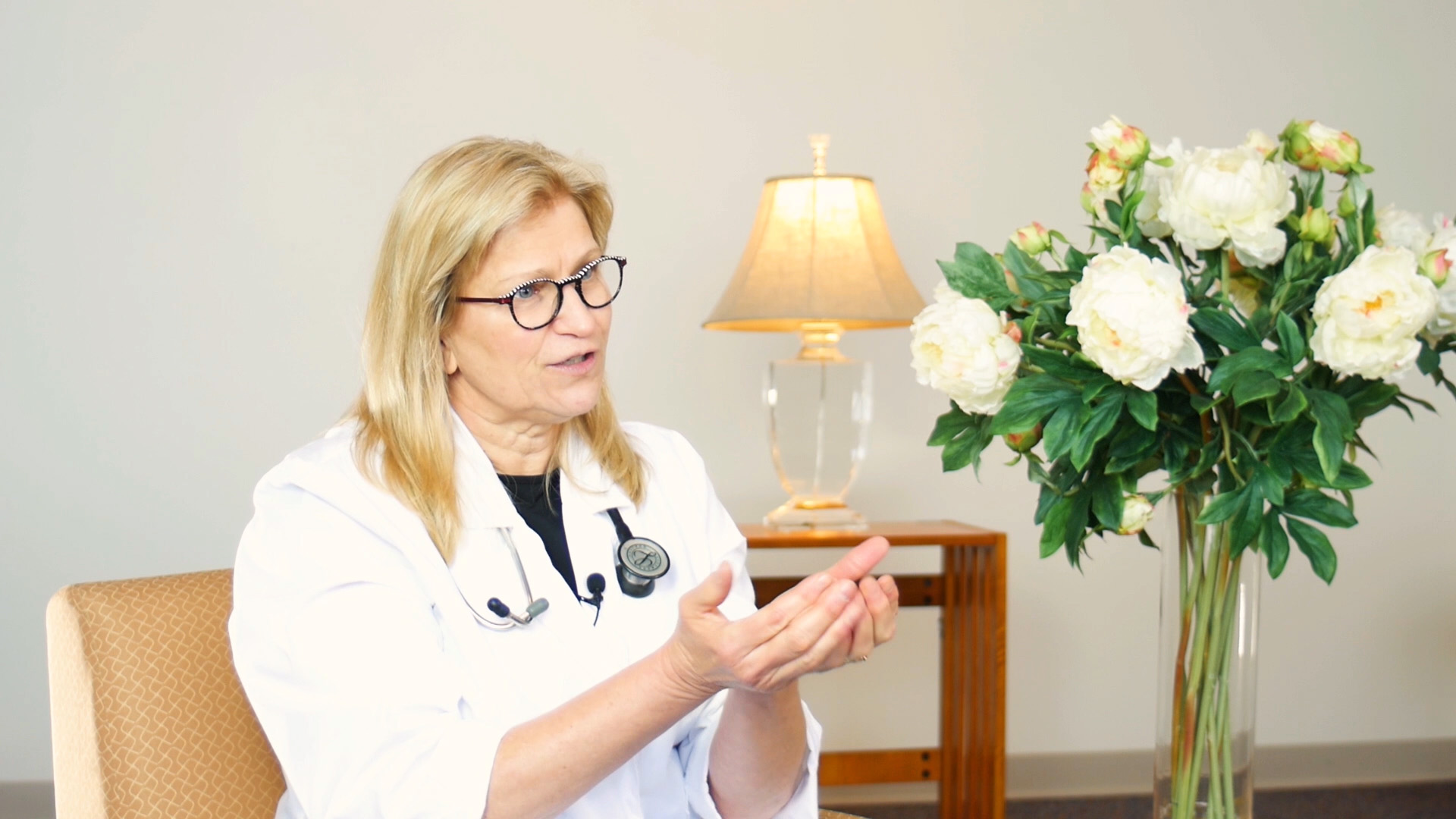
Chris Bessent, DVM, MSOM, Dipl. OM, L.Ac. has thirty four years of experience in veterinary medicine including certificates in veterinary acupuncture, veterinary chiropractic, and veterinary Chinese herbology and is a diplomat in Oriental Medicine for humans. Imbued with Eastern philosophy and the knowledge that food is the foundation of health, Dr. Bessent also received her degree in nutrition and formulated recipes from nothing but whole foods. Currently, she divides her time between The Simple Food Project, Herbsmith, and Medicus Veterinary Diets, a manufacturer of innovative herbal and whole food solutions to provide a personalized approach to health for dogs and cats. All are owned and operated out of her facilities in southeastern Wisconsin