
 Apple Podcasts

 Spotify

 Castro

 RSS Feed

 Goodpods

 YouTube

 iHeartRadio
181. 10 Senior Dog Care Tips Every Pet Parent Must Know with Sean Zyer from EarthBuddy

Sean from Earth Buddy joins me again, this time to discuss something close to both of our hearts . . . SENIOR dog care tips!
I love puppies! They're the cutest little floppy things . . . but the old dogs have my heart. Caring for a senior dog takes a little extra love, time, and patience, and Sean joins me this week with some tips he's learned along the way!
🐶 🐱 Nutrition & Holistic Health Consults: https://jessicalfisher.com/product-category/holistic-pet-health-nutrition/
💜 Follow Jessica on Instagram https://www.instagram.com/thepetparentingreset/
📩 Get email notifications for new episodes:
https://jessicalfisher.kartra.com/page/tpprnotify
0:01 Welcome back pet parent. Today we are talking about senior dogs and this is something that is so special to me and I found out it's very special to my guest as well. I have always had a soft spot in my heart for senior dogs and cats and anytime I've ever adopted an animal it has been usually an older animal. Kim, my dog, was probably one of the youngest animals I've ever adopted at 2 1/2. I'm just such a sucker for the seniors. I hate so much the idea of a senior animal, any animal, but like especially a senior animal being in a shelter or a foster home where like it's, it's like this transition period for them.
0:42 And that should not be the case, especially for an animal that's coming up on the end of their life. And there's so much that we can do. I think so much of what we can do for our seniors is something that or our thing is that we probably should be doing throughout their life, but it just becomes so much more apparent as they reach their senior years. So without any then too much for ado, my guest today is Sean Zyer with Earth Buddy Pet. He's definitely been on the show before, so I'm sure you're going to recognize his voice. But Sean, thank you so much for being back with us and for agreeing to talk about senior dogs today.
1:23 Thank you for having me and Amen to what you said. I agree with all of it. Yeah, I just have. I don't know what it is like. I love puppies. I love kittens. They're amazing. They're wonderful. They're adorable. I want to be surrounded by them all the time. But it's the senior animals that like, really, really have my heart. I just maybe there's something in me that's like, I don't want to be alone when I'm old, so I don't want them to be in their old. I don't know. But I also realized as I was preparing for today's episode that more than half of my clients are senior animals, like 10 and up. In fact, a couple of dogs that I just recently onboarded are like 14-16, like they're, they're older and they're, they have so many issues. And of course, I can't help but think, and I don't convey this because I never want anybody to feel bad about decisions they made in the past when you don't know, you don't know. But like I can always say, I always think like, man, we could have intervened so much earlier in this animal's life, right? So this talk really isn't just about like only if you have a senior animal.
2:32 There's so many things we can do preparing our dog to live a very healthy, comfortable life and in their senior years, but then also once they get to their senior years, there are some things that we can do in addition to kind of help them, help them out a little bit. So where does your love of senior animals come from? Oh gosh, it's, it's very broad and it's very, it's very close to my heart. And so before I can kind of tell you the, the back story, I think adopting a senior dog is one of the most noble, but also one of the most challenging things you can do as a pet parent.
3:12 And I and I think people that have the right circumstance and the right attitude and the right, you know, kind of set up for a senior animal, it's by far one of the most rewarding and noble things you can do as a pet parent. That kind of leads me to like where my love of senior dogs has always been a challenge for me because in starting Earth Buddy in 2016, you know, I saw so many older pets and, and pet parents kind of in a couple different situations where they're throwing up their hands. They've tried everything, you know, medically and there's only so much money.
3:55 You have a lot of times for these senior dogs that you start looking for these natural alternatives and, and modalities. And I think that's great, but it's also really hard and there's a lot of mistakes that you can make, which I have made myself. And then the other side is like really just having a dog that I started the company for. And Kiva and I, I talk about Kiva on every interview and every podcast I could possibly do because she is such a model for how well they'll teach us. And, you know, of course I love talking about products and stuff, but you know, they teach us about patients, They teach us about being being kind to others and just having that ability to, you know, work with someone who isn't quite what they used to be. And they're such individuals.
4:50 And a lot of times things arise as they age. And what I say all the time, kind of just from a giving them product standpoint is they age much faster than us. And they go through a lot of the same issues that we do, whether it's cognitive decline or joint issues or, you know, trauma that, you know, we've been holding in for so long. Dogs especially and cats especially are so stoic. They can hold things in for so long and then all of a sudden they're stressed about little things and reactive to certain things as they get old. So there's so much we can talk about when it comes to senior dogs, specifically my love for senior dogs. So I'd like to start with Kiva because she was a drug resistant epileptic dog that was, you know, I adopted her from a family member at 13 and she was on really high doses of phenobarbital and it wasn't controlling her cluster seizures and she wasn't eating also because of that. And she was pretty emaciated.
5:56 And, you know, unfortunately the parents that I got her from there wasn't nothing against them, but they just didn't know any better. And they were feeding her like gas station kibble and it just, you know, the quality of life situation and me bringing her in was really about just, hey, I'm in the pet industry. I've worked for pet foods. I can at least give her some good food. And I know some people in the cannabis industry and maybe we can try that out and see if it just gives her some comfort. And you know, what we found was we can make a really good treat and that she'll actually eat it. And then that actually stimulated her appetite further to eat more good foods. And the whole process of managing her issues with that allowed us to keep her around another year and a half.
6:41 And through that process. Holy cow, you know, you, you want to throw the kitchen sink at these older dogs when they, when they really start going downhill. And you know, if I could say anything today, almost 10 years later, going into earth, buddy, is go slow with these old dogs. They are slow in these old pets and don't feel like just because they're old, you have to do all the things you have to do all the medicine, all the supplements, all the different foods. I think it's important to note that just going slow and, and really trying to see what works, one thing at a time and not trying to just throw the kitchen sink at them, I think is the best way to kind of handle these older dogs. But I am such a big fan of people adopting older dogs. I think they're the least adopted or older dogs and cats. I don't want to limit the cats.
7:31 I think cats and dogs that are in their senior ages are like the least adopted pets. And if people have the means and the ability to do so, gosh, I hope they can. I hope they can because those pets so often, you know, end up passing in the, in the facilities or at the at the places where, you know, the adoption centers and fosters. That's the word I was looking for. And, and it's such a tough thing because it puts strain on the fosters because they don't always have the biggest funding situation either. So there's a lot of parts that we can connect to and I and I kind of ramble down about all of them. So I'm happy and any of them that you want. Well, one of the things that really stood out that you just said, and I think this is something that my dog Kim is teaching me now, she just kind of hit her senior year. She just turned 11.
8:26 So for a smaller dog, it's like she's at that beginning stages of of hitting, hitting her senior years. She has definitely been teaching me to slow down and not throw everything at her. She will absolutely not eat if I put too much in her food. And not even, it doesn't even have to be supplements. It can be like added foods like adding veggies and adding mushroom broth and add, you know, like all the things that I want to add to her food. She's like, no, you're putting, you're putting way too much on me. I don't want that. Yes. Because I am really big into doing as much with food as I can before supplementing.
9:08 I mean she does get a full spectrum hemp everyday. But other than that, like as far as supplements go, it's it's mostly food for for her and she just is like no, not doing. She not only will not eat but then like she doesn't want to eat for days and weeks after even if I take the stuff out of her food. So she's definitely teaching me that I think that it's like you can have the best intentions in the world and everything that you're trying to do be like normal, natural and wonderful and could be so beneficial. But you have really have to take that animal that's sitting in front of you into account and like go with their pace and do what they're willing to do. Because I mean you, you want them to eat before anything else.
9:53 Like don't ruin, don't ruin the enjoyment of their food. This. Is something I'm learning with my dog, but with so with senior animals. One of The thing is that you mentioned and and that I was thinking about coming into this is they do slow down. They do they they don't produce the digestive enzymes they used to their joints can get achy. They can have that change in cognitive abilities. There's a lot that could be going on in a just in a normal average healthy, there wasn't anything else going on. There are no other like disease processes that we're concerned about, but just in the normal process of aging. And then we can Add all of these like a chronic illnesses on top of that, that of course, we know sadly the majority of of dogs and cats are suffering with.
10:43 So what are some of the things that you like to do to maybe prepare going into the senior years? OK, so yeah, I, I, I kind of had a hunch that you were going to ask me something along these lines. And one of the main things that I've learned not only from my own pets, but just so many of our colleagues in the veterinary world is number one, first and foremost, is keeping their weight down. They should be at a healthy weight and they should get regular exercise. That's the easiest thing we can do. And surprise surprise, that applies to us too. I think managing your pets weight early on is the best way we can avoid a lot of these severe health issues.
11:31 And even if they do come about as they're getting into their senior phase, it's a lot easier to manage if you don't add this obesity to that animal. So if you know, whatever the issue is, whether it's joint issues and more severe immune issues like cancer or you know, neurological issues, whether it's cognitive decline or seizures, if you add the fact that they're overweight, well, now all those things get exacerbated and you're, you're dealing with a really uphill battle. So the first and foremost, keep their weight down, get them regular exercise, try to work on their calorie intake versus their expenditure.
12:12 And, and these are all basic things that we all know, but we don't realize. And, and one thing I just want to point out is, you know, one thing I noticed with, with dogs that I've had for the majority of their life, you know, I've, I adopt all my dogs too, is that they're still young and they're still puppies until they aren't. And then all of a sudden it's like one day, my gosh, you got old. And, and we forget that they are aging, but they're so especially if we kept him healthy. Like, you know, my, my other dog that I had simultaneously with Kiva, his name was Tito. He was 12 when we found out, found a lump on his thyroid.
12:52 And from the time I found that lump and from the time it was diagnosed as cancerous, God, he aged so fast, like within like six months and just everything kind of really went towards the bad side and it was devastating. And, you know, he was a relatively healthy dog. I kept his weight really good. But for whatever reason, you know, just like us, it's like sometimes pets get that get the lumps and bumps and and we find these cancers and and, you know, I think it's important to at minimum start with the weight. Some other things too is I think it's really I'm not even talking about product yet.
13:33 And we can we'll get to products, but I think these are like really easy things that I wish I would have done with prior dogs and pets in general. That would have been so much easier on my saying goodbye portion of their lives that just really like still irk me today about myself. But as we know there are they're such good teachers is create a veterinary team and diagnostic testing path that is going to give you consistent info and keep you in real time. Update updated status of like know what their blood levels look like. Understand kind of what you know you can work on as they're younger and then have that process kind of dialed. So when you do start to see things, you can retest blood and kind of know where to adjust.
14:23 I think when I say veterinary team, I say, you know, a lot of times we have our primary care physician and then that's the only time we go to the doctor. Same with our vets. I think vets have a huge toolbox and they have a huge undertaking as veterinarians and they see all different species. So they have a huge undertaking in terms of specialties and what they're good at. And I think finding at least three or four, maybe even adding a vet tech in there that does touch therapy, like massage therapy or acupuncture or some of these soft tissue therapies. But having a couple different options for your pets would be such a good starting point, especially as they get older. So then you know, OK, we can, we can ramp up cold laser or whatever The thing is, but I don't have to go to the primary care person for that stuff.
15:18 And you can start, you know, adding in these different treatments that will really help that pet kind of thrive in those senior years. So I hope that kind of starts where we're going. Yeah, well, you said so many, so many things. Definitely building a A-Team, a care team for your animal is something I talk about a lot because I do. As as amazing as our veterinarians are, I think we over utilize them. We, we asked them to do so much more than they are trained to do, than they should have to do. And that that's on us. We as pet parents really need to step up and be the, the head of our pets care team and to create that care team with multiple individuals, including your, you know, indie pet store, because they have some amazing that they're, they're an amazing resource. They're like, they're like the receptionist of the healthy pet worker groomers.
16:17 You're veterinarian. Maybe you have a holistic veterinarian that you do telemedicine with, like they're specialty veterinarians. I'm a nutritionist. Maybe like there's a lot that you can fill that team with depending on what your pets needs actually are. And you also touched on something about kind of when you were talking about it was Tito, right, how he declined so quickly once you found that he had that cancerous growth on his thyroid. And as sad as that is, and I'm obviously sadder for you, you lived it. That is one of the things that I think is so important to talk about when, when we're discussing senior animals is that we want them to have the longest possible health span or they are living their lives to the fullest up until the end.
17:11 And then it's kind of a quick like, OK, I guess this is it now. And that decline should be like the absolute quickest, shortest period of their life. But in reality, with so many animals, their health span is so short and we just don't realize it. I think, I think it's just so prevalent that we just don't realize it how how much they actually suffer. I, I know when I look at like, I live much like you, I'm sure with my dog and my cats who are, I mean, my cats are 16 and they have their issues. They live the first like almost half of their life being raised very conventionally with kibble and all of the pharmaceuticals and everything.
17:53 So I definitely have the effects of that that I'm dealing with with my cats right now. But I feel lucky that I still have them and they're relatively healthy at 16 years old. But I'm looking at, you know, my dog who's like, amazingly healthy to the point where we're out on walks and people will come up and be like, how old is she? And I'll be like, you know, she just turned 11. They're like, no way. Like she doesn't look like it. She doesn't act like it. Her energy level is amazing. And so to like, hear or see from people, even like people in my family, they're animals. I'm like, how, how are you not noticing? I don't even live with this animal. And I noticed that their their quality of life is nowhere near where like I would want it to.
18:39 It's amazing to me. But I guess we just are kind of like blind to it because it's so prevalent. I think to that point, I think another thing just from my standpoint is I think, you know, regular blood testing is baseline. That's like a given. But I think what I've really learned through so many pets I've had is that there's other diagnostic testing that we can do and really pinpoint kind of how to figure out their diet and get kind of a better, more clear direction, which undoubtedly will make you observe your dog a little bit more closely to what you were just saying. I think a lot of times, you know, like with Tito, I mean, he, you know, again, my background is in, in pet food. So I worked for major pet food companies and I fed him pet food and his digestion, his coat, everything was always good. So I didn't have any issue with it. And until I did so, you know, I just assumed he was healthy. His poop was always good, his coat looked great. His teeth were relatively good.
19:48 But I didn't do enough testing and I didn't really look under the hood to see what was going on enough that I may have missed something in the years leading up to finding that lung. So what I can say is like. Don't just think because they look good and they're they're still up for walks and they're still, you know, running around like crazy and they still have energy. Everything is perfect. I think it's good just to have a check in with not only diagnostic diagnostic testing, but also one thing I've been really keen on lately is just doing a once over on their body, just kind of feeling around through their joints. You can, especially if you have a well behaved dog and not there's not any issues with them, with you touching them, especially as their owner, you can manipulate their joints and kind of make sure they have full range of motion.
20:37 I think feeling under, you know, like under, you know, their, their legs and, and kind of around the joint capsules and stuff like that and kind of giving them like a free massage for that and they'll love it. I think is really good because sometimes you might, you might poke at something like, Oh, they didn't like that. Why don't they like that? And maybe it gives you insight into how they're sitting regularly that you just thought that's how they sit. So there's so many things that we can take upon ourselves. And I, you know, I'll just mention a couple resources that I like. I like innovate pet labs and for diagnostic testing, I like parsley pet. I'm actually going to go through that here like in the next few weeks with their testing for my, my current dog. But these are all things that I'm now taking the reins and going, Hey, you know, my, my vet is great.
21:23 My veterinary team is great. I have a nutritionist, I have, I have touch therapy that I can work with. And then I'm going to Start learning from one of the vet techs. But that's all pretty expensive. I could take some of this on my own command and, and really start to understand what I can do nutritionally for my dog now. So I, I wish I had this insight with my dogs while I was starting earth buddy, but I just didn't. And we, we kind of just react to those things and I, and I don't want people to have to do that because sometimes your pet is just fine, fine, fine. And then all of a sudden you're like, Oh my gosh, we got to do everything. Yeah, well, I'm, I'm glad you keep bringing up diagnostic testing actually, because I, I just did a real recently about the four tests that I wish every dog parent would do.
22:13 And you said that, you know, blood tests are kind of like a duh, like everybody knows that. But actually, I find that I didn't realize this until I started working like one-on-one with clients. It isn't. It's something that nobody does. And veterinarians, most veterinarians often don't even recommend doing it until there's a problem with an animal. And so actually having a blood panel done earlier on when there's nothing wrong so that you know, it's a good day and your dog is healthy and you have a baseline to actually be able to look back on when something does go wrong. So you're like, well, you know, something here is slightly elevated, but that doesn't seem like a big deal. But then if you look back at the baseline when the animal is healthy and it's actually like jumped up considerably like then you actually know that.
23:07 So the, the basic blood test is definitely just that, you know, full blood panel, CBC, that that kind of thing. Parsley pet or you know, hair tissue mineral analysis is definitely on there for me. I love that you're not only getting like the nutrient absorption, but also that like toxicity levels in the body. I think that both that that's probably one of the most valuable things I think we can do. Of course, I love innovative pet lab microbiome testing and omega-3 testing. So many of our diet, our dogs diets, our cats diets, our diets, we are deficient in Omega threes. And sadly like it's not even easy to get a good quality omega-3. You really have to do your research on that. But that is definitely, maybe we can kind of segue into some supplements because omega-3 supplementation is huge for me throughout a dog's life, you know, they really, really need it as a puppy for building their brain. It's still important throughout their life. But then once they get into their senior years, I think it's like really, really important again for, you know, the anti-inflammatory properties that it has throughout the body. What are some of the other supplements that you really look for in supporting a senior animal? Yeah, I mean, you hit the number one, I think, I think from a supplementation standpoint, Omega threes, EPA and DHA, that's a good starting measure, I would say. And and we don't make a fish oil
24:40 product that's a whole different ball of wax because sourcing is wild in that, you know, just off the top of my head, I I really like Nordic Naturals and. And I know you had a talk with Jonah and, and you know, from from what I've learned from people like him and other veterinarians that I've spoke with, like you really want to look at high EPA and DHA. And for myself too, you know, I make sure I get the highest possible amount. And it seems like from what I can tell, both personally and for pets, they tolerate it really well at pretty high doses, especially senior dogs. And a lot of times they respond really well. I mean, healthy fats in general. I think another kind of 1B to that would be MCT oil. MCT is a tricky topic.
25:27 It's medium chain triglycerides. They're 50%, they're what makes up 50% of what a coconut is. And it's most of the fat sourced from the coconut. And there's, there's, you know, three main forms that we talk about. There's capric, caprylic and lauric acid. You want all three and you want to have a brand that has all three showing on their label. And then obviously we mix that with our CBD. So we make sure that, you know, our supply of MCT has those different fat sources or different medium chain triglycerides. And you know, both fish oil and MCT both have tons of good study data on improving cognitive function, keeping lean muscle mass and, and weight down. There's you can go on and on about the benefits of healthy fats and especially those two, they're super absorbable too. Most pets can tolerate pretty good doses, like even human suggested doses.
26:25 And then secondary to those, and I don't think this gets talked about a lot, but I think it's starting to be a little bit more of a popular topic is glutathione pathways. We can address this a couple different ways. And I think you can do, you know, just from a, a natural food standpoint, there are carciferous vegetables that you can add to your pet's diet from a whole food standpoint to encourage natural glutathione production. And just thinking about again, pets are aging faster than us. And just like us, our glutathione production goes down as we age. And So what glutathione is, is it's the master antioxidant that our bodies make. It's found in every cell in our body and it is the detoxification or antioxidant that is responsible for kind of removing these toxins from our body.
27:14 Same with our pets, especially if they've been, you know, a long term kibble fed dog. Like there's a lot that goes into the, the kibble side of things and, and I'll spare that conversation today, but the reality is, is regardless if it's kibble or not, you know, foods are going to have toxins in them. And they also don't wear shoes. So their feet are touching all kinds of ground. There's toxins in the environment, there's toxins in the air. And they are much more exposed to them because a lot of times they're walking barefoot outside in their paws. And so their paws absorb things. You know, if you live in an apartment complex, most apartments and, and, and you know, communities that have lawn care are spraying heavily with pesticides and herbicides and things like that. So our pets are exposed to all this plus our cleaning supplies at home.
28:07 So that's a whole wormhole. So how do we, how do we kind of fight against that? And I think the best way is addressing the glutathione pathways. And so where that kind of leads me from a supplementation standpoint is we have a liposomal glutathione product that not only provides them with a pretty good dose of an encapsulated form of glutathione to incur to not only help that detoxification process, but also we add amino acids that are the building blocks of this glutathione antioxidant and help their natural production. And primarily where glutathione specifically is produced is in the liver.
28:49 They find the most abundant amounts of glutathione is in the liver. So addressing that through the liver with these different aminos is a great way to keep your pet healthy and young feeling and keep their personality and keep their appetite up for for your circumstance. So it's like that is probably the second thing I would look at is like, one, healthy shots and two, addressing that glutathione pathway. And you could do it with Whole Foods to start if they're relatively healthy. But I think when things are starting to really slow down, whether it's their, you know, I see a lot of pets with the glossed over eyes and they're relatively healthy looking, but that, those eyes, you know, I think one of the vets that we, that we know talks about how like the eyes are the, the pathway to the liver or, you know, there's a, it's a saying like that.
29:41 But you know, a lot of times when these pets get the glaucoma or the glossed over eyes and they start losing their sight. And that's a good indicator of there's some liver issues. So we can address these things with glutathione supplementation. I know vets are now doing intravenous application of glutathione, which is the most optimal way to get glutathione into a pet, especially older pet. However, it is pretty cost prohibitive and it's expensive, including for us. So I think finding a supplement that has a good form of it and a quality form, which is what we make is really one of the best ways you can address that. So and I have a couple other supplements but I I can go on and on about glutathione.
30:24 Yeah. Well, I think glutathione is something that definitely under we, we don't talk about it enough. And maybe that's because people weren't paying a whole lot of attention to it for a very long time. But really quickly, I did want to kind of circle back to the fact that you brought up MCT oil because I, I get a lot of pushback on both fish oil and MCT oil because so many dogs struggle with pancreatitis. And MCT is actually doesn't, the body doesn't process it the same way. So it actually can be very beneficial for dogs with pancreatitis to, to incorporate MCT oil into their diet for all the reasons you mentioned.
31:08 But it doesn't, it doesn't have that same effect. Whereas, you know, these fatty oils can sometimes cause flare ups in a dog that has like, chronic pancreatitis, pancreatitis issues. And so I wanted to kind of throw that in because I know that's that for me at least, that's something I get a lot of pushback with is like, oh, but my doc has pancreatitis. I can't do this. I can't do that. Right? And there's a lot of education that I think we could do a whole episode on on pancreatitis. But yeah, the glutathione, that is something that I only recently, like in the past few years learned about and I did mostly learn about it for supporting the liver, like you said, that's where we find the the like abundance of it in our bodies.
31:53 So that's something that you definitely want to look at for supporting senior dogs. What are some of the other supplements? You said you had a couple other ones. Yeah, I think when we look at older pets, there's there's kind of a couple of different ways when we talk about cannabis. One, I think what I said in the beginning was a lot of times our pets are so stoic their whole life that they might not have been reactive to something. And then out of nowhere, and I as a company that makes CBD products, I'll just say CBD products, but more cannabis extracts. What we hear a lot of times is my dog was totally fine and then out of nowhere this last July 4th or this last rain season, they, they freaked out and something, you know, triggered them.
32:44 And it's like, I believe you, but I also think that that has always been something that bothered them. They're just so stoic at hiding it. And it's so important again, to kind of be more observant of our pets, especially when they're young because sometimes they just show that stress a little bit differently. But as they're older, they're like, you know what, I'm old and I can't hold this in anymore. That freaks me out. I'm bummed out about it. So I think just a really good full spectrum CBD for those dogs that all of a sudden do have, you know, more visible triggers or reactivity to loud noises or big booms where the doorbell, for that matter, or weird relatives coming over for the holidays.
33:28 Think I think it's really important to consider a a full spectrum CBDI. Think also just the added benefit of with us adding the MCTS in there, one as a carrier oil, but two, it's also just a healthy fat and CBD and cannabis pairs well with fat in terms of absorbing and staying in the bloodstream longer. I think they pair really well together and that keeps the brain healthy too. So healthy fats just take all the, the, the benefits of what cannabis and CBD does. I think those healthy fats are going to help, you know, add more fat to their diet that could be healthy. And then on the pancreatitis side, one thing when we hear this is like, of all the things that are going to trigger the pancreatitis, if they keep going into it, it's least likely going to be a cannabis product.
34:21 Because ideally most of our products you're only doing at most per dosage about a milliliter of oil. And there's not enough, you know, volume to really see how that could trigger a pet back into an issue. So I don't see a lot of pet owners that have this issue say, oh, I gave them the, the, the CBD product and then it put them in a, in an issue. However, I did just have a vet today talk about another product that they gave to an animal or a patient gave a different product to an animal and they did have an issue with it. So it's not, it's not like a straight line. However, I don't see it a lot with our products in terms of a pet that has that concern and wants to do that. And often times just from the inflammatory response standpoint, it could be good for that animal in getting those healthy fats.
35:16 Like you said, it's a different pathway and they're they're processed differently and more the concern with with pancreatitis I see a lot of times is, you know, really low quality processed animal fat is, is the basic way to say that again. Now when it comes to cannabis, I just want to jump back into that is not every pet just becomes reactive as they get older. So I think a lot of times and one thing that I noticed with older pets is they don't always need a ton of CBD because it can be a bit sedative. And if an older dog or cat for the most part is sleeping 16 to 18 hours a day, maybe that's not the right formulation of cannabis that they they should be on.
36:01 And so one of the things that we did, you know, in in early 2020 was start looking at different formulations of different extracts that we grow on our farm. And we started looking at cannabinoids like CBG or the raw extract in CBDA in that they are a little bit less sedative. They still will have a calming effect, but they are much less sedative than I've seen with other extracts in CBD. And a lot of times they act on different pathways than just regular CBD, which is really exciting because there's actual data on dogs and cats with these different things coming out and what we can address with them. So for example, you know, as dogs age, regardless if they were healthy weight or not, we find that CBDA acts on the same Cox 2 inhibition that a lot of anti inflammatories do. And so a totally different pathway that we can act on and address from, you know, the typical joint aches and pains and things like that with a CBDA product and not necessarily sedate them as much.
37:11 So another supplement that I'm sure you want to bring up is Mushroom. Yes, yes. What fun guy? Yes. Yeah, it. There's so many. Yeah, and, and I, and I would just say like in first and foremost, just to keep it simple from a whole food standpoint, you know, fish, fish oil and Omega threes and the MC TS I think are like a, just a really easy kind of whole food supplement starting point. But in addition, you know, I, I don't think there's like an order you can try these and you don't have to do them all. I've worked my current dog into pretty much addressing everything we're talking about with with the supplementation, but it did take a long time and it did take, you know, slow, low and slow with the amounts I used in these products. So I, I just want to preface that with mushrooms. I think they are phenomenal option for young pets even. And I think it's a great way to not only give them the prebiotic effect that mushrooms have on the gut, but also just keep their immune system online and engaged. And so if we're waiting till they're young to start dosing all these different mushrooms or single species products, I think we're trying to throw, you know, a lot at a bigger issue. And so I have been really big on, hey, if you have a younger dog that's relatively healthy, it doesn't hurt to start incorporating functional
38:44 mushroom blends into their food and really starting to engage their immune system. So it can be adaptogenic or meaning it doesn't always have to up regulate or down regulate. And mushrooms are really functional in that sense of allowing the body to handle stress accordingly. So whatever that stress is, whether the immune system needs to be up regulated or down regulated, we can really train that immune system to kind of work properly. But when they're older, it's a lot harder to get that, that same response as if, you know, as opposed to when we're giving it to him younger. So I love functional mushrooms for that. I prefer blends because I feel like you're creating a like a Marvel superhero team.
39:30 And you know, you're, you're creating like this team of different compounds. And each mushroom has its own superpowers. And as Doctor Rob says, there's a mushroom for that. When I think about just general health, I like blends just because you're creating this whole entourage effect of different compounds that the mushrooms can provide to really stimulate that immune function. Yeah, well, in it, it can be helpful for companies to put those blends together who who know like how they're going to work together to create them for specific uses because we can obviously learn about individual mushrooms and.
40:11 They all, as you said, have some sort of properties to, to help support the immune system, but then certain ones also have different attributes that help with like, you know, lion's mane for cognitive function or I think it's, I want to say it's Cordyceps for inflammation. You know better than me. Well. I mean, so when it comes to mushrooms is like there's some that are more studied for certain things. However, let's take beta glucans because those are the main things that good mushroom companies usually measure. And so like we third party lab tests are mushrooms for beta glucans because we want to show you that they're actually in there because from a, you know, an immune function standpoint, if a pet has lumps, bumps and you know, there's a concern with, you know, possibly immune deficiency like cancer and things like that, beta glucans have shown to kind of improve that immune function or at least tolerate the traditional treatments that they would go to for like chemotherapy and things like that.
41:19 However, there's other minor compounds that most companies are not testing for and if they do, they're not sharing those. So it's hard to tell what a good product is. We have as of recently started testing for these. But just to kind of touch on, you know, for superpowers is like the beta glucan measure is, is how we, you know, just first and foremost measure what a good mushroom extract looks like. What we found is that Cordyceps, because you mentioned it actually has the highest amount of beta glucans of the species that we're growing. So, you know, when we look at kind of the levels that we want to achieve for a product, we find that, you know, we can probably increase the amount of Cordyceps to increase the amount of beta glucans that we use in our blend. So little things like that, that are very in the weeds, I guess. But the reality is, is like we've looked at every single mushroom that we incorporate, but we don't just leave it to beta glucans.
42:20 We like to speak beyond beta glucans because yes, they have a lot of the data on cancer and research, but if you start getting into these other minor compound compounds and things like terpenoids or you know, in cannabis, we call them terpenes, but in mushrooms we call them terpenoids. Things like in Rishi mushroom, there's, there's a compound called ganodermic acid, which has shown to be really great for histamine function and balancing that histamine response in, in pets especially. I think those kind of things we can kind of go down the road of each mushroom and go, hey, yes, they have these basic benefits that you see in marketing and and studies. But then when you start breaking apart all these different compounds in each mushroom, it becomes so fun for me because I'm like, well, they kind of address a lot of different things.
43:11 And that's why you see in so many herbal remedies and, and different, you know, traditional Chinese medicine, they use Rishi mushroom in so many different things. Because what we know right now is I think Rishi mushroom has 800 LB pounds just in one mushroom that they found. And like, it's probably still counting. So each mushroom is going to continue to evolve in what we understand about it. And I think that's the beauty of having a blend is like, hey, we're going to throw this blend that we've come up with just based on the research, but also just all these individual compounds that we know are in there and can say, hey, this is just going to really balance your pets immune function, their histamine response and allow them to tolerate those kind of age-related issues that they encounter as they become senior seniors a little bit better.
44:06 And so just as a baseline, I think it's so important that we incorporate mushrooms into our pets diet and just from like a digestive standpoint, I think we can get a lot of benefit on. Them Yeah. Well, and I wanted to also bring up, and this is, I mean, it is anecdotal, but I think we know this of, of lion's mane because in talking about senior dogs, we have throughout this whole episode talked about cognitive health and cognitive decline. And someone I think we both know, I'm pretty sure we both know her, she has senior dogs and one of them this year was suffering very, very badly with sundowners and to the point where she was like, it's been weeks and I'm, I haven't slept and what am I?
44:47 So she was doing all the things and ended up finding somebody local in her farmers market growing lion's mane. And she has been making a lion's mane tea and then taking the actual mushroom and incorporating that into the diet. So she's doing the tea and then using them as a functional food as well and has seen huge improvements in the sundowners. And so the cognitive benefits of of something like a lion's mane is I just think is especially important for our senior dog. No, I, I love lion's mane. I think a couple things to lion's mane superpowers is, you know, we, we always kind of look to the cognitive benefits of Lion's mane and you know, most of the data is around the mycelial extracts and the erinacines and there's a couple other compounds in the mycelium that they find most abundant.
45:44 So you know, the fruit body is obviously really great, but I think there's like 2 parts of mushrooms. There's the actual mushroom fruiting body and then there's the mycelia, which is like the roots of a plant. They both have different compounds from 1:00 to the other. And that's what we're really starting to find. And one thing I found with lion's mane is that it also has a significant calming effect. And also, you know, probably more importantly is it has a real positive benefit on digestive health. And I think just to, you know, again, anecdotally, but like just hearing that story, it's like maybe they're calming the digestive issues down too, calming that pet's tummy.
46:27 And then they're able to get more restful sleep and kind of just relax. Yeah. Oh, I, I think, you know, that's, that's great. And I like, you know, experimenting with single species, I'm just more of like a, a dosage person and I want to know like exactly how much of the stuff I'm getting. And so I love using, you know, teas or even cooking mushrooms. But whatever way you can get it in I'm I'm a big fan of. And then, you know, to the sundowners thing, you know, one thing I think, you know, a combination of the different supplements we've talked about and I didn't mention was, you know, a lot of elderly people and pets, when they start having that sundowners, it's hard to get restful sleep.
47:12 And then they're kind of out of it the next day. And this cycle compounds over time. And one thing that we did was we created a kind of jumping back into cannabis was ACBN product, which a lot of people are using for sleep. And you know, The funny thing is, is like there's not a lot of data to show that it helps with sleep. However, we get some of the best responses with these with these elderly pets. So I think a combo of maybe her lion's mane and incorporating that CBN can really at night time get that pet to rest and start calming down and relaxing and then actually have like a sleep cycle that makes sense to the circadian rhythm.
47:54 Yeah, I think they're there's so much. And again, you know, I can I say this all the time on the podcast, it's putting out this kind of generalized information when when we sit down with an individual animal, like we can be so much more specific and get more like detailed into like this supplement that supplement this, you know, what, what we want for an individual animal based on their own needs. Of course, you know, this wasn't the time or place to talk about nutrition because we talk about that so much that it's like. But I did want to also just mention to anybody listening who happens to be also used utilizing pharmaceuticals that like there's no shame and that I know that a lot of times we we need to resort to whatever we have available to us to get the best out of our dog or cat that we can.
48:52 Hopefully when we do that, we're shooting for something short term to get us through. But one of the things that I did want to mention a pharmaceutical that has become very, very popular lately in the veterinary community that I did a by the time this podcast comes out, I did a solo episode on this that I really want you guys to go back and listen to because there was way too much to talk about here is Labrela for dogs and Silencia for cats. And it is specifically designed, I think most often is being used in senior animals because it's being marketed for arthritis and, and you know, joint pain and arthritic pain. And there's so much more that Sean has already talked about that we can be doing to support our pets through whatever issues they're having with that kind of joint pain or arthritis creeping up.
49:47 That the negative effects that we're seeing in dogs and cats that are getting Labrela and Silencia are so dramatic that more often than not, it actually leads to, you know, early euthanasia because it's, it's so bad. And that's never like I feel myself tearing up because that's never something that we want to see in an animal when it could have been prevented. And very sadly, so many veterinarians just don't make the connection because they're being told by their pharmaceutical reps that they're promising that this this drug has absolutely no side effects. And that's just the sad state of the world we live in. So I wanted to kind of throw that in and say, please go back and listen to that episode if you haven't because it directly effects a lot of senior pets and I don't know if you've done any research into that particular pharmaceutical.
50:39 Yeah, I and and and I've seen kind of the news coming out about it and it's really, it's really, it sucks. I don't know enough about it and I haven't looked at kind of the pathways and I haven't talked to enough that's on both the holistic and traditional side. But you know, just kind of seconding what you said about just drugs in general is I'm not anti pharmaceuticals. I think our medicine pathway is, is great. And the way they create drugs, you know, a lot of times they work the side effects. That's a different conversation like you said.
51:19 But one thing I will say is, you know, another common thing is I see with allergies specifically, I see Cytopoint, Napaquil being prescribed pretty regularly. Now, I know that there are some side effects and there's some horrendous stories out there when you Google it. However, if you have a pet that's hurting themselves, like literally mutilating themselves, scratching to death, you know, ripping skin off, that kind of thing, I understand why pet parents make those decisions. However, what I'll say is cannabis and mushrooms are super pharmacodynamic is what I call them. And one thing I really like about mushrooms, specifically with an allergy pet, is if you are taking an immunosuppressant, having a pet that's on a mushroom product may help encourage your immune system to stay online a little bit better.
52:10 Because so often we see them have to go or resort to these drugs and their immune system just basically shuts off, leaving them exposed to all kinds of different issues. So sometimes incorporating both these natural alternatives with some of these pharmaceuticals might be the best case and might allow them to maybe wean off that pharmaceutical long term. So I, I don't think they're a replacement for the, the pharmaceutical because sometimes it just has to be incorporated. But I, I think there's a huge opportunity in a lot of cases that we can incorporate some of these natural remedies and not have to use them and not rely on the pharmaceutical as much.
52:53 So I don't like saying, hey, use this instead of that. That's not what I'm trying to say. I think there's just a, a benefit to looking at more of an integrative approach for both modalities and, and I think that's a healthier way. But I haven't looked into the to the pharmaceutical that you speak of as much, but I do, I do see that the side effects are becoming more prevalent in the news and and pet pet owners are not happy. I don't want to, I don't want to just sit here and say, Hey, there's like a million other things you can do. But a lot of times there are other ways that we can address it beforehand before you even get to that point where this is the only option. And that's what I what I hate to see, especially with like some of those pharmaceuticals I mentioned. Yeah, well, most of my clients are have been on Epoquel and or Cytopoint and it I totally agree. I tell every single one of them that if you need to use it short term then that's what we need to do. The goal is not to use it long term because I, I there I have a meeting with a new client scheduled in just a couple of days.
54:04 And both of her dogs have been on Apoquel for most of their lives. And now they both have cancer, different cancers. And it's just, it's devastating because it could, it could have been prevented, but we're we have to, when we use pharmaceuticals to cover up and mask the symptoms, we also at the same time have to address the root cause of why those symptoms were happening in the first place. Yeah. And and exactly to your point, I think this is where the the biggest, you know, lever that we can pull is nutrition. But if they are on that thing for an extended period of time, that drug for an extended period of time, they're not even getting the full benefits of their nutrition and even it's the best food ever and it's the perfect diet for them.
54:53 This is where supplements might be a good option to kind of incorporate that might kind of push them over the hump of maybe absorbing nutrients better or keeping their immune system online a little bit better. So I I think this is the one case where I'm like, hey, that is like a great opportunity to incorporate a supplement that might actually help that that pharmaceutical or that pet owner not rely on that pharmaceutical as much or ultimately be able to wean off eventually. Because living in a pharmaceutical just to be alive is not optimal. And that's really what, you know, the kind of what we talked about today is optimizing, you know, your pet's life from, you know, you said health span.
55:34 I want to optimize a pet's life from the beginning to the end. So. Yeah. Well, and to take that and kind of go back, you said you know these and they do a lot of pharmaceuticals do inhibit especially long term use, inhibit a lot of different nutrient absorptions. So circling back around to the beginning, talking about the hair tissue mineral analysis, testing, letting us know if there are issues with nutrient absorption, if there are, whether it's a too little or too much of certain nutrients, they both that in both cases can cause big problems depending on what what that vitamin or mineral is. And so for senior dogs, basically using diagnostics to the, you know, the best of their abilities to get us the information they want and trying to go back through exercise, keeping them lean, keeping them at a healthy weight of nutrition, of course, being very, very important and then targeted supplementation.
56:31 So what did we talk about? We talked about omegas, we talked about cannabis, we talked about mushrooms, glutathione. Did I miss anything? No, those were the top one that we addressed. And and I think just again, just adding to, you know, your knowledge is like our vets say test, don't guess. That's first and foremost. But I think even before we start testing, we can assess, don't guess, you know, don't assume that your dog is healthy because they look, act and feel or, or or you know, are moving around healthy. We can assess a little bit more before we have to go to those testing measures. Yes. And so just to what you said earlier about doing those all over body checks, actually been really bad about that lately. I used to do that with my dog every single night because she sits right next to me on the couch when we're, you know, watching TV, getting ready to go to bed. And I haven't had a whole lot of TV time lately, I'm so busy. And I think that's maybe why.
57:31 But yeah, just, I literally will just kind of do a once over pretty much all over her body. And that really just that alone can give us so much information. It's like, oh, that lump wasn't there before or that lump has grown. Maybe I need to get it checked out. You know, just different things like that and some sensitive spots. I mean, there's so much that we could talk about, right? Acupuncture, acupressure, massage, T touch, Reiki, like all of the things that we could, we could talk about and that can be beneficial for different animals. So yeah, the senior animals are so special and I appreciate you coming on and talking about them. Yeah, I appreciate you having me and and we can talk about so many different things.
58:14 I mean, it's it's sometimes can be overwhelming just like any subject that that you speak about. But I think, you know, just having that ability to observe and possibly journal and and take notes with your pet, I think is a really simple way in freeway honestly, of just, you know, touching them. And we all know how to massage muscles. We all know how to kind of rub them down and you know, the places they like. I think that's a great starting point. And just being more in touch with your dog, other than just the day-to-day functions, is just a healthy way to, you know, improve their quality of life. Awesome, so Earth buddy does provide CBD mushrooms and glutathione and I will put the link in the show notes. But we're what's the it's Earth buddy pet. Yeah, Buddy pet.com at Earth Buddy Pet Online and all the socials and we regularly put out different kinds of guides and different content in our blog just kind of addressing everything we talked about and, you know, assessing how to, you know, look at a supplement for them and, and how to use it. So we try to provide as much information that is actionable and, and you know, realistic to a pet owner's life. So happy to help there.
59:32 Anybody can reach out to us. They'll usually get a response pretty quick when it comes to, you know, specific, individualized situations. I love that and I appreciate all of your knowledge and your time today. Guys, check out Earth Buddy Pet. Thank you so much for your time today, Sean. And yeah, you guys give your pets some extra love from both me and Sean today. Merry Christmas and Happy New Year.
Founder
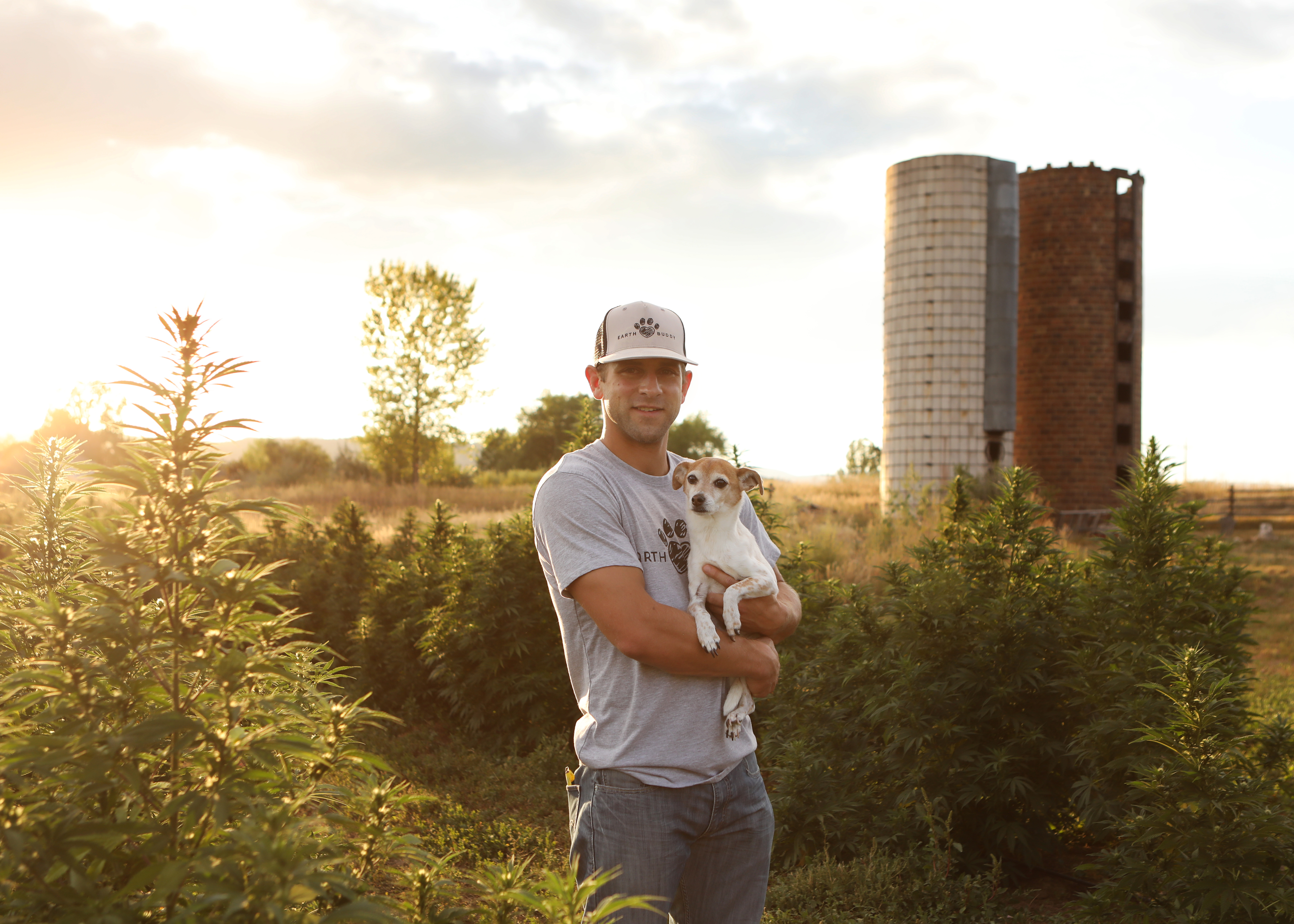
After graduating from University of Northern Colorado, I started in the pet industry with one of the major pet food brands where I quickly learned a lot of science and "nutrition" behind kibble and canned pet food. From there I worked for a national pet distributor and interacted with almost every major pet food, brand, etc. This is where I saw the initial explosion in Colorado of Human & Pet CBD brands. Till this day there is a lot of misinformation and wild marketing around the natural supplement category, and is one of the main reasons I started Earth Buddy. In 2015, I adopted a dog named Keeva and in partnering with our farm, we were able to give to significantly reduce her seizures with natural remedies like cannabis & mushrooms, while taking a more whole food approach with her diet.
For almost 20 years, I have worked and learned from some of the best minds in animal wellness & pet longevity. We actively work with thought leading veterinarians, holistic practitioners, and PhD scientists that specialize in natural remedies for pets & humans. When it comes to pet longevity, our philosophy is to treat each animal individually and holistically, meaning their needs to be a multi-faceted approach.