
 Apple Podcasts

 Spotify

 Castro

 RSS Feed

 Goodpods

 YouTube

 iHeartRadio
184. Why Your Pet Has No Legal Rights: The Shocking Truth About Pet Health & Liability

It's true . . . pets are considered property under the eyes of the law.
What does that translate to for you as a pet parent trying to get the best care for your pet?
Carrie Hyde is the owner of The Spaw in California and also puts on Thriving Pet Expo. If you're seeing this before 2/16/25, and you're in the Tustin, CA area, make sure to go this year and watch Dog Eat Dog, the play to learn even more truths about caring for your pets!
🐶 🐱 Nutrition & Holistic Health Consults: https://jessicalfisher.com/product-category/holistic-pet-health-nutrition/
💜 Follow Jessica on Instagram https://www.instagram.com/thepetparentingreset/
📩 Get email notifications for new episodes:
https://jessicalfisher.kartra.com/page/tpprnotify
0:01 Welcome back pet parent. I cannot believe I finally we've been talking about this forever. I feel like having today's guest on, she is, first of all, I read her bio having already known her and I was like, wait 30 years of experience. You definitely do not look like if you have 30 years of experience in the pet industry. But Carrie Hyde is my guest today. And if you're not familiar with her, you probably have seen the spa SPAW all over social media. She has so much incredible information that she puts out. She is empowering pet parents with knowledge and tools to create long term effective health plans for their furry companion. She is your pet's coach.
0:48 Is it life coach? Yes, pet life coach. Because that how that even started was a client said you're my pet's life coach. And then it just stuck and it's been. That way. Well, I mean, and that's kind of true. That's kind of true how it all works out. And you're also a certified pet nutritionist. It started with the spa. Well, it probably didn't start there, but you've had the spa for a while. You're in Orange County. I like, I'm so jealous. I haven't seen it. One day maybe I'll get to see it. But welcome, Carrie to the pet parenting reset. Thank you so much for being here with us. Yes, you're welcome. So thank you so much for being here with us. I would love to hear just a little bit of your back story and how you got so involved, why you are so passionate.
1:31 Everybody has that story of why they are so passionate about helping pets and their people. I think that the hard part is when I look at the vast number of people like you that have become so passionate about what we do. And like you say, we all have our stories, but the sad part is, is those stories are usually because of something tragic that happened. It's what really drives us. And that's what's really sad to me is that almost everybody that I talked to that is as equally as passionate as you are, as I am, is the rest of our crew is. It's usually a sad story. And so I am no different than that. I was a vet tech for 12 years and I was very inundated in the veterinary world. And I, I, like you mentioned, I've been doing this for a very long time.
2:17 So when I first started in working with animals, flea and tick stuff wasn't even on the market yet. That's how old I am. That's how old I am. And not that I like to correct people, but it's actually 40 years that I have experienced. So I just didn't want anybody to Fact Check that and go flea and tick stuff's been on the market for 35 years and make me look like I don't know what I'm talking about. But when I first came on, you know, in this veterinary world, we didn't have anything. We had to give dogs and cats flea flea baths and we bathed them in something very toxic with pyrethrins in it. And so we had to be really careful because animals will get really sick right after a flea dip. And so then this flea and tick stuff came on the market and it was called Advantage. It's still on the market to this day. Advantage was the first one.
2:59 And then you got Frontline that did flea and tick. And it was the miracle to us because we no longer had to bathe them in this this toxic pyrethrin stuff, right? Of course, now we realize that the stuff we're drenching them with is equally, if not worse toxicity because at least with the bathing with the pyrethrins, we were rinsing it off. And so it wasn't something that just stayed in the blood system and left waiting for something to bite it. And so unfortunately, you know, I used it and I believed in it and I sold it. And I have so many regrets to that to this day. And my own dog died from using it. And that was a, a wake up call for me. She was constantly having seizures and we couldn't figure it out.
3:39 And back then, nobody knew, you know what? And I was so young and so naive and I just kept putting it on her. And, and because of my my connections through the veterinary world, she had her charts taken all the way up to UC Davis to try to figure out what these were causing these seizures. So when I tell you this dog had seen several vets, I don't mean one or two. Her chart had been either she or her chart had been seen by at least 50, 19 to 20 veterinarians and not one veterinarian said, are you giving her anything medication wise or putting any kind of anything? It was never brought up. And so after Tootsie died, it was kind of a wake up call for me to start looking into things.
4:22 And right around then I decided that this may not be the path that I want to be on. And I kind of think I was already leaning that way because I had noticed with the patients that were coming in, it was, it was constant, like an ear infection was always treated the same way. And then the ear infection would come back and then they would be back in six weeks and they would have another ear infection. And then we would give them something else and another steroid and another this and another that. And you know, as I was getting older, 12 years of that, I was like, oh, here comes Daisy to Copper with their ear infection. And we just kept going and going and then her prescription diets and it was the same. It was so even though I was too young to really understand the toxicity of it, it was boring also because nothing changed. And at the time, I was in school and my plan was to become a veterinarian.
5:10 And so I was in college and that was my goal. And I got on the speech and debate team and just to get through college. And then I became really in love with that and I started coaching debate at Mount San Antonio College for a little bit. And I changed my whole career path to becoming what's called a DOF, which is the director of forensics, which is debate. But in order to pay for school, I decided to leave the veterinary field and open a little grooming shop and learn how to groom dogs. And so that's what I did it. I became, I really fell in love with the, the freedom to learn on my own, to help my clients on their own and really take their pets under my wing and my watchful eye. And I knew I was going to see them more than their vets. And so I had a little ear there, you know, even though most of the time, as I know, you know, people constantly would say to me, well, you're not a vet.
6:02 My vet said this. And so I don't ever play veterinarian. But I don't think just because somebody's not a veterinarian that their voice isn't important and that their life experiences and the things that they've gone through isn't important. And so I just, I had to fight that for a long time less now, which is really good, less now. I think people finally realize, Oh, she might know something, you know, so that's helpful. And then gaining, you know, you then you start to gain the respect of veterinarians when they start seeing, oh, she might be on to something. And skin is my favorite thing. And so I deal with a lot of yeast and ear infections and skin problems. But but some of the stuff that is going on has led me into being more of and we can talk about this has led me to be more of an advocate for change because I can talk and talk and we can all talk and we can all say this and we can all tell try to educate pet parents as we go. And not that that's not necessary, but if we don't have real legislation and change, it keeps going. And so that's.
7:03 Where we are, we are interestingly, I, I was talking to somebody recently and I don't even remember who I was talking to, but I was like, yeah, you know, I'm so excited for the possibilities of fixing our food system and, you know, getting big pharma in check at least. And as excited as I am for all of that, I'm also kind of dreading the idea that pet industry may actually get worse if it's not being addressed at the same time. Like if we are solely focusing on the human part. And, you know, these companies, they still want to make their profit that they're making.
7:45 So what are they going to do? They're probably going to still be making all the same junk they're making now and put in the pet products because they can get away with it. Right. So like, it's, it's definitely bigger than me, but on my mind a lot for sure. Yeah. Yeah. So, yeah. But one of the other things that I thought of when you were talking earlier about how it's always something so tragic. Sadly, I feel like it is that kind of leads us down these roads. I saw something on Instagram the other day and gosh, it was so true. And it, it, it just basically said how interesting it is that people go from like it was talking about humans, of course, but people go from, you know, an allopathic world into a holistic world all the time.
8:36 And you never see anybody go the other way, right? Like it's just, it doesn't happen. Like we can have an appreciation for the miracles of science and medicine and use it as needed for emergency, but like it just doesn't go the other way. And I think that's something so many people miss, like they're, they have tunnel vision and not seeing that big picture of like so many people are moving away from the sick care system and, you know, into caring for themselves in a more holistic way, in a more natural way. And I think that's that's happening with pets as well, which is amazing. Well, I think too sometimes people don't even realize that they are ready are using holistic, holistic things like I love to use the example of Willow bark because that's how aspirin is made.
9:25 So you're already doing it. You just don't really understand it as much because the pharmaceutical companies have managed to kind of trick us into calling it Bayer aspirin instead of Willow bark, which is how it all started. And that's how Bayer got their start. So and Willow bark is from from the Willow tree. And so it's something that we already kind of naturally did way back, you know, the Indians and stuff. So, but to your point about people don't go back, I will say this, this is just my personal journey. I went so far down the rabbit hole of holistic stuff because of the death of my dog. And I was angry. I was so angry at the pharmaceutical companies that there was a thank God it was a brief time because I think it can be very dangerous to get too far away from.
10:12 I don't want to call it away from reality because I don't want, but I got I was so anti everything. I was like starting to find myself in this situation where I was like, no, if it's a drug, I'm not like a can't. And so I had to pull myself back a little, a little bit like like I just had to be. And I'll give you this example. I don't know, you know, I hate to call people out, but this one was so bad. But I don't go in Facebook groups really much anymore because it was too stressful for me. But there was this Facebook group for a while and the, the, the person, and I hope I'm not gonna whatever, whatever, I'm just gonna do it. He was suggesting that you give animals for everything rutabaga.
10:52 So like if they got hit by a car and they had a broken leg, they needed to eat rutabaga. If they had seizures, they needed rutabaga. If they had a heart problem, they needed rutabaga. Like every answer was rutabaga. And I was like, you see? This. Is dangerous information because we can get too far. So I think so long as people really, you know, learn from the the stuff that's out there and heed the warnings of just going straight to the pharmaceutical. To your point, people aren't going to try something natural and then go, Oh my God, that killed my dog. I have to go back to using this. That's that's never going to happen.
11:33 Yeah, when you think of homeopathy, how safe homeopathy is, like it's so safe. So yeah, yeah, it's just scary. Well, and it's funny you bring up Facebook groups because I had decided at the beginning of the year that I was like, OK, I think I'm just going to be done with Facebook because it's such an, for me, it's just been such a negative experience lately. Yeah. And I'm like, I just need to remove this from my life. And I was kind of like checking it maybe once a week or so. And then I saw people posting about this Facebook group that was literally telling people, like, if your dog has cancer, you need to feed them nothing but fruit. I'm like, what? And that was it for me. I was like, I'm done.
12:14 I'm out. It was too stressful for me. I would lose sleep at night because then I would try to like, give an answer and then whoever left the question would never respond to me. And then I would think about them for three days. I'm like, I hope that dog is OK. And I'm not getting responses. And I'm like, Oh my God, no, don't do that, you know? And so I finally, I still go on Facebook, but I have my Facebook page and I just post up there and anybody who's there, but I don't go in the groups anymore because even my husband was like, you need to stop. I need. Yeah, it's it's hard. So, OK, knowing that you went way far in One Direction and you had to kind of pull yourself back a little bit, I am very interested to learn about how you set up the SPA.
13:01 So tell me a bit about that. I was by accident, sort of like kind of, you know, because I, I was in school full time. I had a plan of what I was going to do. I think God had a bigger plan for me and it was always there. I just was trying to deter from it. I don't know why, but I don't know, you know, have you heard you know who Doctor Jean Dodds is right. OK. So when I was in college, I had to do this the speech and I wanted to do it on the need for dog blood. And Doctor Jean Dodds runs a place called Hemopet where they do all of the blood for blood donations. And so I it was always there. There was always this push for me to be in the holistic community. And so when I was doing that speech back in college, I found her first time I ever heard of her. It was before I was super holistic. I made a phone call to her.
13:51 She answered the phone and I was like, why? I was like 24. I speak with doctor, this is she and I was like, like, didn't know what to do right. And so I ended up speaking to her for a long time. So it's really interesting when I think like how I set up the spa was not with the intent to have a business. It was an intent to be a director of forensics and pay for college. So it was kind of like this little tiny. I subleased it from my father-in-law. That's Nellie Olsen, and if you guys ever watch, if you ever watch Little House on the Prairie, look up who Nellie Olsen is, and she is that character. So I'll just tell you.
14:31 Cat behind you. Prairie next name. Is Nellie Olsen, and she's named that for a reason. So look up Nellie Olsen from the Little House on the Prairie, which was my favorite show when I was a little bit anyway, so I subleased a little place from my father-in-law. He had this big building in a industrial park and I subleased it from him. And I was in school so much that I actually had an answering machine. This is before any of this stuff existed. Yelp like you had no so the answering machine said, hi, my name is Carrie and I'm a full tone student. And if you'd like to schedule an appointment with me to get your dog groom, leave me a message and I'll call you when I'm off of school, you know, and people would call. And so I had this little room and I remember this lady brought in her dog and then she was late picking up her dog.
15:15 And I was like, now what am I going to do? Because I don't have all the cages like most places had because I just had this little space. So I put her little dog on the floor and he ran around with me. And then another lady came in and then I put the two of them together. Both clients said it was OK and they played. And I'm like, why are we doing grooming in cages and stuff? Why can't we let them be free run and they're happier? And so that really that moment sparked my belief, my journey of a holistic energy type grooming store, like like I didn't want it to be the typical stick them in a cage, hurry them up. And so watching that happen and watching those two dogs enjoy the experience from a different level was another journey, beginning of a journey for me.
15:59 And so I became the first doggy daycare in Orange County. They didn't even exist. That's how old I am. There was no thing like doggy daycare did not exist. And so it became really like people were like, Oh my gosh, my dog. It used to be that dogs would go to the grooming shop and they would do it where they would drop them off from 8:00 to 10:00 in the morning. So if you if that groomer was going to do 15 to 20 dogs that day, all 15 to 20 of them, that would get dropped off between 8:00 and 10:00. Some places still do it this way. I wouldn't advise it, but so all dogs would get dropped off from 8:00 to 10:00 and then they would get all stuck in the cages. And then after the groomer was done checking everybody in, then she would go to the first dog and then she would bathe him and then she would take him and put him back in the kennel, put a cage dryer on him. And then she would go down the line. And so your dog that got there at 8:00 may not even start to get groomed until 1:00 in the afternoon. And all the dogs would be cage dried. So they would all sit there all day long with each other barking and the stress.
17:01 And so that was kind of, I was like, why do we do it that way? Seems stupid. And so it grew from there. And then I started, I had a client that, you know, I learned. So they learned a lot from me, but I have learned so much. I had this client who had these two papillons. Now remember, I'm coming from the vet world and even though I'm trying to be more holistic because my dog now has died, I am still indoctrinated about a lot of stuff. And one of those things was food. I'm still, even though I don't like the medicines and stuff like that, I'm like anti. But I'm still believing that Hills is the end all end. All right, right. So I have this client come to me and she has a little papi on. She had two of them and they had the best coats I have ever seen on dogs and they were older dogs and they were energetic and they had all the stuff.
17:53 And I'm sure from the man above made me say this to her. I said what do you feed them? Which was weird because I never asked that questions back then. So I said what do you feed them? And she said she must have been, she was probably 75 at the time. And she says, dear, if I told you you'd be mad, Do you ever forget her saying that to me, dear, if I told you, you'd be so mad. And I said, no, I'm, I'm going to be mad. Tell me. And she says, I'm warning you. And I go, what are you? Tell me Jesus. Like pedigree, like this is my mindset. I'm like, is it pedigree? Is it, I'm, is it, I'm thinking of all these foods. And she goes, well, I go to the store and I get them these little chicken drumlets and I give it to them.
18:37 And I said, do you cook it? And she says, oh, no, I give it to them raw. And I was like, this crazy ass lady is going to kill these dogs. Like I'm hurts. And I'm like, you're nuts, right? And so I was nice to her, of course. And I was like, oh, OK, you know. And then after she left, I kind of went behind on my closed door and I was like, that's insane. That's never going to happen. But it sat with me because those dogs were so healthy. I'm not kidding. Like it was noticeable. Their, their teeth, their hair, their eye, everything was noticeable. And so I had a golden retriever at the time and that sat with me for a a while. And then like she came in again and I'm like, well, they're still alive.
19:24 She hasn't killed them yet, you know. And so I remember going to the store and I bought my dog Joy. She was a golden retriever at chicken leg, like a, you know, and I brought, I remember I brought him home and I took it out of the thing and I, I remember giving it to her and literally thinking she's going to die and it's going to be my fault. Like I'm going to kill my dog right now. But there was something that made me do it and I gave it to her. And I think even she was like, mom, Are you sure about this? What are you doing? Because I gave her the chicken bone, the, the whole chicken thing. And she held it in her mouth for the longest time and just stared at me. And I was like, well, just go do it. If we're going to do it, do it. It's like one of us has to make the decision here. Go outside and eat your chicken. So she did, she went outside, she ate the whole thing. And for two days I was like, please don't die. Please don't die, please don't die. That's how indoctrinated I was.
20:14 Like I was deep in it. She didn't die. And Joy ended up living to be 17 years old and she died in her sleep. And she, from that day forward, I, and of course, I went through the phases right, of half kibble because I need all the complete imbalance, right? So I did the half kibble. So I went through all of the things. And so then with that, the spa started to bring in gin. And of course, I, I went through the path there of the better kibble. We no longer sell kibble at all. And so it grew from there. It grew from being this little tiny sublease place. Now it's 9000 square feet and it's free run.
20:54 We don't, we have very little cages there. Everything is open, even at night. There's 24 hour staff there. So when we do boarding, we only board for little dogs. So our little guys, we do, I call it slumber party boarding because we put, maybe we also only take small numbers because what people don't realize about boarding is that when you take 150 dogs and you put them under the same roof, their energy that is created through that much nervousness is unmanageable. You can not manage it. And most places will put them all away in cages and then they leave for the night. And then what's going to happen is there's going to be a lot of barking and a lot of stress and a lot of problems. So nobody leaves for the night.
21:39 And for us, we separate and we take minimal dogs. So our Max and this is like holiday time. And then I always bring an extra staff is 30 dogs. So we'll take 30 dogs. I have sometimes on occasion done 35, but that's it. And they're separated in rooms. And so it's, it stays nice and calm. Because to be a holistic, people always ask me, what's a holistic grooming shop? Do you just use holistic shampoos? And I'm like, you have to understand what the word holistic means because that's the problem with anybody who's trying to work with holistic stuff is they don't understand that the, the stress on your body is almost worse than taking a pharmaceutical drug, right? Like, like I like if I had a choice between taking Advil every day or being stressed to the Max every day, I'd probably choose the Advil and not stress because stress is such a huge thing. And so that's how the spa and that's how we still run it to this day.
22:33 And of course we use good shampoos and all of that other holistic stuff that people would think. We don't require portatella vaccines. We don't you will never see flea and tick stuff sold anywhere near my place. And I always have to apologize to people when they ask me what do I think about it because I always tell them the truth. They say, listen, I'm coming from a place of a animal that died from it. So I recognize I'm a little, you know, but but that's how it's exactly how this all started and that's how we run it still to this day I'm. So glad you brought up the idea of stress and that people don't like they. We can throw around this word holistic a lot, but a lot of people don't actually understand what that means.
23:14 And I would love for you to tell me what holistic means to you. It's such a hard thing to like to, to divine it slowly. Yeah. But I think holistic, to be holistic minded means you're always looking at the effect of every step that you make. So when people treat something like, like, I don't know, like diarrhea, OK. So if I treat diarrhea with something like metronidazole, I'm treating that without thinking about the effects that mitronidazole could do in the long term. That's not a holistic mindset. Holistically, I have to think in terms of everything I do, which means stress, right?
24:00 So if I'm putting my house under stress, if I'm doing this, every step that I make, I have to think the effects that has in the long term. To me, that's thinking holistically about the whole of everything, not just the moment, not just hurry up and get it done and hurry up and fix this. Because we all, we live in such, I mean, look at us Instagram, Instagram, Instagram as we all want everything so fast, so quick. None of us have any patience. And so we want that same kind of treatment for our animals. We want everything to happen quickly. Skin is a really good example. People want to bring their dogs to me and I do micro bubbles and we do ozones and we do all sorts of stuff and they want that one and done, hurry up. It should be better by tomorrow. But what they don't realize is skin cells take 21 days to regenerate.
24:40 And a dog's skin layers are three layers. Their epidermis has three layers on it. So you're talking about 21 days to shed the first bad layer, 21 days for the second bad layer, 21 days for the third bad layer before you're going to get all new skin. So you always have to be thinking about how long something can take. Be patient because when you're not patient, then you're stressed, which means the body won't heal. And so everything has to be holistic minded. I guess in a nutshell is thinking about everything you do and the effect that it will have on the body and then weighing the option, weighing it. We were, I was just talking about the client today we're talking about heartworm medication. And she says, you taught me the most valuable lesson was to think about weighing the risks versus the reward.
25:25 And she says, and it talked. Now wherever you are in the country, things are different. So I never talked. And, you know, I'm just generally speaking. And she said I realized that my dog wasn't at risk of heartworm at all. And the risk of taking the heartworm medication all the time was, was, and she was, and I never was thinking that I was only being taught about what would happen if he got heartworm. He could die. And so I just, and so now I weigh everything risk versus reward and, and do that kind of thing. So, and that's when you'll find yourself thinking holistically is when you're starting to think about if I give him this, what will happen to the body. So, but it is the whole thing. It is a whole thing, not just, you know, oh, I give him, this is one of the things I don't like about whole. We call him foalistic veterinarians where they say they're holistic, but then the only thing at all in their shop that is holistic is the milk Thistle. So everything else is flea and tick medication and massive vaccines and poor diets and all of this stuff. But then they carry milk thistles. So then they consider themselves holistic. That is not that's holistic.
26:33 Yeah, I I see the same thing a lot with veterinarians who learned acupuncture and like they added acupuncture on to their services and now they're holistic. But then they're still doing the flea and tick and the heartworm and the over vaccinations and the this is the wonderful bag of wall of bagged food behind right. Like I'm like, no, no. Puncture is a very good example. It's exactly acupuncture is a big one. They add acupuncture and then it. I always use the example of like, if you want to lose weight, you cannot eat the hamburger on the treadmill and expect to get the results that you want. You cannot give flea and tick medication and milk Thistle right to get rid of the toxins and get the results that you want. You just can't.
27:20 It's all of it. Yeah. Yeah, acupuncture is a big one. I see that all the time. Yeah, well, yeah, when I moved a few years ago, I don't even, I can't, I can't even, I probably called 6080 veterinary offices. I was going further and further and further out away from me. And it was, I mean, just about everybody I called was like that, advertised as holistic or even, you know, integrative, which I'm fine with. It's like that was the only thing was, Oh yeah, I can do acupuncture. OK, I can give you acupuncture, but you won't need it if you eat this prescription food. Yeah, right.
28:05 Crazy. But you know, sometimes I, I've had to teach my clients to stop looking for the holistic vet because what was happening is I would tell people like they would say, well, how do you know if they're holistic? And I'm like, well, one of the first signs to me to a holistic veterinarian is when you first walk in their office, let's look at what food they're selling. So if you walk in and the sign out front says holistic, but when you walk in, you see processed food, overly processed food. Now you'd better. You need to use your brain. Now, That doesn't mean you can't stay. It just means you can't shut your brain off, which is the problem is a lot of vets or pet parents walk into a vet hospital shut their brain off and especially if they want a holistic vet and it said a holistic vet, they think everything must be holistic. So I tell people I used to send he's no, he actually his company got bought out by VCA.
28:56 What a surprise. He was not holistic at all. His name was Doctor Andrew and he wasn't even in the ballpark of holistic. And if you asked him, he would be like, I don't know anything about that crap. Like he was very in your face about he doesn't know anything holistically, but I would just teach my clients. He was great at diagnostics. He was honest. He was willing to not make fun of you, kick you out, say your dog was going to die, like any of that stuff. I started sending all my clients to him because I would rather have my clients go to him and keep their brain working and asking questions, then walk in and shut their brain down to the holistic vet that does acupuncture. Because then before you know it they're feeding crappy food and well, the whole you, the holistic vet said.
29:40 So I actually would send a lot of people to a conventional veterinarian that was just open to letting people communicate. So, and that's why we're educating people as much as I can so that they can. And you and all these people that are just so amazing that we're out there and talking to people and trying to help them so they know how to communicate better. Because you're not going to find the perfect holistic bet. You're just not. Yeah, I appreciate that outlook so very much because it is to me, it's so much about educating pet parents because if they don't know what they don't know, I mean, I was there. Yeah, you don't. Just like you were. I mean, I didn't work in a veterinarian's office, but I might as well have Like I literally would go.
30:26 I had so many animals I would walk when I lived in Virginia Beach, I would go, I would walk into the vet clinic. Everybody knew me. And it was like I spent my whole paycheck there. All the time I had all of my cats were on a different prescription food that the vet said, you know what I mean? Like that's, I thought I was doing the right thing. And so I, I have a lot of empathy for people because I like, I'm sure you do as well because I was there. I was, I was that person that was like, I'm doing everything my vet says. To the. And I thought that was the best thing in the world to do for my animal. And it's most people, even though like we're inundated because we're in this this field and group and what we're doing.
31:11 But when you look outside of that, you realize how very little people know. Like when I was doing a lot of Facebook groups and stuff and I was an admin for one and stuff, I was surprised every day a new pet parent would be like, I didn't know that. And I'm like, wow, we haven't even scratched the surface. We are not making any moves. Like I'm like, I'm we're just spinning our wheels. But now I think there's a like, there's a lot of us. And now that there is more access to, you know, the Instagrams and stuff. So maybe it'll go a little faster. But yeah, you got to think back when I, you know, when I say that first chicken bone to joy, there was none of this like, I had to really listen to this old lady. Like I had to like take a leap of faith and listen to some crazy old lady.
31:59 It just turned out to be just such an amazing person and, and we grew to be friends and, and stuff. So but it's so hard. You have to be willing to learn this stuff so that you can communicate to your veterinarians and stop looking for that perfect bet. Just learn it, do it yourself and and have that vet that is willing to talk to you and that's your better option I think. Yeah, I agree. So obviously you're very passionate and you do want to educate people. And so a number of years ago, I know you started doing an event which has recently changed a little bit. But I would love for you to kind of go back and tell me a little bit about why, what happened, what it what, what made you go all out and put in so much time and energy and money into starting Thriving pets Well.
32:55 So, well, it's crazy. For one, the podcast was what had me do that. And and I've always had this, like I told you, when I decided to change my degree from veterinary medicine to being a DO F1 thing about me is I love to teach. So it didn't seem so crazy to go from veterinary medicine into being a debate coach. And I loved teaching. So when COVID hit, right before COVID hit, I started this podcast and it was called this podcast and I would talk on the podcast and everything was great, but something was always missing with me and I had to sit with myself holistically and go, what is it that you don't like about the podcast because you're teaching people?
33:38 And it was real clear. I mean, it was so clear to me. It's because I don't have that in person connections with people that I crave and love. And so I started thinking, you know what we need to have now in 2000 in don't quote me on us, but like maybe 8-9. No, it would have been later than that. Twelve, 2012, I went to the Dogs Naturally Expo in Chicago. It was a 2 day, three day, four day event. I don't remember. And that was when I met Julianne Lee and Julianne Lee from Adored Beast gave a talk about the gut microbiome and she used the example of the wolves in Yellowstone, which is also another huge passion of mine. I've spent time down in wolf dens with wolves and with wolf excerpts and learning about what wolves eat because I want to see the difference if there is one.
34:31 And so Julianne does this speech and I mean, I'm in tears. I am listening to her. I mean, if she was selling kool-aid, I was going to drink it, even though what she's selling is so dead on. So after that, Julianne Lee said to me, I went up to Julianne Lee after and I she said, how do I get you to come speak? Everybody needs to hear you was kind of my thought like this is the woman we should all be listening to. She's such an amazing, beautiful soul and Speaker And so she said to me, and this is I'm going to say this with the most love I can for her because I don't want anybody to think that it was a bad thing what she said. But Julianne lives in Canada and she lives clear on the other side of Canada. Like I'm on the West Coast.
35:15 She's on the East Coast of Canada. It's far. And so I said to Julianne, and she probably thought I was nuts. I said hi. I said, I would really like to have you come speak to a lot of my clients. I have a grooming shop, which to her was probably like, oh, this little groomer once said, whatever. She didn't treat me like that. But I said, what would it take to get you to come speak in California? And she says, well, you'd First off, you'd have to have at least 150 people for me to come out. And I remember going, oh, OK, I'm walking away going forget 150 people. Like that's insane. But it sat with me and sat with me for years. And then I did the podcast. And then the podcast wasn't quite fulfilling my something for me, like it's a very selfish thing. I really wanted that in person connection with people. And then Julianne and then finally I just said to myself, I'm going to do this.
36:04 I don't know how I'm going to do it, but I'm a figure the shit out. And so I guess I could skip blame Julianne Lee. Like I just wanted her to come speak to all of these clients that I've gathered over the years. And I knew they needed to hear her. I knew they needed to listen to someone other than me talking about because all the vets in my area were, you know, folistic. And so I was spinning my wheels here and the podcast wasn't quite doing it for me. And, and so I called Julianne and they said I'm going to do it. I swear I'll get 150 people there. I'll do it. I'll do it. And so that was scary. I'm telling you, I was scared out of my mind. But now I needed more speakers. So then I called Doctor Judy Morgan, and she hadn't been out on the road speaking in a very long time because COVID. And we were the first speaking engagement for almost everybody because everybody was afraid to come out because we were still kind of in the early stages of coming out of COVID. And so I remember Doctor Morgan saying, I don't know. And then we had a hard time getting people in there because of COVID.
37:08 People were still kind of on edge. And so, but we did it the one day event and we had I think 5 speakers and they were just amazing. And thank God they were all available because nobody had been doing anything. And so we did it. It was rough. It was so scary and it was so rough. And yes, a lot of money that was that was put into it. But we don't talk about that with my husband. That's one thing I don't do. I ever tell him. He still do. The state doesn't know. And then that's so funny. I'll never tell him. He asks me all the time. Like when it gets brought up, I'm like, I told you, I'm never telling you. I just never going to tell you. And then I decided to do a 2 day. I was like, this was so fabulous.
37:48 Let's do a 2 day, right? And so we did a 2 day event, but I learned a lot from that. And which is why the third one, like you said, is much different. The reason why is because it's, there's, there's, there's two different types of people that we're talking to, right? So there's and both are equally important. I can't stress that enough. So there is a convention that can be built around educating people like you and I, where we go and we can sit and I, I could listen to Doctor Judy Morgan speak for hours, like, and hours and hours and hours. And I would like, yeah, like I can listen to Julianne.
38:28 I can listen to all of them. I can listen to Rita Hogan. I can listen to all of them for a long time. But what I was noticing in those rooms was that the average pet parent who I managed to get there, which, you know, they were like, I'm going to go listen to lectures all day. And I thought, oh, but once they hear these guys speak, they're going to be in it, you know. But when I looked around the room, I would notice them. It was too much. It was, it was a little too. And even though they're great speakers and it's not like anybody was speaking over their head. It's just for them, they're not going to use that information back into their daily lives for their careers like you and I have decided to do. So I think it was a little much. So I went back to my forensics days, back to my debating days and my competitive days.
39:16 And, and I got a hold of my old speech coach and we used to do these educational theater pieces that are called Readers Theater and they were very competitive and but they are designed to teach through theater. And so, and if you had been to the second one, the second driving Pet Expo that I did, I got Jay and Adrian, the two crazy cat ladies, and I got Doctor Katie Woodley to do these little skits for me. And they were skits that would teach people how to communicate to their veterinarians. And so when you found yourself with the veterinarian who is saying raw dye, it's going to kill your dog, like your dog's going to die. Jay and Adrian played the role of the pet parents and Doctor Woodley paid the role of the both the convent corps.
40:00 Doctor Woodley, it was so hard for her to play the role of a conventional vet. Like when we would do the practices, I had to keep telling her, no, right now you're the conventional vet. And she's like, oh, yeah, that's right. It's going to kill your dog. Salmonella. She would try to play that role. And so we did these skits. But what nobody knew is that those skits were my planting. An idea to see if what I wanted to do in the big was going to work. Would people be responsive to theater for education instead of lecture? And so Jay and Adrian and Doctor Woodley did those. I think they did four, maybe five. I think they did 5 skits throughout that weekend. I got the most feedback from pet parents. I still to this day have pet parents tell me, Oh, my God, Carrie, I was at the vet and remember that skit that the girls did, They always call them the girls, those ladies or those girls did the one about the making sure that if your dog, if your cat has blood in the urine, that you get a sample and before you put the antibiotic.
41:03 And I'm like, yeah. And then they'll be like my cat. I took my cat in and I made him get a thing. And it turns out it's not a bladder infection. It's cystitis, like you guys said. And so I didn't get the antibiotic. And it was all because of their skits. So once I started getting the feedback on those skits, I was like, Yep, this is what we need. Pet parents need theater, more entertainment to learn and so I reached out to my my friends and one of my friends is a award-winning writer and director and his name is Mark Obanesi and Liesl Reinhardt. Both are just fabulous writers. And I told him all of the problems. And then for months I would send them literature and I would send them true stories.
41:44 That's the thing about Dog Eat Dog, which is what came out of that was a play called Dog Eat Dog. And I would send them stories that were factual stories. And I said, I want everything to be true stories. All of the facts need to be in there, everything. And so we hammered at that for for a long time. And then I called Jay and Adrian and I said, I have this crazy idea. Will you let me in the short version, beginning stages, let me put it out in front of pet people like yourself and people who kind of know the industry, They jumped at it, which was really crazy. And they let me do it in Vegas. And so now it's, we want to take it on the road. We, we really think that people can learn that way. But it has, it has really grown.
42:27 It has two ideas. 2 main focuses for me are one, and probably I don't want to say most important, but what I think is the most reality, I have to be realistic with myself of what changes I can make. Realistically speaking. I know that this play will be the most incredible way to educate pet parents and just bring awareness to the problems. So I know that will happen in the long term and maybe a little unrealistic of me, but a big hope of mine before I die is that we change the laws that pets are considered property. Because in the big grand scheme of things, I think that's the whole problem with all of the stuff we fight, is that our pets are still considered property. And so hopefully we can raise some money and get that law changed.
43:10 But right now, the Thriving Pet Expo will always have dog eat dog the play at our Expo less lecture. This Expo that we're having right now is we have one lecture by Doctor Deborah Volgaris, who nobody knows who she is. I'm kind of going to be introducing her. She's amazing. Then Doctor Rob Silver is actually just going to be sharing some stories because his story follows the story of Doctor Quigley. If you remember Doctor Quigley in the play, Doctor Silver's story is very similar to Doctor Quigley. So he's going to kind of share his story after that. And then the other thing about the Thriving Pet Expo that I wanted to do differently, that's really important to me is that because for years and years and years and years, I would hear you're not a vet, you don't know what you're talking about.
43:55 It was really important to me. It still is and always will be, is that the people like yourself, for example, that are inundated every single day and passionate and care and are putting the time and the energy and frankly the money and the resources and staying away from their families. It's important to me that people realize that you guys are out there. And so at the Thriving Pet Expo, I wanted to have these pet experts have a voice as well. I didn't want the Expo to be all about the, the, the veterinarians who I think are important too, but we have to rely on each other. And so I really wanted to highlight pet experts who have a voice.
44:38 And it's an important voice and it's one that I want to help build. And you look at some, you look at people like Jay and Adrian and they, they had to fight to get where they are. And we all have. And I just don't think we should have to fight so hard to be considered valuable information that's coming from us. I just, it bothers me that it takes that long for somebody to listen to us without that veterinarian degree. So that's now driving Pet Expo. Sorry, I could go on for. No, no, I love it. I, I, I'm very excited about it because it is one of the things, and I think that's something that social media has taught us, You know, there's good and bad, right, with, with social media, but it has taught us that people really do value entertainment and that if you can blend a message, like a really important message in entertainment, that you can get that message out to a lot more people.
45:37 You know, I mean, it makes me think of, you know, Hollywood and, and our, you know, movies and TV shows and how like they, and I think we've been seeing this in the past couple of years, how much they control the narrative and because it's entertainment. And so I love that idea. And I did, I did get to see the part of the play that you had, you know, Jay and Adrian allowed you to, to put on in Vegas last year. And it was so emotional. I'm, I'm an overly emotional person. Like literally, I don't know how many times a day I stop myself from crying. But it, it's, it's emotional. And I, but that's what it takes, I think, to get through to people who, as we were talking about earlier, maybe haven't been through that trauma yet, because the, the whole goal in all of this is prevention is being proactive.
46:34 And so once you get to that point of your pet has gone through some sort of trauma, you always have that regret, right? So being able to get to people in a way where they didn't necessarily have to go through the trauma, their pet didn't have to go through the trauma, but they still felt the emotion that sparked that interest and change. That's pretty incredible to me, so. We we felt really bad after the Vegas showing because there was still some writing going on for that play and some things that we were working on. We did have to condense it down. And so we had to really make these tough decisions like, what do we keep right now? What do we not keep right?
47:15 What are we going to do to keep this as short as we can? And so when it was over, said Marco, who's one of the writers. And I said, OK, when we do this and we need to get the comedy back, like people are bawling like this was not the intent. But there is also some really heavy. So back in my my speech and debate years, one of the things I learned, I did a lot of persuasive speaking and I competed heavily for years. I competed like I was such a competitive person, like I whatever. But one of the things I learned very early on is that when you can have two emotions that are so different, right? So you have laughter and you have emotional crying when you put those two things in a short window.
48:00 So if you can make someone laugh and then make them cry and then make them laugh, there's they, they bring down all of their, everything changes in there in that moment, right? And so they're well open because they've already broke down all their walls. You've broke down their walls because people don't want to laugh in front of people too much and they don't want to cry. But if they're laughing and crying in public, then they're going to be open to the idea of change. And so that's what that play is designed to do is to inspire you to make change. Where that change lies is individual for everybody, because I don't know where people need to know to change in what they do. But that is what that play is about. And it's all true stories, which makes it really, really hard. It touches on some very, very tough subjects like veterinary suicide and the takeover.
48:51 It's called dog eat dog. So the main thing and people don't realize like sometimes people are like, So what? Corporations are taking over a little whatever, as long as I can still bring my pet. But what they don't really realize is that when corporations started taking over small mom and pop veterinary hospitals, they drove the prices up for everybody because they started increasing the prices. And then drug companies were like, wow, their, their profit margin is huge. We can increase our prices. And so now that small mom and pet pop vet has to buy that drug for a higher price also. And meanwhile, that money from that corporation is going to, yes, the veterinarian, the vet tech, the receptionist, the kennel attendant and maybe the groomer is getting some of it, but some of that money is also going to the CEO who's got private jets, which then is why the prices got driven up. And so when I talk about the importance of really understanding how you personally are affected by the, by the corporations taking over these small veterinary hospitals, I mean it in so many ways that you don't see and you don't realize are happening.
49:56 And it's crazy to me. Like I just, we just added a veterinarian into the spa, which I'm so proud of and have wanted to do that for so long. And, and so we just brought in a vet. And so it's been so many years since I worked at the vet field. I had no idea the cost cost of these medications at this point. And I so I'm going through because we're trying to be low cost, low cost holistic veterinary medicine is what I'm trying to do because I want it to be available to more people. But I'm looking at this and I'm like, even if I never even marked this up a penny, my God, right? Like this is so expensive. And I do blame the big corporations for driving those costs up. And so right now I'm at the point where I tell people, if you can avoid going to a corporation, please support your small little independent veterinarian hospitals because it's, and it's not just that.
50:49 Like if you remember following the story of the veterinarian, her name's Doctor Amelia, she commits suicide. That's a true story as a absolute true story. She committed suicide. She was working for a big corporation and they were forcing her to do things that were profit driven and not for the love of animals. In overtime, the the compassion overload just kind of took her over. And I'm sure I'm not going to blame it all on that because obviously there's probably was other things going on, but that certainly was a driving force according to her mom, is that it was a driving sitting behind her suicide. And so when you look at that, it's not just about, oh, the big mean corporation and they're making all the money. It's about the people, It's about the, the vets and the vet tax that work there.
51:37 It's about the panel Lieutenant. It's about the pet owner. And ultimately it's about the pet and the care that they're getting. And so so it's a it's a, it's, it's hard because we have to tackle those really hard, hard things. So how do you make that be also funny and entertaining and light hearted? It's really hard. It makes me think like Schindler's List, right? That's all true stuff. I don't think they could really add some comedy in there. It's really difficult. So but we managed to do it. The writers are that's the good thing when you're dealing with animals like the driving pet Expo has live animals in it and those are things you didn't get to see. And so and has some live animals. And of course that can always bring some fun and humor, especially because live animals get to do whatever they want.
52:18 So every, every play will be different. Every time you see dog eat dog will be different because who knows what the animals decide to do. It's live, you don't get to choose. So we'll have and it's it's really interactive. So the audience gets to engage in it, which you didn't get to see that part of it, but there's parts where the audience is really involved in deciding where things go, like because we're talking a lot about changing the laws and making it so that pets aren't considered property anymore. We have a court case which you didn't see this part of it, but it's a true court case. I was actually the one of the expert witnesses in this case and it was about a cat who died in a mobile grooming van. And in court, open court, the owner of the mobile grooming ban stated that he didn't have to pay anything because she found the cat two years ago.
53:04 And he quoted the law, which he was correct. Like, I can't, like I would never do that. Like I don't think I could ever say that. But he quoted the law and he said, according to the law, you know, this cat is considered property. She found him two years ago. So I don't owe anything. And he won on that basis. And so we put in a Judge Judy case and that's all true. And so, and that's kind of interesting. And even though it's intense, it's also kind of fun because music and all sorts of stuff that goes in it. So, so ultimately we need to change that law. It has to change. Well, and I want to be aware of your time because I appreciate it so much. But I'm glad you brought up the property thing again because I did want to touch on it.
53:46 I recently did a real that where I was talking about informed consent and how I personally feel that while it's horrendous and human medicine, it's even worse than veterinary medicine. And I think part of that is because the veterinarians, generally speaking, most veterinarians go into their field because they actually care about animals, right? So they're not, they're not intentionally trying to harm anyone's animal. There's so many factors that I've talked about so many times on many podcasts. But you know, I don't unless I'm getting a prescription for any, which I rarely do anymore. But I mean, unless I'm getting a prescription from a pharmacy, compounding pharmacy, wherever, if I'm getting something from my veterinarian, I don't get the package inserts right. I don't know anything about this medication unless I look it up online myself.
54:42 And that in itself at least a human is getting a packet, the package insert with whatever drug they're getting. And so I, I, I feel very strongly, especially in the pharmaceutical part, part of it, that there is no, I mean hardly any informed consent on drugs that we're giving our pets. And as you said, there's so many more things that these laws, they just don't give people any. I've brought. Them to walk on. I've brought that up with vets in the past where I've said, you know, why are like, if I go, like to your point, if I go to the, if I go to Walgreens and get prescription for something, I get a bag and in my bag has the insert and I get all the information about this drug that I'm taking. So I can go home and I can open it up and I can look at it and then I can make a decision whether I want to actually give this drug or not.
55:35 Granted, I could Google it too, but why don't our animals get that? And I have actually had veterinarians respond back to me with, well, we don't want to freak people out. And I'm like, you've got to be kidding me. You've got to be kidding me. But here's the other problem. Drug companies only give the vets one insert. So when when we get like the vet that I just hired is very holistic. And there's a drug that I do like to use called temeral pee. And we use it for extreme cases of allergies when we're transitioning them onto better foods and trying to work with them. But in if we have a dog that's self mutilating and it's just back to the point about stress, right? This dog's under so much stress because he's so uncomfortable. I can't feel the body.
56:19 So I need to bring the stress down. So Temporal P we, you know, had to buy a whole big bottle of it and it came with one insert. The vet finds some value in copying that, which we are making sure that everybody is going to be getting these inserts. That's just, you know, they have to take that extra step to understand the importance of doing that and pet parents need to ask for it, you know, because I recently had a veterinarian tell me that my dog had arthritis, which she doesn't and didn't and had no symptoms of arthritis. So I still don't know why she said he had arthritis. She was a new vet in town. To be fair, I might have been a little not totally truthful with her. She has a new vet in town and I wanted to check her out. So I brought my dog in to do like a senior Wellness thing or whatever, you know, and there wasn't anything wrong with him.
57:04 I just said, oh, I want to make appointment. So I went over there and she did her exam and she's like, oh, he has arthritis and she wanted me to take a drug for his arthritis that he'd have to go back and get these shots and whatever. And I said to her, are there any side effects to this? And her response was all drugs have side effects. I said no, I agree, but is there anything I should be aware of or things I would look for? And she says, you know, I'm not really, I haven't really experienced any side effects, but they all have some which was code for I have no freaking idea. The drug Rep came in and told me this is great. And I saw it and so here it is. So I of course went home. I didn't get, you know, I didn't, but I just went home because I had never heard of it. And to this day I can't remember the name of it.
57:45 And I Googled it. One of the side effects was death. Like I kid you not like death. And I was like, as a veterinarian, I would think that would be an important one to kind of especially my dog had no symptoms of arthritis. He still doesn't. And this was like 3 years ago. So I don't know where she was coming off with this arthritis thing. But but yeah, it's why we aren't having full disclosures. And, you know, I think we've just gotten in these really bad habits of hurry up and get people out. And pet parents have so much power. And I try to tell my clients that all the time. Like the power that you have is unbelievable, but you're you're giving it away. You're not asking questions, you're turning your brain off. You're walking away and you don't respond until sometimes till it's too late and you're like, well, why didn't you tell me about that add at the vet because the vet didn't tell you. But you should also be mad at yourself for not asking. You have to take some responsibility. It cannot be all the vets fault.
58:43 It has to, but, and before where we went live, I mentioned Librella to you. And Librella right now is what I'm going to be using as an example of why it's so important that we change the laws about pets being property. Because there's no recourse for pharmaceutical companies to invest in more testing on the drugs that they put out there. Because if they put a drug out there and your dog dies from it, what are they going to pay? I mean, it depends on what you paid for your dog. You might get the cost of your dog back. So if you and now people are getting their dogs from rescues. So let's say you paid $700.00 for your dog from a rescue. Some of them are getting up there because it is expensive to run rescues.
59:24 But let's say you paid $700.00 for your dog. So you're going to get $700.00 back. Maybe if you can prove it. But if pets weren't considered property, then drug companies would have more skin in the game, which means they would do more testing, which means our drugs that were put out for our dogs would be safer. And the same with pet food manufacturing companies. And the same with veterinary hospitals who don't hire enough staff. You know, there's lots of vets out there who don't hire enough staff. And animals are being left, you know, on anesthesia machines. And so I don't want to freak people out, but I've worked in the vet field for a long. And so we don't hire enough staff because there's no liability. And so we have to get a voice for these pets.
1:00:05 Whether that will ever happen, I'll be real honest with you, it's doubtful. And the reason why is because if the pet pharmaceutical companies get wind that some idiot like me is trying to do something like this, they'll probably kill me, probably end up dead in my backyard somewhere because I am trying to take away some of their money, right? They don't want to put more money into testing and doing all of the stuff. So it's scary. But along the way, I will educate some people. So we're going to keep going and talking about it, and pet parents need to keep talking about it and knowing that those those safeguards are not in place for your pets. So you have to be their voice. It's so true. I mean, I've talked about this on my podcast before, so I'm comfortable sharing it again. But my cat, the number of years ago he was being operated on and they had to they brought brought in a specialty surgeon, a traveling specialty surgeon.
1:00:58 My vet didn't know how to do the surgery and he, he died like he was blue. He was dead because she was doing the surgery by herself. Nobody else was there watching my cat. And they brought him back and we went through a lot of rehabilitation. He had, you know, brain swelling and seizures and it took, it took him a month before he finally started to. Broke up a little bit there. Again, it was a lot. Trying to connect it. Was a lot, but that to to your point, like somebody should have been there like no, no surgeon should ever do a surgery alone. You broke up. I didn't hear that. Oh, I said no surgeon should ever do a surgery alone. No, no, yeah.
1:01:43 He used to be involved in an organization called Joey's Legacy, and for a small period of time, I was on the board and Joey's Legacy was really trying to bring light to veterinary malpractice. And it was really interesting because the calls we got the most, I don't know if it's the same way now, but the calls that we got the most back then were on dogs dying under anesthesia while getting their teeth cleaned. So Scott asked me one time, he's like, what? Like I get more calls about these dogs under anesthesia for their teeth cleaning than any other things. And he's like, why do you think that is? And I said, well, because a lot of times the veterinarians, anesthesia is not more harmful for your dog, for dental cleaning than it is for anything. And to be honest with you, anesthesia is not that bad. It's not this big scary thing that everybody's afraid of. What's scary is who's monitoring it and is someone monitoring it. So if someone's monitoring it and doing the right thing, anesthesia is pretty safe, right? Like if you have the right people and stuff. So a lot of times people are nervous, but when dogs are going in to get their dental work done and they're just having a teeth cleaning, a lot of times veterinarians will leave the vet tech alone in the room.
1:02:59 And I know this for a fact because I've worked for so many vets and I was the teeth cleaning girl and I'm not proud of it, but I was young. I didn't think I was doing anything wrong. And so I would be left in the rooms to monitor the heart rate, monitor the anesthesia, do the dental cleaning, right. Make sure the dog's not, you know, choking on the water when you're in there doing it. I am really, really lucky. I never lost a dog. And I do 100% think that's just pure luck. It's just pure luck. But I that is why I told Scott, I said, because I would bet you money I don't know. You'll never be able to prove it and it'll never get written up somewhere that they left the girl in there by herself. That's not what's going to happen. They're going to say the dog died from anesthesia and the story, and they're not going to say it was from poor monitoring or nobody monitoring. And that again, is because pets are property and there's very little liability.
1:03:50 So why hire a registered vet tech and an anesthesiologist to be making sure that they're under anesthesia safely? Why? Because if that dog dies, fine, I'll pay you your $750. You know, a lot has to happen. I know Florida is working on some stuff where because people will say to me, I had a veterinarian say to me one time, Oh my God, Carrie, you own a business. And you know that if you make that law, people are going to sue you for everything. And my response to her was, you're right. I agree. We live in a very litigious country and people sue for everything. I have already been sued like three times. I've never lost, never lost. But I said have to have faith. The laws still have to be there in place for these animals. So I would have to have faith that the judicious system would recognize a frivolous law.
1:04:40 I have to, because otherwise the other way is not right in my heart. Animals need to be protected by this, the loss. And if somebody sue somebody because they think that the groomer or the vet or whoever is wrong, I'm hoping that the judicial and going through it as I have, I had a woman accused me of killing her dog and I've had all sorts of crazy stuff go on. And every single time the court was like, this is insane. Get the hell out of here. I think the courts do know what they're doing. And I'm sure there's those one cases, but those laws, we can't just not have the laws to protect them. We need it. Yeah, I think we definitely definitely pander too much to the minority, especially lately.
1:05:23 But I I just, I want to thank you again. And you mentioned that doggy dog is the plan is to take it on the road. So where can people one where can people follow you follow the spa because you do put out some really amazing content. And then where can people learn more about the play and see, you know, follow it and see if it's going to be coming anywhere near them? So keep up. So two things about that. One, we are looking for hosts for dog eat dog. So what we're at right now is looking for people that want to host it. So let's say that you want it to come to your town and you happen to be a dog food store or just someone who just loves dogs or whatever it is.
1:06:08 You can actually call contact us and we can work out something where we would bring the play to you. And then you just host it maybe like around your clients. Like I'm basically the spa's hosting it right now intestine and then we're going to be taking it to Palm Springs and we have a pet store that's hosting it there. What's great about dog eat Dog is it only uses 3 actors and it doesn't need, as you noticed, it doesn't need a huge stage production. So everything is very internal and very holistic and very so it doesn't need a lot. And so that's the first thing is that we're looking for hosts at the at this point, it's so early on in the stage. So anybody that wanted to host it could contact me and we can talk about bringing it to your town, Italy, if you want to just you would follow us on Dog eat dog, the play.com and then there'll be information that's going up there.
1:06:54 So we're in the very early stages right now. We're trying to get it out there and get some word of mouth and understand people what we're doing because we will be starting to raise money. So each event that we go to. So we're trying to keep the tickets like to nothing. People were shocked when we did it. This time it's 25 bucks, It was $25. And then what we want to do is once people see the play and they realize the effect this can have, we're hoping that they will donate so that the play can go to the next place. So let's say we do this, you know, we're going to do this one in a couple weeks and people will donate it. Maybe we raise $5000. That $5000 will go to the host of the next place. They might have to put in wherever if they have to get a venue, but that money would go to move that to the next thing so that we can build these stronger and stronger communities.
1:07:43 So we'll see how that goes, but the best way to find out more information would be go to dogeatdogtheeplay.com. You can follow me on Facebook, Instagram, the Spa Dogs or just the spa. I'm so bad at that stuff. It's just THESPAW on Facebook and then our Instagram is the spa dogs and that's pretty much it. You can you can always call the spa, talk to me. I'm always there. I'm always at the spa. So people call me there sometimes. I try to help people as much as I can, but I would say your best bet is to get out there and really try to get to some of these live events and talk. I think that's the problem with, you know, COVID made everybody kind of go into their homes and then they're trying to educate themselves through Facebook groups because it's more comfortable to be behind our computer. But the problem is, is that every case is different. And so you might read this case and then you think that that sounds like your dog, but when you're in person with somebody and talking to somebody, you have a little bit more time. And then that person would be like, well, yeah, but that wouldn't work for your dog because XY and Z. So I would really encourage people to get out more and start talking to people like Jessica.
1:08:48 Jessica goes to all sorts of events, so I would find out where she's going to be and go pick her brain a little bit. You're so sweet. You're so sweet. Well, I'm trying. Like just get out there and start, you know, just get off of your computers and I think that's you're going to be your best bet so. Yeah, I, I appreciate that sentiment so much because I do, I, I know I have people come to me all the time and they're like, I just want a recipe or I, you know, I just want my dog is itchy. I just need new recipe. Like know what to do. I'm like, Oh my gosh. Like there's, there's so, so much more we need to do. There's so much more digging and then, you know, we, we start to like unravel week after week and I'm like, see, like there's so much and and they're, they're always amazed.
1:09:36 They're like, I never, ever, ever would have thought. And I'm like, I know, but you just got to get in there. And every dog is different and cats too. And though I do work with a lot more dogs, but it is, it's amazing. It's it really is amazing how different even like on the surface they sound like it's going to be the same, same old, same old case. And no, well, never as you'll. Find out like this took me a long time. 1 of probably my best lessons was I have to understand the pet parent more than I have to understand the dog because I can look at this dog as if I'm caring for him and I know exactly what to do. But if I don't merge what I think this client is, I hate to use the word willing, but sometimes it is willing. What they can afford, what they're willing to do, what their lifestyle is, what's realistic, what's available to them.
1:10:28 You know, because sometimes people are in parts of the country, I don't do consultations anymore over the phone, but I used to where people will call me from New York and or little towns and they're like, I don't have a place like that for 400 feet, 400, whatever. I don't know, I'm bad at what miles. And I'm like, oh shit, you know. So I had to start realizing that what I really needed to know more about was the person that I'm dealing with. The animal was instinct to me. That's easy for me. Like that's so easy for me. Give me a dog, let it live in my house, I'll fix it. But I really had to dive into that person's personality. And this is going to sound shitty, but a lesson to all of you that if you're going to have Jessica help you don't lie to us. Like don't, my gosh, right?
1:11:10 Don't lie. Like it's so hard. But they think that like, so they would say stuff like, well, no, I'm doing it, I'm doing it, I'm doing it. And then in my head I'm like, there's no way because this doesn't make sense because I know this would work if you were doing everything. So I appreciate when people go look, Carrie, these are my, I know you told me I was supposed to do it every day, but I haven't done it for like 2 months. I'm like, thank you. Because all you're doing by telling me all the stuff you think I want to hear is making it take longer for us to get to the point. And then I'm in a whirlwind. And then and then there's been times where I'm like, I don't know what I'm doing. I'm an idiot. I shouldn't be doing this. And really, it was just because I was realizing that the pet parents were uncomfortable and I had to make it a safer space for them to be able to say, yeah, I didn't do it. Like, it's OK.
1:12:00 Like, you think I don't have bad weeks or bad months or bad years or whatever. And all shit hit the fan and my dog took second, second place in my life for a while. Like, it's OK, but talk about it. It's OK that if you're working with a nutritionist or a vet or whoever you're working with, come clean. Set it out on the table. We're all human, you know, and we all have lives and shit happens in our lives and it's OK to have let the dog go. I think people think, Oh my God, they're a certified pet nutritionist. They must spend every waking minute, you know, exploring their dog's health. And that's all we do. And we have no life outside of that. And they they don't want, they're embarrassed if they say they I went skiing last weekend and I forgot to give him this or whatever, you know what I mean? Yeah.
1:12:46 So I always give people permission because otherwise you can't help them. And so I would say to all of your listeners, I know Jessica's giving you guys permission, so. Yeah, do it. My gosh, yes, please, please tell me the truth. I don't care what the truth is. Well, and that is, I think part of a true holistic approach is taking the pet parent into consideration because that's the biggest part of that pet's life. Yeah. Yeah. Is that pet parent? Yeah. And if they're not going to do it, I just had a client come in. I only do consultations in if it's turned into this. If you catch me in the front and you have a question and you say, hey, Carrie, hang on a second, I have a question, then you get a consultation.
1:13:27 I don't charge for it. So we'll just talk. What do you want to know? I saw a lady come in today and she caught me. I was going up to the front to give the girls a chart and this really good client. Oh my God, I caught you. Like they all know they that's me. And I'm like, what's going on? She goes, I got a new puppy and I don't know what to feed. What do you think I should feed? I go. Well, first before we talk about food, be realistic with yourself. What's your lifestyle? Do you want to take stuff out of the freezer? Do you want something that is like a por insert? Are you wanting to cook your own food? Are you a person that's in the kitchen all the time? Because I'm not. You're not going to find my butt in the kitchen making any like that's not happening. So tell me what you want. And she's like, and then the husband goes, we're not taking it out of the fridge. No matter what she tells you, she's not doing that. So we came up with a plan for her based on her lifestyle.
1:14:08 I didn't ask her any questions about the dog at all at that point. And so then we came up with a plan. What happened is if people are unrealistic with themselves and their nutritionist is unrealistic with that is they get frustrated and then they start feeding Pedigree. I shouldn't throw Pedigree under the ground, but that is what will happen. They will try to live up to your expectations or my expectations that they believe we have, even though we don't have those. And when they can't do it, they're like, you know what, I'm just not going to say anything and I'm going to buy this bag of kibble and they're pouring kibble into their bowl and. And that's what happens. And that's not our goal, you know, as somebody that cares. Yeah. Anyway, like I said, we could go on and on and on and on and on. I know, I can't even believe it's already been.
1:14:51 We're at an hour 21. And it's so late for you. Yeah, yeah, I actually have to go back to work too, so. My gracious. All right. Well, Carrie, thank you so much for being here. I'm really excited to see where this goes and hopefully I'll get to see you later on this year. And in person, because you're just such a bright light. And I appreciate you so much. And thank you for being here to talk to to all my listeners. Yeah, yeah, yeah. Thank you so much for having me and trusting me with your listeners. And anytime, anytime. And if you want me to come out to Texas, find me a host. We'll bring the play out. There. Yeah, absolutely. All right, guys, y'all have a great rest of your week. Thank you so much for being here with us. And give your pets some extra love from me and Carrie today.
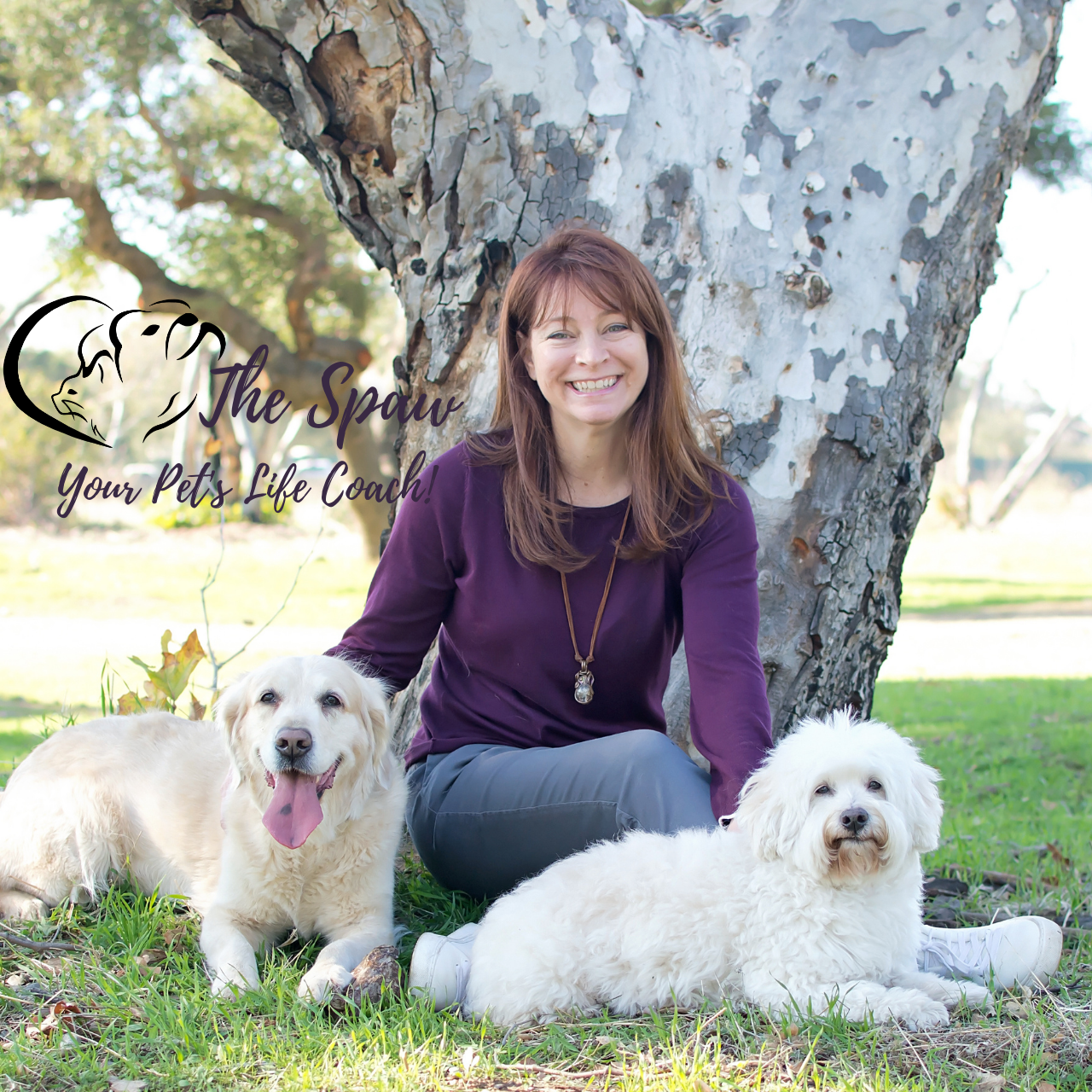
Owner of The Spaw
With over 30 years of experience in the pet industry, Carrie Hyde is a passionate advocate for holistic pet care. As the owner of The Spaw, Orange County’s first exclusive holistic pet retreat, and a dedicated Pet Life Coach, Carrie has devoted her career to transforming the health and well-being of pets through nutrition, behavior support, and natural wellness solutions.
Carrie’s expertise goes beyond traditional pet care—she empowers pet parents with knowledge and tools to create long-term, effective health plans for their furry companions. From customized nutrition consultations to behavioral coaching, her integrative approach ensures that pets thrive from puppyhood to their senior years.
As a certified pet nutritionist, Carrie helps pet parents navigate the often-overwhelming world of pet food, supplements, and holistic therapies. Her mission is simple: to help every pet live a happier, healthier life. Through The Spaw, she and her team provide a stress-free, nurturing environment with top-tier grooming, boarding, and personalized wellness services.