
 Apple Podcasts

 Spotify

 Castro

 RSS Feed

 Goodpods

 YouTube

 iHeartRadio
199. Raw Feeding for Cats: The Truth About Ingredients, Sourcing, and Formulation

Cats are so misunderstood by pet parents, even more so than dogs in my opinion. They have very specific needs that we (mostly) don't meet.
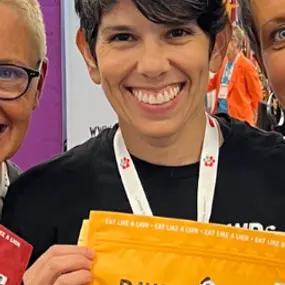
In this episode, I’m joined by Sabrina from RAWR Pet Food (Eat Like A Lion) to talk all things feline nutrition—from ethical sourcing to species-appropriate formulation. If you’ve ever wondered what your cat actually needs to thrive, this episode breaks it down with clarity and truth.
🐶 🐱 Nutrition & Holistic Health Consults: https://jessicalfisher.com/product-category/holistic-pet-health-nutrition/
💜 Follow Jessica on Instagram https://www.instagram.com/thepetparentingreset/
📩 Get email notifications for new episodes:
https://jessicalfisher.kartra.com/page/tpprnotify
0:00 Welcome back, pet parent. I always like to anytime we can kind of call out cats, you know, I like to do that. And so today's guest, we are doing just that. This is a food brand that I came across not too terribly long ago. I was like trying to file it in my memory because I really liked the ingredient profile. And then just randomly I got an e-mail one day and I was like, Oh my gosh, this is that food company that I wanted to remember that I forgot. So I am really excited that Sabrina Simmons is with us here today. She is the founder of I Want You to Say It. There you go. Like I don't, I don't know how you would just casually say roar like you have to be like with the hands and everything. So thank you so much for being here and thank you for being an advocate for feeding cats species appropriate food. I would love to just start out by welcoming you and learning a little bit about you and your background and starting the company.
1:05 Yeah, well, thank you for having me. It's really nice to be able to chat cat, you know? So I've been making cat food actually since 2003. I adopted a little kitten and he was adorable and smelly and all sorts of issues and I was kind of at the end of my rope with what to do with him. I visited a lot of vets, I put him on prescription diets and I've always kind of lean towards holistic medicine. So he had acupuncture and he saw a nutritionist and nothing really fixed what was going on. And at some point, I just was on the Internet and this was 2003, right? So I think I was in a Yahoo group and someone was talking about raw feeding.
1:50 And it just made sense. Like lions don't cook their food, they don't eat kibble. So I thought, well, I'm at the end of my rope here. And so was he. So we gave it a shot and I made him food. And honestly, it was maybe somewhere between a week and 10 days. And he was like a brand new cat. It was amazing. He had energy, his litter box was clean. He was just a completely different cat. So I thought great, and I did that for years and then somehow ended up in a women's business class and I wrote this beautiful 30 page, you know, business plan that looks zero. It's not even recognizable to what I'm doing now. It was ambitious.
2:35 It looks good, you know, and slowly from that class, I just slowly started gaining, you know, other pet parents who were interested in raw feeding for their cats. So I was making it out of my home, delivering it to people's doorstep. And then it just sort of grew. I got a brick and mortar. We've had a couple processing facilities and now, now we have a really solid cat food that's available, you know, to the public. I think I'm most proud that we've stuck to our integrity this entire time. So we're still using the same farms we were using in 2010 and it's just a really clean, species appropriate meal for cats.
3:21 You know, my focus here is cats. We are not a dog food company that figured out how to make it work for a cat's nutritional profile. Yeah. Well, and that is something that I think a lot of companies do. They're they're they make a dog food and they're like, oh, I guess we should make a cat food too, right? Like that's what it feels like. Well, it's like capitalize on the market, you know, and for me they're, they are different animals for sure. And they do have different nutritional needs. So is there a way that you can kind of make it work for both? Yes. But if you're really, you know, our customers love their cats, like they're very, very engaged with their cats.
4:04 Most of them are really big on the environment and eating clean themselves. And I think that's what draws them to our products. You know, everything we're using is really sustainable. It's all human grade. We don't put anything in there that isn't listed on the ingredient panel. So I think keeping that transparency and that honesty is, is a big thing for pet parents who are really, you know, interested in giving their cats the best possible diet. Yeah. Well, and you know, The thing is, somebody like me, I say this all the time. I started out with my dogs feeding them fresh foods, and then I was like, well, I'll just add in fresh foods to my cat's diet, too.
4:45 It was really my dogs that like propelled me to, you know, go down the rabbit hole of getting my cats healthier too. And I think that happens with a lot of people just, you know, average pet parents. And I don't know exactly why that is. We've, I've talked about it on the podcast before with some other people. But once I really got into this, once I really was like, this is what I want to do with my life. I started the podcast. I've, I've got, you know, 2 nutrition certifications, all the things they absolutely, 100% want people to feed dogs a species appropriate diet. But to me, I'm in my mind, I'm like, it's even crazier that we don't feed cats, generally speaking, a species appropriate diet.
5:28 Like OK, dogs are, you can ask 10 people and you're probably going to get 10 different answers. But the way I've learned it, facultative carnivores, cats being obligate carnivores, like we're doing so feeding the exact same thing to a dog and to a cat. If, you know, feeding a kibble diet like most people in in first world countries do, we are doing potentially even more damage to our cats because they are obligate carnivores. And so I, I like it, just, I don't know, I guess it still boggles my mind that like, how do we not start with our cats? It's a huge disservice to cats, you know, And you're so right. People will go into specialty stores and just buy all these things for their dogs, and then you'll see them in the aisle of a grocery store throwing kibble or cans or whatever is on sale into their cart, you know, And it is pretty confusing.
6:22 I think a lot of it's just a lack of education. But I think a lot of it is also, you know, when you view cats, you're like, oh, they're so independent, take care of themselves. They don't need much. Whereas dog, you know, I mean, there's my cat and then there's five dogs in the household. And the cat does rule Bruce. She's in charge, but she requires the least amount of attention and engagement, you know, compared to the dogs. She just, yeah, she kind of just, she's so confident and has so much independence. She just does what she wants. Whereas the dogs are like, now what can I, can you pat me? Can I sit next to you? You know, just never ending attention. And that really gets people to kind of they're on your mind, you know, a lot more than your cat who's at home and probably sneezing.
7:12 Yeah, that's true. I know. Like when I leave the house, my dog literally cries and yells. And like I do have one cat who actually when I'm here she demands my attention even more than my dog. But she's not like yelling and screaming when I walk out the door either. It is easier to leave, I get that far. Yeah, exactly. So, OK, tell me a little bit about because you, you were talking about you're using the same farms you're very much into like clean eating and I we'll get there. Tell me a little bit about like the recipes and the sourcing and we'll kind of go from there because I have a lot of thoughts. OK.
7:54 Yeah, absolutely. So our recipes, you know, I formulate the recipes, we have a vet nutritionist that we work with and we also send it out for lab testing. So we're kind of checking all the boxes to make sure, yeah, this is really formulated correctly. But whenever I build a recipe, my goal is to get the majority of the nutrients from the meat and the Oval going into that, you know, protein. So we always start with the whole animals. And so there's whole chickens, whole rabbit, whole ducks. Our turkeys are not whole right now because of the calcium phosphorus. That was really not quite right with whole turkeys going in.
8:34 But every choice that we make is there's thought behind it, right? So I, I always felt like if we're going to feed chicken, I want the whole bird going in. I don't want our first ingredient to be chicken frames or chicken necks or. And the unfortunate piece with AFCO, as you probably know, is there are many things that are chicken. Yeah. And it's hard to define like this is what's going into our product versus another product. So you know, for chicken for example, it's whole chickens. Then we do add in some necks and then we add in organ meat. So it's hearts, livers, gizzards, egg yolk, and then from there any oils or supplementation that we need. But based just on using clean meats, because we, you know, because of the meats we're using, we have to get a nutritional analysis done on those specific proteins so that we know what's actually in there. Just from that, you know, we're able to make a recipe that only needs a half percent of supplementation. And that half a percent of supplementation is really to ensure that we're meeting AFCO standards because there's certain vitamins or minerals that are hard to gain from certain proteins.
9:43 And I know there's a big push against supplements, like they're, they're evil now, but they aren't, you know, if used appropriately, I think they're really beneficial. And my concerns always, well, some people, some people feed their cat the same protein their entire lives. And I want to know, OK, if your cat's only eating chicken, that cat's going to thrive regardless. So, you know, one of the ingredients we need to add into our chicken recipe is copper. Chicken doesn't have very much copper in it. And we tried working around this, like, we'll put lamb liver in and the cats were like, what did you do this? You know? So we really focus on building a nice clean, you know, meal from the proteins that we're getting in the things that are available to us. Yeah.
10:31 Well, so the when you say clean proteins, can you elaborate a little bit on that? I guess I'm speaking more to the sourcing and the actual type of animal itself. So we are actually the only GAP certified raw food on the market. So that means the farms have a certification that ensures they're using humane standards from beginning to end. So that goes on with how the animals are slaughtered, how they're handled, their access to the sun and the outdoor, how they're fed, how clean their water is. So they have someone coming in and auditing this, you know, to ensure that hey, you're holding up to these specifications you claim to have.
11:16 And then we are also audited to make sure that what we're saying is going into our products is what's going into our products. But it's really great because you can see the difference between using a whole bird that's grown up on a sustainable farm versus something coming from a factory farm. I mean, you know, I and we never sway on this. So the ingredients going in are really, you know, they're prime. I mean I've eaten them, you know, pre cat food making. I'll be like. Of course, I don't know if there's people that have eaten our food for sure, but yeah, when I say clean, I think I'm, I'm speaking to the sourcing.
11:59 You know, everything's, we're trying to make sure that what we're doing is good for the cats, but it's also good for the environment and honors the animals going into our food. All of that, it's, well, it's all integrated really. If an animal is under a lot of stresses, they're growing, they're not going to nutritionally be as viable as something that's had a happy, healthy life and been outdoors and been treated with kindness and care. Yeah, well, and what they eat, but I think that's probably also, you know, when you are raising them more humanely, you're you are more considerate about feeding that animal what is species appropriate for them, which again, in turn is going to provide a very different nutritional profile.
12:47 And that's one of the things that I probably don't highlight enough on this podcast because so many people when they join, when they first join the world of raw feeding, especially with dogs, they're like, I can just make this myself and you can. And you can with your cats too. But it is not super easy if you are trying to feed off of a spreadsheet, which is what Africa wants you to do, right? And the quality as you said of each ingredient matters when like if you're just using formulation software, which is something that I do, you are just getting the averages from, you know, the USDA database, right? So what you just said about you are you're testing these ingredients because you know their nutritional profiles are going to be vastly different from whatever that USDA database is.
13:45 And you want to work off of that food versus an average of that type of food. And that again, is something I don't think I talk enough about here on this podcast. And it's something that is so incredibly important and which what makes foods like yours and a handful of others very, very different from the rest of the foods out there, I think. Yeah, absolutely. And I love that when people want to make their own food, but I do, I always, I do caution them because after years of doing this, it's it's not that simple. And there's the piece that I think is hard to understand until you're actually deep into formulating is, well, this is off a little bit, so I'll adjust this.
14:30 And how does that affect everything else? So I, you know, personally, I always encourage people to, yeah, pick, pick a nice commercial raw food, one that you feel really strongly about and, and keep that in the rotation as well, right? So that if there's any LAX in what is happening on your end and keep it varied. That's the hardest part with cats especially, is I want people to introduce as many items as possible. I mean, my cat will eat anything. She's crazy and it's good mostly until she's on the counter eating. I don't know what, but it's, it's nice to be able to have that variety and offer them a lot of textures, a lot of tastes, you know, a lot of different smells. I want to hear a little bit more about this cat because as we were like chatting before I hit record, you were like, all of my cats have always just eaten whatever. And I'm like, how has the universe blessed you with the handful of cats in this world?
15:29 We'll just eat whatever. You know, I don't, I don't know. I mean, I do have to say a, a little piece of it, at least from what I've experienced with some of my family, mom is like the more stress that you have regarding what your cat's eating, the more you're worried and the more pressure you put on them and why aren't you eating and you need to eat and let's try this and let's try that. I feel like it just complicates it even more, you know, whereas I've sort of just had a little bit of a hands off approach to it. Try this, try that. And with my cat, because she grew up with dogs, my cat, I used to have a coffee shop that was attached to a nonprofit cat rescue.
16:10 We were the first cat Cafe in the US cat town. And my coffee shop And someone, these people brought in this tiny kitten one day. I think she must have been maybe two days old and she still had her umbilical cord. And I was like, OK, because I have this kitten now. So, you know, I raised this tiny little kitten, got up with her every two hours to feed her. It was the crankiest, probably four to six weeks of my life, Just I was, you know, so exhausted. But because of that, I think, you know, she was so adaptable. She's always been on raw food since she could eat. So she went straight from formula to raw food and was with the dogs the whole time.
16:51 And so she's really been very open to what what foods she eats, whereas other cats, you know, cat transitioning from a dry food, especially to a raw food, it's cumbersome and it takes a lot of time and a lot of determination as the parent. Yes, for sure I, I and I have heard this too. I have not yet experienced it myself. All of my cats are quite old at this point, so they all were fed kibble for many years at the beginning of their lives. But I have heard that if you start right away, like as they're waning from the mother or if you're having to bottle feed them as you did, then it's almost like, you know, as long as you're giving them lots of different variety, we understand that all of these different things are food.
17:44 So that later on in life, it's not like the only thing I knew to be food was this crunchy stuff with palatants on top of it. Like that's how so many animal, so many cats are like that. That's the only thing they understand to be food. So I would love if you would maybe give our listeners some tips and some advice on, because I'm sure you have worked with people over the years who have had cats that were at one point on kibble, how you advise them to transition to a fresher food diet, ideally a raw food diet. Yeah, absolutely. I think there's a couple pieces that are really important. And the first piece is, you know, I run across a lot of people who just beat themselves up over the fact that they've been feeding kibble.
18:33 OK? It's that's it's not helpful to you or to the cat. It's not not good. It's what a lot of us have learned. And at least that's what I grew up with. You know, my dogs lived outside. They ate kibble. They were the dogs, right? They weren't part of the family. And there was just a different mindset with that. And so if your cat's on kibble, it's OK if we can, we can get get to another place. But, you know, it's, it's not really something that I think people need to take to heart so, so much or to feel judged. I don't want anyone to feel judged about this. So that's step one, and Step 2 is remembering who a cat is and where they came from, right?
19:15 I mean, when you mentioned that starting a cat earlier on a very diet is important, that's absolutely true. Cats are imprint eaters and I don't know if a lot of people realize that. So imprint eating, for anyone who doesn't know, is essentially cats from generally the ages of three weeks to 8 weeks. Really pay attention to what their mothers are teaching them is food. And that is what imprints on them as this is food, everything else is not food. And the reason for this, it's really a safety measure for the cat. You know, as a parent, as a cat parent, you don't want your cat going off and eating something that's going to hurt them.
19:55 So they take to heart what food is and what isn't. And that's the first thing that we need to remember is that when your cat looks at something you give them and is like, no, thank you. It's not because they're just being jerks. They're, you know, they really are trying to protect themselves and are following their their instinct. So those two pieces, I think if we keep those in mind, like you're not in a rush. We'll go at the cat's pace and we can get there. It can happen. So for kibble fed cats, there's some tricks. They don't all work on every cat. The first thing though would be to take that kibble away during the day and implement feeding times. If you have feeding times, it gets the cat a hungry and be more excited to eat.
20:40 So this is a it can be tricky because you have cats that cry, where's my food? Where's my food? So eventually you want to get them down to maybe 20 minutes in the morning, 20 minutes in the evening with their kibble before you change anything. Just, you know, take it in stages so you're not scaring the cat away. So once you have them on a feeding schedule, that's when I suggest adding in things that have either a similar texture or a similar smell so that they can start to slowly add new flavors to their palate. So this is where freeze dried food I think is great. Freeze dried food has a texture, you know, if you don't moisten it, it has a texture more similar to kibble. It also does tend to have a little bit more of a smell to it because texture, smell, taste, all of those factor and even temperature factor into what a cat thinks is food. And so any of those being different is is hard for them to get their head around.
21:43 So I think freeze dried is great. Any sort of toppers that your cat likes is great. I think I was telling you a few weeks ago about my 1 customer who really wanted her cat on raw food, but it would only take the raw food if she put it on a corn chip. And I said, if that's what it's going to take and she didn't, it wasn't, it's not like she fed her cat a whole bag of corn chips, but she would just sprinkle a little bit on there and, you know, slowly take the corn chips away and keep the raw food going. And it was a pretty smooth transition actually. So the freeze dried, the toppers are great. And then just taking it very, very slowly. So you're going to want to go kibble, probably freeze dried and then you can start moistening that freeze dried and then adding in some wet food all the way to raw food. And this, this could take months, honestly, because it is it takes dedication on your part if you want this to happen. And some cats are very quick to transition. The only thing I caution with that though, is going from a dry kibble to a raw food.
22:49 You know it can upset stomachs. So doing a transition is always important and you don't need to take it quite as slow if your cat's on board. But I used to tell people put 1/4 of raw food and 3/4 of wet food. But I think at this point for a lot of cats, even that's too much. And sometimes to just be, you know, a little tiny dollop of raw food really mixed in with that wet food and and then that slow transition over over a few weeks to get them completely on board. The other thing I caution against is don't starve your cat. They're not, they're not the type of animal that I'm going to get hungry enough, so I'll eat.
23:31 They're the type of animal that will get hungry enough that they end up with the fatty liver and in the vet emergency room. And that's just, you know, it's not a it's not a battle. Again, in their minds, they're like, you were trying to poison me. Why would you do this? So let's, let's carefully take you from here to here at your pace. Really. Yes, absolutely. And I don't know if you've dealt with this before or if this is at all in the realm of what you do, but I also know some people who do energy work and that kind of thing can sometimes be beneficial to help cats kind of get over certain. Whether it's like a disgust for the new food or whatever aversions they may have.
24:20 If that's something you believe in or you don't, but you just want to try. Personally, I believe in it. I've never used energy work for that specific. I also, you know, with the transitions I've done with my previous cats, it didn't take a terribly long time. And I think that was also because there were multiple cats. That's also helpful if you can get one cat on board. The other cats tend to be like, OK, and there's other little strategies that seem to help to like changing where you're feeding them, changing their feeding, right? This is a different a different thing. And also, you know, I always like, I always encourage people to exercise their cats, you know, get them energized, get them running around, do it before meal time and and see where that lands.
25:08 But I think energy work, yeah, would be great because cats do have aversions, especially if they get sick on something. If they scarf down a new food and throw it up, it's like, whoa, I don't ever want it again. So it's really, there's a lot of psychology behind cats. You know, there's a lot of things that are going on inside their little bodies that they're not always easy to read. There is a lot going on, which is why I always, I have always said I feel like cats are harder than dogs. And I know I get a lot of pushback on that. Not that I think like I still have them. I'm not like telling people not to have cats. I'm just saying like they are people. I think people like go out and they're like, oh, you want to get a first pet, get a cat. Like no, that is like probably the most difficult pet to get. Not that I'm saying to get a dog first. They're also probably not a good first pet. Like, I don't know, get a goldfish or a gerbil or something that I don't I I still maybe a goldfish. I don't know about gerbils, but like there's, there's so many intricacies that you are going to be forced to learn over time one way or the other, whether that is by learning and growing and improving their quality of life through, you know, lifestyle choices and nutrition and things like that, or insane vet bills.
26:28 And I have been down both roads. So I can attest to the insane vet bills that come along with raising a cat on a standard American diet and healthcare system like that. Just that's what it is. But dogs too. This one just wants to get on camera. That's great. I think, you know, with cats, especially when you were speaking to them being obligate carnivores and how important it is for them to have a meat based diet, I think the biggest issue with the dry food is that moisture content. You know, people think, well my cat will just drink more water. No, they don't because they're not really equipped to drink water like drinking water is almost for fun for them. I, I don't know, but it's a, it's kind of a rarity. You know, I shared recently on our Instagram just they have done studies with cats and essentially one full minute of drinking water will hydrate 1 LB of the cat's body weight. So if you have an 8 LB cat, you're looking for that cat to drink for 8 minutes a day and that's just not going to happen. So when you have your dry food that's probably 10 to 12% moisture and then a raw food diet that's 78% moisture, it makes a huge difference.
27:49 And they're really relying on their food for that moisture when they don't get it. You know, that's also where cats get this, like, oh, my cats got an attitude problem or it's cranky. Well, I'd be cranky too if I was dehydrated every day of my life, right. And then that's I think where a lot of those vet bills end up. You end up with kidney issues. You end up with UT is and these aren't things that cats normally would would, you know, end up with if they were said an an appropriate diet. Yes, absolutely. And I, I, I will say I have noticed. So the one cat that keeps jumping in front of the camera, she's 17 this year.
28:29 My two boys are 16. And just within this past like a year, there is no dry food at all in my house other than freeze dried, which I mostly rehydrate. They only get freeze dried, not rehydrated as a treat, but they have definitely been drinking more water like over this past year. And I have not noticed that with any of my other cats as they have gotten older. Of course, I have a number of cats that didn't get to this age either because I did. I did all the things and I know I've said this so many times for everybody listening, but I the first close to seven years of these cats lives, I was like that person that did everything my vet said to do, got all of the vaccines on time every year. All of my cats were on different kibbles that the vet wanted them to have that I bought at the veterinarians. Like I did all the things that I thought I was supposed to be doing as a good pet parent and before learning that that was all the wrong things to do.
29:30 But. And so I do have a number of cats that didn't make it this long. But yeah, it has been very interesting to me to, like, just notice how much more water they are drinking now than they used to. And I'm like, I don't know what this is, but OK, if you want to drink it, drink it. It's there for you. Right. Well, I, I wonder about that as well, just with cats in that age range, because I don't think it's unusual to see an increase in, in water intake. And I think part of it may be, you know, they are older and their kidneys have been working 16 years, right? You think about Wildcats, they generally don't live to be 16. And I'm not sure farm cats years past would live to be 16, right? We're kind of in a new era of cat longevity. And it's interesting to see how that kind of moves. And with that being said, you know, we do. So we have our bone in line of cat food, but then we also have our boneless line of cat food.
30:32 And so our boneless line of cat food is made with eggshell powder instead of bone. And the reason for that is we can decrease that phosphorus level because phosphorus is, you know, it's hard on the kidneys, especially over time. The other thing is, you know, our bone in formulas are for all life stages, so kitten through adult, but then our boneless line is for adult maintenance because when you formulate for an all life stages, you're formulating for the most needy of that age range, which is a kitten, right? A kitten's growing, it needs more protein, it needs more phosphorus, it needs more calcium, it needs more fat for an older cat, it doesn't need all of that.
31:14 So those levels are, you know, if you look at, I don't want to say Afco's right or wrong, but if you look at Afco's numbers and you have kitten and then you have adult maintenance, they are different. And so with our boneless line, we were able to make one that is just for adult cats and that means they're not processing all this excess that they don't need. So my hope is that for their organs, you know, it really alleviates some of that pressure because, you know, older cats, cats in general, get overlooked. But geriatric cats are, like, even worse though, you know? Yeah. Because I mean, like you said, we're kind of in a newer era where there are now like, yes, I think we've always had cats that lived, you know, 2021 years, but like they seemed pretty darn rare.
32:05 And as we get more and more pet parents more and more aware and educated, we are seeing more cats living longer. And it's, I mean, I know my first cat that I ever had died when he was 6. Like I, my idea just came home and he was, he was perfectly healthy. I think he, I don't know if it's a blood clot or a stroke or I have no idea. And he was probably one of the healthier cats I ever had because he actually went outside a lot, which was not my choice at the time. I thought that was horrible. But like actually giving cats that exercise grounding, like there's a lot to be said about that. Granted, when we have put them in a world that is very dangerous for them to be outside too. So there's that's a whole other conversation. But he was pretty darn healthy because of that, I think. And so it was really sucked.
32:57 He was my very first cat on my own as an adult. He was my very first cat. So that was terrible. So to get my, my oldest so far has only lived to 19. She passed away a few years ago. But I'm like, I'm looking at these 3 going all right, we've got 19. What are we going to get to next? Right. So we're talking about like some of these things that can go wrong in a cat's life. We've we've talked a little bit about kid. I think kidney, anything urinary is very typical because of the, the moisture that that you talked about. I actually just posted like I reposted from one of my favorite bone broth brands on Instagram Reel that she did.
33:39 And I'm like I always say any time anybody asks me if I can only say one thing to somebody, it's all I don't care if it's dog or cat. Like moisture is the hill I'm going to die on. And there are a lot of things I would like to say to people, but that is the one now if I can only tell you one thing at all, it's always going to be moisture. So there are a lot of things that could be going on. It could be going wrong in our cats lives. And one of those things that has recently come about and I, I will say I was telling you before we jumped on, I opened up the bag of chicken, the chicken recipe for my cats yesterday. Well, I opened it the day before and thought it and they, they ate it yesterday was the the chicken recipe. And I don't normally feed my cats chicken, not for any reason other than like there's so many options out there and what I usually feed them.
34:30 They don't even have a chicken recipe And I did, even though I have completely educated myself on this topic and I have done lives and I have talked to veterinarians and I understand, I think to the best of the ability that we have at this point, which isn't great. On HPAIII did like have a moment of pause when I opened this bag. So I would just like to give you the opportunity to talk about feeding raw poultry right now is a concern for cat parents. And I know you and other companies like you are doing a lot to try to educate the public and make sure that you're not putting food out there that like I want to say is infected with HPAI.
35:15 But I also know there is a huge difference in a dead virus and a living virus. And that is something that isn't being talked about enough. I think we, I don't know. I'll let you, I'll, I'll let you take over. Thanks. The bird flu, the current bird flu virus that's out it it, it is really concerning. Also moved in a very strange way that feels like it is definitely targeting raw foods. I agree. So for us as a raw food company, we put a lot of time and energy into getting to know the farms and having a good relationship with them. So, you know, I hop on calls with them weekly almost just to check in, see how things are doing, understand their testing policies and what they have going on. I spoke to one of the QCs last week, you know, and they are still testing daily for, for the HPAI virus in live birds. And you know, they have, they have a pretty strict lockdown going on over there with anything entering or leaving the facility, the testing they're doing and then the protocols they follow if they were to get a positive. And a lot of farms have, you know, had a positive. And the result is that they have to call the entire flock, which is, you know, the last one I heard about was 3,000,000 birds. So you can imagine getting 1
36:47 positive and then having three million birds called. It's, it's really upsetting. You know, I've tried to talk to so many people and so many experts. And the thing that's so interesting is the more involved someone is in viruses or virology, the less shocked they are about what's they're just like, it'll pass. Yeah, it's been around for 20 years. And the the piece that I believe or my understanding is where things went kind of awry was that it hopped from poultry to to dairy cows. And that leap is kind of what, you know, made this huge change in the way the virus was previously. I'm not making a lot of sense here. The nice thing is I was told that the state veterinarian has seen a major decline in positive virus in dairy cow milk, which is an indication that the virus is actually starting to subside, which makes a lot of sense.
37:48 It's March, right? And and flu viruses in general, just they love the winter. The cold is, you know, ideal for them. So with our farm, you know, they're testing daily. They're not letting anything out that's positive. They're actually doing a full clean of the entire facility and the products that are coming to us. We also are PCR testing our finished product. Now, none of this is obviously a guarantee, but there's a lot of pieces that I still don't understand. And I think a lot of people don't understand. Like you said, there's the live virus, there's a dead virus. There's also how much of this virus is in the muscle meat that a cat would be eating. And cats are equipped to ingest things and dogs that you and I never could, and we never want to.
38:35 So the question is, with these viruses, it's very different if there is a live bird with the illness getting near a cat, right, versus a cat eating a piece of muscle meat that has already been processed. And I don't have a clear answer here, but I find it concerning the way that this entire has been handled when it comes to raw food because it's the second a cat gets sick and there's any link to them eating raw food. Well, it's got to be the raw food. Whereas, you know, we've seen kind of an uptick in a few other cat deaths or illnesses on the East Coast from cats eating commercial food, which you and I know what's going in there.
39:18 And that is not safe in any way. Yeah, yeah. Because it's not raw food. It's like, I guess these cats got sick and, and it's like, wait a second. So the bag that you got was tested by the way and it tested negative. So we are making sure that we're doing the best that we can on our end to kind of watch it have traceability. We even have those those results posted on our website. So there's a copy of the actual lab results up there for people because I do want people to feel a little bit more comfortable and safe. And is there 100% guarantee that there's no flu virus in any meat available? No, there's no way we can do that. But the key for me as well is that the companies I'm working with, the farms I work with are the ones providing grocery stores with food and the pieces of the meat that I'm buying, those whole birds, the necks, the liver, the hearts, they're also getting sent to grocery stores. So for them to risk everyone getting into the the human, you know.
40:20 Food supply, I think they're really, you know, active and trying to prevent that from happening because if, if you're using 4D meat, sure, no one cares. But if you're using something that's going to be in Whole Foods, that case could have gone to me or the Whole Foods. Well, you know, we're going to be really careful. Despite the fact that it's going to get cooked, probably by a human, it's still, you know, there's that precautionary measure that they're taking. I don't know if I answered your question. It's just such a complex thing right now. But I think, you know, personally, knowing how cats can process bacteria and other viruses, I do wonder, you know, and that would require someone doing a study and really seeing like once it hits that acidic stomach, what happens? And does that piece of meat have? I'm not.
41:17 This is the other piece with dairy cows, for example, the only place that they have found that virus is in the milk. It's not in the meat. It's not even them sneezing or going to the bathroom or their eyes watering. They can't pick up the virus anywhere except in their milk. So for these birds, is it where does it lie inside of them? It is. Very interesting to me that is, it's just complex and there's so. Many, I feel like we need private investigators to figure out, you know, really what it, what is going on here because I, there's so many pieces that are unknown and it's a virus. So we know one person's gotten sick and died from the virus, but have other people been carrying it?
42:02 And it passed from a human to a cat? The person didn't know. We just don't know. So highly contagious. Yeah, well. And I'm honestly unsure if is even be, even though they have found it in in Dairy Milk, if it is even able to be transmitted to cats through Dairy Milk. Because I know when I went down the rabbit hole of those cats in Texas that they claimed it was the Dairy Milk on the farm that they were living on. They were they were not releasing the name of the farm. But what I found was that any farm like the area that it came from, what I found was that people that worked on that farm did say that there were dead birds found on the property that also tested positive for HPA. So I don't know how they could conclude that it was the Dairy Milk and not the dead birds that were positive for HPAI that were in contact with the cat.
43:07 I don't know how they could do that other than to just say we don't want people drinking raw milk, so we're going to blame the raw milk. Yeah. I think at that time they weren't testing milk, correct, Because now they do test the milk. They have a Yeah, I think. Yeah. This was, this was back in like late January, I think. Yeah. The other thing is that you know with. With the dairy cows, after about 30 days, that virus is really, it's dormant. It's it's a non issue in their milk. So that the thing that's kind of upsetting and concerning is a lot of these birds would recover. And you would think that instead of calling all the birds, maybe keep those live healthy ones that have the virus because there is that, right? Well, that's how I read.
43:59 I think it's Joel Salatin, the like really famous regenerative farmer. That's what he's he's out here. Like, what are you people doing? Like this is how populations overcome these viruses is by letting the ones that survive the virus live. Like, what are you doing? He's too smart, I think. He's the big threat to, you know, Yeah, yeah. People in charge because. He's not wrong. I mean, I feel like it's virology. One O 1, absolutely, yeah. So I don't know, it's, it's concerning and it's difficult, but I think, you know, what happened was there was a lot of, a lot of people run on fear. You know, you hear them in that that's, that's it. That's where they go.
44:41 And so there have been a lot of people turned off from raw food, raw feeding. And I've also noticed quite a few of them are now struggling because, well, my cat's not, you know, my cat's got issues in the litter box or my cat's throwing up that's not doing well. So it speaks very highly to the benefits of raw food. And I, I haven't stopped feeding raw to any of my pets and I'm not really planning on it. I don't, I feel that, you know, the risk is, is definitely low and the reward is much higher. And it's the same with my cat. You know, you spoke about your cat going outdoors and I know that's not possible for all cats because there are areas that are just, it's too dangerous. But my cat, yeah, she's outside every day that she wants to be and it is a risk.
45:31 And she has gotten injured. She got bit by a rattlesnake, which that was bad, you know. But. Again, it's, you know, risk versus the benefits and I think overall being outside and having fresh air and the grounding, I think that's actually a really important piece that people don't realize all really, you know, I mean, she's a great cat. She's in a good mood, she's just pretty easy going. So there's a lot of factors to consider with with cats and how you want to raise them for sure. Well, I very much appreciate you coming on and sharing your knowledge and talking about the formulation, the recipes, sourcing, which to me again, I always like to kind of like asterisks, but like I know that this is a. We are.
46:37 Privileged to be able to have this kind of conversation on sourcing on the quality of the food. There are so many people out there that are just like, I'm just trying to feed my animal today, you know, like this is a privileged conversation and I I very much appreciate that. But I also think it is important. It's important to not put your head in the sand because it's never going to change unless people as far as like the industrial farming and ranching like those are, they're horrible things, quite honestly, that I would prefer not to support. And that's, you know, if, if we just stick our head in the sands and say, well, this is how it is.
47:18 And I'm just trying to get by in life, It just it allows it to continue. And for me, as you were saying earlier too, like the the life that the animals live before they are slaughtered so that me and my pets can eat them matters to me. Again, a very privileged thing for me to be able to say that I feel like it needs to be part of the conversation we have with ourselves. Like this is where we're trying to get to. And so any time we can make tiny little adjustments, changes, whether it's buying that piece of organic produce this week or visiting the farmers market next weekend and buying from a local rancher like those are, it may seem really small to you in the moment, but they really add up over time.
48:06 So I appreciate you having that conversation so openly and and that that's part of this brand. Yeah, absolutely. Yeah. And that's, you know, the piece I was speaking to earlier. I hate it when people realize what raw food, what its potential is, and then, you know, feel bad about where they're at and what they're capable of doing, you know, with that. So, you know, I think if my pets weren't on raw food, I would at the very least, probably get them onto a canned food because you're right, moisture is key. And just that one piece can really, you know, flip a switch there, yeah.
48:48 Absolutely. Is there anything else you'd like to share that I maybe didn't touch on about the brand or cats in general? We did. Send you some parts, correct? Did we? Yes, you did and I haven't. Opened them yet, but you did you have a parts department, which is so cute. We we have a parts. Department and the parts department, you know, they are wonderful additions to your bowl or to make your own meal mix and match. We're working on some recipes we'll put put on our website so people can see what things they can add and what it looks like nutritionally. But my main purpose with that was just well, initially it was thinking back to 2003 and the struggle I had to make a, a complete meal right.
49:37 I couldn't find any DACA Turkey O fall. It was just awful. So I was like, oh, we'll just send out these parts. And then as time went on, people started requesting parts and it was like, oh OK, well that's a good part. Let's add this and that. You know, I brought a few home and now literally there's probably 6 different parts in my fridge open at any time. All the animals get some of them. And what I really love is an important piece with cats is and dogs is they need to use their jaws like it is mental stimulation for them to have to take a piece of meat and like figure out, OK, how am I going to get this in in there?
50:21 So it's great to watch them kind of have to take their time eating and just the excitement with this variety of different, you know, foods to munch on. Some of them are a bit big for cats. You know, those rabbit legs are not going to throw down very easily. But again, if you want to, you know, give your cat or dog mental stimulation and it wears them out. So if you have a really active dog and it's raining and you can't really get them out too much. Yeah. 20 minutes of chewing on something, I think it's good. Yeah. Yes, that is a very cool that I actually. Was creating some recipes for a client last weekend and sent them to your website for some of the parts. That's great.
51:04 Yeah. Thank you. I am surprised I didn't. Think of it, but I appreciate that you did. And guys, check out it's Eat Like a lion.com, correct? That's correct. Yeah. And. Then on Instagram. Is it also eat like a lion? All right, guys, check out Eat like a lion.com. And I know you're not necessarily all over the country, but you are in some parts of the country, correct in scores we do online. Shipping as well. Perfect. Yeah. But yeah, we're working on, we're working on getting all across the country. Yes, distribution is difficult. So all right, guys, thank you so much for being here and thank you, Sabrina for being here as well.
51:47 And from me and Sabrina this week, give your pets a little extra love and I will talk to you next week. Thank you.