
 Apple Podcasts

 Spotify

 Castro

 RSS Feed

 Goodpods

 YouTube

 iHeartRadio
218. Itch, Gut, Allergies: How Bioenergetic Scans Find Root Causes in Pets

Itch, gut, allergies—stop guessing. Samantha Stupak (CBH Energetics / Pet Medella) breaks down how bioenergetic hair + saliva scans uncover food/environment sensitivities, microbial stressors, toxin loads, and nutrient/hormonal imbalances—then turn that data into a practical plan (diet upgrades, targeted remedies, environment fixes). We also tease an upcoming Pet Parenting Reset × CBH collab (Wild Wellness is born!)
🐶 🐱 Nutrition & Holistic Health Consults: https://jessicalfisher.com/product-category/holistic-pet-health-nutrition/
💜 Follow Jessica on Instagram https://www.instagram.com/thepetparentingreset/
📩 Get email notifications for new episodes:
https://jessicalfisher.kartra.com/page/tpprnotify
0:00 Welcome back, pet parent. Today's episode is a little different, but I think incredibly interesting. So our guest today is Samantha Stupak. She is the founder and CEO of CBH Energetics and Pet Medela. What they do is bio, it's bioenergetic testing. And the, the thing with bioenergetic testing is that some people hate it, some people love it, and most people are like, what is this simple? I've been using bioenergetic testing for dogs and cats for a couple of years now. And I just I'm really excited to have you on Samantha. I want to hear your story and all about this.
0:42 But first of all, let's get you on the podcast and welcome you to the Pet Parenting Reset. How are you doing today? Thanks, Jessica. I'm good. Yeah, I'm excited to be here and chat about bioenergetic testing. Yeah, it's it's a very interesting topic that again, some people are like, yes, some people are like, no, most people are just like, what the heck are you talking about? One thing I always like to start with, anytime I talk to any, especially somebody who's like really science driven is I'm always like pull out, pull out whatever cards I have. And I'm like, well, guess what? Even you know, Albert Einstein said everything is energy, right? Yes. And you know, energy can't be like you don't create it, you don't, you don't can't kill it.
1:23 It's just constantly in motion, moving between things. And I think that first of all, that's a really like, if you really think about it, that's actually kind of really beautiful. But the bioenergetic testing that you guys do with CBH Energetics and Pat Medela is here for people in their pets. Give us some guidance. And I, I can go into this quite a bit, but I want to like start off by talking about like the history of this for you because I know this is very deeply personal for you and I would love to hear your story about that. All right, pet parents, you already know that I talk all the time about needing to stop as much as we possibly can, feeding our fur babies garbage, for lack of a better word.
2:06 That's what we talked about here a lot. And again, doing the best we can. That is the message above any and everything else. The more we. Learn the more we know we need to make some changes and this episode is powered by Legacy Biome. I want to like start off by
4:57 talking about like the history of this for you because I know this is very deeply personal for you and I would love to hear your story about that. Yeah. And you know, if we would be talking now about bioenergetic testing and I didn't have my history with why it's so personal, I might be one of those people that would roll my eyes to it as well. So I, I, I preface it with, with, with that, but I actually studied, I, I was going to go to college to become a dietitian and I started the program and I was like, this doesn't quite feel right. And so then I switched to an engineering program. So I have my undergrad in engineering and, and you know, I, I love science. I, I love my career.
5:40 When I first moved to Chicago, I worked as an engineer and really just loved it and went on a cruise. And I went on this cruise with some friends and it was, I believe it was a week long and I just had a blast. I stayed up too late, I drank too much, I wore my immune system down just like most of us do when we go on vacation in our 20s. But I came back from that trip and I just thought that I maybe got the flu. But then you know, it was just like it's excruciating body pain, fatigue, headaches. And over the next month it kept progressing so much that I was completely bedridden from that after one month time. And then for the next 4 years and it was crushing pain, like pain that I can't even begin to understand how someone made it through something like that because there's zero quality of life.
6:31 I then started also losing myself cognitively. I couldn't remember my own name. I couldn't form sentences. I really have four years of my life that's pretty blacked out. I was taken to doctor after doctor after doctor, poked, prodded, looked at in every orifice to figure out what was wrong with me. And every single time they're like, there is nothing wrong. Your blood work looks perfect, your MRI was perfect. There's nothing in your X-rays like. And so you leave these doctors appointments and I remember feeling so borderline crazy because it's like they make you think it's all in your head. But then you start believing that because if all these doctors could be wrong, I'm like, I must just be losing my mind. And so I even stayed at a hospital for a full month in in the US here.
7:20 And after that month, I thought for sure they were going to be the ones that were going to help me. And they they just taught me how to manage the pain and manage the inability to do the things that I used to be able to do. So I left there sort of feeling lost but also fiercely independent in taking my own health journey into my hands. And I just started researching things that I could because at that point, I was able to manage things to a degree. You know, I was able to sit on my computer and look things up. And I met this woman online and she's like, I know a lot of people that have been through what you're going through. You need to go see this doctor in a few hours north of Chicago. So we got an appointment with him and in the 1st 10 minutes of sitting there with him, he used technology similar to what we use at Pat Medulla on CBH. And within that first 10 minutes, he's like, this is all from a tick white.
8:08 And I remember pausing because I'm like, I've been tested for Lyme disease dozens of times and it was never positive. And he was just like, OK, well, it was nice to meet you. Good luck on your journey or this is what we're going to do. You're going to take this regimen with supplements, homeopathy, herbs, things like that. You're going to do this cleanse, you're going to eat this way. He really laid it out for me. And at that point, I had a little bit of money left, not much, but I invested everything I had in him for the next 6 months. In that six months, I got to the point where I was walking again and deciding if I was going to go back to my career as a engineer or if I was going to go back and study biogenic medicine, which is of course, what I did. It's one of those things where I think back about my journey when I was on my knees and, and you know, didn't, didn't want to keep going on because when you can't, when you have nothing, when you have, you don't have your health, you don't have your family or friends or literally you're just kind of rotting alone in a room. You get to a point where you ask yourself, what am I doing? And I remember praying and saying I can't do another day and I'm not a real religious person, but I couldn't do it anymore.
9:11 And I did sleep that night, which because sleep back then was something that was kind of a crapshoot if it was going to happen or not. But I woke up that morning and it was kind of like just this moment, this glimmer of, I don't know what was wrong with me at that moment, but I knew if I ever figured it out, I was going to dedicate my life to helping others that struggled like I had. So I, you know, when I was going to that point of, okay, do I go back to my career or do I go study? It's like that pivotal moment was my driving factor. And back then I went and I found a clinic right in the heart of the Midwest where there was a ton of people affected by Lyme disease. And I went right to the center of that area and started my practice.
9:53 And I started similar to how the doctor that helped me had started. And it was a, you know, A1 room clinic. And I would see clients one-on-one, but I wanted to help as many people as I could. So I was seeing clients for 1212 hours straight without proper breaks or diet or anything like that because I was so driven to help people. But I also then was burning out and, and around the same time, what's interesting is my dog at the time, Mila, sweet little Mila, she was 1/2 pit half lab and I had adopted her in Chicago. And so she was with me for a long, long, long time. And then she started to get some really awkward aches and pains.
10:36 And at the time I'm trying to remember how old she was around that time, maybe 8 or 9. So way, way too young to be acting the way she was. And so she was sort of a catalyst along with my burnout. And there's got to be a better way. Like I've got to be able to help more people and yet not burn myself out. So looking at her and seeing how sick she was, I remember thinking, how can we start to work with this technology to be able to see more people but also work with pets. And so in going back and really tapping into my engineering degree and everything that I've learned in this practice that I had been running for high at that point, at least a year with a three month wait list of people trying to get in to see me, I was able to work with the technology.
11:23 So we were analyzing the hair and the saliva. So we reworked the technology. We reworked the software to the point where not only can we now test hair and saliva, fur and saliva as well, but now we can build more systems and have more technicians that are working throughout the day versus me being one person only seeing people or animals one at a time. So Mila, the interesting thing about her, this is such power of the connection we have with our animals. But she tested for a whole bunch of resonating tick borne issues as well. And within, you know, a few months of giving her her homeopathy and her herbs and things like that, she started to thrive again.
12:07 And she and she was a 65 LB dog and she lived almost 19 years old. Wow. Yeah, that's amazing. Wow. So yeah, Lyme is so interesting and so difficult. And like you said, like it's so hard to get a diagnosis for it. So incredibly hard. And of course, I'm over here thinking like, first of all, it's hard for women to get a diagnosis for anything, period. Like it's just insanity what we go through. Right, right. Insanity. I can't tell you how many people I've seen online who are women I've seen online who are like I must be crazy, like just like you said, like I must be crazy that this just why I can do it. And I certainly not to that to the degree you had it with with lime, but I definitely had something as far as like the medical side, similar where I went through testing for years for fertility.
13:04 And then all they kept telling me was there's nothing wrong with me. They don't know what's like. And I'm like, obviously there's something wrong. Why? Like how are we in? And I did what you did? And I'm like, I had to figure it out on my own and figure out what was going on with my body. And it's just been this whole thing where I've changed everything, just about everything in my life and learned about culture, processed foods and seed oils and, you know, making sure I'm actually properly monitoring my hormone cycles and making sure like I'm doing blood tests on my own now that my doctors were never do it. Like it's insanity. Like what?
13:45 What we have to do for ourselves as women, right? Well, and it's like we're pushed into this purpose. Yeah. It's such a beautiful thing. And I mean, it's, it's madding to think about how much work you have to put into something that other people it just don't come so easily for, you know, or someone that has chronic health issues or pet that has chronic health issues, where it's just like it takes so much more work for them just to be baseline. But at the same time, you know, there's always that moment of turning lemons into lemonade because it's like we're brought to this for a reason. And I mean, look what you're doing, spreading your knowledge and your wealth of information to people across the world. So, you know, there's there's definitely that purpose and in all this pain.
14:32 Oh yeah, for sure. So OK, I guess what I want to start with with what is bioenergetic? That's probably where most people are like, what are we even talking about here? Right, right. Yeah. So I like to explain bioenergetic testing, a super simple explanation of biology and physics coming together to analyze someone's health. The biology is the hair and the saliva, or if we're looking at pets, fur and the saliva. And then the physics aspect is that hurts measurement. So that's the frequency that we're testing. So hair and saliva, really any cells in our body, they emit A vibrational pattern.
15:15 If you think about those protons and electrons rotating within every single cell, it creates this vibrational pattern. And that vibration tells us so much information, not only like the health of these cells in terms of if they are resonating way too high, that's going to be more inflammatory or if they're resonating really low in their Hertz measurement, that tells us there's a very weak area. So for example, when we take care on saliva and and test all these different parameters of that vibrational pattern coming off of the samples, we can see for example, if the liver is resonating at 50 Hertz, that's perfect balance according to the way we test now.
15:56 If it jumps up to 80 Hertz, that's more heat, that's more inflammatory. If it drops down to 30 Hertz, it's very weak, maybe degenerative. Deficiency, yeah. Yeah. And then we look more at any other patterns that might come into that biofield. So for example, if you think about a specific parasite, parasite has its own vibrational pattern that's unique, kind of like a snowflake. Well, when it comes into your field where you don't want it, it's all of a sudden impacting your bioenergetic field and it kind of gets trapped there. And, and the beautiful thing about bioenergetic testing is it is so sensitive that we can actually during our testing process see what kind of patterns have come into your field and are negatively impacting you. So we get real specific with a variety of different toxins, whether it's bacterias and viruses and parasites and metals and chemicals.
16:49 And we can see what's impacting that vibrational pattern, bringing your liver down or over exciting your thyroid, whatever it might be in that specific regard. But then we also dive deeper into looking at resonating nutritional deficiencies or food sensitivities, hormones. And so once we kind of take this step back, we can see overall where you're holding stress to what level. But then more importantly, why? Because I mean, it's, it's all great, but if we don't know why your thyroid might be the way it is, it's just, it's kind of almost useless because you could put a Band-Aid on there. But we want to get to the root of it. Is there a specific virus? Is there a specific deficiency? Because that gives us the exact how to get it balanced. It's a very beautiful way to kind of step back and look at someone as a whole person versus trying to spot fix things, which then people just end up taste chasing their tail. Yeah, I, well, when you were talking about that, when you were explaining it, what came up in my mind was I, I haven't seen it in forever.
17:53 And now I want to like go back and find it. But I used to see videos on TikTok of people who would take, I don't even know what the device was, but it was like they would go to different plants and flowers and they would like attach one into a petal and one into a leaf or something. And it like they all had, it was like music, but it was all different. Every single plant had a different like musical pattern that it was it's, it's really beautiful actually, to like sit and listen to it, but. And that's your. Point that's exactly what this is to, you know, because everything has its own pattern. The vitamin D has its own signature. Borrelia burgdorferi, the bacteria that causes Lyme has its own signature, the sensitivity for a gluten for gluten, it has its own signature.
18:40 So that's the beauty of being able to have these specific signatures, but then tap into you're here in saliva to see what's actually throwing it out of balance. Yeah, it's so interesting. And in your story about the Lyme is also really interesting to me and it actually makes me think about these tests differently than how I've been explaining them to people for a couple of years now, because I am one of those people like that. I'm like, OK, where is the science, right? Like what is the, what is the debt? What is really happening here? And how can we use this data properly?
19:20 Like I, that's how my brain works too, but I have definitely used bioenergetic testing with so many dogs and a handful of cats at this point. And to me, like, kind of just like with your, your story with Lyme, it's like, does it even matter if we're making progress now that we have this information? You couldn't, no doctor could prove that you had Lyme. But then you went through the protocol and it was like, well, it doesn't even matter if that was a diagnosis or not. I'm good now, right? Exactly. Yeah. You know, there's the name and blame. And I don't even look at that anymore in terms of, you know, if someone has an ailment. I don't, I don't really care what that diagnosis is because it's like.
20:06 Well, it's, it's that name and blame where in bioenergetics look, let's just look at the root of what's resonating with you, because then maybe that that name that you're looking for doesn't matter. But so many people that have dealt with chronic issues, I think we've, we strive to know exactly what is causing us to feel a certain way because then we know how to target it. But the beautiful thing with bioenergetics is it's just taking that look at someone in their entirety to understand where are you right now? Because where you might be in two months from now could be drastically different. And that's often the case because when we're analyzing someone's hair and saliva, it's not like a genetic test. It's not like, you know, this is what you're predisposed to. It's more this is where you are in this moment in time. And we always kind of use that analogy of an onion. So we're looking at what's at that outer layer of stress and toxins and imbalances because that's going to be the easiest layer to work on clearing first or fortifying first. Because then in a subsequent test, we've cleared that layer and we're now a layer deeper.
21:16 And at that point, we might see different organ stagnation, we might see different deficiencies, different toxins because they were buried or covered by things that needed to come off first. So the way we approach testing and and working with clients is very methodical because someone could say, yeah, I've been bit by a tick, I just want to start addressing killing off Borrelia. But if someone one has heavy metals or other parasites that are priority first, we could potentially make that person feel a whole heck of a lot worse if we just go straight to the thing we think it is for without testing to see what's that priority factor first.
21:56 Because it doesn't need to be some wretched detox for for a human or an animal. But sometimes, as you know, like a heavy metal cleanse or something like that, that's a tough one. Regardless of where it's at, if it's a priority or not. Lots of times those can be pretty rough. Yeah, yeah, I agree. I agree with that. So, OK, talking about doing these things, how, how, what does sample collection, what does this whole process look like? Whether it's for a human or for a dog or a cat, what is what does this look like? It's super duper easy. So the order test kit online and then it's shipped directly to their house once they get it in the mail, there's a little registration card in there where they register online, take either their own or their animals saliva samples with just a simple little vial like this. It's just a quick little cheek swab. And then for the hair, it can be from anywhere in the body from the ends.
22:52 It doesn't have to be from the root. It can be like if it's a male and they have chest hair or leg hair, that's no problem. Or if someone has no nails, babies, we can use fingernails. Or if we have a dog that doesn't have a lot of hair, a cat that doesn't have a lot of hair, we can use trimmings from from their toenails as well. And so just a simple collection of that hair and saliva and then just popped right back in the mail in a prepaid envelope. Once we receive that from that time, usually it's about 7 business days. And then we have those results ready right on their dashboard where they can look through all of their results. They can talk to one of our consultants or practitioners and they can then order their remedies that specifically tested for them right from the website and then it's sent right to their house.
23:43 And then in a perfect world that that person or pet would stay on that regimen for about 30 days. So the formulas tweaking their diet, if they've talked to the practitioner and maybe do a couple of bio hacks and then test again. And we've seen that that sweet spot is about 3 scans back-to-back, sort of like, you know, you didn't take you overnight to get where you're at. It's not going to take you overnight to get back. And so, so three months, roughly 3-4 months is usually that sweet spot. But it really depends. I'm sure you see this as well, but how long someones been sick or how long an animal has been sick oftentimes can indicate how long it might take them to get better.
24:26 So our general rule of thumb is one month for every year. So if someone's really had a stubborn health issue for five years, it could be about 5 months worth of consistent testing. Yeah, I, I totally agree with that. I have so many dogs that have just gone, it's so many years of their lives. And I actually, for, for dogs that have been on immunosuppressants, I've, I find it takes longer to get them back to, you know, a state where like everything's good, we're all happy and healthy again. It definitely for me, I find that it, it does take longer than the like one month per year old. But that's, you know, has just been my experience with because it gets so bad.
25:15 So, and it gets so much worse, so much quicker when they're on immunosuppressants. But that's a whole lot of things. Yeah. Well, and it does. And we have to take into consideration too, like the world that we live in. We're not drinking pure water, we're not breathing pure air. You know, there's there's a lot of things that we have to combat and that's it can get tough when it's not the cleanest world that we're living in. Yeah, for sure. So one of the things, and we were kind of kind of talking about this a little bit before we hit record that I think is really interesting. And I I don't know if you have seen people do this, but the like how how things in a human's life or a pet's life kind of like mirror each other.
25:58 Do you see a lot of people running the tests like simultaneously between like them and their pets and seeing like a lot of the same things coming up? Oh yeah, yeah, we see that all the time. And it's, it's freakishly common to see very similar patterns. And you know, I think that's just, if you think about how close we are with our animals, they hold our energy, we hold theirs. So there's just that aspect in itself. But then we also live in the same environment as them, you know, so for, for example, sweet lab Max, he's a 11 1/2 year old yellow lab.
26:40 He, I mean, he's consistently tested and we consistently come up with a lot of the same things because we live in the same environment, you know, like we live in a community that's pretty heavily sprayed with pesticides and herbicides with, you know, all the golf courses around and things like that. And so we go for a walk. We're all exposed to that, you know, we are all breathing that same air. And I'll tell you right now with a lot of the Canadian fires that have been having that smoke blow down to the to the Midwest here especially, we are seeing a ton of lung stress in a lot of people and pets right now with that.
27:22 And we also see a lot of patterns in different other areas of the country as well. A lot of patterns like mold in Florida especially, lots and lots of mold within families, not only the kids and parents, but their animals coming up with the same molds. And so we see a lot of those kind of patterns frequently and also patterns even within pets. So if, for example, we have two pets being tested within the same household, it's super common to see a lot of the same parasites, a lot of the same efficiencies because they're often being fed the same things or out in the same yards, you know, licking each other's bowls, things like that. So we see a lot of that commonality too.
28:04 Yeah, I think it's pretty common knowledge at this point. I think, I don't know, maybe maybe I'm wrong, that people living in the same household, people and pets, like we kind of share microbiomes and there's just no getting around it. There's isn't. So like, you know, be very cautious of who you decide to live with. Right. Be very cautious. But yeah, that the whole glyphosate thing. Oh my gosh, and the what is the one they they replaced it with starts with ADI can't remember now the new one because they had to round up how to take it out of the like commercial one that people can buy. Like I can't recall it as off.
28:46 The top of my head, yeah. I can't either, but that's like 45 times worse for us than glyphosate, which is so wonderful. Thank you so much, Monsanto. That yeah, study. And again, I can't remember if it's, I think it's Parkin. It's either Alzheimer's or Parkinson's. Like if you live on or near a golf course, it's like the rates of these diseases are. Just off the chart, Yeah, the neurological issues for sure. It's crazy, yeah. Yeah, I actually did have a pet parent who I was doing a leaky gut protocol with her dog anyway. But she, unlike our third call, I think she was like, Oh yeah, by the way, we're just finishing up like mold remediation in the house and her and her kids are doing this like mold detox. And I was like, that's actually like, really good for me to know because we're going to need to do a mold detox for your dog too.
29:39 And she was like, I didn't think about that. And I'm like, yeah, yeah. Yes, yes. Thank you for telling me because we're not, we're only going to get so far if I don't know that your dog has been exposed in mold, right like. Exactly. Oh my goodness. But it is. It's just one of those things that's like, we don't always think about these things impacting our pets the way they do, and oftentimes even more so. Cats are the most toxic animals on the planet for so many reasons. They. Are so much. Smaller than most dogs and certainly humans. And then their Paul ads are picking up everything. They generally don't get outside to off gas.
30:22 It's like they're stuck in this like 4 walls where you can get out, you can get out and you can off gas. You're wearing clothes, you're not absorbing through your feet all the time. You're at least wearing like socks or shoes or something. And yeah, it's really, it's really kind of crazy to me the, the environmental stressors that we unknowingly oftentimes put our pets through, which is another reason why I like the multiple tests that you have, especially on the. I haven't I should have looked on the CBH, but I was looking on the PET Medela because you can just do food sensitivities or you can do like the whole scan. So you can you tell me like the difference in those two and what people can expect? Yeah.
31:07 So the sensitivity scan is just that we're testing for both food and environmental sensitivities. So we test against 350 different possible triggers and then that's a standalone and that's all it is. And it's, it's a great scan for people that want to know just that. But once you get those results back and you see a slurry of different things coming up, I'm guessing most people will be like, well, why? Because it's not normal to have a sensitivity to chicken and eggs and beef. And you know, it's not normal for animals to have all these sensitivities. And so that's why I always urge people to start with a full scan, because the full scan will give us that deeper understanding of why an animal might have those sensitivities. And that full scan is looking at the entire body. So we test 14 different systems to see what level of stress within each.
32:01 So for example, if there's a weak digestive system, an inflamed immune system, and we do the whole body. And then from there we start to hammer down what the YS. So we look at the food sensitivities, deficiencies, toxins, hormones, and then we test for a regimen. So it's a very complete test, but the the big benefit of doing the full scan to start is, for example, if we see an animal testing for all these different foods that are kind of fattier foods, right away, it makes me think, is their liver OK? You know, do they have, why are they not digesting their fats? And if we can get to the root of that, then over hopefully a short amount of time, they're going to not have that sensitivity to all those fatty things like a salmon or coconut oil and things like that. So if you do the sensitivity scan, that's great because you'll know exactly what to avoid, but it doesn't give you that full picture of like, well, why do I need to avoid it? Because if we can get to the root of it in the first place, then over time we don't have to avoid it so diligently. And so I like to start with the full scan, but then a lot of PET parents like to do the sensitivity scan maybe once or twice a year thereafter, just to see if they can start to add certain foods back.
33:21 Yeah, yeah, that makes so much sense. So what about for humans? So for humans, same concept, you know, it's in a lot of people like that sensitivity scan. But I again want to know like, well, why do I have to avoid this sugar or this vegetable? I mean, it's crazy how many people come back with vegetable sensitivity sometimes and usually there's a lot of gut things going on when that's. The case for sure. So always starting with the full scan is my favorite, but we have quite a few other scans as well with on the within the human side. So our most recent 1 is a brain scan and that one, it has been just incredible, especially for folks that are struggling with anything cognitive. So Miss ALS, ADD, autism, anxiety, sleeplessness, like all the things.
34:08 And it's very different than the full scan in terms of the report itself, but in the same concept of where are you holding stress in your brain? And then from that bioenergetic perspective, why? Which gives us that ability to understand how to improve it. And we have other smaller subsets than on the CBH side for humans. So smaller subsets of that full scan, which is nice because then someone may be in between full scans, they want to do a smaller like balancing scan where we're just looking at hormones, nutrients, toxins. And then we test for a balancing regimen to. And we even have a test that's called a remedy scan for both pets and people where it's literally just testing to see what remedies do balance with right now to make sure you're taking a customized formula blend that's ideal for you. Because I don't know about you, but I mean, I love supplements. So of course I'm like, oh, I think I need that, that, that, Yeah.
35:05 And I could be. Taking thousands of dollars. Of supplements every month, but I don't I test to see exactly what I need that one and then because the body's constantly changing. Yeah. So what is it? Is it like homeopathics or how does what is the testing for? Yeah. So we have hand plucked some of our favorite lines from different manufacturers and some of them are homeopathic, some of them are herbal, and then some are your more foundational supplements, vitamins, minerals, amino acids, things like that. Yeah, so and oftentimes you'll see a blend that you might see, especially in the human side that we like that trio where you get that the herb, the homeopathic, and then the supplementation. Supplementation kind of comes in as that foundational support that that person's deficient in or that they just need for their body to function and at an optimal level, then you can herbal leg.
36:00 And that herbal leg is doing that job for the body and it's nice and potent. And then the homeopathic leg comes in and sort of like, OK, body, remember how to do this on your own. You don't need to stay on all these things forever. We want you to remember how to do it. So that trio is really powerful. Yeah, that's, that's really cool. And I think, I mean, there are certainly like some me, I'm just thinking about me right now selfishly. Like there are certainly some supplements that I'm like, I feel like I always need like beef organs and Omega threes and like because I'm just, I know how I eat, right? Like I know I don't need organs and I know that I'm not a big seafood fan. And like I just know that I need these things and those are just kind of going to kind of be in my rotation all the time. But the other thing this, like you said, shouldn't be there forever.
36:55 They just, they shouldn't. We should use them for a period of time and work on the underlying issues that are that are going on in the body and hopefully, hopefully we won't ever need them again. Right. That would be amazing. Exactly. So how do you see bioenergetic testing working alongside more traditional like blood tests and things that doctors and veterinarians would do? I think it's a beautiful compliment. It's because, I mean, we would never say we're a silver bullet. And so for vets and doctors and things like that, where they welcome the reports and they welcome to see what a client's on, that's always a beautiful thing. I don't know if it's always widely accepted, but from our view, to be able to take both that Western approach and the Eastern approach and marry them together, those people and animals do phenomenal.
37:56 Yeah. And though the one thing that we always need is when someone registers online, there's a required health form. And in that health form, we ask for an understanding of those common complaints, any medication, any pregnancies, nursing, all of those. Because there's certain formulas, there's certain herbs and things like that that we wouldn't want someone to take if they're on a certain medication or breastfeeding. So that's always a critical thing we need to know before we start testing just so there's no interactions. Yeah, absolutely. And so the testing itself, is it like constantly, you're just constantly improving.
38:38 How does that work? Yeah, I mean, I it's very rare to see someone that's perfectly balanced. There's there's there's actually quite a few animals that do look pretty good on their first scan. It seems to be the most common areas on the full scan that we see stress on on pets is digestive and immune. Those are the two most common. And lymph, lymph is pretty common as common stress as well. But there's one woman I remember it was her first scan and she was in her 70s and she's like, I have nothing wrong. I am just curious to know how I'm doing. And we tested her and it was one of the best tests I'd ever seen.
39:19 And I personally wanted to tap her into her consultation because I just want to be like, well, what are you doing and why are you posted? And she's like, well, I was curious. I'm always just wanting to be the healthiest version of me. And that her skin was a rarity. Most people, most animals have quite a deep level of stress across the board. And it takes a while to get to a point where they're perfectly balanced. And depending on someone's environment that they're living in, the depth of the stress in their body, it can take a while to really get perfectly balanced. And I would say it's not common that we ever see anyone perfectly balanced because there's ebbs and flows, you know, from one day to the next. For myself, well, if I go and.
40:04 Run into someone, you know, at the grocery store and they have a bacteria that I get, or if I workout really, really hard and really stress my body harder than I wanted to. You know, there's all, it's just constant factors that could be stressing us, but we see general trends. So like for example, oftentimes a first scan is what it is and then when they start taking their regimen and if they're they've never detoxed before and we've started to move pathways and start to create some die off from organisms or move heavy metals and things like that, that can actually create stress as it moves out through the body. So then that scan oftentimes might be worse than their first one. Yeah, creating stress during that detoxing process. So from our perspective, it's always like, OK, perfect. Well, this is exactly what we expected. And then often times by that 3rd, 4th scan, they've just made leaps and bounds because they got that couple of layers of gunk out and they're doing stuff. Better.
41:04 Yeah. Well and that something that you brought up that is very interesting to me. So like, is there any sort of coaching as far as like, OK, you just took your dog out for a hike all day long for 10 hours and now they're exhausted and you're home and you're like the next morning going to swab them and send this in. Like that's probably not the best time to do it or. I mean, it's when it comes to testing like it's, it's sort of that that range, like we look at it kind of like about a week, anything in roughly a week we're going to pick up.
41:44 And so if that intense fatigue lasts longer than a week, then maybe wait till after that. But then at the same time, if they're that exhausted after a hike for a week, we should probably test on them to find out why. Yeah, yeah, yeah. Gotcha. OK. So I think, you know, again, going back to this working really well alongside the blood testing especially. I mean, there are certain I feel like we should, especially when I'm thinking about my pets like I'm getting their blood work done annually. Anyway. This isn't like me sitting here going like like, you know, we need to be biohacking our pets.
42:24 Like I don't know, there's, there's a whole lot that we could talk about around biohacking in general. But like this is something that we should be doing anyway, these blood tests for ourselves and for our pets and just kind of taking in all of the information possible. But I definitely see, you know, the bioenergetic testing that I've been doing with with animals. Again, it may not be something that a veterinarian is like, yeah, this is great. In fact, they're probably generally like, why are you wasting your money? But at the same time, they're not able a veterinarian specifically, generally speaking, they're not able to put in the time and the energy and the effort into figuring all these things out for pet parents, for the pets that they're seeing. And you wind up with, you know, one or multiple prescriptions just trying to manage symptoms.
43:14 So like if you were really wanting to go down the route of root cause and, and figuring things out like this is this to me is one of the best ways to do it because we're, like you said at the very beginning, we're looking at the whole of the being and how all of the energy in every part of the animal is working together or working together. So I find it to be like one of the best ways to really start with root cause issues and animals and human. I've, I've never used it for human, but I mean, I think I don't, I don't work with humans, at least not right now.
43:55 But it's yeah, I just, I can see how incredibly beneficial it can be to get you down the right path. Whether you want to believe, whether you want to say it's woo woo or whatever, it doesn't. It doesn't matter as long as like at the end of the day, you're actually working towards health. And if this is a tool to get you there, I don't know, that's just mine. It makes sense. It makes so much sense. And, you know, it's like one of those things where I remember way back in the day when I first started testing and I was working more one-on-one with people, it was that a lot of people were just like, well, I don't fully understand what you're doing this. You are the only person that has been able to help me in 1020 years.
44:42 So I don't care what it is. I just know that this is the first time ever that I'm actually getting relief and starting to feel better. And so it's like you hear something like that that's so profound and blood work is so incredible. It's like such a foundational thing we all need to do to know like where we're at, where bioenergetics. The great thing when doing both is that bioenergetics will pick up on the nuances long before blood work will. So, and sometimes in that bioenergetic realm, like look at my situation, I was tested for Lyme disease for four years and it never came back positive in traditional testing. And with bio resonance, it picked it up because it was just in a different realm that Borrelia was so deep. It wasn't in my blood, it was it was heavily impacting me. And when it comes to looking at different stress levels and looking at nutritional patterns and things like that, bioenergetic testing is so sensitive. We want to know even if your thyroid or your vitamin D or any of the markers, the thousands of markers that we look for, we want to know even they're, they're slightly outside the normal range because, because that gives you the power to change that.
45:57 Now before maybe five years from now when you're going and having your blood tests draw your blood test and you find out that you are in a realm where it's a diagnosable XY or Z, whatever it might be. And so that's the beauty of the sensitivity of bioenergetic testing. Yeah, well, and that makes me think of two things. One on the human side, I recently read a book called Good energy by Doctor Casey means your brother is Callie. I always want to say I'm like, is it Casey or Callie? Anyway, Doctor Casey means and so the book is good energy and one of the things it was just like this recurring theme throughout the whole book is that these are what doctors consider normal on this lab result.
46:45 Sorry, that's actually not where you want to be. Like this is the range where you would actually want to be. And so if you don't know that and you're just going by doctor saying you're normal, common, it doesn't mean it's normal. And I feel like they should be saying that you're in a common range instead of a normal rate. Right. Yes. So I think a lot of people are really misled by quote UN quote, normal blood results. So that was like a huge theme of that book was like these are the actual ranges that you want to be looking for. So if you are a human on your own health journey and you are really, really struggling with doctors continually telling you everything is normal, that might be a really good book for you.
47:29 I make no money on that. I'm just just a messenger. But with animals I know like the liver and the kid like kidneys, when we are looking at their blood work, by the time the results show too high in the no longer normal range, like the kidney function is like 6070% gone. Right. So that's another reason why I'm just like, yeah, this makes so much sense. Just because the blood work is quote UN quote good doesn't mean that there's nothing wrong. Right, right. And that's as like a pet owner, if something doesn't seem right, you want to get them tested and take a deeper dive to understand that why? Or even if there's not an issue, whether it's a blood test or a bioenergetic test or some kind of analysis to see proactively where is my pet right now?
48:23 And are they starting to fall within a range where I need to give them some support so they don't get to a point where we're having to worry about kidney disease? Yeah. Yeah. You know, the cool thing is back in the day when I first started this business, people would often say you're my last ditch after effort. And it was just like, that's that's a powerful thing for someone to tell you because there's a lot of weight that comes with that. Yeah. And yet now were, I mean I started this business in 2012, it's 2025 and people are saying I like you're my first stop. That's amazing. First up versus my last ditch effort and that's it's just so wild to hear how bioenergetic testing has become so accepted in such a short time frame. But at the same time, when people have histories like I do, where you go to the doctor looking for answers, looking for help, looking for hope, and they fall short and giving that to you time and time and time again, people are forced to do things that might seem woo woo to them, that might seem out of the norm.
49:27 But when those things give you the results you've been praying and hoping and crying about getting, like, that's all the difference in the world. Yeah. Yeah. Well, I think that's probably a good place to. And Samantha, I appreciate you so much for being here today, for talking about this, for helping to educate on bioenergetic testing. And I'm just really excited to, to continue recommending this to help helping people and their pets figure out the root cause of what's going on with them. Because I think like as a society, especially, especially women, we are just so sick and tired of being told there's nothing wrong with us.
50:07 And goodness gracious, like I feel like I could just rant on that forever, forever and ever. So tired of it. So thank you so much for what you do, guys. Check all of the links in the show notes. If you have any questions, follow CBH Energetics, Pet Medela on socials. If you have any questions, feel free to reach out to me as well. I'm happy to help answer those, and if you have anything else you want to say, you're welcome to. Thank you so much for having me on, I appreciate it so much. This has been a really fun conversation. You're so fine. I appreciate it. I appreciate you. And guys, give your pet some extra love from me and Samantha today and I'll be back with you next week.
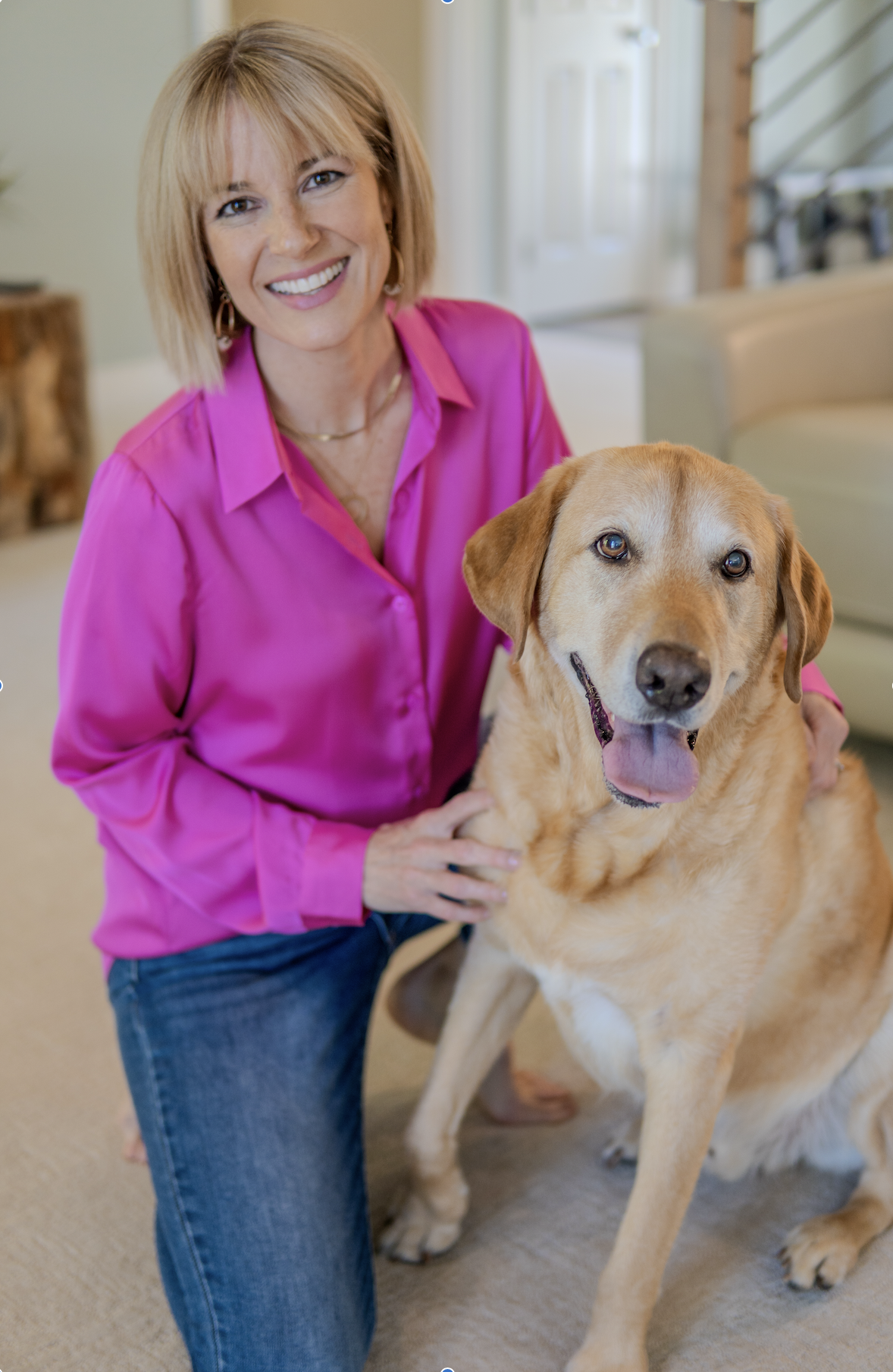
Founder and CEO
Samantha Stupak is the Founder and CEO of PetMedella and CBH Energetics, leaders in the field of bioenergetic health testing for both people and pets. Samantha has been a trailblazer in the industry since 2012 and built a global network of practitioners and clients seeking non-invasive, root-cause insights into chronic health concerns.
Her work is deeply personal - after overcoming her own battle with Lyme disease, Samantha became passionate about equipping others with the tools and knowledge to better understand what the body is trying to communicate. Through her companies, she has helped countless clients and thousands of practitioners navigate complex health challenges using a blend of bioenergetic science, nutritional insights, and natural wellness principles.
Samantha is a recognized thought leader in holistic health innovation, frequently collaborating with clinics, practitioners, and wellness organizations across the country. Her leadership bridges cutting-edge bioenergetic testing with a mission to make personalized, functional care for pets and people more accessible, practical, and results-driven.