
 Apple Podcasts

 Spotify

 Castro

 RSS Feed

 Goodpods

 YouTube

 iHeartRadio
235. The 6 Steps to Transforming Health—for Pets (and You) with Dr. Marlene Siegel

This Pet Health Junkies episode is on fire with Dr. Marlene Siegel breaking down her 6 steps to transform your pets health (and honestly your health too)!
Dr. Marlene Siegel walks us through her 6-step wellness system—for pets and people. We cover drainage → detox, gut/microbiome, clean environment, nutrient-dense food, nervous-system regulation, and lifestyle basics—what to do first, how to stack the steps, and the quick wins you should see along the way.
🐶 🐱 Nutrition & Holistic Health Consults: https://www.wildwellnesspet.com/collections/consultations
🐶 Get to the root cause with the Wild Wellness Bioenergetics at-home testing kit: https://www.wildwellnesspet.com/products/bioenergetic-sensitivity-testing-for-dogs-full-scan-wild-wellness-powered-by-pet-medella
💛 Follow The Pet Parenting Reset on Instagram https://www.instagram.com/thepetparentingreset/
🤍 Follow Wild Wellness Pet on Instagram https://www.instagram.com/wildwellnesspet/
📩 Get email notifications for new episodes:
https://jessicalfisher.kartra.com/page/tpprnotify
0:02 Hey there, it's Jess. If you're new here, I'm a certified professional canine nutritionist, raw nutrition certified for dogs and cats, a holistic pet health coach, the founder of Wild Wellness Pet, and the host of the Pet Parenting Reset podcast that you're listening to right now, where every pet deserves the absolute best and every pet parent is welcome. Learn from the best holistic and integrative experts in veterinary medicine and nutrition every Tuesday right here on this podcast. Or get individualized help with your pet through one-on-one consultations and take a deep dive into the root cause with the Wild Wellness Bioenergetics at Home testing kit. It's time to rethink how we raise our pets.
0:46 A reset to naturally healthy dogs and cats. If you've been feeling like there has to be something more, something better, a better way to raise healthier pets, welcome to the Pet Parenting Reset. Welcome back pet parent. Today's episode is actually a Pet Health Junkies episode. So I know not everybody who listens to the pet parenting Reset also listens to Pet Health Junkies, and that's OK. I absolutely love Pet Health Junkies, but it doesn't come out nearly as often, obviously, as the Pet parenting reset. And so I think it kind of gets sometimes a little forgotten about, which I'm not mad about when we have an episode with a guest and it turns out to be like, oh, this is really, really amazing stuff. I don't want you to miss it.
1:37 And so I am giving you that content today. It is an episode with Doctor Marlene Siegel. And actually we are going going to be doing a follow up episode with her. So I will be posting that on this channel as well. Doctor Marlene Siegel has been on the pet parenting reset before, but this particular episode that we did with her is all about detoxing because we talk a lot about detoxing, but what does that actually mean and how do we actually do it? And I feel like sometimes that gets locked. I don't even like, are we talking about this? I don't know. I know we talked about detox. Are we talking about how to do it? But are we talking about how to do it the right way? But are we talking about what needs to be in place in the body to be able to detox?
2:24 Because if we just try to detox and. Our. Detox pathways are not open. That can actually cause more problems than where we were at to begin with. So again, there's there's there's so many things we talked about in this podcast episode with Doctor Marlene Siegel. I don't want to belabor it because you're going to hear all about it. So here you go. This is the Pet Health Junkies episode that we just released with Doctor Marlene Siegel on detoxing for your pets. I know you're going to love this. Come back to me wherever you are. Instagram is my favorite place to be and let me know what you think and I will talk to you next week. Originally, Doctor Siegel, we wanted to have you come on and talk about your stick 6 steps.
3:12 I think that's what we had talked about. So I don't know. I can do it in 15 minutes. OK, do you want to do that? I do. I do get this light away from my head. I look like I have a You're good. I got a globe here. You look amazing and as always. Thank you. I've been doing like one thing after another. OK so 6 steps. I, I want to set the stage for this because there is so much noise and so much confusion and so many opinions and you know, everybody goes on social media and they get the answers right. So it's like butt holes. Everybody has one, some stink worse than others. And, and so we have to figure out a plan that when, when you build a house, you don't just throw the roof on you. You start with the foundation and then that from that foundation you put in the core functional pieces. You know, the infrastructure has to go in and then after you have the core foundation and the infrastructure is there and then you build your walls and your roof, now you can start to decorate.
4:11 So I say it that way because I think for a lot of people, they're on social media and they hear a curcumin, it's anti-inflammatory, it's anti cancer. Oh, we're going to feed our dog curcumin. That is the painting and the the add-ons that you can do in the house, but it's not contributing to the foundation and the structure. So here is the foundation and structure that we all can utilize. So step number one, stop doing the things that are causing the problem and we look at food. So we just talked very heavily on food. Quit feeding processed foods here. We yed there's other ways to get around it #2 is water. It has to be structured and filtered water. I think we, we had a water discussion once before #3 your air quality extremely important because our homes have worse air quality than anywhere in the world. Outside is even cleaner because at least it rains and the wind blows away toxins.
5:05 But inside we don't have circulation. So we have to have better air scrubbers in the house. And then the amount of cleaning materials and things that touch our skin. So our laundry soap, our cleaning supplies, we need to go back to DIY, get rid of those xenoestrogens in our laundry soap, go back to natural systems and then number whatever is the electromagnetic frequency. This is really important because right now we used to talk about dirty electricity and it and it was an issue, but it's worse now because since COVID, these electric companies have started to use the ground wire that comes into the house. I don't even know how to explain all that, but anyhow, they're loading that with frequency and that's creating way more dirty electricity coming into the homes.
5:54 So there are devices now that can be put on your, the electricity as it's coming out of the panel and coming into the house to actually get rid of all of that dirty electricity because it is wicked bad. And then smart appliances, all the things that we're doing, like I'm hardwired right now. And so I'm mitigating the amount of EMF that I'm having to deal with. Don't keep phones near your head and all that. And then the last we had food, we have water, we have air quality, we have the everything that touches our skin, the EMF. And then the last one, which I think is equally important to all of the rest, are the ants in our brain. And those are the automatic negative thoughts. And why that's important is because when we have a thought or an emotion attached with that thought, we create neurochemicals.
6:43 We're literally signaling the inside of our body, our cells, our mitochondria are communicating to the microbiome and they're telling our genome what to do so in order to survive. So when we have a lot of negativity, we're in high sympathetic tone, we're angry, frustrated, we're blame, we're shame, we're bitter, we we don't forgive. Those set off an entirely different neurochemistry to our body, communicating that all the way down to our DNA. And so our DNA is being changed thinking that we have a very dangerous inhospitable world out there. It doesn't know why, it just knows. It's getting that neurochemical that's telling it that when you are in a state of bliss and gratitude and joy and happiness, I try to go there at least 90% of my day. And it's probably higher because I really don't let a lot of negative things affect me.
7:34 And so now you're creating a whole different set of neurochemicals that are then going out and communicating to your cells. Why that's important to our pets is because they entrain to our frequency. So as we send off that signal, they look to us and they go, I don't know where the Saber toothed tiger is, but I can tell based on your frequency that I have to stay on high alert because it's out there versus I have a safe world. I can rest, I can digest, I can repair, and I can detoxify. OK, so that's step number one. Step number 2 is we have to have those essential nutrients that the body has to have in order to run its metabolic functions. So I know we look like some fancy thing here, but we have all these chemical pathways that are happening under the skin and they require these cofactors in order to make sure that they're running.
8:27 As an example, vitamin D, vitamin D and magnesium are required to run our innate immune system. That is the immune system that does not operate under our conscious control. So thank goodness that we don't, they don't have to send the signal to the brain to say, hey, there is a dangerous thing entering your body, you need to do something about it. And we missed the memo, right? So the innate system works without our conscious control and it just takes care of it. Imagine if you're deficient in vitamin D or magnesium, that system is off. Like literally offline. Well, 85%, this is a university study. 85% of dogs that were eating a kibble diet were tested and they were vitamin D insufficient. 5% eating kibble were vitamin D deficient because the diet's insufficient because that meat, if there was even meat in it, was never out in the sun. So.
9:24 So yeah, am I tying it together so you see how important this is? So for me, I can't. And I live in a food forest, guys, so I don't even know the quality of the nutrients in my food. Hey. I have a lot of gratitude for the food. And I enjoy eating it, but I still take my essential vitamins, minerals, fatty acids and amino acids. Those are the four things that you have to have for your body to work. And the same goes for the pets. So in my opinion, I think that we need to feed that species appropriate diet and we need to supplement with these essential nutrients that we don't care terror if they're not in the food because you're not overdosing it. The worst that can happen is you pee out some extra nutrients, no problem, but at least you know that they're there. Number 3 is to heal the leaky gut. And I would stick my neck out and tell you that 95% of the animals that we're dealing with, if not higher, have leaky gut. What does that look like?
10:18 It looks like the picky eater. It looks like the animal with skin problems, ear infections, GI issues, autoimmune diseases, cancer ain't doing right. All of those are examples of animals that have bad digestion. They have leaky gut. So we have protocols to fix that. But of course, you can't fix the gut till you stop damaging it. Let's use some common sense #4 is my area of passion, which is detoxification of all six organs of elimination. We have a kidney, colon, lungs, liver, skin and lymphatics slash fascia. Fascia really deserves its own, but I'm going to stick them together for now because the lymph runs through the fascia. The fascia is all that space that we thought was empty. None of it's empty.
11:07 So when we are unable to support those organs of elimination and people get sicker and sicker, then it's because they can't get rid of the toxins. So that's why they end up getting sicker is you've got all this toxicity coming in and your organs of elimination, which were designed to get rid of all of that, aren't functioning. So we have to support those organs of elimination. I've got tons and tons of information how to do that. Number 5 is the mitochondria. So we have these little organisms that live in and our cells, trillions of them, and they make energy for our body. How cool is that? If they are not healthy, if they are not happy, if there's not enough of them, then not only do we not have enough energy to function, run all of our biological pathways and still enjoy life, but they also communicate with the microbiome, all those microorganisms in and on us, and they communicate what's happening from what we're feeding them information. So we're the our eyes and ears and our thoughts are the lunar modules sending information back that then goes to the mitochondria, to the microbiome and it tells our genome what to do.
12:24 And I want to mention one other thing, because right now we're in a world where it's anti parasites, antibiotics, antifungal. Well, that's actually anti life is what we're talking about because we use more functional genes from the microbiome by something like 100 to 1. Then we do our own functional gene pool. In other words, if we didn't have all these organisms that we lived in symbiotic relationship with, allowing us to use their genetic information, their functional genes, we could not survive. And the more we kill them off, the more functionality we lose. So what we really want to focus on is the terrain of the body. How do we make home for all of us? We're we're like for the ship.
13:14 And that ship has to stay healthy in order for all the microbes and organisms to function symbiotically with us. It's when the terrain becomes bad that they go, Oh my gosh, my ship is going down. I need to do something. So they become, they produce pathogens, kind of like the weeds in the garden. The weeds are not the enemy, The pathogens are not the enemy. They're simply telling us that the terrain is bad. So we need to focus on how do we make a happier terrain and then not try to kill all the pathogens because we're in killing the pathogens, we're also killing the good guys. And then last but not least, I did this another 10 minutes. Last but not least is the trapped emotion. So all dis ease, there is no disease. There is dis ease, meaning the body is not in homeostasis. We're not in balance and all dis ease has trapped emotions associated with it.
14:09 So when we can decipher what that trapped emotion or emotions are associated with that particular challenge, then we can transmute those emotions into a higher vibration and release them and then go on to start to heal. How is that? It was amazing. I do want one point of clarification, which I think think hopefully anybody listening would be like Jessica, but just for clarification, when you were talking about Step 2, the essential nutrients and that you supplement those, you are referring to not synthetics because we just established earlier with food that we're not looking for synthetics, right?
14:54 Yes, but in like the B vitamin classification, some of them may be bioavailable because they they, you can't get therapeutic levels of B vitamins in just your food. So these are like bioidentical, they're not technically synthetic, but they're not technically the natural like at out of the plant because it has to be boosted. So it boosted in a normal way. But these and it's not all of them. I'm specifically referring to the B vitamins because they are so critical to our overall well-being. And when we're deficient in them, it affects everything. So we have to be able to have therapeutic levels and that's the difference between eating your salad every day and taking a vitamin.
15:46 Men, the goal is to have therapeutic levels. So think about vitamin C and we don't make vitamin C in our body, but our dogs do. I was involved in clinical trials and we were able to prove that dogs that are dealing with cancer aren't able to produce as much vitamin C as they did when they were in a healthy state. So we need to supplement them. We need to provide more support and for me, taking the essential vitamins, minerals, fatty acids and immunity, amino acids are that support, right? It's like an analogy. If there's something not working in your car and you're really not sure what it is, then do you by process of elimination start figuring out where the problem is?
16:30 What if you could just provide the body with the essentials that it needs there in a bioavailable form? Same thing with amino acids. And like amino acids come from our protein, when we digest our protein properly, we release the individual unit of that protein, which is an amino acid. Now it's able to be picked up by the intestinal tract, carried to the liver. The liver either uses it for building or it stores it. But when it's deficient in our food, so we're going to get a little technical here, but glyphosate, that terrible product that is raining down on us and spread worldwide. Now glyphosate blocks a pathway in the bacteria called the shikimate pathway.
17:17 This shikimate pathway is responsible for producing the three amino acids that make up our ability to produce dopamine, serotonin are feel good hormones. So if the plant can't produce it because that pathway is blocked, where are you getting it from because your body doesn't produce those? So again, it comes back to, I'm just going to make sure that all those essential nutrients are in the body in a bioavailable form. Now I don't have to worry about it. That makes sense, yes. Yes. And I'm, I'm not only thinking like, OK, we're not getting it necessarily.
18:00 We may or may not be from our food because like you said, our soils are depleted and you know, so many, most of the food that we have in our human food supply, certainly it's just not raised properly to actually have viable nutrients in it. But Step 3 was healing leaky gut. And I feel like, you know, there are varying degrees of that, but certainly in more severe cases of leaky gut, they may not even be able to get those nutrients, whatever is there in their food. Yeah, very absolute correct statement. The worst the gut is the and your digestion overall. Like if your bacteria are off because you've had multiple rounds of antibiotics, I'm referring to our pets.
18:44 Now if they've been spayed and neutered, they've been on antibiotics. Their home arms are screwed up. Now, you know, all these layers are adding to this problem. So now we have poor digestion. They eat protein, but they they may not have enough enzymes to break it down. Where when you're eating living food, living food has the enzymes already in it to break it down. That's why food rots. So when you have an apple and you bruise it, you're bruising some of the cells, which is releasing the enzymes that are used to digest apple. Now, when you bite into it and you chew it, you're releasing those enzymes as well. But if you ever watch things, when it rots in the refrigerator, it starts in one spot and then it spreads because as those enzymes are moving out, they're going into the next layer of cell.
19:32 They break that down, they release their enzyme, they go into the next layer. So when we're eating living food, we are using those enzymes to aid in our digestion. Our pancreas was never designed to do all the work by itself. It was designed to be the backup organ. So if you need a little bit more enzyme to breakdown protein or sugars or fats or whatever, then it gives you that extra little push. We're feeding our animals such highly processed foods that the only thing they're digesting with is their pancreas. So is it a surprise that they get? Pancreatic diseases, and they get insulin resistance and they get pancreatic cancer and pancreatitis. Not a shock.
20:12 You know it. When you understand what's happening at the biological level, it makes a lot of sense. It does. I want to give Pam and Janet some time to talk to you too. Now, this has been fabulous and thank you for running through that so quickly, but it's you. Hit on a lot of really great points that people tend to. Overlook. Because they zero in on, you know, one or two things, but they forget the other things that are just as important. And I think when you look at a, you know, from a synergistic perspective, they're all contributing to stress and disease in the body. So we have to address all those areas or you will not have true health and healing. Absolutely. And it's balance, you know, we've lost because there's so much confusion, there's so much noise, there's so many dangly objects. We forgot how to build the foundation and how to put the infrastructure in place and then create the final product. So everything that I do is very pinpoint. It's a methodical process of being able to fix some biological process.
21:17 And it doesn't mean that there would. Maybe there's other products that you could use. I've just curated the things that have become really good under my hands. Again, maybe a lot of other things that are out there, but the thought process is the same. You want to fix from the ground up, you want to build the terrain, you want to support the body so that it can actually do its job. We don't heal anything, ladies. We are simply either getting in the way or we're supporting the system, but the system knows what to do. We've screwed it up. Yeah, I think from my perspective, being a retail store, it is so challenging with every person that walks through the door because the mass majority of pet parents going back to even saying what you said about foundation, the information that has been handed down to us for decades is not, is just not truthful.
22:17 That's a that's a pleasant way of saying it. And and you know what? It may be at the very top of the pyramid. Maybe that was an evil intention that started it. I don't know. But those of us who were trained use veterinarians as an example. We all went into our profession to do good, right? But we were taught a belief system. And what is a belief system? It's a thought we keep repeating. So we have our mental body. Can I go over the five bodies? Might have done this before. You have your spiritual body, your connection to higher consciousness. Then you have your mental body, which is where our thoughts come in. Then the emotional body, where our emotions come from, and we have them on the full spectrum. We go from the lowest frequency, which is the lowest frequency, which is shame, all the way to the highest frequency, which is actually gratitude.
23:10 How cool is that? And so, and it's that spectrum. And I think part of the game is to be able to identify those low frequencies and move them to the physical body so that they manifest into our physical experience. So. So a belief is simply a thought married to an emotion that you feel strongly about. Doesn't make it right, doesn't make it wrong. So when we went to veterinary school, we were taught to think that nutrition came in a bag and that Hills and Yuka Nuba and these Purina were the end all be all of nutrition and they knew what they were doing. Right. Look at human nutrition, it's not a whole lot different, right? So we have been ton taught critical thinking skills. We have been in kind of suppressed to the point where we don't ask questions, but yet we're shown the truth and then we don't connect to it.
24:05 Like the dots are still separated. But if you think about when we watched Mutual of Omaha Wild Kingdom, who's old enough to remember that? Raise your hand. All right, Only two of us. Well, in Perkins, right? I don't know if they still have replays, but it was amazing. We we learned every week. We learned about wild animals and how they lived in the wild and how they killed another animal and they ate it and blah, blah, blah. National Geographics is our modern version of that. We watch what nature does, and yet we don't look at nature for our answers. I do because that is literally my teacher. If I have a question about anything, I will turn to nature and I will go find me that model in nature.
24:46 And then I'm going to model after that because, you know, nature is sustainable. So we just have to take back our critical thinking. We have to take back our power. Our power to heal is in US. We have given our power away. We have said, country, you take care of US, government, you take care of us. I'm going to trust agencies to make sure that my stuff is safe. And I can't tell you in the beginning of my practice, when I started understanding nutrition and people would say, but why would why would they serve this in a restaurant or in a grocery store if it wasn't healthy?
25:26 Healthy, Yes, they can. And they made money off of it. But now, you know, shame on us once, but shame on us twice. No, no, no. So now it's that time where we start becoming more discerning. We start using our critical thinking skills. We vote with our dollars. OK, Mike, everybody get that vote with your dollars. When you pay for a meal at a restaurant and you did not ask for seed oil free and gluten free, then you are promoting that business to continue to poison people. I can't make that any nicer. So if I have to go out to eat and I am apia to go pain in the to go out to eat with because I will call ahead now. I will talk to the chef.
26:11 I will tell them I have an allergy against canola and soy and vegetable oil because they know all three names. And then I and I am 100% gluten free. I'll get very, very ill right there at the table and so there and most restaurants are really good at taking care of that now. So you have to stand up for yourself because nobody that chef, his job is to make good food for you to eat for you to enjoy it. And you enjoy it in the moment, but you don't enjoy it the next day or the next year when it's creating dis ease in the body. So we have to stand up and be our own advocate. And when it comes to our pets, we are their guardian. We are the steward of the earth and we are the guardian for our pets.
26:57 And it's up to us to learn the truth and then act upon it. And it's not hard. It just means evaluating your belief system and going, maybe I need to learn a little bit more. And then once you learn more, you can't unknown, you can't Unsee, and you can't unhear. So it's truly our responsibility at as humans having an earthly experience to learn and do better. Yes, How are you doing on time, Pam? I'm going to have to go all. This has been great. I can stay girls if you want because I came on late. I am so so sorry. Apology, you're good. I'm going to have to get rolling too. I do want to say though the back to the foundation, the I think the all of that about food is so true. And being in a retail environment, we have these choices and we make those best choices, you know, that are available to us to bring into the market to offer to pet parents and one of the like.
28:07 You have the different steps. Well, when we're talking with pet parents, we have to assess where they are in the process. And most of us are at the bottom rung of the ladder just becoming awake and kind of peeking behind the veil, if you will, or behind the Wizard of Oz curtain to say what's really going on here. Because we are in that time period where people are being not woke, awakened. And you know, the ones who are further along in that journey are always more receptive because as you mentioned, they have to be ready to receive. But we do have to keep it like we have to water it down.
28:51 When you going back again to foundation, I'm always gut first. Gut first because that's the part of the receiving mechanism, if you will. And I think it's safe to assume that 100% of the pets that walk through the door anywhere have leaky gut because we've just started to learn in, in recent years about leaky gut for humans. And again, like you said, it translates from what we know for ourselves. We start to on that journey think, OK, well, if it's true for me, then it is. How true is that for my pet? And you know, it is, it's always a good day when you have a, a pet and all of them are well meaning.
29:34 They're just a long different points on the path or the journey. And it's up to us to question them and to find out where they are. And then in that discussion where we're talking, not just food, we're talking about gut health. It's always a great day when they are receptive to learning about how critical the habitat of the gut Biome is to, you know, you can go buy the best raw food, but if the gut is unhealthy, it can only do so much. Yes. Just when I think about you, Doctor Siegel, I mean, you are, you have eclipsed the ladder and you are walking on that tightrope.
30:21 And it would be, I mean, that's just a, a dream to have everybody, you know, myself included, to be able to walk where, how you walk and to, to know what you know and to do the things that you do. And so I think on a practical standpoint, as I see like all three of us addressing our relationships with our customers and clients and it's OK, where are they and where is that jumping off point? And I mean, for us in the retail space, it is always gut health. And it's the ones that aren't ready to hear that or to wrap their head around what we're telling them.
31:01 And I'm just going to stick with what I'm doing. It's crushing. Yeah. Because when you know better, you want to do better. Yeah. But, you know, imparting your knowledge and then having it received, I mean, maybe you. Again, we're just at the very tip of learning that learning curve and it's just going to open up, right? That's what we can hope for. And we were talking prior to you joining us about trends in the pet food industry and now we're seeing the veterinary community and and they're going to have to adjust. We foreshadowing and tell us they're going to have to adjust on this human food, real food.
31:48 You know, previously we're we're going to die on that hill by saying no, they need kibble it, you know, it's that's the only diet for them. It gets the tartar off the teeth, which I just love. I'm like, actually, it does the complete opposite. But you know we're seeing all the big pet food companies now going to fresh food and that in itself we were talking about it's an opportunity to educate because they have the dollars to reach the market. Hopefully the market will come back and talk to us so we can then talk about sourcing, manufacturing and again in gut so. Yeah, some of these big box companies are actually buying some of the small raw boutiques.
32:34 So they don't know where the trends are going. You know, that's their job is to do capitalism, which I'm a capitalist. I I love it, but not at somebody's expense or, or to harm others. So yes, so we do see that trend going and, and now the movement is so big, even though I, I'll call and get a consultation, maybe at the lab and I'll ask the question about, well, couldn't we use diet to do XY or Z? And you can just see the doctor roll their eyes. But once in a while I'll get one of these specialists and they'll go, oh, tell me more about that. And I've actually had a couple of them take my veterinary training course. So yes, we are making headway. And I think your point about meeting people where they're at is 1000% the right thing to do, but we don't want to leave them there.
33:21 We want to give them a little bit of a loving embrace to take one step forward. So, you know, I think I've told you this guys before. I think I've shared that I tell people to create a piece of paper, fold it in half and make column A column B and column A are all the things that they're learning about this podcast. Anything, all the things that they're learning about that they're not doing yet, and that becomes all of column A and then column B are all the things we shouldn't be doing. We've been taught, but we're still doing it because we haven't learned the substitution for it. Now instead of being analysis paralysis, and I did so overwhelming, I won't do anything now. You just pick one thing from column A to start and one thing from column B to stop, and it may be the same thing. Maybe it's feeding 50% raw and less kibble. It makes enough to be 100%.
34:18 So do what you can, but do something. Don't stay in the same spot. Einstein said Insanity is doing the same thing over and over and expecting a different result. Well, we cannot ignore the health or lack thereof of our fur babies, so people will do things for their pets that they won't do for themselves. So you guys are truly in the groundbreaking position to be able to help educate people how to make that transition, even if it's a little bit at a time. It's OK. I do not have the lifestyle I have overnight. Now when people hang out with me, they go, this is freaking amazing. I don't think I could do it, but it's amazing.
34:59 So, but you know, I've had over 40 years to implement and I think almost every week something new comes across my wheelhouse and I integrate that into it. It's a little bit by a little bit, but it was literally one step at a time. Sure. So I think we need to do a podcast where you guys come down to my house and we do it in the food forest. Wouldn't that be cool? Or we can do it from in my office. We'll do another one for my office. You know, I won't be late. And so I'll be like, did that to you guys twice, I think. Anyway, my apologies. And that would be cool. Yeah, we could actually do a live out of my office and just show all the different things that I do. That would be for everybody, but everybody can find where they're comfortable starting. And I think that's a good place to wrap it up is just everybody has a jumping off point that everyone can make small changes, even if it's just one thing at a time. And it really is.
35:55 I was listening to you a couple of wins, small wins have come across, you know, this week and it's we're on Wednesday. So I think that's awesome. But you know, when you're trying to help a pet parent who may be a little resistant to the new knowledge that you have, you know, planted there and you see them come back and it's a positive change that you've helped them to make that that is a celebration. Because. And one, one woman who literally told me, don't tell me I don't want to know. And so for me, that was OK. I'm overwhelming her back up.
36:40 You know, I don't you don't take it personally. And I was and I appreciated her honesty and I said, OK, great. Thank you. I mean, I, I understand that because I have been right where you are standing where it was like, OK, I've I've heard enough. I need to digest what I've heard. But we actually got her from I don't know how to say this one of the the unsavory big pet foods and quote UN quote, you know, air quote prescription foods to the freezer one I got 1 Patty at a time. Yeah, so. And we, we now have like gotten a 3 LB package of the fresh and we've left the other stuff behind.
37:25 So we're getting there. We're getting there. So we all started somewhere, you know, and it doesn't matter where you start, it's just the fact that you're moving forward. Yeah, I laugh because when the first time that an independent pet store owner talked to me about raw food, I said what we hear just thousands of people say. It's like raw food. You want me to kill my dog because I knew raw food from the grocery store. And it says intended for, you know, to be cooked before being consumed. And that tells you how I knew absolutely nothing. I mean, I had been feeding, you know, probably a Petco or PetSmart, you know, kibble or Tractor Supply kibble. I don't even remember back then.
38:13 Yeah, and but I knew my dogs had problems and I needed help. And for whatever reason, what the veterinarian had told me that day, I said let me go and research what you're telling me before I make a decision. And I went across the street to an independent pet store that was woman owned. And she was my first introduction to raw food. And when she heard about the description of Hank's ailments, which were he was overweight, he had oily fur and he had allergies and yeast, you know, just paw licking and scratching. And she, she went for it. She went for the jugular.
38:53 She goes, you need to switch him to raw food. I was my, my brain exploded. And now my store is about to get its 24th freezer. I love it. So I was speaking with a specialist last week and it was a dog that had a metabolic problem. And so she had her prescription food that she had recommended. And they said, well, I, I use a raw diet and she goes, well, that's very dangerous because it it grows E coli and it's not nutritionally balanced. And she had all this misinformation. So I just took a loving deep breath and they said, well, this is actually a product that I produce. It comes out of AUSDA facility.
39:34 Everything is inspected for E coli, listeria and salmonella by the USDA and it's handled safer than most human products are. And it comes from a grass fed grass finish source. And I separate my micronutrients from my macro nutrients. And she got so defensive. Well, you just do whatever you think, and I'm OK. But you know what? I planted a seed and I am sending love and compassion because she's still a colleague of mine. She is another veterinarian. And I know she's not saying things because she's mean or hateful. She doesn't know better. Now that I kind of like Siri, you know when you say something out loud and Siri start sending you ads? So now I planted that seed into her mind and she's going to start investigating.
40:24 She's going to start being curious. That's good, yeah. That is excellent. And like you said, you don't take it personal. She simply has a belief system that is very strong and she doesn't know better. Yeah, I had a encounter with a veterinarian in my store very, very recently who was eavesdropping on my conversation with a couple. And I am very honest in my store. I have I too have a belief system and my belief system has changed over the years. And so we discussions of topic were vaccinations, flea, tick and heartworm, pesticides because let's call them what they are, kibble diet versus a raw diet. So we discussed tighter testing.
41:08 We discussed the lack of holistic veterinarians in our community and the distance that you have to go if you if unless you go online, you have to drive a distance to get a holistic veterinarian in our area. She was visiting from out of town. Her mom shops with us and at the when I realized that what had been going on, I asked her if she was a holistic or a traditional veterinarian and she has her own clinic and she is a traditional veterinarian and I asked her, would you become a holistic veterinarian? Because we. We. We need more and belief systems. And her reaction?
41:51 Her reaction? I did say. I hope I did not offend you with my candid conversation because I was very candid, as was she and, and she tolerated it. But she did say, she said, you know, I was trained a certain way. And this is going back to belief systems. I was trained a certain way and I'm so invested and I have my own clinic and in order to learn that, it would take so much time and I don't have that time. Yeah, wrong belief. Though yeah, that's a misbelief. She chooses to continue down that path. And that's where my heart breaks.
42:34 My heart breaks not even a little, a lot. Because going back to if you know better, do better. And when you know better and you choose to continue to do what you've done, there's a lot. Yeah. I don't know that I have the right word to say it right now, but that is a little. It's disconcerting to hear. It makes me sad to hear. Yeah, and you know, the truth of the matter is she she wants to do good. Yes. To look at your client and say I'm sorry, there's nothing more I can offer except euthanasia. They that that is takes part of our heart out like you really suffer with that person in their pet. So she just doesn't know that there's other options.
43:18 She doesn't know that there is a bigger tool kit. Right. You know, maybe dropping a link to one of my talks or one of my slideshow presentations or my course for veterinarians, sharing something like that. And just saying, I know you're not happy when you have to look at a client and say there's nothing more that you can do. But here are some other veterinarians who have found another path. They've found a bigger toolkit and even just even talking about ozone, because ozone is becoming such a prominent conversation. So even if all she did differently was include ozone in her conversation and she can include that into her practice for a nominal investment and a very short learning curve, and you're not doing any harm.
44:06 So even great like that would be amazing. That's a very good point because there are things you don't have to go for it. You can just start taking courses and learn something like you said, the pick something from column A and start incorporating that. And I don't know if that point when you could drop something from column B in her situation, but hopefully, hopefully I planted a seed and it would make her maybe look into it. Yeah, I'm. Going to get in touch with her, but maybe she'll listen to this, you know, or come across you. Maybe she'll go look. Yeah. And and I think that's where we do find a lot of veterinarians. They finally get so discouraged and they're, you know, compassion fatigue is that we have in the veterinary industry the largest suicide rate of any industry because veterinarians really do care. We care with all of our heart and we spend so much of our time and our energy and we it's not a high paying industry. So you know, these people out there really doing it for the right reasons and to know that you've not been able to be successful or that animal still died or you didn't have another option to offer it can really.
45:20 And then the worst part is clients who want to turn around and blame and shame their veterinarian. And that is devastating. If you guys listening out there, don't ever, ever, ever think that your words aren't meaningful and painful. I mean, it could crush somebody. I know too many of my colleagues that literally euthanize themselves in their offices. They committed suicide because the pain and the shame that people were doing to them. Especially now we got social media and people can do reviews and oh, it's a biased review. Yes. I have so much confidence in who I am as a human being that if somebody says things about me that aren't true, I just behave so that they don't believe that. You.
46:10 Know because you can't do anything else about it, but just keep your head up and be the person that you know you are. And that's that's easy to say, but for those who are, they have other things going on in their life. They have, you know, that the pressures, the depression, the whatever, you know, it just turns into a really sad situation. So let's all just be more kind and compassionate. Remember the old we grew up saying, if you don't have anything nice to say, don't say anything at all. Like what if we went back to that? Like you don't have to hurt somebody to make you feel better. What if you just acknowledge the fact that you have a difference of an opinion. You're coming from different places and everybody has the right to be in their own belief system. I don't have to change you.
46:59 You don't have to change me. We can agree to disagree. These are old adages like me to learn this growing up, at least at my age. I learned it growing up and I've lived that principle my whole entire life. Even when I was married, I did not say things in anger. I because I knew you can't take them back. Right. Well, in the, in, the fortunate thing is, is we do have choices and options. And so if one's belief system does not align with the practitioner that they're going to, whether it be for themselves or their pets, family member, whatever it may be, you have choices. And so just like you call around to restaurants to see, you know, if they're serving up, you know, healthy food options that align with your belief system, you can do that with your your health practitioners, your veterinarians, where you shop for groceries, you know, just anything. Yeah, absolutely.
47:57 Spend your dollars on businesses that are going to help support you, your pet and Mother Earth, period. I mean, it's not hard. You definitely can choose where you're putting your dollar because they are a vote yes. And if enough people during, I mean during COVID, if there were enough people that would have stood up and said no, the whole thing would have collapsed in on the whole system. But they didn't. And so many people got so harmed, the IT was sad. It was really sad. So I just try to live by that principle. Make a choice, make a decision, learn, and then make that decision based on some form of, I don't want to say scientific evidence because science has been so bastardized and so misused. But it still has to make common sense. It has to follow know nature's principles that and then we have to use our critical thinking skills and say, is somebody making money off of this or are they really looking at for my highest and best good?
49:02 And nobody is going to protect you but you. The power to heal is within us. Period, end of story. Don't be blaming your government. Don't be blaming the grocery store or your vet or your doctor or your pet store. Take responsibility and support those that are supporting you in a healthy, sustainable way. Very good. Thank you so much. I know. I think that's like a perfect place to end, too. That was a very powerful statement, a perfect place to end. Well, thank you ladies and thank you for letting me barge in at the 11th hour and. We appreciate you so much.
49:43 Thank. You well, I I want to come back on. I want to do more work with you guys. I love what you're doing. I really love the idea of doing 1 from my office and one from the food forest. I think that would be cool. Me too, definitely. All right, well, I got a big house and lots of bedrooms, so you let me know when you're coming. I love it. Thank you so much, Doctor Siegel. You're welcome, guys. Bye. Bye bye, have a great rest of your week. Bye. Bye.
Dr
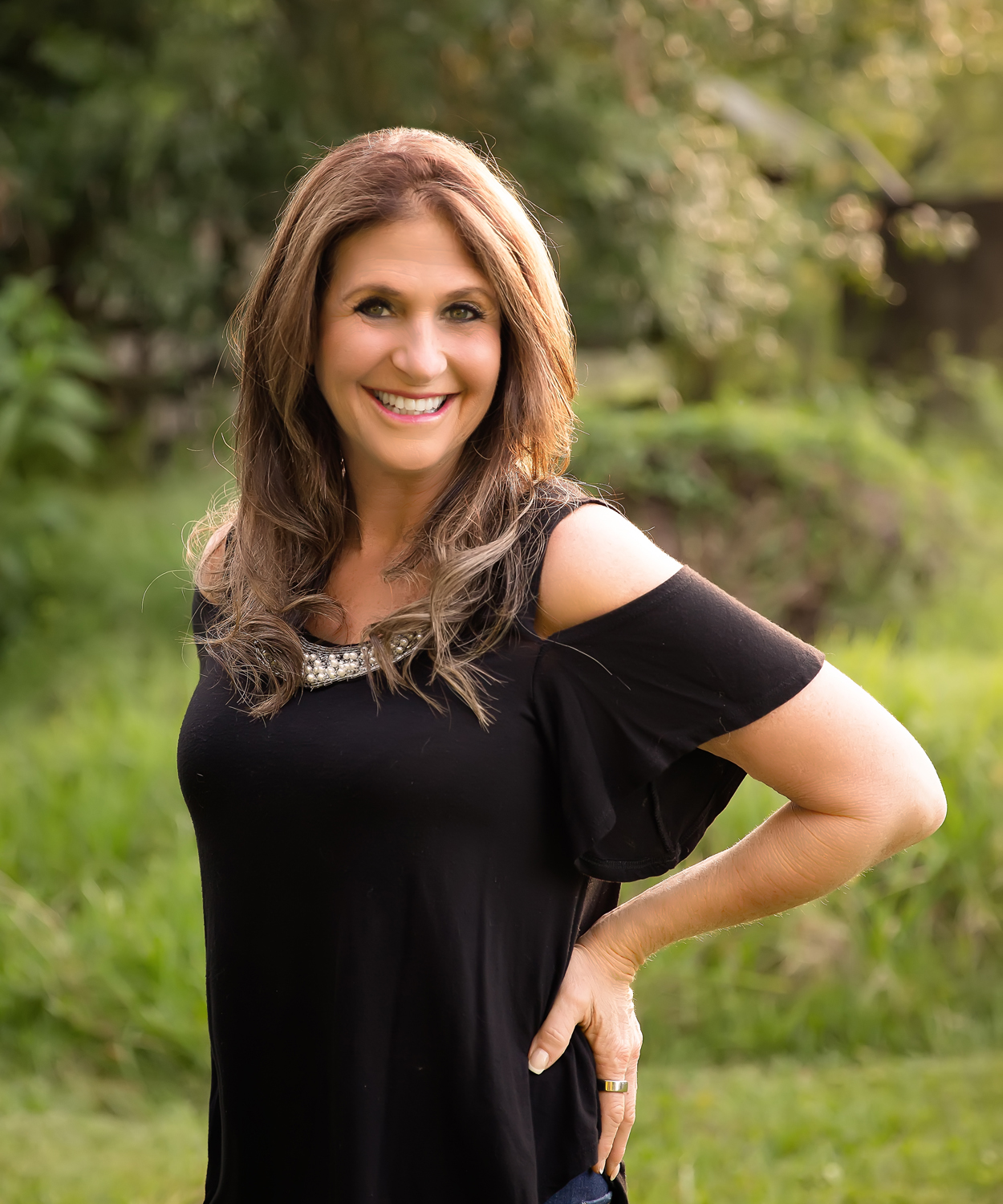
I have been practicing veterinary medicine for almost four decades, the last 25 years have been dedicated to expanding my alternative “tool-kit.” I have experienced success in improving many health challenges that were not resolved with traditional medical care.
My interest in alternative medicine lead me to become a Certified Natural Health Professional in 2012. The knowledge and skills derived from this certification has added immeasurable value to my practice. I practice various modalities including Ozone, Photodynamic therapy, Assisted Lymphatic Therapy, Hyperbaric Oxygen therapy, Laser therapy, etc...
I have been a visionary in the health field. My hospital was the first in Florida to offer ultrasound telemedicine, and the second hospital to offer class 4 laser therapy, the first on board with digital radiography, and I continue to strive to stay cutting edge in the profession.
I began VSST- Veterinary Support Staff Training in 2006. It is a program that teaches lay people an introduction to veterinary receptionist and veterinary technician assistant, enabling them to get an idea of what the profession requires and a foot in the door for those seeking a career in veterinary medicine. I also have an extensive volunteer program that gives students community hours and an introduction into veterinary medicine.
My role as a practitioner is to educate and empower people to make informed decisions. My client/patient relationships start with a complete history and a thorough physical exam. I then educate my pet parents of the options availab… Read More