
 Apple Podcasts

 Spotify

 Castro

 RSS Feed

 Goodpods

 YouTube

 iHeartRadio
Bird Flu: What We Know So Far (Weekly Pet Roundup LIVE)

There's a lot to unpack with bird flu (H5N1, avian influenza, HPAI) Isabel and I break it down for you in this week's episode. Cliff's notes: Cats are much more at risk than dogs. It can be contracted through eating the raw meat of an infected bird, as well as through environmental contamination. Mitigation can look like cooking, HPP, fermenting, and most importantly SOURCING! Send us a text 🐶 🐱 Nutrition & Holistic Health Consults: https://jessicalfisher.com/product-category/holi...
There's a lot to unpack with bird flu (H5N1, avian influenza, HPAI)
Isabel and I break it down for you in this week's episode.
Cliff's notes: Cats are much more at risk than dogs. It can be contracted through eating the raw meat of an infected bird, as well as through environmental contamination. Mitigation can look like cooking, HPP, fermenting, and most importantly SOURCING!
🐶 🐱 Nutrition & Holistic Health Consults: https://jessicalfisher.com/product-category/holistic-pet-health-nutrition/
💜 Follow Jessica on Instagram https://www.instagram.com/thepetparentingreset/
📩 Get email notifications for new episodes:
https://jessicalfisher.kartra.com/page/tpprnotify
0:00 Yes, hello, welcome to 2025 and we're going to be talking about Berkeley today. Do you want to go live on the Facebook and YouTube and then we'll jump into everything. Thank you guys so much for being here. I'm so excited you're here because I have so much to tell you. Hi everybody on Facebook and YouTube and Instagram, Welcome to the Week, the first weekly pet roundup of 2020. 5 yes, I know we were going to do resolutions this week, but with, yeah, with the whole bird flu thing, it just felt like we really, really should be talking about this. And I'm kind of glad we didn't like rush into talking about this because it's just been.
0:50 I feel like there's just so much fear that people needed a minute to, like, settle down and kind of like, get their heads back on their shoulders and be like, OK, now I can listen to what people have to say about, like, what's actually going on and what the facts actually are. But really quickly, before we do that, in case this is the first time you're joining us, my name is Jessica. This is Isabelle. Hi, I have my podcast is the pet parenting reset per podcast is covered in pet hair and I was like I was sleeping up this morning and in my head I just kept going. It was like over and over, like you're going live in 2025 because you're doing your your podcast live now.
1:34 You start. Yes, I'm transitioning to a live podcast starting 2025 because I'm having a really hard time editing and putting stuff out because I am a digital marketer and I work with pet businesses. So like that's where my focus really lies. And then my podcast, I love to do, I do journalism, I love to interview people, tell people's stories. But live is going to be a lot easier to get out in time in a timely manner. So that's why I'm going live. But yeah, I'm usually in my office. But it is the new year. I am not ready. I am not ready at all. The holidays have been like task after task, home, home project after home project. So I'm in my family room slash kitchen here. That's my dog Satchmo over here.
2:18 I don't think you guys can see him there. He is over there. And then so I'm not usually here, but that's what you get today. So welcome. And hopefully by New Year's resolutions next week, I will be in my office because right now I can't even walk in because we're working on 2:00 rooms. So all the stuff from that room, those rooms are in my office. Goodness. But I need to get together by Thursday because I go live with the Whisker. Whisker Report hosts Whisker Media, Alexand and Mary Tan on Thursday. So I got to get it. Together. Yeah, that's quick.
2:59 Quick too. You got to get it together. Hopefully your kids do go back to school on Wednesday so you can. You know, I had to. I was telling Jessica I sent my kids and my husband to a hotel locally with a heated pool for the past 24 hours. And it has been magnificent to be able to work on my home by myself. And I also did some work work and I took some client calls. And because they've been off since like the 20th of December, I don't even know what it's like to have quiet anymore. So this was nice. And I told old Chris I was like, I go live at 3:00 on Monday with Jessica. Do not come back until after 4. There you go. I hope he no interruptions. Hopefully I. Hope he remembers.
3:41 Yeah. So we're talking about bird flu or depending on where you're. I mean, it's highly pathogenic avian influenza. If I can get all of that out of my mouth, H5 N 1, which is a subtype of influenza A. And what I find really, really interesting about, well, a couple of things I find really interesting about this particular virus is that typically speaking, when we think of the flu virus or many viruses that 'cause this type of the, the type of issues we think of with flu like the, the, all the respiratory things we think of it being transmitted through like respiratory means. So droplets, air breathing the same air, that kind of thing. But with this one, it has AGI component. So it has been found in feces.
4:38 It is being transmitted through eating the raw meat of infected birds and also contamination like environmental contamination, so like their feathers, contaminated water sources, things like that, which is is very interesting to me. And also the other really interesting thing about this virus. Again, most viruses when we think of like what is the goal of a virus is to reproduce and continue to transmit, right? So a virus is not doing itself any favors and killing its host, but in cats it is highly fatal.
5:21 So, and that's where the big concern is right now when we think about like, raw food. So hey, Kara, glad y'all are discussing it. I I wrote, Kara wrote a blog. Yeah, that's awesome. I've been reading so many things on this. And I was actually, I haven't even finished the video that Doctor Connor Brady put out I think yesterday on it, which is super interesting. I have a post that I'm going to put up after we get off of this live with that just kind of summarizes everything. And then in the, the like caption of that post, I, I'm going to link to Doctor Connor Brady's video because it goes into detail about something that I don't think we're going to have time to cover here today. But the basically the zoonotic strains of H5 N 1 could have AGI component like we were just talking about. It can be ingested, it can be through food and water. So the transmission is different in that way and that's why people are so concerned with cats. Just a little bit of background.
6:29 It was first found this particular strain, the H5 N one strain from what I could find, it was first found in 1961 in South Africa. It became quote highly pathogenic in 1996 in China. The first human case was found in 1997 in Hong Kong. And then in the 2000s it started to spread worldwide. So it's not new I guess is what I'm trying to, to tell people here. This isn't new. We're just starting to see I, I hate to say it this way because my heart goes out to any animal that is infected by even birds that are infected by like, but especially our pets, our dogs and our cats more so are cats right now and what we'll talk about that in a little bit.
7:18 But my heart goes out to any animal that is infected by this, that suffers from this that dies from this. And we know that a house cat in the Pacific Northwest did die a few weeks ago from this, which prompted a recall from Northwest Naturals, and then the Internet went crazy. So that kind of brings us up to where we are now. Well. Yeah. And this particular outbreak started in January of 2022. Like this is this is just now in the United States. So this is just now getting that attention again because of the media coverage of that particular situation.
8:01 And you know, right now if you go on the CDC website, they are tracking the locations of it and it's in every state like, but some more than others, right? So no matter where you are, yes, be aware of it, but just know that like Texas doesn't have like the CDC doesn't really have anything on the map for Texas. Whereas the Pacific Northwest in California, you know, Idaho, oh, Nevada has some, like there's some counties there that are showing a lot of activity for this particular outbreak. And then Florida too, and then some parts of the Midwest. So you're, you got to be really aware of where you are and how it's affecting your area, your particular area.
8:46 Because you know, we don't want to start everybody getting all worked up and afraid of everything. Because honestly, I feel like norovirus is more concerning for me. I'm in my house right now because I'm in Texas. We don't really have out. We don't have outdoor cats. We don't feed raw poultry so like my risk factors are lower and lower right and my dogs are walked only on leash. They're not let off leash so they can find like some carcass. So my and risk factors for bird flu right now are pretty low, but my risk factors for norovirus for our house are pretty high because I have a 7 and a four year old and they're gross. So, you know, just remember that like there are millions of viruses out there. There are millions of things that are potentially harmful for all of us at this time.
9:33 So getting scared of one thing to the point where you like can't function is not really like it doesn't make sense and it's also not good for you. So let's let's talk about things that we can control and not what we, you know, are going to make ourselves crazy trying to. Control. Yeah. So what I was, what I wanted to do is talk about the virus, talk about the raw food and the recalls, and then talk about a little bit, not a whole heck of a lot, but a little bit about why we don't need to freak the heck out right now. Like, please don't freak the heck out right now. So OK, H5 N 1 HPAI, highly pathogenic avian influenza, bird flu, whatever you're seeing it called, it's mostly like seriously affected.
10:32 The reason it's called bird flu is because it most seriously and is most easily transmitted through birds. So wild birds, some farmed birds because of how poorly they're kept. Generally in in my mind at least, that's that's kind of how I'm going with it. It's definitely makes it easier. For makes it makes it easier to spread They're definitely you know, their immune systems aren't great because of how they're cared for all the things. So H5 N 1 infects cells by binding to A23 linked cialic acid receptors say that five times fast. They're abundant in the respiratory and intestinal tract of birds and in some mammals, including cats. So This is why it is so highly transmissible to cats is because they share these A23 receptors and cats, their respiratory systems have these receptors making them very susceptible to the transmission.
11:36 So dogs are nowhere they, I don't want to say that there isn't a risk. There's always a risk. I mean, we've seen it in many, many animal species, including humans. But the degree is so far less that because and and one of the reasons is that dogs have A26 receptors primarily. So cats and very interestingly cats and birds are the ones that have these A23 receptors that and that's what's making it so highly transmissible to cats specifically symptoms, fever, lethargy, the respiratory symptoms we would think of coughing, sneezing, difficulty breathing. It can also have some neurological symptoms. And then if there is AGI component to be had, you, you would likely see it in the in the cats and from the ingestion of the raw poultry that was infected. So Vomi and and diarrhea could also be present. And this is it's often fatal in cats right now. It's what they're what they're what we're seeing. And that is, again, one of the really like really strange things about this particular strain of this virus is because that's not the goal of a virus.
12:53 So my hope, my hope is that this virus will adjust very quickly because it's realizing that it's killing its host really quickly. It doesn't have the opportunity to replicate and spread, which is the goal. So hopefully that in my opinion, if we let it do its thing, it will kind of adjust itself fairly quickly because that's that's not what a virus wants to do. That being said, right now it is very fatal in cats. I also found one other thing that I I wanted to say before we jump into like the actual food part of it. When we think about raw poultry in general for human consumption, they are testing birds. So in the United States specifically, I didn't look outside of the United States because there's so much information just to cover here in the United States. So I apologize if you are outside of the United States. I mean, I think it's safe to say, I think it's safe to say that Canada and Europe are probably doing their due diligence as well.
14:03 Outside of that, yeah, you'd have to do your own research. And there are different ways of testing. PCR tests are like the gold standard when farmers are, I guess we call them, farmers are testing their flocks, but they can do swabs of the throats looking for the virus or antibodies to the virus, which is a whole other thing that we could get into. Like testing for the DNA doesn't necessarily mean that it's active, right? The virus could actually be inactive, but the the DNA is still there. So that's a whole other thing that we can kind of talk about a little bit when we talk about mitigation processes in raw foods, specifically when we're talking about feeding our pets. But swabbing the environment, doing blood samples, again, PCR tests, detecting the RNA of the virus show to be 95% accurate. There are other like blood tests, virus isolation, those things, but those aren't as accurate. So if for some reason you did decide to contact somebody who is making food, who, who is raising birds, excuse me, ideally you want to be looking for them to do PCR testing. Again, dogs can contract H5N1, but it is rare and it's most often when they are in direct contact with an infected bird because, again, the receptors are different. So poultry farms are, in the
15:34 United States at least, supposed to be pre slaughter, having pre slaughter inspections and testing. Yeah. So that kind of brings me to the food situation. Are you ready for the food situation? Yeah, well, like we'll, we'll this is this is really for those that feed raw, but I, I have questions about commercial pet foods too. So which one do you want to? Start with the recalls are coming from right. Well, commercial. Cooked commercial, cooked OK. So because if we're not feeding human grade, how do we we know that there's nothing painted in there? Well, and that.
16:24 And that's my. Cat has to do that has to do with how do we inactivate this virus because it's an encapsulated virus. So if we, if we damaged the, the encapsulation, then it's no, it's, it's an inactive virus technic unless, unless it figures out how to repair itself. And so there are mitigation factors that that we can talk about. But I want to, if it's OK with you, talk about the recalls because there is. So it prompted the Northwest Naturals recall. Murash Meets of Portland is their Packer. They issued a voluntary recall for their 2 LB Turkey feline recipes due to the highly pathogenic avian influenza where a house cat died.
17:21 And I again just want to say I I am so so so sorry that this house cat died. I honestly wish nothing but like peace and love to this cat's family. I hope that they I hope the cat didn't suffer and I hope that they are at peace with with what has happened. That being said, Oregon Department of Agriculture did not do what they were supposed to do when testing this sample. So they tested the open package that the client, the customer, the pet parent provided, which did test positive for avian influenza for H5 N 1 and matched the match that the cat they said died of this same strain. Susan Thixon wrote her blog a while back, right right after this happened, saying it is mandatory for regulatory authorities to test unopened samples. The protocol for USDAFDA and all state departments of agriculture is to test an unopened sample.
18:31 An unopened sample is not an I'm sorry, an opened sample is not an acceptable sample to force the company to recall. An open sample can be contaminated from outside sources prior to analysis. Laboratory analysis of an open sample should never be used to issue a press release frightening a world of pet owners. That's a quote from Susan Thixton's blog. And the reason I bring that up is not to shame anybody, not to make anybody think that, oh, they shouldn't be worried about feeding raw poultry. I do think that we should be concerned with our cats and feeding raw poultry. I just think we need to be a little bit more like not in our fear brain and, and thinking a little bit more rationally.
19:15 And so pet food industry PFI issued a blog as well where Pets Plus contacted and spoke to the owner of this cat. And I'm not going to say her name. You can find her name if you want to find her name. But the so the the cat's owner said that the infected cat was not a strictly indoor cat, which was contradictory to the Oregon Department of Agriculture statement. And the cat frequently accompanied her owner into pet stores and appeared often on social media in outdoor excursions. So it is possible that this opened package of food was contaminated after the company packaged it. And it got to.
20:10 And again, I'm not saying that that's what happened, but that possibility exists because the Oregon Department of Agriculture did not go through the proper testing protocols. And so we don't know, right? All it takes is that cat coming in, infected somebody using a spoon, and now we've contaminated the sample. Yeah. Like it's it's not. It's not hard to contaminate a sample. I mean, so that's why they have these regulations where you have to have a closed package. What I don't understand is why wouldn't they look and by the time the pet is sick, passes away and there's an investigation? Also, how long was that package open? Yeah, there are a lot of questions like that that we don't know.
21:02 So currently, to my knowledge, nobody knows if any other unopened packages have been tested yet. And I, I can see where look NW Naturals already issued their recall. They, you know, the FDA contacted them, they issued their voluntary recall at this point to go back and test and say, no, no, no, no, this was all wrong. While US like in the healthy pet food space are like, yes, we want you to do this because we want to prove that raw food is quote UN quote safe. The reality is that this pet parent lost her cat.
21:43 And there's, there's a whole lot of legal stuff in the background that of course we may never know. We may never know if they do or don't test any. And so there have been two other recalls since then that I want to acknowledge because one of them is not for avian influenza. And I think it's being wrapped up. Like I think a lot of people think that it's for H5 N 1 and it's not open Farm issued a huge recall for a ton of lots of food for having plastic contamination, not avian influenza. But I think because it's in the timeline, everybody's like, Oh my gosh.
22:27 Another. Another recall. Yeah. It is not. It's for plastic contamination. However, there was one other recall in California and LA County for avian influenza in a raw food that was being sold locally at. Farmers market? Yep. Which to me has so much more possibility of having contamination because they're not necessarily being made there. These foods may not be made in commercial kitchens using all of the when when we think and I'm not saying that I don't love and support and appreciate these mom and pops doing this kind of thing, but I can see where contamination. The risk might be higher.
23:14 Yeah, risk might, might be higher. So again, that started out with one cat and then the other cats in the household. I think it's a total of 6 cats all in one household. So I again, I'm so, so, so sorry to the those cats and pet parents who are dealing with this. I, I, it's terrible. I hate it and I'm so sorry. So, so sorry. The other thing that I want to address is that raw milk is being thrown into the mix here. And I hate that so much because I did so much. I like, I researched and I researched and I researched and the only reason I can find the raw milk would be thrown into this mix is if it is cross contaminated. So somebody on the farm handling an infected bird, not properly washing up and then handling the raw dairy, that's kind of situations.
24:16 Because they did. They tested positive for avian. That could be. Influenza. But that could happen with literally anything, correct? So why they're focusing on the raw milk? And it's just, it's as of today, raw farm on November 24th, 2024 and raw milk. So raw milk from raw farm and raw milk from Valley Milk simply bottled. And that was on December 14th. Yeah. And so again, it's usually on farms that have both the dairy cattle and bird flocks that there's this cross contamination potential happening. So yeah.
25:03 And then somebody said the issue is that there are so many sub viruses that dogs can be carries. That's absolutely true. We talked about that at the beginning. The risk to dogs is less with this particular. Strain Fatality. Yes, because they because of the difference in receptors. We don't, we don't want anybody to get sick. But obviously if cats are at more risk for more really, really serious illness, then we want to make sure everybody knows. And especially if you do like like the canine dietitian saying like because dogs can be carriers. If you have an indoor cat but your dog is outside, yes, being exposed.
25:45 Then they. Exactly factor, right. So yes, absolutely. Yes, because of the environmental contamination. And it's in there, it's in it's in the birds droppings too, right. So like, yes, all they have to do is walk on an infected birds dropping and now it's in your house, right? Like that really is like that's, that's one of those things where where you live and how active the cases are really does influence, you know, your kind of your behavior choices and your and your lifestyle. Yeah, or even walking through a puddle that an infected bird was like bathed in, like, yeah, exactly. Like, yeah. So it's it's again, that's why they call it highly pathogenic, because it is very, very highly contagious.
26:28 OK, so mitigation, mitigation. There are we know to be true that cooking it, cooking the food is going to mitigate the risk of the virus. That is true of so many things, so many viruses. And right now that is the recommendation. The, the biggest overarching recommendation is to cook the food to cook the poultry specifically. I I know there are some raw foods that can be gently cooked and there are some that cannot because the bone fragments are too large so.
27:16 No it's not being did you see the comment that made me laugh? Is the raw milk being contaminated by dairy cows with bird flu? Probably not. It's probably a cross contamination of dairy cows. And chickens, yeah, there were some cattle, I think it started in Texas, some cattle that did become infected with this particular strain. But that just doesn't seem to be a the biggest concern right now. The biggest concern is with the from birds to cat, yeah, the biggest concern is cross contamination and then cats eating the raw poultry that that's the if it's infected, so. The milk is probably being infected by somebody who handled a sick bird because they have flocks. This is affecting agricultural flocks a lot, right? Because they're obviously held in close proximity. Even if you have a backyard flock, you keep them all together, right?
28:11 So there is there is that closeness that that's why birds can get so sick so quickly. And so many viruses go through so many flocks because they are kept in close proximity. So they're literally just changing. And then if somebody who's handling both or somebody who's literally walking from one part of that farm to another bringing a contaminated like feces on their on their shoes is going to be introducing it to either the milk, either the final product or the cow, right. Like it does. We don't really know, Yeah. Well and although well we just said like Kara said as well there yes, some cows have presented with or have been tested and found positive with a string of this avian influenza so. 200 different mammals.
29:01 It's been counted the past. Ten months. It's it. It can infect all kinds of. Different. Mammals, which is crazy. Which also is so OK Cooking is what most recommendations are at this point. I did find that HPP high pressure processing should be able to kill the virus if the pressure is high enough, so 500 MPA. I'm not an HPP specialist but whatever it I mean that's going to be like. The pressure is generally required to ensure viral inactivation and similar viruses. So HPP should because it's going to again break that like encapsulation that that the virus is living. Protected.
29:56 Protected, yes, thank you there. There was one study that showed that fermentation could also inactivate the virus if it was, if they dropped, if the pH was between 3.5 and 4 for at least 24 to 48 hours. So both with fermentation and with HPP, it's not just like a blanket do HPP or do fermentation like there are. There aren't really regulation in the pet food industry on how to do fermentation or how to do HPP processing. As far as so for like the fermentation, the amount of time, the pH, the temperature, all of that isn't regulated so the the environment has to be right. Same with HPPP, the amount of pressure and for how long is not regulated.
30:55 So one company may do HPP very differently from the next company that does HPP. So yes, both of these processes can inactivate the virus, but that doesn't necessarily mean that the brand that you're purchasing it has met the requirements to inactivate. This is what you that makes sense, reach out to the brand. This is when you reach out to the brand and you ask them, is your process going to kill this virus? And, and if so, can you tell me more details? Because you want to know the details. You want to know how they came to the conclusion that it is safe And based on what research?
31:40 Because I mean, I, I, I trust brands, but at the same time, I also know that, you know, it's a very poor business decision to tell people, no, it's not safe. Don't feed it without recalling. It. So you know, they need to, they need to back up whatever statement they make. That's true. And one of the things that I was having a hard time finding is testing specifically for this specific strain of virus. So what I was finding is that we what we know to be true in similar strains of viruses. And I and I know quite a few raw food brands that have posted that, you know, they are working to find out how do we how do we get to the point where we can test specifically for this virus? It's just, it's not even a new virus, but it's a new problem for the pet food world to have to deal with is is kind of where I think we're at with that.
32:42 So wow, that actually went a lot quicker than I thought it was going to going to go. I have started started listening to a video that Doctor Connor Brady did and this is it. In no way political at all. If you listen to his video, which I will post the link for after we get off of this call, it is not at all political. It is 100% about the data, about the studies that have come out since 2020. And he is making a huge correlation between the pandemic that we just went through and what we're starting to see with bird flu right now. And what I will say is that in July of 2024, Moderna was awarded $176,000,000 to develop a pre pandemic NRNA vaccine for H5 N 1.
33:42 So again, I'm not getting political at all here, but what I am saying is that there is a lot of money to be made in fear. Oh, always, yeah. And so I don't want people to make decisions based in fear. I want people to do the research, go, I mean, don't even listen to me, go behind me. Do the research, find the study, find what's actually going on, contact your specific brands of foods that you're feeding and find out what they're doing. Sourcing is, to me better than any anything else we could be. Like whether you're talking about cooking the food, whether you want to go down the fermentation or the HPP rabbit hole, whatever you want to do, sourcing is the biggest component in this whole thing.
34:36 So trusting the brand of food that you're purchasing to be sourcing from farms that are clean, that are testing their flocks, that are raising their animals in a more natural way that are, that is where I really, really, really want you to spend more, more of your time than anything instead of in fear in actually knowing what you're feeding to your pet. Because yes, any, any poultry for human consumption in the United States right now is supposed to be testing for this virus. But we also know that what you buy at the grocery store has allowable levels of all sorts of things. Raw pet food, by the way, pet food in general has a 0 tolerance.
35:28 They are not supposed to have any pathogenic bacteria whatsoever. What you buy at the grocery store has allowable levels. That doesn't necessarily mean that on a normal day without a pandemic going on, that within a healthy dog or cat that they wouldn't be able to handle that pathogenic bacteria. They should be able to. So I'm not saying don't, don't feed grocery store meat, but what I am saying is that know the difference, know the difference in the quality of the food that you're feeding to your pet so that, you know, if you need to be at a heightened level of awareness of what you're feeding.
36:08 Yeah, you. Have a puppy, You have a senior, you have a sick, compromised, immunocompromised pet. Do you have to be extra careful than you would with you, your adult happy, healthy pet, right? And also, I feel like knowing that you can kind of change things, don't be stuck on something like if you have been doing something a certain way, maybe now is a good opportunity to try something different, try something new, transition out of something that could be risky and just kind of play see it play out instead of like taking the risk of continuing to feed something that is borderline a risk. There are other options out there. And there right now the focus is on raw milk and obviously poultry where this is, you know, it's spread so quickly in avian species.
37:04 So just maybe start to feed something different for a while and keep an an eye out and an ear out for any other developments, right? Because if we had told you that there was going to be avian flu in raw milk, you'd be like, how'd that happen, right? But like now we know that that's there and we know that 200 different mammals have been infected. So it's not, you know, just poultry. So now, if you stay abreast of the situation, then you know how it progresses because it's only going to progress, right? It's only going to get more rampant. This is a highly contagious virus that is in 50 states already, mostly in birds. Some places have confirmed cases of mammals, right?
37:48 We've already lost at least one cat, pet cat in the US. This is only going to get more rampant, especially if there is some kind of vaccine in development. Then obviously they wouldn't be. I'll play devil's advocate like they're not going to invest in a virus that's not real, right, That doesn't exist because nobody's going to get that. But also the media is they're going to pay to promote this vaccine that is meant to keep you safe from something that is real, right? So like, I'll do both sides. Yeah, your Moderna is going to develop the vaccine for something that is real and they're going to make you afraid of getting it so that you bought get the vaccine.
38:33 And then also the they wouldn't have gone into development of this vaccine if this virus wasn't actually highly contagious, right? There are 1,000,000 viruses they could have focused on why this one, right? So like, clearly there is something here, this is highly contagious. Clearly there is something here where it's going to different species, where it's going to different mammals. We are mammals where we can get sick so far because we as humans don't eat raw chicken. Yeah, we're probably safer than the outdoor cat that's hunting birds outside, right? Like, that's really where it comes down to our risk factors are lower. But that doesn't mean that it won't get to the point where we are directly at risk. It just we don't know that.
39:14 Right. So knowing that this is starting here and it's going to get worse, not better, because I think we can both agree it's not going to get better. I mean, nobody stands to make a profit if it gets better on its own. Correct SO. We need to start taking steps now to prevent future problems. But the reality is, and this is completely my opinion, the reality is that it might get worse before it gets better, but it will get better without. Yes. That's. Really. You just said yes without what you just said yes. Without medical intervention. And the reason I believe that is because of what we did see in the last pandemic and the numbers and the statistics there as.
40:05 And just the way the way viruses work, right? Like that's literally how they. Work. Yeah, and a virus will very quickly mutate and change to be able to live because that is its only goal. And with cats dying so quickly that they're they're not able to do that. They can't. They can't replicate. Yeah, I mean it. Kills something so. Quickly it's it's why we saw the C word, the pandemic, whatever hurt so many so quickly at the beginning. And then now it's just kind of part of what we live in, right? Because the viruses as they mutate get less severe, less impact.
40:53 We get more, I guess, survivors of the virus, like you said, right, because it wants to survive, it wants to continue to spread. So yeah, I agree it will get better. We will see it kind of get under out of control. And I think media is going to push that to like just because if people are scared of something, the media is going to cover it. Like that's right. It's there's, I said this before, it's like if it bleeds, it leads in the media, right? Like if people are really talking about it, there's buzz, there's news like it's going to be covered more because that's what the media wants to do. They want to reach people who want answers and if you are asking the questions, they're going to try to give you the answers. So it's going to get really hyped up and you have to be aware that it is something that is not going to affect you personally right now. Potentially it could get worse.
41:43 It could get to the point where we get really bad news about it. But there are steps you can take right now, like contacting the brand manufacturer, changing the protein that you feed, keeping, maybe putting a little stop on any raw, raw milks that you or your family or your pets are consuming. For now, just keep it like kind of like a little bit of a watch as we go, but take some precautions because I hate the idea that like everywhere I look now, it's avian flu, avian flu, avian flu, avian flu. And like, people are freaking out. Like people are free. And what they're not doing is worrying about the things that really are in their environment and really are concerns for them and their family, like norovirus, RSV, all these things that like if you have a baby, don't worry about avian flu, worry about RSV, right? Like that's speaking more seriously about things. Yes.
42:34 And and the other thing again with and I'll post the link to Doctor Connor Brady's video because he is going through the studies and the statistics so much more in detail than I have the capacity to. Honestly, the trend we saw is that medical intervention made it worse. And so that's what I really want to like I don't again, I'm not being political at all with this, but we know, we know it just happened. It was only five years ago. It wasn't that long ago. We know it just happened and I don't want to see that happen again and I I in my opinion, it's like two birds, one stone right?
43:23 The FDA has had it out for raw food forever. The FDA has had it out for raw milk forever. And why not right? Why not? In my opinion, I'm. Right. No, I mean, it's, it's definitely, it's definitely for them, like I told you so, right? Like I told you so, right. It definitely is. I think that the biggest thing is I'm with you. Medical intervention is one of the things that I do last, like when it really has to happen. My first point of I mean I get. Hit by a car? I want medical intervention first. Well, no, I. Mean. Virus. Yeah, I'm talking for a virus. For a virus that can mutate so quickly. No, Right. Like, we know, we we knew this.
44:06 We knew this prior to 2020. But now it's in our faces. Yeah. That we it's like, please don't forget again. For me for for any virus, and I have two little kids, We have viruses in this house all the time. My poor sister has a baby who's like been sick since Thanksgiving because of all the things that poor babies been exposed to through my family. But with viruses, the biggest thing that I always do is support the immune system before you get a virus, right? Like that's the biggest thing, good food, feeding quality foods, getting exercise, getting sunlight, all those things that support the immune system. And that's something that all of us as pet parents can do. You know, it is a new year and we did talk about resolutions. Well, get out and walk your dog.
44:48 Don't be scared that there might be bird droppings on the ground. I mean, unless there is literally an outbreak on your street, you get that dog walking, get that dog out in nature, Make sure that you're feeding that dog or cat the best food you can afford. Make sure that if it is a potentially risky food, you're talking about the sourcing of that food with the manufacturer. Contact them. They are meant to answer your questions. But keep living your life and keep prioritizing their immune system and their overall health. Get them to the veterinarian if they're seniors to get some panels done to make sure that their bodies are functioning properly.
45:29 You can. Colloidal silver is something that we use a lot in our house. Those are, you know, remedies, home remedies, natural remedies, herbs and all sorts of things exist that can help keep things at Bay. Like keep everything at Bay, not just this particular virus. Also making sure that you're maintaining a clean home. Wash your dog's bowls, wash your kitchen and your sink after you cook with even with poultry, like for your family, like make sure you're making good decisions instead of panicking and running out to get a vaccine that may or may not protect you, right? Because like you said, they're different strains. So like just like the flu vaccine, they do like the strains they think are going to be most active, but you might get a different flu strain and that vaccine did nothing for you.
46:19 But instead, start by maintaining your home, maintaining your pets bowls, cleaning your sink, disinfecting your stuff, you know, keeping your cat indoors. Like that's a big one, especially if you're in an area in the Pacific Northwest. If you go to the CDC, the reported cases of bird flu are so it's so much there. So you an indoor outdoor cat? Like bring them indoors? And like, don't wear your shoes in the house And like there's, there are a lot of things I happen to I use colloidal silver as sparingly as I would any other antibiotic. I think it's amazing, but I don't like there.
46:59 I, I'm very, there are a handful of things that I'm very, very cautious about talking to people about crate training, colloidal silver or like right there at the top, because they can very, very quickly and easily be abused. I think exactly less is. More so, yeah, like, love it. Have it on hand, but it's not something that I want to be using every day. But and herbs too, like we talk about herbs being super potent, right? So like you need to be dosing them accordingly. You need to be using the right herb for the right thing. Homeopathy as well. I love homeopathy. We use it a ton in my house. But that little sugar pill is potent. So you have to make sure that you're using it for the right remedies for the right things.
47:42 So you know, yes, on every remedy. I'm all about it. Garlic, yes, even for pets, yes, but how much? And you know what quality and all that good stuff, you know, so you don't want to overfeed your pet anything. And too much of anything is not good. Even the most. We use colloidal silver as toned for my son who has sleep apnea. He's a mouth breather and we spray because he gets tonsil stones. I'm only allowed to do 1 spray, like the bottle says 20, but we do it so often that we can do one spray a day. So, yeah, those kinds of things you need to make sure you are doing less is more, yeah. And starting slow, ramping up, making sure that you are keeping an eye on any symptoms and any symptoms that you think, especially if you're in an area that has a lot of reported cases. If your pet gets sick, go to the vet, right? Like if your pet is showing signs loss of appetite, you're it's they're not eating, they're not really active, they're throwing up, they have diarrhea.
48:43 You can tell that there's upper respiratory issues going on. Do not wait, especially if you are in an area where there are a lot of confirmed cases, especially if you have an indoor outdoor cat, especially if you go hiking a lot with your dog. All of those things, you know, we, we want to make sure that we're remembering our personal risk factors for all of these things. Yeah. Because that to me, it makes me crazy when I, I see coverage of a situation and I'll use this, this completely unrelated to anything that we're talking about today. This was about tetanus, and this was a family. And on a farm, the kid gets, you know, has a puncture wound.
49:28 The family stitches it up. Oh wow. Then the kid ends up in the hospital for three months because they got tetanus and now they're using this as a sign that techness is alive and well and, and, and scary for everybody. 1, I don't live on a farm. 2, If my kid had a puncture wound, I'd go to the doctor. Three, I would never stitch anybody because I am not a doctor, right? So the risk factor that that family had is a risk factor that I would never have. That child had that risk because the family took that risk and lived in a risky area. And that stick that he was punctured with was in a risky area that that doesn't exist for me. So when people use these, these like one-size-fits-all risk factors, like everybody is in danger, everybody's going to die, everybody's cat's going to get sick. That makes me think, no, because we don't all live in the same home, in the same area, in the same house. We don't have the same cat.
50:35 You know my cat is 2, the cat, you know the cat down the street who's 21. Definitely different risk factors, right? So remember that you all can only control your risk factor. What you feed, how you feed it, when you feed it, how you clean, where you go out, where you hang out, where your dog is, how long it's been since their last dental, how long it's been since their last vet visit. And you know, senior panel, whatever it is that gives you more information than anything you're going to get on the media. Like Please remember that. And you can control. There's a lot you can control. There is, and I, I mean, me personally, my cats are 15 and 16 and they don't really eat raw poultry anyway.
51:25 Most of what they eat raw is like rabbit and duck and pork, things like that, some beef. So I don't anticipate making any huge changes in, in my household. But if you are, because I know a lot of cats do prefer, you know, mine loves chicken, mine loves chicken. So I mean, if it, if my cats were eating raw chicken, I think out of an abundance of caution, I, if, if I, if I were feeding a brand that I didn't know, if I, if I were on the fence of having faith in their sourcing, I would see if it's something that I can cook. If, if they're using eggshell powder, you can cook it, gently cook it.
52:16 If they, you know, double, triple grind the bone, you can gently cook it or like you said earlier, switch to another protein. If they're only going to eat meat, poultry, then I might actually switch to cooking the meat, meat and organ meat and then using another animal for bone or doing an egg shell or something like that. Like there are things we can do to make adjustments if we feel like we need to make adjustments. And obviously the easiest is just to switch proteins or switch to something that is gently cooked for the time being, if that's what you're going to, you know, feel more comfortable doing because there are, there are commercially available gently cooked foods out there that are pretty, pretty darn good quality. I mean, a lot of them do have higher carbohydrate content than than what you're going to find in a raw or freeze dried food. Generally speaking, most freeze dried foods that I know of are HPP.
53:25 There may be some that aren't here in the United States. Again, what I'm talking about, but I did see that Diane was asking is the disease in the UKI don't know the specifics about the statistics in the UK, but I do know that it is worldwide that A5 in one has been found all over the world. Julie says. I just lost my 23 year old Kitty. I saw that Julie, I'm so sorry. I'm not on Facebook very much anymore, and honestly, I think I've decided in 2025 I'm done. But anyway, she thrived on raw and haunted in her younger days until age 18.
54:06 No chemicals on our little farm. She lived a great life. I miss her. 23 years just wasn't long enough. That's so sweet. And I'm sure she had such an amazing, yeah, such an amazing life. Julie, I am sure you were so excited for tomorrow. By the way, we've got just a few minutes left tomorrow. Tickets go on sale for The More You know Pet Wellness Summit in Williamsburg, VA. And Amanda is going to be on my podcast tomorrow talking about it. I actually am publishing it earlier in the day than I normally do at like. 6:00 AM Because people can go. People can, yeah. So people can listen because tickets are going to go on sale like first thing in the morning East Coast time and don't forget to get I'm sure, I'm sure Amanda is like here's your ticket now I'm just kidding cuz Julie is such a good customer at a nautical dog.
55:02 But yeah, I. Really, she ate a lot of raw chicken. And you know what? My cat loves chicken. We don't do raw here. If we do raw, it's it's freeze dried raw from Green Juju or I just bought some other I got some other stuff. I won it. Remind me the name of it. You got, did you get Steve's? Steve's. Yeah, you got Steve's. Is that what Steve's so? Yeah, Yeah, I think so. So I just, I want a shopping spree at at only Natural Pet and it was great. And so we don't do that because I have two little kids and I don't trust them not to touch the pet bowls and nuts to get into the things and stuff. So like, we don't do raw poultry, but I bet you my cat would love it.
55:50 And I think it's, it's really sad that like something that our cats, you know, love is, is dangerous. But I personally am not as concerned for raw feeders as I am for indoor outdoor cat owners. Like that's really where my fear goes to because I think, and I know that there are, there are, yeah, you're going to have to fight for your ticket like everybody else. That's awesome. So I, I will say that like most raw feeders I know are so, so incredibly responsible and so educated and so aware of sourcing and they're asking all the right questions. So when I see these recalls and stuff, like, I worry more about the people who are like, their orders are on like, you know, subscription and they just get whatever. And they didn't even know, you know what I mean? Like she's still feeding raw chicken. Savage cat.
56:47 Yeah. Those are my concern is more so for the people who are completely unaware of what's happening, how it's a because they hear bird flu, they don't think anything about the cat. They don't think anything about how it affects humans, right, because they think just birds, birds are dying. That's what people are thinking. So share this with people so that people know talk to people about that, you know who are pet lovers, Let them know what's happening. Remind you know your pet. If you have a pet sitter, dog Walker, you know, ask them to take their shoes off or ask them to remind them to wash their hands. They should be doing that. Like all of the pet sitters I work with are super professional. They're taking care between visits. They're a lot of them will wear shoe covers if you provide them. If you're scared that's and, or somewhere where bird flu is really rampant, ask them to do that. You know, get creative about how you protect your little home and educate your friends.
57:40 Because that's really where I feel like it's most dangerous is like if you live somewhere where it's really prevalent, you may not even know that your cat's being exposed, exposed. And it's not through the food. Like I'm not worried about food. I'm worried more about environment. Yeah, I actually am too. I just know that so many people are concerned about the food because that's where the media is. Exactly, and I do think it is so much more the environment, but also the environment of where the food you're feeding is coming from, which is why it is so important to. Yes, but even for us, this is this is a really good reminder for us as consumers, even for human grade things, right? Like when we go to stores, like This is why we need to be concerned about our food supply.
58:28 This is why we need to be concerned about factory farming. This is why we need to be really, really careful with where we spend our money and who we support and how we source our food for our families. Because this is not, this is this is all intermingled. The agriculture is all intermingled. It's not just pets, it's not just humans, it's all of it. And for now we're hearing the recalls in the pet foods. I mean, who knows what's coming down the line. Well, yeah, and I even got I went down the rabbit hole of like so much of our poultry in the United States is shipped to China for processing and then shipped back here for sale knowing that this.
59:15 Well, the first case that I could find that it was highly pathogenic was in China. The first human case that I could find was in Hong Kong. So and they have they they can don't, they don't always, but certain areas in China they actually require their birds are vaccinated. So that was my like, I went down the rabbit hole of like, OK, well, if an American farm is shipping poultry to China to be processed, are they going to require vaccine? Like I went down the radical. Currently that's not the case. They're not requiring. Alexa. Or poultry to be vaccinated. But I mean, there's so much about our food supply and our food system that I don't even know to be able to tell you. About No, we don't.
1:00:05 These are things. We don't want to know. Like we don't want to know. It's disgusting. It's scary. I mean, it makes you not want to eat any kind of protein, especially like that. You haven't, you know, gotten down the street at a ranch or something that's nearby. Nor and Flo Con is asking why is it more dangerous for cats? If you joined later in the conversation, it's because cats have a receptor that is similar to birds and that it basically allows the virus to do more damage for lack of a better explanation. So if it transmits to them, but it also it transmits to everybody, but it hurts them more like it's proves more fatal in cats. So yeah, this is dog contracting. I mean, I depending on where you look, it's up to, I mean, some places are saying it's 100% fatality in cats. I don't, I'm unclear on that.
1:01:00 And I think maybe we are unclear on that because it's all unfolding right now, right? Yeah. Yeah. So basically dogs don't have that receptor. So it doesn't like kind of so it doesn't fuel it the fire as easily in a in a dog as it does in a cat or even in a human right like. Yeah. So in so birds have it infects the H5 N one virus, infects cells by binding to A23 links salic acid receptors which are abundant in the respiratory and intestinal tracts of birds. They are also present in some mammals including cats. The cat's respiratory system have these A23 linked cialic acid receptors making them exceptionally susceptible. Dogs on the other hand have more A26 cialic acid receptors. So they are still at risk, it's just not as severe of a risk. It's just like a fire.
1:02:08 It's like a little match that kind of in a dog will dwindle a little bit and then in a cat will ignite. And that's really what that's why we need to be so aware of what species we have. They're individual risk factors and we may not know, you know, everything we like you said, it's, it's unfolding. We don't know everything we need to know. We don't. And I feel like once once it starts impacting our food supply more, especially humans, then it, that's when it gets more attention, right? Like that's when it becomes more more of an issue and that's when people get more interested. But by then it's often too late, right? Like the damage is really spread by.
1:02:50 That and so I said that I was going to share something that Doctor Judy Morgan posted and I'm trying to find it here. And you were going to share the the conversation from the doctor? Doctor Colin. Doctor Connor Brady. Yeah, he's Connor Brady. So he, I'm going to post that. So I have a graph. Well, I have like a carousel of graphics to post when we get off. And when I share that to my stories, I'll also include the link to to Doctor Connor Brady's video, which I'm still watching. But he is breaking down what happened and in the last pandemic and why we're already seeing correlation. And we need to take the information that we learned basically from the last pandemic and apply it now and again just for anybody who is just joining.
1:03:50 In July 2024, Moderna was awarded $176,000,000 to develop a pre pandemic mRNA H5 avian flu vaccine. So I say that again because this is what Doctor Judy Morgan posted and she actually reposted this from one of her friends. But it says in the upcoming weeks and months, the media will create a narrative about the dangers of bird flu. Here are the facts about Aldens AUDENZ, the vaccine they've prepared for bird flu. It is made using the kidney cell line of a dog, a Cocker spaniel to be exact.
1:04:33 This cell line is called Maiden Darby Canine Kidney MDCK cells. The vaccine insert specifically states that MDCK cell protein and MDCKDNA, which is dog kidney DNA, is found inside of each vaccine. This vaccine also contains thimerosal, a mercury derivative and very toxic. It also contains polysorbate 80, which is carcinogenic and is known to increase in the incidence of Crohn's disease. It also contains beta propion lactone. BPL is shown to be highly tumorigenic, genotoxic and carcinogenic and experimental animals.
1:05:24 That's just the ingredients. As for the trials, they, there were many serious adverse effects or SA ES and fatalities. So, and the reason that again, the reason I'm sharing that is because I truly believe that while yes, we do need to be aware, we may even want to change some of the things that we are doing for our pets because it is very highly contagious and fatal in cats specifically. Don't, don't, please, please, please don't fall for the fear and rushed into getting or accepting any animal species, including the chickens and other poultry that we raise for food in the United States to get a vaccine like this that could potentially cause more damage than again, we'd go back to the whole virus that is mutate very quickly.
1:06:33 And when we introduce a vaccine in the middle of a pandemic, it doesn't work out the way they say it's going to work. Out Well, and here we are. We have a couple comments. We'll wrap with these. But so my friend keeps chickens and walks to my front door. Should I be worried that he's carrying the virus on his shoes? I mean, no, if there's a virus, it's going to be in your vicinity anyway. Like that particular friend is no more risk than, you know, the other neighbor because wild birds are the ones who are spreading this in their, you know, in their droppings too. So unless your friend has chickens with confirmed avian flu, I wouldn't treat him any differently than any other friend, to be honest with you. But yes, you know, your friends with the chickens, anybody who raises chickens, just, you know, make sure that there's no wild bird droppings falling in their, you know, in their coop or anything like that.
1:07:25 Because that really is especially again if you're somewhere and I think Diane, you had asked about the UK and there are confirmation there are confirmed cases mostly in agricultural, you know, chicken processing, raising plants and farms. So it's mostly agricultural. And then this is Noor. And Flocon says This is why I don't believe this BS about the disease. We have to stop being paranoic. Absolutely. That's one of the things that's so important for me is to not make anybody paranoid about anything because stress is actually the worst thing we can do for ourselves. Our pets feed off of that energy and they don't want anything like that, you know, to be in their home.
1:08:08 They want, we want our homes to be like this beautiful sanctuary where we can feel safe. So if you just do the regular stuff that you know is right to do, wash your bowls, you know, clean up properly after processing or, you know, make cooking raw meat for yourself or your family, you know, make good decisions about what food you're feeding yourself, your family, your pets, you're going to be just fine. The chances are you're going to be just fine. And obviously, if you have, you know, you should for food recalls and this should be global is if you purchase something, they should e-mail you, you know, especially if you use something like chewy sprouts.
1:08:51 So I just got a recall for some granola balls that I give my kids and I got from Whole food. I got an e-mail from Sprouts, from Whole Foods and from Target. So in the past year I bought them in all those places. So a lot of these places will e-mail you. So keeping an eye on stuff, making sure that you're on, you know, if you purchase always from let's say Green Juju, get on their mailing list, you know, they have an e-mail list, get on their e-mail list. That way you got an e-mail if they have to communicate anything with you, just be smart. Don't, don't be paranoic. Absolutely not because it's not worth it unless you live somewhere where your risk factor, you have determined that your risk factor for this particular virus or any virus is high, then you know, you look at other things that you can do.
1:09:34 But like, we're both in Texas where it's really not that prevalent. So the Northwest a lot more. I I am continuing to drink raw milk. I'm not concerned. I mean, I understand if somebody else is right and that is completely up to you, but I am continuing to drink raw milk. Because you've assessed your risk factor and you don't feel that it is necessary to make any changes. And that's exactly what we want for like that's why we do this is so that we can be like, this is what we know. You do what works for you and your family. Like never. You're going to hear Jessica being like, you better stop doing this. And I'm, you know, Jessica and I don't raise our pets the same way.
1:10:16 We don't feed our pets the same way, but we keep each other informed. Like I have been feeding a particular brand that she saw on a recall and she texted it to me being like, hey, like they're on a recall list. I hadn't been feeding them for a little bit, but she kept an eye on it for me just like I would for her. Because at the end of the day, you have to do it works for your family and living in fear is not going to work for any family, like at all. I mean, I remember when I became a first time mom and I was so scared of every virus, every virus. Like, yeah, I was like, spraying everybody's hands with hand sanitizer, I think. I think my mom got like a flu shot before coming, which I never asked her to do. But she was also super paranoid about making my kids sick and all this stuff.
1:10:59 And now I'm like, they're seven and four and it is impossible to protect them from every virus when my friends are like, you know, you want to get together. I don't know. One has boogers. We're like, they all have boogers. Like, I mean, let's just get together anyway, right? Because the social aspect of getting together is so good for them. And we're outside in the park, they're playing, they're being active. So the boogers not really on my radar anymore, right. When they were little, of course, when they're tiny under a year, you and they have a very immature immune system. Yeah, you have to take more care. And just like your puppies and your senior pets, you're going or kittens, you're going to have to take a little more care when they're certain ages.
1:11:39 But after a while, you just have to be realistic that viruses exist in our environment, bacterias everywhere, and just do your best to keep your house as clean as you can and keep your pets as healthy as you can, and everything else will fall into place. Absolutely. And thank you all so much for all of your kind, lovely words. Julie. I'll see you in July. And if it's not, if you're not going to be here during Super Zoo, then let me know. Everybody loves. Everybody loves Jessica's new hair. Thank you. So let's all take a moment to admire Jessica's new do, new new year, new me, Jessica.
1:12:21 No, it really. Isn't happened before. The bangs happened before the new year. I I don't think everybody noticed. Nobody noticed. Yeah. They were more like curtain bangs. And then I she, she decided when I went to get a trim that she just kind of. I love bangs. I love bangs. Bangs look great on you. He's like, they're free Botox and I'm like, wait, I need Botox, you mean? Free Botox. Because they cover. Your they make you look younger. They do they cover your forehead. OK, I'm like, do they make you look younger? Because then I'm like, I'm going to go get bangs. I don't do bangs well, So if you see me with bangs, something terrible has happened in my life and.
1:13:05 Normally. Yeah, normally probably I would say that, but I've been doing bangs like once a year lately and just kind of like I don't. Know I'll do a side bang, which I need to do I do a side bang. Real. You do. Right, you do. Yeah, but no, the whole bang thing, I don't know, man. I just. I can't pull it off. I can't. And I have tried. I have tried, Yeah. So hopefully I'll get to meet you, Julie. I'm hoping to go to the to what is it the? The more you know Summit the. The More you know Summit. Pet Wellness Summit. Yeah, so I'm hoping to do that. And by the way, I will say please, please, please, if you're in Florida, check out Space Cats. It is a Florida specific cat convention. It's starting this year.
1:13:53 It's on the 26th and the 27th of January. If you know anybody in the Space Coast or Orlando area, anywhere around there, share it with them. Lisa Hernandez is so great. She's with Lisa Works, She's putting it together. She's such a great person. I did an interview with her where we talked about all the visions that she has for that conference. So if you know anybody in Florida, help support it. It's the first year, so obviously it's a little bit on the smaller side, but she wants to grow it and get all the cat lovers together in Florida. And then check out both of our podcasts, The Pet Parenting Reset and Covered in Pet Hair. Today I dropped an interview with Aaron Moore about pet loss and grief and bereavement and pets and how lacking it is.
1:14:40 So I think that's a really good one. If you are bereaved, if you feel like you need somebody to understand where you are, how hard it is to let go, Aaron is amazing at that. Aaron, my guest, is just really honest and really raw about how affected she was when she lost her beloved dog, and that is really great. And then Thursday will be my first live of the year with the Whisker, with the ladies behind Whisker Media. And we're going to talk about we're going to talk about New Year's resolutions, New Year's energy, New Year's same me, because there's nothing wrong with you.
1:15:25 You don't need to change, but you know how to how to use that new year to motivate yourself. So if you're interested in that, whether you're a pet parent, a pet business owner, whatever you are, we're going to just talk about pets and sharing our story and how important, you know, connecting with like minded people is. It is. It is very important. I'm not into the whole new year thing because it's the middle of winter, but that's a whole other topic. A whole. It is in the middle of winter and my kids are still home. So as far as I'm concerned, I think that New Year, the New Year's going to be like February 1st. You know what I mean? Like when I figure out how to like put away everything and kind of actually settle into the season, maybe that'll be my new year.
1:16:14 But after the holidays, it's too crazy. It's too crazy. Yeah. All right, y'all, thank you so much for hanging out, asking questions, participating. I know. I really appreciate it and. Yeah, we'll see you next week and if you have any recommendations, we'll talk about, we're going to talk about the resolutions unless something really big comes up. But we talked about resolutions last year and I failed at all of them and I'm talking about my pet specific resolutions. So I'm going to listen to that podcast again before next week our. Podcast. From last. Year. Oh my goodness. And I'm going to see all the things I said I was going to do that I did not do, and I'm not going to be mad at myself about it. No, no, it's OK.
1:17:01 Because you know what? It's. Chaos. Julie it's chaos. Life is chaos. Everything's chaotic. We do the best we can. New Year's, same me probably. Same resolutions. Same resolutions. Alright, John, we will see. Bye, guys. Thank you. Bye.
Host
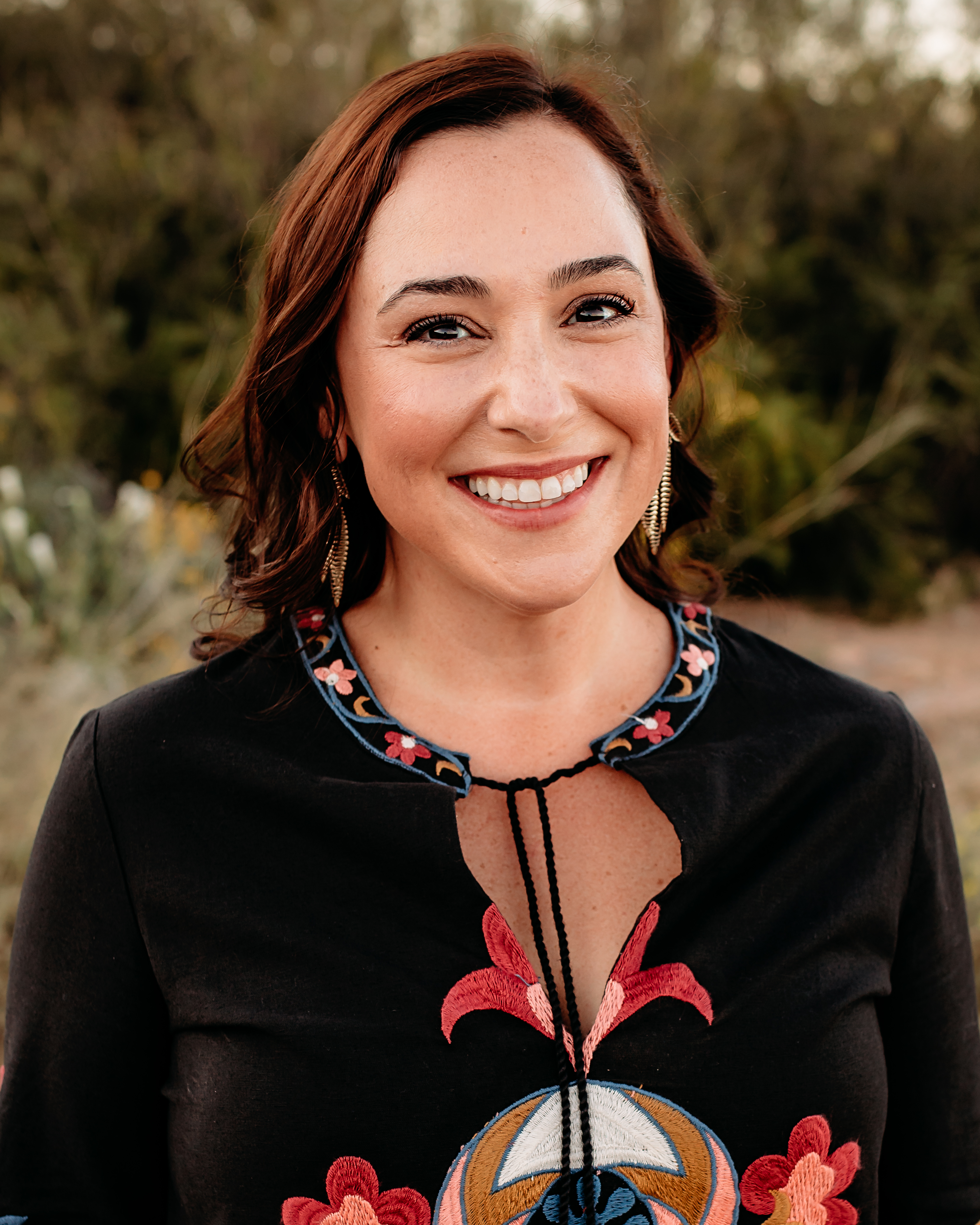
Isabel Alvarez Arata is a freelance writer and content creator with a focus on business, marketing, and lifestyle. While her passion lies in sharing her knowledge of pets, pet care, and pet-friendly living, Isabel writes for various online and print publications on a wide range of topics.
Fueled by her first encounter with rescue work at 17-years-old, Isabel believes that her purpose lies in helping companion animals live better lives by educating their caregivers. Isabel entered the pet care industry in 2008 when she founded The Wag Pack, Northern Virginia’s premier pet sitting and dog walking company. She has since closed TWP but continues to work tirelessly to promote positive pet care through exercise, enrichment, nutrition, and more as a pet sitting industry advocate.
Isabel was born in Ecuador, raised in Miami, FL, and has lived across the US and in Europe. She currently lives in El Paso, TX with her husband, two young children, and two old dogs.
A self-described gastronome and former hospitality industry professional, Isabel blends her love of life, banter, and adult beverages with her passion for pets in Covered in Pet Hair, a boozy show for pet lovers on Pet Life Radio, YouTube, and all major podcasting platforms.