
 Apple Podcasts

 Spotify

 Castro

 RSS Feed

 Goodpods

 YouTube

 iHeartRadio
Canine Cancer Awareness, Part 1 | Weekly Pet Roundup

In part 1, Isabel and I discuss some statistics around canine cancer, how it is mostly lifestyle, and some of th things we can do as preventative measures for both us and our pets.
🐶 🐱 Nutrition & Holistic Health Consults: https://jessicalfisher.com/product-category/holistic-pet-health-nutrition/
💜 Follow Jessica on Instagram https://www.instagram.com/thepetparentingreset/
📩 Get email notifications for new episodes:
https://jessicalfisher.kartra.com/page/tpprnotify
0:01 Hi, everybody. Welcome to the Weekly Pet Roundup. It is myself, Isabel Alvarado and Jessica Fisher, and we are here to talk about canine cancer awareness. And I'm pretty much going to let our friend here, Jessica, this conversation because she is a canine nutrition expert. And for me, making the body inhospitable to cancer is a really great way to prevent cancer. Prevent it. While it is often genetic and out of our hands, you cannot ever feel guilty. If you do find your pet with a diagnosis. It is really nice to kind of see, learn. How we can?
0:48 Reduce their risk, right? So Jessica, take it away. Take it away. Oh, my goodness. OK. So. Well, it's funny that you say that because I was listening to Doctor Kendra Pope, who is one of like the very, very few veterinary oncologist in the United States. We need a lot more of her. I wish she were cloned many, many times. Not like in a multiplicity way where she gets Dumber every time, but like where she stays the same every time. I love that movie with I like, I like Michael Keaton. So anyway, she was saying that I wrote down a quote. She said every day is an opportunity to kill cancer. And we already have the cure for cancer, which is to not let it proliferate in our bodies to begin with. So just to kind of start out a little bit, one of the things that I think we realize in the holistic community or the functional medicine, whatever you want to call it, like the healthy pet community, the majority of people do not realize this because it's not not what mainstream media is telling us.
1:59 It's not where the funding dollars for studies are going. In fact, the majority of funding for studies is going towards genetic, like all of the genetic aspects of cancer. But what we actually know and what I think we do really well and like the healthy pet space is that we understand that 90 somewhere between 90 and 95%. This came from doctor Kendra Pope, somewhere between 90 and 95% of cancers are actually lifestyle related, not genetic. So that's a big thing to unpack, right? Like it's, it's a big, big thing that's. Way higher than I thought.
2:48 For real. For sure. And that's for for animals and humans. All of well, I think, I think we can, when we really look at it, well, we have thought for a very long time that what happens to our dogs specifically mirrors what's happening to humans as far as like medicine is concerned. And one of the things that she doctor Kendra Pope says is that they actually they had. So there was a very, very wealthy lady whose dog had cancer. And she was trying to figure out why, what happened. And because she was so wealthy, she started doing all the research as to like, OK, what do we know about cancer?
3:35 Where are all the study? What are all the studies telling us? And she ended up funding her own research, which obviously the medical community doesn't acknowledge because she's just a person. But what she found was that because in veterinary medicine, cancer is not a reportable condition. So like with humans, because of our healthcare system or sick care system as I prefer to call it, there is a lot of reporting going on, right? When you're seeing your doctor, when you go into the hospital, whatever it's being reported, whether that is through, you know, NIHCDC, just the data that insurance companies have because literally like they hand you an aspirin and it's coded, right? So everything is reportable in human medicine, not so much in veterinary medicine.
4:34 So what she found with this very, very wealthy lady found in her study is that the instance of cancer in dogs is up to five times higher than what we see in human trends. So but but it's not reported, it's not reportable. So there is no system for tracking it. We're just kind of, we've just always gone with the, it tracks what's going on with humans is tracking with, with dogs. And I would venture to say that cats are not too far behind that, especially today's indoor domestic cat, right?
5:17 But sadly, most of the research is in the genetic function of cancer. And I think part of that is because, well, you know, I, I love conspiracies. I love some conspiracies the way I see it. And we can talk about humans, we can talk about pets. I think the the veterinary sick care system very much has almost completely caught up with the human sick care system where everything is check box medicine. Everything is take a pill, take a pill.
6:00 This crappy food that I'm handing you that you know, they can't even explain what in that food is for that condition. All the things like it, it's bad. And the reality is, and I think there is a pretty, there's a larger number of humans waking up to the fact that our food system and our pharmaceutical system, they're they kind of work hand in hand. The pharmaceutical system certainly they do not profit. Even our quote UN quote healthcare system, they don't profit unless we're sick, right.
6:40 There's no money to be made if we're actually healthy. So feeding foods that keep us chronically I'll giving us pills for every symptom that by the way, now we have new symptoms because of those pills and we need to take more pills like this is very, in my opinion, intentional. Not, I don't think it's, I don't think it ever started out as like we want our population to be sick. I don't think that's the goal. I, I don't think that's like how people rationalize it as like we don't want people to be healthy, but I think they rationalize it as we got to make more money quarter after quarter, our profits have to increase quarter over quarter. And this is, this is how we get there. And so when we look at and say that genetics are what fuels obesity, genetics are what fuels cancer, genetics are what fuels what have whatever it is you're talking about, you take the blame and the responsibility off of the individual. And so you just throw up your hands, right? It's all genetic.
7:50 There's nothing I can do about it. So we throw money. We throw money and throw money and throw money at studying the genetics of it. When that's such a small percentage, what 5 to 10% according to Doctor Kendra Pope. And it's such a small percentage, but that's where we're throwing all of our money because that's where we want people to pay attention to. Because then they just throw up their hands and they accept what's going on. At least that's, that's that's what I think. I mean, there's. There's no money in letting your grass grow all the weeds. It wants. Right, right. Yeah. Like just. Yeah, well, what is a like a weed, right? What is a weed like? You've got a field of dandelions and a rose is growing and that's a weed, right?
8:34 Like. Money in US. Living like wild lives, right? Like that's why we're all so domesticated. Not just our pets, but us. If dogs lived like natural, they would. You know they would come into. Other their issues, right? They would die of other things. They would die of injuries and illnesses that, you know, are not possible. You know, they're not treated when you're in the wild, right? Like that's what happened to us. I know that in Ecuador, there are many tribes, you know, that they have like 20 children and like the, you know, not all of them survive the wilderness, right, Unfortunately. So that's the alternative. But like we have gotten so far away from nature and so far away from like a healthy balanced lifestyle that we ourselves and our pets were putting convenience and aesthetics over health every single day, every single day.
9:35 You know, like we bring in those new couches because we hate the old couch. Like what is it doing? It's just off gassing for months if not years. We get new flooring because we think the carpeting is terrible, which is, but then we come in to all the DOCS that come from that flooring where we were trying to avoid the molds and the mildews and the carpeting. So it's like this. The way we live is so almost conducive to environmental risks. Right. Just. Because. Like. We can't paint a wall without some exposure. Even if you pay for the extra good paint, you're still being exposed to who knows what.
10:16 Can I, can I go down a rabbit hole real, real quick, just like a tangent? OK, you said paint a wall. And I saw something the other day and I was like, holy moly. I didn't even say moly and this is just a theory, but Oh my gosh it makes so much sense. So in the 70s, I believe it was the 70s, they stay outlawed. Lead in our paint, right? Based on what? Apparently children are chipping paint, they're just actively over there chipping paint off of the wall or window sills or whatever and eating it.
10:57 Like this is happening a lot apparently. I don't believe that, but OK. And it's Dutch, obviously that's a heavy metal. We don't want it in our systems. But but this is when we started they, they started with all of the research into Internet cell phones. We've got all this electromagnetic frequency going on around us constantly, 24/7. Guess what blocks that LED? So now we don't have anything in our homes to protect us from what's going on around us. Well, actually Emfs are a very big serious concern for me because we have a very smart house, right? We have all sorts of smart things in our house. I mean, it's not like a fancy smart house like I wish I could just like say, please open the blinds and the blinds would go up.
11:51 That's it's not that smart. But we have like the Google homes and the Alexas and the Nest thermostats and all that stuff, right? We've, if you can automate it, we've done that. If we can add an app to any kind of household thing, we've done it except for like an Alexa like fridge, which would be awesome, but I don't have. And we also have solar panels and solar panels that connect to an app. And while we're obviously doing a good thing for the environment and it was very financial, it was a smart thing for us because we were able to pay them off right away and get like this big tax credit and we are saving a lot of money. I'm like, I have added so many EMS 24/7 to this home and sometimes I wonder if even if I lived like the perfect lifestyle, even if I ate perfectly, slept my exact number of hours, you know, used my sleep thing to like not mouth breathe, exercise the exact amount of time that I need to exercise perfectly, you know, managed my cleaning processes and everything.
13:01 Even if I did it all right. All these EMF's are so bad for us and sure I have like black tourmaline all over the house. I can show you what it looks like. Where is it? I have one somewhere around here well, sorry guys, I have these little chunks of rock. I have a really big one. Here's one. So I have this. So I have pretty big chunks. I mean, this is expensive. It's not cheap to buy. But like how much is this really doing? And like how if we're sensitive, Can you imagine our pets like EMF's have been shown to disrupt sleep patterns, which obviously if you're not sleeping, you're not healing.
13:48 We're talking about the paints on the walls, we're talking about the EMF's. We're talking about the new sofa or even new, like 10 years old is still off gassing. Every time you sit down on it, out come the VOC is like, Jessica, how how can we do better? Like, where can we start to at least? Yeah, we're never going to be perfect. We're never going to fix this. A lot of this is out of our control. How can we make prevention a priority in like small bicycle pieces? We're never going to be perfect. You're so right about that because like I have so many of those same things going on and I would love to be able to just turn my Wi-Fi off when I'm not using it, but I'm literally using it 24 hours a day because even when I'm sleeping, that's what my alarm system is connected to, right? So I can't.
14:36 I like, I get it, Ding Ding, so many things. We used to. We used to disconnect it, but when everything turned into a Wi-Fi situation, there's no more disconnecting it. Because now our. City cameras. Are recording and even if I wasn't so concerned with and I am I, I probably don't have that much to be concerned with as far as like my security system where I live. That's just me being kind of the paranoid person that I am. But I, we, we happen to live in an area where our cell phone service is legit. We can't use our phones unless it's connected to Wi-Fi. So even if I had an emergency, my phone has to be connected to Wi-Fi or I can't use it if I'm in my home.
15:20 So I, I get that and I think it can when we look at it that way, when we look at it as there are so many things, I could never be perfect, then that gets so overwhelming that we don't do anything. And so I think the first step is to do whatever is going, whatever works best for you to reduce the overwhelm and understanding that making one small change at a time is very beneficial. And if I can start with anything at all, the number one thing I want to start with is food, because that's literally what builds our cells every single day.
16:02 So we can set our bodies up to be able to handle and manage these things better if we are providing our bodies, our dogs bodies, our cats bodies with the appropriate foods. And we can be very intentional, not just, and I can sit here and say a species appropriate food, yes, that's wonderful. But also being very intentional about seasonality of what we're feeding, being very intentional about, you know, using herbs as part of our toppers so that our bodies can naturally detox better. And I say that not just for our pets, but like for me too, because I literally just got another message from Michelle Thomas yesterday, whose magical mess Michelle, and she's been connecting with my cats and, and she's like, OK, your cats know that you have this block about these herbs that you need to be consuming.
17:03 You need to be ingesting these herbs. What can we do to get these herbs in your body? So I like this is for me too because the simplest things like a cilantro or a parsley can do wonders for your body and helping it detox. So yeah, I see somebody in in the chat on YouTube is talking about cannabis and cannabinoids. And you're 100% correct. I think every mammal should be on a full spectrum hemp extract, but that's extra that's added like we got to get the food right first. We cannot expect any supplementation that we're taking to work to its fullest potential if we're if, if we got a crappy diet that we're starting off with.
17:53 So that is my number one thing. And if you pay attention to nothing else, get the food right. Well 420 growers says diet is huge along with treated city water tell me about your thoughts on that Yeah city water water, the water that we feed or that we offer our. Pets. Yeah. The the water that is pumped into our homes. I don't care where you live. In my opinion, don't drink it. I don't like, I use it to shower, I use it like I have a whole house filter, but it doesn't filter out the thing. All of the things that I wish it filtered out, I certainly will not drink it and I will not give it to my pets if for no other reason than it has fluoride in it.
18:39 Hopefully we will get that fixed come next year, but who knows how quickly any of this will be instituted. It is a neurotoxin. It can it does go through it's they can penetrate the blood brain barrier. It calcifies the pineal gland. It is not good. Like in fact, they say that it's it's so good for your teeth, blah, blah, blah. The studies on that are pretty darn limited. So the benefit that it could have for your teeth, we have other things that are great for your teeth and we don't need to use fluoride. And what's funny is like I again, going back to Michelle, thinking about all of these things.
19:26 What? Sorry, I think I interrupted that conversation. Sorry. Sorry, my apology. No, no, no, no, no, you're good. It's like she was, she was telling me that like in a past life, I had a vaccine injury. And that's why I'm so like adamant against vaccine. And I think I know. And I think I I possibly, I think. She's fantastic so. You know, I think I possibly knew about fluoride in another lifetime as well. Because even when I was a kid, like little little kid, I bargained with my bargained with my dental technique to not give me fluoride. Like I did not want fluoride treatments as a child and I had no reasoning for it.
20:11 I had no. Like frame of reference for this? I just knew I didn't want that, right? Right, right. And now I know why, right? But yeah, I would not give tap water to myself, to children, to pets, to anyone. In fact, I take my own water to restaurants. I don't want to drink. I don't know what's going on with their water. Maybe it's filtered, maybe it's not. Even so, I don't want their ice because even if they clean like the bin that the ice is in and their ice machines, are they getting all up in the machinery of the equipment where mold is known to grow?
20:55 I don't, I, I don't, I don't do any of that. I'm going to bring my own. And so, yeah, there's there, there's a lot, a lot, a lot that we can do and we can talk more about other things we can do. Again, I want to start with food because if we're fueling the body properly, then our body is more well equipped to deal with things that it comes in contact with on a daily basis. For those of us that have reverse osmosis, water filters better. Yep, yeah, absolutely. I like reverse osmosis. I think there's a lot of talk right now about like hydrogen water or structured water. That's even better.
21:40 I don't even do that. I can get really woo woo and tell you to speak into your water, right? Like that's speak your intentions into your water about being healthy about I, I add minerals back into my water, into my pet's water because what I give is dead water. And I want, I want my pets to have and myself to have like actual nutrients so that I am actually hydrating my body and not just flushing out all, you know, the electrolytes and everything. I don't add any additional salt to my pet food or anything like that, but I do take Celtic salt, like under the tongue because I think that improves hydration.
22:28 And yeah, there's so much, there's stress that we can talk about. There's a lot of toxins, which you've already brought up some of them, the neurotoxins in the parasiticides, the heavy metals in the vaccines. Like there's, I'm not again, and I know we've talked about this a lot. I'm not anti vaccine. I'm anti over vaccination. And so there are things that we can do to mitigate the potential risks of the vaccines that we do have to give to puppies and kittens. And some of those like rabies, for example, is an absolutely horrific thing for an animal to have to suffer with.
23:15 So again, I'm not anti, I just don't want to overdo it because at 1, you know, once we get to the point of memory cells and and an immune response, we're not doing any good with continuing to vaccinate. We're only going to see the negative from it. Like there's there isn't any more good we can do. The body is already responding and saying I know how to kill this now, Like we're not going to amp that up at all. We're just going to see the negative side effects from the heavy metals or from that, any sort of acinosis from that? Yep, Yep.
23:57 Yep. OK, so food, water, environment. Food, water, environment. Yep. So don't treat your lawn. And we just found out that Yep, they ban glyphosate in in roundup that you can buy as an individual I believe. I would have to double check this, but I believe commercial applications they can still use glyphosate. It's just what you buy. Like at Home Depot personally, they have removed or in the process of removing glyphosate for that. However, we just found out they have a combination of four other chemicals that are 45 times more toxic than glyphosate that they have replaced glyphosate with. So don't use that stuff.
24:42 Use natural stuff, neem oil or if you have like rocks and you need to spray your rocks, guess what? Nothing can grow in salt. How about we just put salt water down like we don't have to do all of these chemicals. So there are lots of things that we can do. It may take a little bit more, it may take a little bit longer, it may take a little bit more effort on your part, but would you rather put a little bit more effort in and maybe not develop cancer? Maybe your dog doesn't develop cancer like I just. Pulled all the weeds from like rocks and walkways and stuff and I just let the weeds live in my grass. I mean, I don't, I know that there are people who, and I think it's of different generations. Like I feel like from like 45 down, we're not that concerned about our lawns.
25:42 And I think that in 40 years maybe we will be. But for now, I feel like we're just kind of more concerned about like paying our bills and eating to not kill ourselves with cancers from our foods. But I feel like those people that are concerned about their lawn are probably the higher risk for getting cancer. Like if you're retired and you are working on your lawn, I mean, that's wonderful. That's great thing to do. Gardening is so good for you in so many ways. It's got many of the same benefits that you get from pet ownership. So yes, Bravo Garden. But when you're adding these toxins, you're not only harming yourself, you're harming your pets that live on that soil. They have 4 paws on that soil.
26:31 They have, they're eating some of that grass. You know, if they're feeling up, their stomach's upset or you know, when they're nervous. A lot of dogs eat grass for many, many different reasons. And whenever they're eating it, they're taking that in, even though we see the people spraying it, like the commercial applications, you see them wearing masks and they look like they're like, you know, astronauts. And we think that because it's dry, they can eat it. Obviously, it's dry on the grass, and they're ingesting that. And whatever it is that's being sprayed is no less dangerous just because now it's dried. The thing about it being dry is that it's probably not going to come off on your skin so much if you're just walking. It's not going to, you know, like if your kids are playing outside and might not get on to them, but anything that's being ingested is on it and it's dangerous. So if you have a pet that eats grass, it's even more dangerous. And it's not just the grass, There's stuff with like in your soil that you can buy that's super toxic. A lot of the soil we buy is full of all sorts of disgusting, dangerous things, especially for our pets. So being really cognizant of like that gardening and just. Like.
27:40 Chilling outlet. Like nature, kind of. Thrive in your yard, like stop with the like with the weeds and like worrying about them. I have some weeds that like hurt, literally hurt on our feet. We're in the we're in the desert. We just wear shoes outside. Crocs are great and they were not that expensive and best in a pair of Crocs. Wear your Crocs outside. Take your Crocs off when you want to ground yourself in a place where you know, you have like nice sand or something and stop with the nonsense. Like, I remember writing a column for the Alexandria Times ages ago where I talked about like, these people who were like, obsessed, obsessed with like, not letting the neighbor dog, like, pee on their lawn like. Yeah, your lawns are not more important.
28:20 Than people's health, Yeah. Than people's pets and people's ability to walk around your neighborhood like I'm all for you obviously putting signs up to say please clean up after your dog because there's too many rude people out there who don't clean up and that not cleaning up is another environmental risk factor for. All of. Us. Because yeah, that poop goes into our waterways. It doesn't just disintegrate. It's not fertilizer. Well, the conversation. For another day. I know people don't want to hear this, but especially if a dog is eating kibble, their poop is so much more toxic it there. There is so much more likelihood of pathogenic bacteria that your kid can get that your dog can get that whatever, like you. Yeah, there's so much more potential for that. I also have to say, I cannot condone the Crocs. I'm not a Crocs person, but that's OK. That is OK.
29:19 As a mom, I have an appreciation for Crocs like nobody's business. My kids are not allowed to wear Crocs to school. They pee, right? So they need to wear like sneakers. They pee every day, but they are. My husband has a saying where it's Croc up, Croc up, and the second that he says Croc up, everybody puts their shoes on it and it's 2 seconds. There's no socks, there's no drama, there's no shoelaces. I love them and as a Disney goer, Crocs are the perfect Disney shoe. They really are, especially South Florida or Central Florida where it rains a lot. They dry out really quickly. No, they're usually usually if you get the right size, don't have any break in period. You can wear them with socks, but please don't unless it's too chilly out because I feel like that's like that's pushing it for me.
30:05 They do get hot in the summer on the pavement. So maybe not the best choice for like the 100° days in Disney. But every other day like we wore them, we all bought croc, new Crocs for the hurricane Disney trip because there was no other way we were going to stay dry. And so Crocs have their place, especially for gardening. I think that they're perfect. Don't. You can hose them down, dry them off. Beautiful. So stop putting glyphosate everywhere. Stop spraying things in your yard. We actually spray for mosquitoes. And I hate it. But my son and I are super highly allergic to mosquito bites. And because we live in the desert and everybody has, like, rocks and we have grass and two trees, two large trees, all the mosquitoes. We bring all the mosquitoes to the yard, Yeah. OK.
30:54 They're like, oh, it's actually habitable here. Yeah. Exactly. So we need to not let them live here. And like what we use is we tried the natural stuff. It does not work. We still have a ton of mosquitoes. We were still paying 80 bucks every three weeks for that. And obviously we have to do what we have to do to keep ourselves safe. And mosquitoes are really dangerous, especially we're on the border with Mexico. There's still dengue around. So like mosquitoes are a threat to us. So when it comes down to like mosquito bites versus the risk of exposure, I have to do the lesser of the two evils, even though I recognize that they're both evil and having sprayed or having our yard sprayed is a game changer for us in the fact that we can enjoy our yard. I am so susceptible to mosquito bites. They love me.
31:38 And when I get them, I have high histamine response. So and so is my son. Like swelling, itching, just like overall malaise. So if you can avoid things, avoid them. And if you can't, then and always like, like I always feel like supplementing the risks with like better things, like food. Like if I am inevitably exposing my kids to a toxin, then I need to really be aware of what they're eating. And I, and even though it's so hard to get children to eat good things, we cook at home for the most part during the week at least trying to give them wholesome foods, trying to give them fresh foods, buying organic when we can, following the clean, The Dirty dozen and the Clean 15 lists every time they come out. And if you're not familiar, where have you been? But also they're on the EWG website, environmental working group.
32:31 That's what they're known for so many things. I love the EWG. They're the they're the reason we don't use plugins in the house like in 2010 or 12, I think is when I. First found out that like plugins are so toxic and I I'm shocked. That people are still plugging things into their walls that smell good, knowing how toxic these things are. So I think that. We've talked about the outside environment, let's bring it inside. Let's talk about those plugins, let's talk about cleaning products, and let's talk about laundry detergents and stuff, because those are all really big. Risk factors for the whole family. They are and just because this overlaps you were talking about in the yard and ingesting things.
33:16 When your dog or your cat get something on their paw pads, you might as well consider it ingested because they are going to uptake that through their paw pads in a very similar fashion as to if you had given it to them orally. So not exactly, but close enough that for the layperson you might as well just assume it's ingested. Agreed, I love that. I love that. That's a really good reminder. If it's on the pop heads is it might as well have been ingested for. Sure. And so you do want to, I mean one thing at a time again, like you don't have to do everything all at once. But yes, swap out your.
33:59 I started with because I used to use the dryer sheets. They're not only negatively affecting our health, but they're negatively affecting the environment. So I stopped using those. I use just white vinegar in both my wash cycle and my rent cycle, and I use wool dryer balls in my dryer. So and then moving ahead to laundry detergent, there are clean alternatives to laundry detergent. I depending on the load of clothes that I'm doing, oftentimes all I use is white vinegar. If I need something more than yes, there are like cleaner, toxic toxin free brands out there. They cost a little bit more, but I also don't use them as often. So like it kind of works out absolutely. Like we need to no plug insurance. Be very, very careful with candles. I basically stopped candles years ago and now I'm only bringing them back in with companies that I know and trust that they are.
35:14 They're not toxic. I literally looked back at me and walked down the stairs because she knows I don't want her barking. I'm going to just, oh, it's my. Door, you're good, you're good. So yeah, anything that is putting, putting anything into the air. Our air quality indoors is so much worse than our air quality outdoors. So open up your windows whenever you can. Obviously, you need to be aware of what's around you. Like, if you live right next to a golf course, that may not be the best thing. You may not actually want to live right next to a golf course. Or you live right next to a farm that is using a yeah, like, not a regenerative farm, but like an actual yeah, industrial. That's the word I'm looking for.
36:08 Like, then you need to be a little bit more aware of what's going on around you. But for most of us, opening up your windows is actually really, really beneficial, even in Texas with. All the the what is it refineries that we have here? I mean, I live right next to one. I probably wouldn't. I probably wouldn't live right next to one. But like where I live, I don't if you. Can if you can help it, yeah. Yeah, I happen to live. I mean, I'm in, I live in Hill Country, so we actually have like breezes pretty much every day. And yeah, it's fairly. I live on the West side of El Paso. El Paso actually, you cannot tell by living here because it's always seems so nice.
36:51 But we have pretty polluted air and it's one of the reasons why I use air doctor air purifiers around my house because on top of the off gassing of our SO we I'll go back to the first things we said like wool dryer balls. Yes, my husband insists on using dryer sheets so he's found like the healthier ones on Grove Collective or like in on thrive market where like they do a better job of like. Vetting these things, I don't use them. We use unscented everything. So unscented dish soap, unscented laundry soap.
37:33 We don't use anything with plastics, but like for our dishwasher we use like the the most natural option we can have get we get it from growth collective. We don't use the plastic dishwasher pods. Those leave micro plastics everywhere. They're bad for the environment, for your family. We use everything unscented. We try to use the most gentle stuff, even if I have to like pre rinse a little more. The rinses from your dishwasher super toxic as well. Like all those things are really tight. So we try really hard to buy the right products. When we buy shampoos, conditioners, things like that, we look at the labels, make sure that they're the least like they do what we need. Like for me, like my husband, I don't know, he, he, he loves his, his like manscape manscaping stuff. Like he spends money on like his beard products and his bald head products and stuff.
38:28 It's so funny. But I think he makes good choices because he buys like high quality stuff. But for my kids, for example, like that usually falls on me. So like toothpaste, shampoo, conditioner, things like that. I love California baby. That's what I have always used for my lotions and stuff and I that's what I use for me because I started. Using it for my kids and we kept it on auto ship and I that's all I use for my skin. California baby is so like there's they make everything with like their own grown calendula. They're so good, high quality stuff. But then there are stuff that you can't control right? Like I when I buy a rug I try to buy one that's high quality, doesn't have a ton of VOC's like there.
39:15 Are things that you can find. Out there that are very safe, but they're also very expensive right like once once you start going to some away from like Wayfair, which is all made in China total VOC's like I have a friend who like ordered a bed and like the room smelled forever. And the problem with VOC's is you don't always smell them, but in this case it was off gassing the stuff you can't smell and whatever you could. Smell. So. When you stop buying stuff that's generally available to the general public and you start going down rabbit holes and being like, what rug can I buy? And I did this when my, my son was young because I was way more like controlling about like our environment then because he was a baby and he was, he had, he had a high risk birth.
40:04 Like his birth turned into a high risk situation. So I wanted to do as best I could for him. And I remember buying a really beautiful rug for my mom's house in Miami because we were moving there while my husband was deployed. And like, it was so expensive. And you know, that rug didn't make it. He's seven years old. He was one when we bought it and it was a disaster now that we basically just got rid of it. So it only lasted six years. It was very expensive. So most consumers are not going out and buying that because of the investment price and the fact that it won't last long. I'm happy to buy something that's expensive. It's gonna last me 10 years. But this did not last like it was falling apart and fraying at the edges because it was made with all these natural. Materials and blah blah blah, which is great. So it's hard to find the stuff we need to find to make our home more like safe or our indoor homes more safe. I like the stuff you can wash because I do feel like as you wash it, stuff gets less toxic, right? Like just like if you buy clothing, like the first time you wear it, it's going to be a lot more toxic than the 20th time you wear it, which is a reason why so many people buy second hand.
41:10 It's actually a really good strategy for keeping VOC's low in your house is to buy your clothes second hand. But when it comes to like the general stuff, you cannot really prevent it. You need a, you need a, a curtain that's going to off gas. You need a desk, it's going to off gas. You need, you buy a, a fake plant, it's probably off gas. So buying real plants helps neutralize the air in your environment. So like get those peace lilies and get those things that clean your air pathos and. I mean, some are better known for cleaning the environment, aloe and stuff. Some of them are toxic to cats. So don't get all of the ones I'm just listing off if you have a cat.
41:53 But any plant, any green is going to improve your environment. So just you know that. And then also air, like for me it's the very high quality air purifiers. I'm not talking about the stuff you buy at Target. Because I've tried those and I didn't. Feel like they made a difference. I found air doctor through my biological dentist who does a lot of sleep stuff so for her sleep hygiene is super important. Sleep hygiene is not just a human thing. Sleep hygiene is for all of us. That bed your pet sleeps in could be super toxic. The floor that they're sleeping in, that rug that they're lying on, like all that affects what they're breathing in and effects how they're sleeping.
42:39 So she recommended for our whole family, the Air Doctor. She had another brand that I can't remember. Air Doctor has been fantastic. I love that they have like multiple layers of filters for different things because the things you buy at like Target or Walmart, they have like 1 filter, right? Which is fine, but that's not getting the VOC's. That's just not getting it. It might be getting the fur from your pet when they shake off. It'll take that layer of fluff that flew off of them. It might be taking some of like the pollen from the air if you leave your window open. But it's not taking the stuff that we're really talking about, the stuff that is forever in your home that just hangs in your area that you're not familiar with that you don't even know it's there.
43:22 They are an investment, but they really do last a long time and they have different sizes for different square feet, which I think is very strategic, right? So if you have a one condo, a small condo or apartment, you might be able to get one that's exactly the ideal size for that whole space. You don't need a lot of space for that. And it's going to be it's going to help you sleep better, function better in your home. It's going to keep those Bocs from being in the air lingering as much as they are. It might might not be 100% elimination, but for these high quality air purifiers, it's a very. High level of air purifying really is, so don't just fall for just any of them. Do your research, check the square footage of how many you need.
44:05 For your home and what levels like I have. Of the air doctors, I have four of them and I bought them little by little. They had a sale where like I bought like this is not advertising or sponsored at all. Like this is just me sharing my experience. Even though air doctor I'd love a sponsorship. I bought like 3 at one time because they have like a set right? Like basically on sale, 30% off the whole set. And then I was able to pay it because they do allow the whole like pay installment kind of thing. So I paid for them over a year and I don't even think I paid interest if I did it was minimal. So it just made sense to like do that. And then for the room where the litter box is, I was using like a Target 1 and it just wasn't keeping up. So then I this summer I bought another one to put in that room and I've been so happy with them. And just now this I've had it for the first set I've had for a year and just now I'm having to replace the filters. So another thing is.
45:07 You, you can vacuum the external filter and it'll alert you when you, you get the, you know, when you need to get a new, a replacement filter. And then one of the things that I love about it is they're automatic. So they're not always running. And so you don't have to worry about it scaring your pet. Like when my husband uses his aftershave, which is very smelly. I don't know if it's toxic, smelly or you know, or essential oil smelly, but it's smelly. I hear ramp up, right? And it's it's in my bed in our bedroom and he's in the bathroom. And I hear it ramp up if I use something on my hair like dry shampoo, even if it's like, you know, a powdered one that's good or like one of the better ones, which I've not found one that's really truly like benign.
45:57 I hear it kick up, but it won't run all night where you're like hearing that hum unless you want to. It has that feature too. So I think investing in something like that is a really great way, like investing in food and investing in an air purifier. For me, if I had to be like, do these two things, I'll, I'll say it to my top three and then I want you to give us your top three. I'll say food and water, like best food you can afford, fresh food, even if it's only 20% of the bowl. Don't spray your yard with anything if you can avoid it. If if mosquitoes are an issue, then I'm giving you the OK, but there's no reason why you should be spraying for like weeds please.
46:39 And then the other thing would be your indoor air quality. Like focusing on that would be huge. Yeah, I don't know that I necessarily disagree with any of that. I mean, obviously I have other things, but those are pretty big ones. And they're pretty easy to, I feel like they're pretty easy if you were to say, OK, like I'm in 2025, I'm going to do better just for the food. Maybe I'll invest in a garden in like one of these indoor gardens and I. Yeah. I will grow parsley and I will put some parsley in my dog's food.
47:22 Which one's the good? Is the cilantro's the good Detoxer, Right. So cilantro, yeah, maybe, yeah, grow some cilantro for the family. And if it doesn't taste like soap to you, then hopefully it won't taste like soap to your pets. I think that herbs are a really good way to like add stuff. That was one of the talks that we did. I just went to blog Pause and on Saturday night it was Blog Pause. It was like a Ted Talk style presentation where like there was 9 speakers shared a Ted Talk but in the pet industry. So it was not run by Ted at all, but it was run by Blog Paws and one of the Co founders of blog paws is a coach trainer that's worked with.
48:08 Ted Talks. So she's bringing that style to the pet industry and it was fantastic. And Hannah was a presenter that talked about like 5 herbs and what they do for our pets. I'm like how easy it is to really just. Add. Something like that to your pets diet, if they'll take it, you know. And even for us, it's like she said, you go to a restaurant, there's like a little sprig of parsley on the plate and everybody just moves it away. My grandfather, born in 1922 in Spain, he would eat it and he would look at us and be like, why are you not eating that? That's so good for you. Yeah, because they knew before modern medicine, and I mean 1922 still pretty long time ago, they knew that these herbs were helpful.
48:50 So like even if it's just that or what if, if people don't have like a water filtration system that they can trust, what do you recommend? Yeah. I mean getting a water filtration system in your home is pretty expensive. I think you can get like countertop ones that still are an investment, but probably worth it and probably can do like the Afterpay or a firm or something like that where you're paying overtime without interest. For me, I I have just been buying water. I get like a water delivery service, but it's, it's, I mean something you have to keep up with, which is a pain in the butt.
49:38 Yeah, yeah. For sure, it's not always. Convenient. But if you're the good thing about food and water is that I think you've said this a lot is that when you start paying attention to your pets, food and water, you kind of start paying attention to yours. And Cara, when we did the, you know, the my Halloween episode Cara from raw pot adventures, she says that she keeps like, you know, like the bottoms of her broccoli and the extra, you know, herbs and carrot. When she's, you know, peeling carrots or whatever, she keeps that and she uses it to give to her pets. And if you start using like the clean 15 and The Dirty dozen as a guide, then you can add these fresh foods that didn't cost you anything to your pets bowl.
50:25 And you're also eating better foods, right? You're, you're choosing better. Like I, I have a few things that I remember off the top of my head, like avocados don't have to be organic. And I do wash them with, I buy conventional and I do wash them with like my very high quality dish soap, a little drop and I wash it, but like if something's organic, I'll just rinse it. And you know, it's not, it doesn't. I'm, I'm trusting that even if it has a little dirt in it, we're healthy enough to deal with it. I'm sure it has bacteria, but everything does. So the better you do with your own stuff, the better you can do with your pets and adding 20% of your bowls. Really not that hard.
51:06 Like my sister, just my sister's here watching like now, living here for now. And she was, you know, I took her dog. And so she's seeing the treats I give and they're like, you know, freeze dried raw, like chicken hearts and beef livers and cod skins and things. And she's like, wow, that like sure beats the two euro treat that I used to give him in Spain. And I'm like, oh God. And I you know, because treats are not even like a key part of the diet. Like invest in some good ones and maybe just do 1A day. But instead of like the four you give, you give one good one and same for you, right? Like, instead of going to like, get a nasty, you know, cupcake with all sorts of horrible things, maybe on Saturday make a dozen cupcakes and freeze them so that you have a high quality cupcake in the fridge.
52:04 Like these kinds of things are. They're kind of like so obvious, but we're so busy that we forget. Just like. That we'd like quality over quantity can really make a big difference, especially in food. Well, yeah. And it's like, and if we, if we look at it that way, where like I think a lot of. It's chemistry. It's chemistry. I think a lot of people are starting to realize that the more you eat at home, the healthier you are. And that kind of is a generalization, regardless of what you're eating at home, as long as you're making the food yourself. Because yes, there are things I still don't want you to use, like seed oils and all of that jazz, but you're still going to be healthier.
52:49 And if you take that same principle and apply it to your pets, like, wow, you know, instead of feeding them. And that's actually one of the things that I really resonated with me this year, that really stuck with me this year is that for so long I have been talking about eating fresh food, eating, you know, raw food, diets, all of the things. And with Rodney Habib and Dr. Karen Becker, they with everything they've done, they have realized that it's, it so much is in the wording that we use. And so they say minimally processed versus ultra processed. And if we look at it that way, there is there isn't a doctor on the planet, much less a veterinarian who well, maybe a veterinarian, I don't know.
53:41 We definitely have a lot of work to do there. But there certainly isn't a human doctor doctor on the planet that would try to argue that an ultra processed food is better for you than a minimally processed food. So looking at it that way and just saying, OK, how can I adjust my pets food to where I'm doing the same thing? I'm making it for them at home. Like that would be ideal. And if you can't, if you don't have the time, if you don't have the bandwidth to do something like that, how can I bring something that is as close to that as possible into my home to feed my pet? And that in so many instances, you know, so many people will go to the veterinarian and the, the vet will say, well, your dog has stage 1 kidney disease or they're a little chunky, or I'm trying to think of something else like there because of, because of this.
54:41 Then let's switch them to this other ultra processed food that's a prescription diet, right? Or a veterinary diet, whatever they call it, depending on the brand. And the reality is if you just switch from the ultra processed food to a minimally processed food, more often than not, you're going to completely mitigate whatever issue was going on in your pet to begin with. And that's just, it's so powerful. It's really. And we can't. And we can't deny that there are also links when we're wrapping up soon. So we're not going to be able to get into this in detail, but there are links for so obesity, for example, causes all sorts of comorbidities, right? So like the, the joint pain, the heart issues, the liver issues, the kidney issues, the everything issues, right? Like just a general taxing on the body and usually it's you're they're obese because eating crappy food, not because they're eating wonderfully, you know, lean, high quality meats. OK, So think about what they're using to treat these conditions and the possibility that those could cause an increased risk in cancer.
55:58 We all see this in our medications when we read those medical those inserts for everything what you get at the pharmacy, it says, you know, very rare risk. Usually there are very rare risks, but you add this rare risk and that rare risk and that rare risk and say that fast four times. And now that rare risk is not as rare anymore because you're taxing the body on on top of the already, you know, taxed organs within the body. So by reducing the risk of obesity and reducing the need for these medications that inevitably may have a risk factor for cancer, we're preventing even further.
56:46 So like, and that's for all of us, right? Like that's for all of us. It's one of the reasons why the Ozempics and gobies are getting so popular. And it's not because people want to be skinny. It's because the risk of these medications are is lower than all the 50 medications people are taking because they're obese, right? So like it's really when it comes down to it, it's like we are medicating already super taxed bodies with different things for different organs instead of making sure that we're watching our weight, feeding our bodies properly, using, like you said, seasonal foods, fresh foods, eating at home.
57:29 You know, if you were eating Doritos for the I mean, wasn't it super size me and how sick he got? And like the. Quality of a lot of the pet food we're feeding is that quality pet food. So just think about how much you can even save at the vet by investing in a better quality pet food because you're not paying for all these meds that are increasing, inevitably increasing your pet's risk of cancer. So it's like a whole full circle thing. And I say this knowing that my kids could be eating better, my husband certainly could be eating better, which we have conversations about this often. And I personally could be eating better. And, you know, as we get get further away from the pandemic, I think we're all in a better place to take care of ourselves. I think the pandemic was a really big trauma. I know it was really difficult for me to even prioritize my health when like the world felt so out of control. But I feel like it's a good time, especially now at the end of the year, to first of all, watch what we're doing around the holidays because it's a time to like get really crazy and, you know, kind of forget, make purchases without thinking about them.
58:38 Receive gifts that like of candles and just light it, not thinking about it. And try to be more mindful this time of year about what really we want to bring into our homes, what we don't, our priorities as far as our food for ourselves and for our pets, routines, sleep and, and not letting like the chaos of the season kind of make the situation that's already probably not ideal even worse. So that when it comes to like 2025, you don't need to do like a huge like revamp and all these like New Year's resolutions because you fell off the wagon so hard. Just a reminder. And like October was pet obesity week. And I had said that we should talk about pet obesity. And I think we kind of just like covered them both together really well.
59:22 But 60% of pets in the US are obese or overweight. That is the statistic. And the higher the weight, the higher the risk of cancer. So those two things cannot be denied. Yeah. Well, and I, I just for us and for our pets, like if we really just shift the way we think about things like a headache is not an Advil deficiency, a, you know, obesity is not an Ozempic deficiency, cancer is not a chemotherapy deficiency. Like these are all lifestyle induced issues that our current sick care system throws medications at without addressing food and lifestyle. So if we really look at OK.
1:00:22 This is what is wrong and instead of saying what can I give, how about what needs to change Like that is such a huge mindset shift that literally can completely change the trajectory of your life or your pet's life. For sure. I, I went to an endocrinologist recently and back to the Ozempic thing. She said that you know, her, the person's insurance wouldn't cover it because she wasn't obese enough. So the person went on a cruise and got obese enough. It was 10 lbs. It was 10 lbs. So she just needed to start at a certain level. And when you think about that, you think, Oh my God, why would you do that to yourself, right?
1:01:11 Why would you put yourself at greater risk of all these things? But we're doing that every day, like not to that extent, right? Like we're not willingly putting on pounds, but with every choice we make, we are willingly putting on pounds, right? Like we with every candle we light, we are willingly taking a risk that is not necessary. So when I heard that, I thought, OK, that's extreme, but it reminded me that that's a decision somebody made that's just as impactful as the decisions I make to cook a healthy meal for my children instead of telling my husband pass by McDonald's, right? Like, that is an equally important decision because every time you say let's do fast food instead of cooking at home, we are doing the same thing that person did. We're choosing the less beneficial option, the riskier option, the less wholesome option. We're doing the same thing, not at that scale. So that helped me kind of reframe things like this is of course not me gaining 10 lbs to get out of medication, but maybe it's me saying instead of trying a medication, I'll try the lifestyle change first.
1:02:28 And then if I do it. To the best of my ability and I still can't get there. Then I will take the medication and my husband, I don't like to talk about people's medical stuff, but like he's on, he was on statins at some point. And I'm like, did you try improving your diet? Right? Like it's so easy to forget that these medications have side effects. Like statins kill your kidneys. So which ones? Which ones more important? Your heart, are your kidneys, right? Like, these are the choices we're really making. And this is not just for ourselves, but it's also for our pets. Like when I'm giving them, you know, letting them eat that pizza off of the table because I didn't get there in time for my kids to, like, pick it up. That's the choice I'm making is like, it's hurtful for you. It's going to upset your stomach. It's not good for you.
1:03:23 You know, Papa John's is not formulated for dogs nor formulated for humans. So like those little decisions we make every day really add up. So I'm not anti medication at all, at all. When you need a medication and there's people who are on, you know, these and I don't want to demonize Ozempic or anything like that, but like those people who absolutely need it, who have genetic like who have issues with pancreas issues that really truly make it so that they don't produce enough. Like, you know, insulin resistance is I think 80% of the population has insulin resistance at some level. There are people that can't lifestyle change their way out of that insulin resistance.
1:04:08 So those people are great. But one of the things that we can't continue to do is put throw medication at something without remembering the risk factors associated with that, right? Like. It's. Not one or. The other, it's both. You get both. It is. And to that point, yes. So like you have a type 1 diabetic, they have to have insulin to survive, right. OK. But then again, you turn around and look at it a different way and say that is that exactly right there shows you that we have a sick care system and not a healthcare system because they need it to live. They don't like there is no lifestyle like you were just saying there is no lifestyle factor that can adjust that they have to have it.
1:04:56 And yet what it's a thousand $2000 a month that they have to spend on like that just shows you exactly where our sick care system where the pharmaceutical companies actually care because that GLP 1 whatever is a big wagyuzy whatever it is. Yeah, it has, It was introduced for a reason and it has benefits and I have certain doctors that I listen to that like if you micro dose it, then it actually can be beneficial. However, also lifestyle factors, eating a lot of red meat, eating healthy, eating a lot of protein, you're going to get GLP ones from eating that too. So like they but they, they find that it does XYZ so they're going to mass market it to all these people. I promise you that informed consent is not there. That informed consent letting you know that by the way, when you're on this medication, you still need to be making these lifestyle changes.
1:05:59 Otherwise, muscle wasting and friends. Who are on it and you know, they my friends who are on it because they are obese and obesity is an illness, right Like it's not necessarily like as easy as just stop eating. I will never say that and I will never shame anybody who struggles with their weight and they are like really happy with the way they feel and how it supports their bodies but they can't eat fatty foods anymore. They cannot drink alcohol anymore like they because it makes them so I'll. So it is a medication that really is, and this is like completely off topic with pet cancer, but like it's a medication that forces you to change your lifestyle whether you like it or not. The question comes of when do you get off of it? What happens, right?
1:06:50 And like, that's obviously where we see if it was a Band-Aid or if it really did do what it promised to do. But when it comes to our pets, like they, like I said when I was talking to Kara on my Halloween episode, they're not making a peanut butter and bacon sandwich in the middle of the night. Like that's they don't have a way to get into the fridge. They shouldn't have a way to get into their kibble. They should not have like free range, you know, raw meat outside there. You shouldn't be like letting them kill a rabbit or a chicken every day. So if they don't have the ability to make themselves those peanut butter and bacon sandwiches and you get to control it, and it's so easy to control, like, compared to children where they go to school and they, like, have parties and like, I go to a birthday party and like, they come home with like a blue mouth.
1:07:40 And like here I was trying to control like the artificial colors and flavors and like impossible, right? Yeah. But with our pets, we have this blessing where for the most part, unless maybe you're like sharing custody of them or you travel a lot and you leave them, you know, with a pet sitter. But even then with a pet sitter, if, if it's a professional pet sitter, they should be feeding what you provide and they should be maintaining the same routines that you have at home. Obviously, if the pet sitter is the pet's grandma, you know, that's a whole other conversation that you know, it is tough to like tell, you know, loved ones to not give the pet a burger, a piece of their burger, French fries, you know, like when they're pet sitting them for you. But those are parts of that's what you're supposed to be thinking about when you choose your pet sitter and where you when you choose who you leave them with and making. Sure that you like control it because it is controllable. You know, sometimes we can't control the time we get home and whether or not we're able to walk our pets every day, right? Like last night, even if I wanted to walk a dog in like El Paso was, it was like a hurricane over here. So like I can't control that exercise that day, but I can control what they had for dinner and I can control what we do the next day and I can control what what you know, what quality of food I'm buying and I can maybe control. How much I spend at the vet based on that food. So like, thinking about it from the perspective that it is possible is really nice.
1:09:12 Like it's a really nice thing because it what, as a parent to humans, it's really, really discouraging when I see what they're eating at school and what I what at what they're eating at their friends houses or at parties. And I'm like, I have to remind myself that even though they eat maybe really poorly on Saturdays, like if they ate really well Monday through Thursday, like that, even just one meal, like the morning and the evening, but that's, that's eight meals in a seven day period that we're really high quality. So that's where I'm focusing. Because that is as much as I can control. But again, with our pets like we have the control, we have the control of the toxins we bring into our home and we have the.
1:09:59 Control of who we hire to spray our yards and what veterinarian we choose. And so let's leverage that control to like prevent these risk factors. And again, like if you get a cancer diagnosis, it doesn't mean you did anything wrong. It doesn't mean that you know you could have prevented it. That is not it. Like I know people who are 100% supernatural and healthy and stuff and they're unfortunately their kids get a their. Kids get a cancer diagnosis, you know, and they're like we did everything right. We fed Whole Foods. We there is no way you can control because we don't know the level of toxicity of like 1 exposure right?
1:10:39 Like we have no idea. I thought one time that like that child went to one place and something had just been treated with something is what set off this terrible, you know, sequence of events. We have no idea. We don't understand cancer enough or well enough yet. We don't know. We don't understand the toxins well enough yet. So please don't ever feel guilty, but do make the efforts that you can commit today to doing one thing, whether it's improve their food or clean your air or call your spread, you know, your condo or the management company and find out what they're spraying. And like, find out you know how to support your pet.
1:11:20 If you haven't, you have no control over what they spray at your apartment complex or your condo community. But find out you know if your pet will eat cilantro to support them. I don't know, like do something that kind of is an actionable way of supporting your pet's body in a world that really is set up for illness. It is and like that I had so many notes here because like that kind of would have led me into a Takashi and how we can support our bodies in that that process, then our dogs bodies in that process. But we're already an hour and 17 minutes in so. But at least we got, I feel like the most important thing I feel for pet parents is not always like the science of like autophagy, but like the things that they can do because no, almost knowing is almost worse, right? Like for me, knowing is almost worse. Like I understand autophagy and all that stuff. And I sometimes I can't think about it because I just feel like if I think about it, we have a bad week that I'm just like obsessing over the fact that our bodies are in such a bad place.
1:12:32 And I like if we wanted to do a Part 2, I'm totally down for it. So you can give us the, the science, but don't get overwhelmed for this because I really do think it's like one of those topics that you can get really discouraged. Like I know so many people and pets that have died of cancer and cancer is such a devastating diagnosis. And like over in blog pause, one of the speakers has had cancer three times, like three times. And her Ted Talk, her Ted Talk, her, her talk was so, so inspiring because, you know, she was kind of like reminding herself to slow down and like be like a cat and take a nap in the sun. And her message was great. But I'm looking at this person so lively, so, so strong. And so, and she's had cancer three times. So it's so discouraging that I feel like we have to flip it and be like, no, it's not discouraging. I'm going to make this one step.
1:13:29 I'm going to. Then once I get there, I'm going to take the second step. Yeah. Well, I mean, and if I just to close out for me, I guess I'll close out with what I said at the very beginning with Doctor Kendra Pope saying that 90 to 95% is lifestyle. So start there. Like don't, don't go too crazy and think like there's absolutely nothing I can do. So don't do anything. I understand that it is mostly lifestyle and that is actually really empowering.
1:14:11 Like understand that you don't have complete control, but you do have a lot of control. So do what you can. Start somewhere, start small and build on that. Yes, and if you want to watch something as it gets colder, I really like the documentary. I think it's called Stink, and it talks a lot about those scents, the scents that we don't realize are so, so dangerous. And the chemical, the big chem, you know, the chemical companies, how they get away with murder in many ways because of the way that laws are set up that make them not have to reveal what's in certain things.
1:14:55 So yeah, the more we know, the better. And so if you want to do the cancer Part 2 next week, we can definitely do that. So we can talk about kind of like now that we've done the risk factors, we can talk about how it actually works and like you. Know. Make sense of it all. I mean, I'm down. I don't want you not use that. I know it's such a big topic and it can be so overwhelming for people. And I get it like because I am that person that like, if I don't, I try to, I want to eat in a six hour window every day, three weeks out of the month at least. And like if if I even stretch that to 8 or 10 hours, I feel that like that's what's in my head. I'm like.
1:15:42 I'm not, and I do think my thing is a really great thing for pets and an easy thing. Obviously it's very easy for us. So I think there's a ton of value in discussing that. It's free because. Yeah, because really when we talk about easy to to start today, you can literally start fasting your pet and maybe not a ton of time, maybe not four days, but like you can start fasting your pet pretty quickly. They might not like it, but it is good for them. So yeah, let's do that next week. So everybody who got who wants to do more about pet cancer awareness because it is Pet Cancer Awareness Month in November. Let's talk about it next week and with a Part 2. Yay, sounds good to me.
1:16:27 Awesome. Well, thank you guys for joining us. If you have any comments or questions that you want us to discuss next week, since we're already on this topic, please feel free to do that so we can address them next week or bring your questions to our conversation. Yes, please. We love, love, love to get your comments and questions. So all right guys, have a fabulous week, please, and we'll see you. We'll see you next Monday. Bye everybody. Thank you.
Host
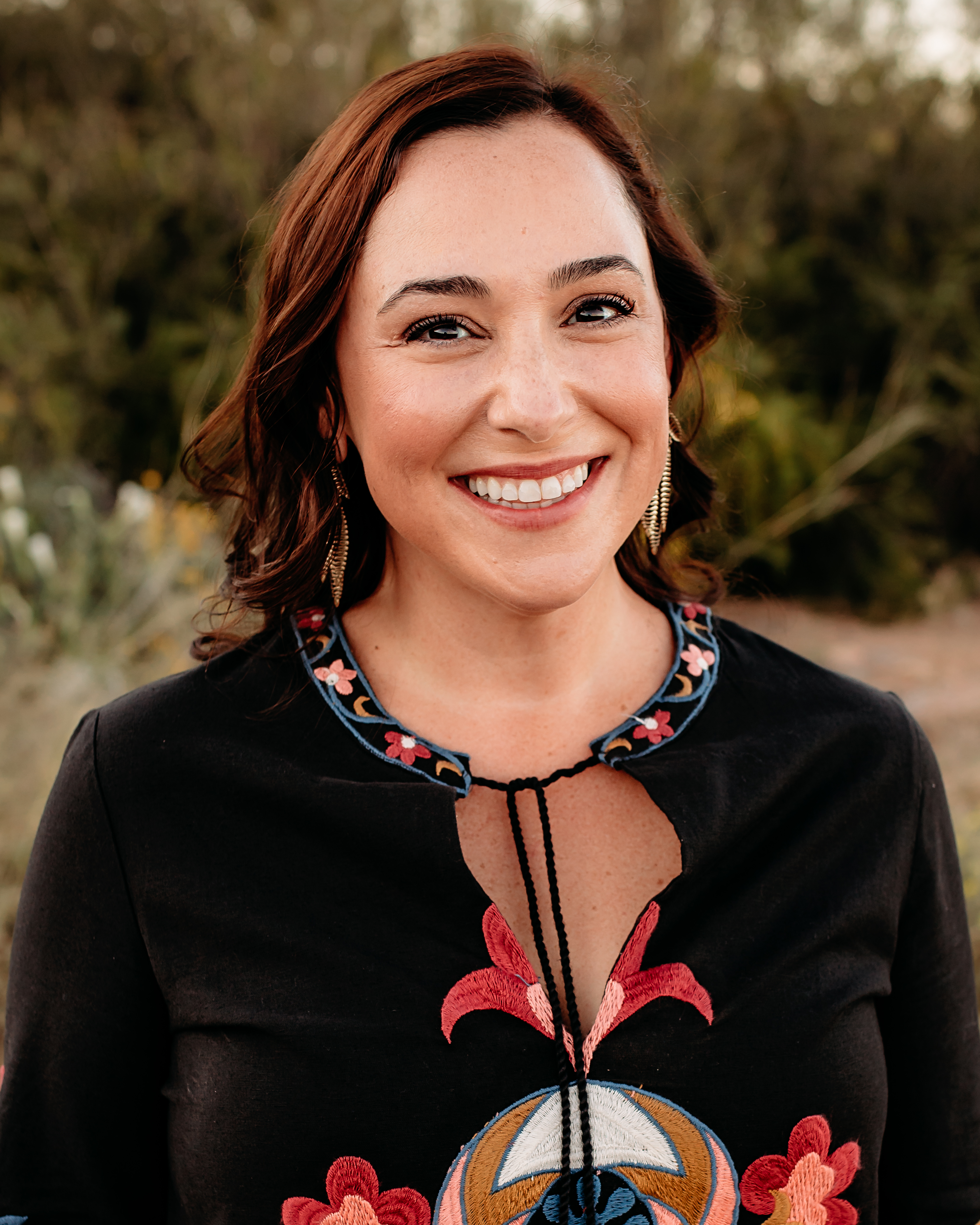
Isabel Alvarez Arata is a freelance writer and content creator with a focus on business, marketing, and lifestyle. While her passion lies in sharing her knowledge of pets, pet care, and pet-friendly living, Isabel writes for various online and print publications on a wide range of topics.
Fueled by her first encounter with rescue work at 17-years-old, Isabel believes that her purpose lies in helping companion animals live better lives by educating their caregivers. Isabel entered the pet care industry in 2008 when she founded The Wag Pack, Northern Virginia’s premier pet sitting and dog walking company. She has since closed TWP but continues to work tirelessly to promote positive pet care through exercise, enrichment, nutrition, and more as a pet sitting industry advocate.
Isabel was born in Ecuador, raised in Miami, FL, and has lived across the US and in Europe. She currently lives in El Paso, TX with her husband, two young children, and two old dogs.
A self-described gastronome and former hospitality industry professional, Isabel blends her love of life, banter, and adult beverages with her passion for pets in Covered in Pet Hair, a boozy show for pet lovers on Pet Life Radio, YouTube, and all major podcasting platforms.