
 Apple Podcasts

 Spotify

 Castro

 RSS Feed

 Goodpods

 YouTube

 iHeartRadio
Canine Cancer Awareness, Part 2 on The Weekly Pet Roundup

Isabel and I continued our conversation with preventative tips for cancer which happen to overlap between all species!
Some of the thngs we talked about include:
- fasting
- ketogenic diets
- rotating keto with high protein
- grounding
- circadian rhythms
- red light and blue light
- antioxidants
- omega 3's
- nutrient absorption
- must do at home testing
🐶 🐱 Nutrition & Holistic Health Consults: https://jessicalfisher.com/product-category/holistic-pet-health-nutrition/
💜 Follow Jessica on Instagram https://www.instagram.com/thepetparentingreset/
📩 Get email notifications for new episodes:
https://jessicalfisher.kartra.com/page/tpprnotify
0:01 But it's such a big topic. And hi, Kara. Hi everybody on Facebook and YouTube. Welcome to the weekly Pet Roundup. Welcome, welcome. So yes, we are continuing the talk from last week about canine cancer awareness wrapping, wrapping up the month because it was canine cancer for awareness month in November. And I don't know, do you want to do like a recap of last week and then jump into what we didn't get to or how do you I don't know. Yeah. Well, last week we mostly talked about how lifestyle impacts the risk factors, right.
0:47 So we talked about how, yes, genetics plays a part, but if we do some really if we take some steps, we can reduce our pets risk. So really not putting onus on you in the sense that if you've had a pet with cancer, it's all your fault. That's not what we're saying. But as we know more and as pet cancer diagnosis rates rise, we are now learning how much of our lifestyle impacts their risks factors. So like we talked about environmental risks inside and outside the home. We talked about obesity and how it plays a huge role in lifting, like raising your pets risk. We talked about just like the lack of exercise, how that can also impact your pets immune system. We talked about a lot of things that really were, you know, important for us to kind of maybe make one or two a priority.
1:47 Yeah, So Diane Echo says I've had two cats die with cancer since January 2022. I don't use perfumes, no smoke, no air fresheners. So those are some of the things that we talked about. And yes, I I agree with you. Like I haven't used any of those in a long, long time. But it's like we can only control so much of what our pets are exposed to. So what we talked about was the things that we can control second and third hand smoke. You don't know what third hand smoke is. That was an interesting one for me when I became a parent because like, even if somebody's not smoking, but there's like a car where somebody smoked at some point, that's third hand smoke. So it's not like you're not smoking, nobody smoking next to you. But the, the, the chemicals are still either in like the upholstery you're sitting on or in the vehicle you're riding in.
2:34 So third hand smoke, those things really do impact your exposure, right? Like, I mean, and it's really sucks because we can control if we're at the airport, you know, waiting for somebody to pick us up, somebody smoking, we can move away from them. But like if we get in like a hotel room where they used to smoke, even if you don't smell it, but you're still being exposed to these things. So that's what third hand smoke is. But also perfumes, dyes, things like that. Those are only part of the equation. So there are also medications that we talked about that could that have like, you know, they have like the potential side effect in studies in rats, this accelerated growth XYZ.
3:15 So keeping our pets healthy is a really good way like an off of medications for chronic illnesses is a really good way to reduce their risk. And of course, because Jessica is a nutritionist for dogs and cats, she has, that's what she does. She talked about the importance of food. And that's kind of what we're doing now is we're discussing again, diet and its impact, but also how the body reacts to what we feed it. So I don't believe you take over from here. Well, yeah, we did. We talked about so many things and so many other things popped into my head as you were like running down the list of things that we talked about because like we could go in so many different tangents and it is hard. Like I, I share, I don't know if I shared this reel on my Instagram or not, but I remember I know I sent it to a friend of mine and it was like, I think I did share it. It was kind of, you know, just sarcastically this guy on on a health podcast.
4:19 So he was a guest on a health podcast. So it was kind of sarcastic in his like approach, but he was like, there's literally everything around us is killing us. And we are so overwhelmed with the learning, with that doing, with the trying to put everything into place that we are learning because every time we turn around, there is something else that's killing us. And I mean, that's just a sad reality of our world today. And hopefully, hopefully, you know, with enough people waking up to that fact, we can start to change that because it is consumer demand, All of it is consumer demand. And if we stop by, interestingly, I, I just saw another TikTok earlier today and it was kind of these two women. And it was, they were, you know, a pre like memorized speech where they were going back and forth and talking about. But they said that studies have shown that if women stop buying cosmetic products, the entire economy would collapse. Hey, Bronwyn.
5:34 Hi Bronwyn, OMG if women stopped buying. Cosmetic cosmetics. So like lotions and skin care and makeup, you know, perfumes and like all of it, even the toxic, you know, we're putting toxic chemicals inside of us when we are are menstruate. You know what I mean? Like all of the things. And if we just step up, the economy would very likely collapse because it's such a big industry and we are sold as women.
6:18 And I think this is an important conversation to have around even though we're talking about pet cancer, there is so much of an overlap. And even, and I will say this going in, I have even talked to pet parent clients of mine like who are interested in getting nitty gritty. I'm talking to them about the lotions that they're putting on the are you on like a cream hormone replacement therapy? Because if that transfers and gets on to your pet. So like we can get really nitty gritty and it all matters. And but women we are marketed to and this is they're marketing to us in the pet industry as well. Make no doubt about it, our pets are not, not the ones looking at the food dyes on the kibble bag and, and saying, yes, that's what I want you to buy for me, right? So women are the ones that are being marketed to for all of the cosmetics, for all of it.
7:16 We're constantly being told that we're not enough, that we're not pretty enough, that we're not smart enough, that our eyelashes are not long enough, that our cheeks aren't Bony enough, that our lips aren't full enough, that are, I mean, literally everything. And it really does make a difference if we just stand up and say, no, I am enough and it's OK. And then you don't have to buy all these things. And then you're not bringing all of these toxins into your home. And I got on a tangent there, but. It is. Wow, no, Oh, no, it's true. And actually Bronwyn is saying if your pets are being diagnosed with cancer, we need to be looking at you too. Like, yes, if there is cancer in our home, anybody we need to consider.
7:57 And of course, like, there's no way to know what started that process in our bodies, right? Like there is no way to pinpoint, but there is an opportunity there to kind of start looking at it a little bit more carefully at what we're being exposed to, what is happening in our home that may be putting us at risk too. So yes, Dianco says my cat, my first cat had bowel cancer and my second had a mass in the liver, a sarcoma. And the liver is one of the organs that is most taxed on all of us, on all of us, not just our pets, just everybody. And that is the detoxifying organ. And if all we're doing is taking on, you know, toxins, whether in our food and our medications, of course our liver is going to take the beating off.
8:47 Guessing from fire retardant furniture. Yes, like I learned that so much when I was when I became a mom. And I'm I'm shopping for car seats. And did you know that car seats are like doused in fire retardant furniture in in like that chemical by the time that the car seat is enveloped in flames, your child is gone. So really we need to be asking ourselves like, did that car seat really need that? Because there's no way that that's going to help my child. But it is exposing them every single time I put them in that car seat to chemicals that could that are known endocrine disruptors and potential carcinogens. So I went with a brand that did not have that because it's not required.
9:31 Somebody just used it as a marketing ploy sometime in the past and it just kind of caught on in the industry And it's just there. And like it's a fire retardant furniture. Like, I mean, if I'm sitting in in my furniture and I see that there's a fire, by the time that the fire retardant on my couch helps me, I'm, I'm not doused in fire retardant, right? So like it protects the couch, but not me. So what's the point? I mean, it doesn't make any sense, but we keep using these things just like the pajamas that they like baby pajamas. And now they have to in the, I think it was the 1970s that they, because people were falling asleep with their cigarettes and their babies and babies were getting burned.
10:14 So they started putting fire retardant on pajamas for a certain age. I can't remember what age it goes up to, but infants mostly. And so now when I buy pajamas, I look for the label that says does not have fire retardant on it because I have to look for what it doesn't have because the industry standard is the fire retardant. And when you don't know, now you're thinking, oh, oh, this is dangerous because it doesn't have fire retardant. When you're not thinking, like by the time that my kid is enveloped in like engulfed in flames, like the pyjamas not doing anything. Yeah, yes. So, and that's probably a good place to start. So we talked a lot about the statistics and all of the things going wrong in the environment last week.
11:00 So I think this week maybe, I mean, we'll still talk about what's going wrong, but kind of in a prevention aspect of of how we can be more preventative in our everyday lives. So if you start one of the things you just said, you're looking for what's not in there. And that is something that we all have to retrain ourselves to do with literally everything we're buying. And one of the biggest things that I think of outside of food, because ideally I don't want any synthetics in my food. And we can talk about that in a minute. But with our supplements, there are so many supplements on the market, not just for humans, but for pets. So if we just stick with pets that I think the pet industry is even worse than the human industry in a lot of cases, certainly in food.
11:52 And so we need to be not just looking at, OK, what are the active ingredients? Are these things in alignment with what I actually am buying the supplement for? But we need to look at those inactive ingredients and we also need to be paying attention to, especially with things like bioaccumulators, the certificate of analysis showing that it, it isn't loaded with heavy metals, it isn't toxic, It it doesn't have what depends on on the product, but we don't want to see a lot of fillers. There's no, no need for them. You're buying, you're paying for fillers. So I'm sorry I'm I'm blurry as what people are saying.
12:38 It's probably probably my Internet because I've been having some problems with Internet today, so I apologize. Same here. So same here. I think it's all of Texas. We're all like having issues. With our Internet, well, Mercury went retrograde today, so. It's going retrograde right now. Like, literally right now. Like right now, today going retrograde. So we do need to be paying paying as much attention to what is not in the products as what is in the product. So for example, if I'm looking at a product because I don't know, I'm looking for joint support, so I'm looking for like collagen and chondroitin. It may be some, you know, green lip muscle that would be wonderful.
13:25 Those are all wonderful things. But look at all the fillers, look at all the inactive ingredients, like why do I certainly don't want to see like what pulp? I don't want to see a lot of corn, rice, oats, flowers. Like why you're paying for that? So we can be a lot more picky about the type of product we're buying. We can also use food in a lot of these instances. So you're looking for joint support. I mentioned green lip mussels, bone broth and green lip mussels. Put those together, you've got amazing joint support in that. I'm hearing myself echoing.
14:07 So I don't know if anybody else is hearing me echo. I just am throwing that out there. And then we started talking a little bit. Well before I, before I jump into that Bronwyn said why do our vets not speak more about our lymphatic system in regards to pet cancers? I don't know. I think our lymphatic system is often overlooked. In fact, it's something I'm currently working on for myself as well. We, it's one of the things that we do talk about with detoxing because we don't want to detox if our drainage pathways aren't open, we can cause more problems than what we originally started with.
14:48 And I think that is certainly part of, you know, any sort of cancer protocol is detoxing. And so we do want our, I mean, we have what are the five pathways? We've got the skin, the lung. I was, I don't even remember all of the five detox pathways off the top of my head. The skin, the lungs, the, I don't know, urine. They're they're in urine. Right. Would it be urine? They're in my head or somewhere. The colon, the. Let me. I know that for women, really women and for for any moms, whether whatever mammal a detox pathway pathway is our placenta and our or mammary glands too. So like we're detoxing into these babies, which is terrible. Oh, Oh, absolutely.
15:42 OK, So liver. Oh, my Internet is so slow. I can look it up. Liver, kidneys, skin, lungs. Yeah. And. The bladder, well the kidneys is the is the the urine OK? And how about the digestive? System, the GI tract, it's telling me yeah, so the GI system, yes. So all of that and I for me personally, we may not see it in the same way with our pets, but like for me personally, I, I notice it when like I take my socks off and I have a ring, you know, around my skin like this indentation. I'm like, crap, I need to work on my lymphatic.
16:26 Lymphatic Drainage. Yeah, for sure. But yeah, it is like so acupuncture, massage maybe depending if your pet has cancer, you do need to be careful with this. Sometimes we can use pulsed electromagnetic frequency, sometimes we can't, depending on the type of cancer. Did I say massage massages? That's good. Glutathione, which we can get is, you know, we can make if we're eating the right food. So again, going back to diet, our diet is so important. And we talked a little bit about like the last week about how sadly there's like this asterisks around our food because we do feel so very privileged if we are able to eat organic, if we are able to eat pasture raised.
17:20 But those are actually really, really important for any chronic disease state, cancer included, because it can often be like that linchpin, that one thing that makes the difference that you've done all these things. And it can be that one thing that like make or breaks your protocol. But fasting is where we left off last week. And that is such a big topic, but it is also really, really beneficial and not only fasting. So we were talking about putting our bodies in a state of ketosis. Oh. Bronwyn said. OK. Liver, skin, gut, kidney, lung, colon. Yeah.
18:03 There we go. 2345 of it. 6. I thought it was 5 at six. So Doctor Tandra Pope was actually talking recently about. Yes, ketogenic diets are actually really beneficial, but she likes to pulse between ketogenic diets and high protein diets. And I think most of us who have done any extensive studying on ketogenic diets have found at some point in time that like extended prolonged use of a ketogenic diet may not be as beneficial as we once thought.
18:44 So pulsing and rotating between a high fat or at least one to one, sometimes higher fat, but at least a one to one ketogenic diet and then a higher protein diet can be beneficial. Would you mind explaining the difference between keto versus high protein please? Yeah. So a ketogenic diet is going to be at least a one to one ratio in the calorie content of protein and fat. There is protein is my brain is malfunctioning 4 calories per something I'm trying to remember the measurement now I sound horrible. I should know this off the top of my head. 4 calories per, I don't know, maybe gram.
19:41 I'm going to go with gram and then I'm going to look it up and feel dumb. Of food of protein, 4 calories, 9 grams or I'm sorry, 9 calories for fat. So you're close to like 50% like however much protein you're eating, you're like 50% roughly of the amount of protein you're eating in fat. So it's a pretty high fat diet. High fat, OK. But sometimes, and some people, some ketogenic diets will go above that greater than a one to one. It can, it really can vary.
20:25 And this is where we talk about, you know, individualization is so important and knowing your dog and tracking and journaling. But even if you're doing this for yourself, tracking, journaling, knowing your body, knowing how you feel, watching your dogs poop, we've talked about this so many times. It's so important to know what's going on in in their body. Yeah, so but basically the idea and you and the reason why it's not so important to stick to, like is it a one to one?
21:05 Is it a one to 1.11 to 1.5? Why that isn't as important? That's like a general guideline. What's actually important is if the body is producing ketones. So if the body is actually using. Yeah. So Bronwyn is saying she so she specializes in cancer in dogs and she is again talking about how we are feeding the dog in front of us and she either does a 1 to one or a one to two, depending on if they can handle it. And that is an important thing because fat tolerance is something that not all dogs have. So a dog could potentially have had, you know, chronic pancreatitis its whole life and, and, and never been properly treated for it and may not be as fat adept.
21:58 And so it is more difficult with some dogs. But again, you're working with a dog in front of you, what's important. And you can actually test this through like a simple blood test. It's similar to like a blood glucose monitor, but it's a ketone monitor where you do like a little pin pinprick and get a little bit of blood and test the ketones in the blood. So if you're super, super dedicated pet parent, you could do this at home. And the important part is that our cells are not producing energy from the carbs and the sugars in the diet, but they're producing energy from the fat in the diet. And that's what ketosis is, where we are, all of us, all of us, humans, cats, dogs have the ability to both make energy from carbs and sugars and fats.
23:07 And it's actually optimal for our bodies to burn energy, burn fuel on fats. It's much healthier for us. We have the ability. Cats have less. I think cats are obligate carnivores, so we always have to kind of put them in a class of themselves on their own. So everything we say for humans and dogs, we kind of have a little asterisk by it. Like it may work for a cat, but we may need to optimize this a little bit better for a cat. But that is the important part. And then on the other hand, for a high protein diet, we're going to lower the fat slightly, certainly carbs. We should be less focused on what is the ratio from protein to fat and more focused on keeping those carbohydrates really, really, really, really low and ideally only getting carbohydrates from plant sources. Though nature's carbohydrates, those are the only and, and we need to be really, really picky about those low glycemic, preferably veggies that we're doing. Keeping as much sugar, as much carbohydrate as possible out of the diet because we don't want to feed the cancer cells. Because that's the thing with a cancer cell that some people probably understand this.
24:40 A lot of people probably don't. We talked last week about the fact that we all have cancer cells in our bodies all the time. But generally speaking, as long as we're healthy enough, our immune system is keeping all of that under control. And the only difference really in a healthy cell and a cancer cell is that like it, it kind of starts out like it. It would almost be the same thing, except it doesn't act the same. It it acts like like a zombie kind of where it just goes and goes and goes and goes and goes and goes and goes. And whereas in a normal cell life, it serves its purpose and then it dies off. Our body cleans it out of our body once it dies off. These cancer cells don't do that. So we have to be intentional about killing them if our immune system isn't up to the task of doing it itself. That's a very like cancer for gummies explanation, but. I loved it.
25:44 I thought it was a fantastic explanation. I just tagged Dolce. Is it Dolce or Dolce, Dolce legacy, both on everywhere. Just yeah, Dolce, because I want to say it in Italian. Dolce la Dolce Vita. But Bronwyn has a very important story to share about her dog's experience with cancer and what fuels her work today. So I haven't had her on my show yet. Bronwyn, we have to do that so I can learn it from, you know, from you and not just from your About us page. Dolce, Dolce. OK, It's Dolce, Dolce. OK. Thank you for that.
26:26 OK, so it's not Dolce Vita like I was pretending it and I, you know, I think that it's people, you know, I think we all know kind of know what cancer is and how it functions and we just know we don't want it. Like I think that that's pretty much, we don't want it, but we don't want to make the lifestyle changes that really like keeps it at Bay. And the good thing that I said, like I always say this and I just interviewed somebody and I talked about the same thing when we talked about obesity is we control what our pets eat. So that makes it a lot easier than us fighting ourselves about like that, like that cupcake we really shouldn't be having or that, you know, that cocktail that we don't need.
27:07 It's really makes it so much easier that we're controlling what they can eat because they can't open the fridge and help themselves to like, you know, a can of tuna or like a bacon sandwich. Yeah, so very. True. It really is up to us and we have the resources. We have people like Jessica, we have people like Bronwyn, we have experts that are going to help us create like a toxic environment in our pets bodies for cancer, right? Like, what we want is for the cancer to feel very unwelcome, very, very uncomfortable so that it can not continue to grow. That is basically the goal that we all know about. But like, can you give us some practical ways that you help people make the body a little less hospitable? So one of the things I like to do, and this is for with or without diagnosis, is HTMA testing. This is something that you can do from the comfort of your home.
28:11 And one of the great things about HTMA testing this is hair tissue. Hair tissue mineral analysis testing is that we are looking at toxins in the body like heavy metals. We are looking for nutrient absorption. We're looking at different nutrient levels. One of which that we need to pay particular attention to is vitamin DI. Think we've all gotten a huge dose of education on vitamin D in the past four or five years and how important that is to all of our bodies for disease prevention. And I say this in conjunction with the HTMA testing.
28:52 You can get just a vitamin D test, but I think for the money, go ahead and do the HTMA instead of the single vitamin D testing because you're going to pay almost as much for the vitamin D test as you would for the HTMA. And if somebody wants to reach out to me, I absolutely love Parsley Pet and would love to send you an affiliate link for that. I do use affiliate links, but not because like I only use them for products that I absolutely am in love with. I'm going to recommend whatever is best for your pet, and it just so happens if somebody has an affiliate like I will send it to you. But yeah, there's no vitamin D Then why? Anybody should be turned off by somebody recommending an affiliate link, especially if you trust them and they have like, you know, certifications and stuff. That should be something that almost is not a deterrent, but rather something that appeals to you because if they were recommending it and they're putting, you know, they're they're really supporting this brand and we as creators need to support ourselves.
30:01 So that is why it is a win win for everybody. So I remember telling somebody in the pet industry that they are a creator and that they should do more affiliate links and they were of the mind that they were going to turn people off. That should never be a turn off like in the IT should be just part of what you think of as the general message of the creator. Like if you trust them here, there, and everywhere, there's no reason why you shouldn't trust their affiliate link. If you don't trust them, and if you think that their stuff is a little sketchy, then don't use the affiliate link. But don't ever judge people for having affiliate links I think. For. Me, it's like I want to support the creators. The creators that I love, I want to support them because I know that there's not a lot of money in educating the public for free and so. That's yeah.
30:49 Something I try to do to support. And Bronwyn says the same thing. She says, Yeah, she's notoriously cruel when it comes to who she recommends. Jessica is as well. And it's if they're putting their names behind it. Even with an affiliate link, you can trust that this is a pot, a positive product for your pet in your life. Yeah. And Apple the Golden who just got a new puppy and I'm trying to remember it's Maple something. Please remind me the new puppy. I'm super excited for you. Curious if the HTMA test for vitamin D is as accurate as a blood test? So I have talked quite a bit with Chelsea Kent, who owns Parsley Pet and she is very confident in the testing, the HTMA testing that they do and the results that they're getting and she has a huge database to kind of back her up. Maple cider, I knew it was Maple something. So there are certain, there are certain people, as Isabel was saying in the pet space that I trust over and above a lot of other people.
32:07 And Chelsea Kent is one of those. And in fact, she was on. Yes, and so does Bronwyn. Bronwyn says that she loves her. In person. Bronwyn also loves her. So you have two recommendations there. And then Bronwyn does say do not wait to make changes to your pets lives until there is an issue. Absolutely. Just now. And that's thank you for that, because that's exactly why we are here on Mondays. Yeah. Because we're all about prevention, she and I, Jessica, that's one of the things that's always bonded us is that we are proactive, we are preventive, and we are those people that are trying to make better choices every single day. Even if we fall flat on our face while we try, we try. And we hope that we bring you some, you know, some tidbits that can help you do the same.
32:57 Yes. So HTML testing is like one of the number one things that I would want to do, especially if I'm talking about prevention. But even if we're talking about after diagnosis, microbiome testing is another one that I love because it all happens. I mean, we're, we're talking 70 to 80% of the immune system is in the gut. We have got to get, I mean, we talked about, we talked about gut health so much. And obviously we want to do as much as possible with food and feeding fresh food, which we have talked about ad nauseam and we'll continue to do so because it's my favorite thing to talk about. But microbiome testing can allow us to make adjustments where we might otherwise not realize adjustments need to be made.
33:37 For example, my dog Kimberly, she has been raw fed since the day I adopted her almost nine years ago. And I tested her microbiome and it was not balanced because I needed to make some adjustments. And so it's OK to get to think you're doing everything right and get a test and realize you haven't been doing everything right. It's totally fine. Like, OK, just make some tweaks. Don't beat yourself up. You don't know what you don't know. The other thing is omega-3 testing or Omega testing. So many of us, of us, our pets especially, are going to be deficient in Omega threes.
34:19 Are are or and or the Omega 6 that we are ingesting every day far exceeds our Omega threes. The other thing with I will just kind of put like a little asterisk next to any sort of omega-3 supplementation because not enough people are talking about this is when we do supplement Omega threes, we also need to be supplementing vitamin E Vitamin Omega threes, especially at higher doses in the body can deplete vitamin E. So we need to be supplementing vitamin E when we are also supplementing Omega threes, which is something I would want to do for cancer anyway, most likely because vitamin E is going to, again, we would do the HDMA testing to make sure because vitamin E is fat soluble, but vitamin E is going to fight free radicals. It's going to fight oxidation in the body. It's going to help a lot with just bringing inflammation down the body, similarly to Omega threes. Exercise, like we've already mentioned last week and Isabel talked about a little bit at the beginning, exercise grounding, being out in nature.
35:34 So the frequency of the earth literally changes the frequency in our bodies. It helps with oxidative damage. It fights free radicals. We are literally like if you have ever had your dog running around outside and they come back inside and they jump in there, you're cuddling with them and you just get this like burst of like, you don't know what that is. It's the like ions from them actually having been outside and grounding and they are transferring those on to you. It's really an incredible thing and it's free. Ideally we're doing this in and on healthy soil that isn't, you know, contaminated with all kinds of chemicals and glyphosate and whatever else.
36:23 Something else that is free is being very much aware of this. Our bodies circadian rhythm, our dogs body circadian rhythm, only eating when the light, when the sun is out. So we talked about fasting. We can use the time the sun is out as a feeding window if we need somewhere to start. That's the only time we should be eating. That's the only time our dogs should be eating. And we can shorten that certainly because there are different fasting windows for different things. We are and we could talk, we could do a whole thing on on fasting because there are do's and don'ts with fasting and that's probably like a whole episode in and of itself.
37:03 But just be aware that that is actually really beneficial because our digestive system needs an extensive amount of time, hours and hours and hours to settle down before our body can start a process called autophagy, which is clearing out all the junk in our body. So if we're never giving our bodies a chance to do that, inflation, inflammation is going rampant. Anyway, what did Bryman say? Oh so. Bronwyn and then she she says first she says I love that I've never I love that I've never thought about that regarding circadian rhythms for dogs and honestly, I agree. I I eat when the sun's down.
37:45 Should I not be eating when the sun's down? I'm going to have like the senior. What is it? The early word specials every night? OK, we. Can handle that. All right. And then Bronwyn says even us as nutritionists require testing. Luna has been with me for four years and in February was diagnosed with MCT. Just because I work with cancer doesn't make me immune to it. Your DVMS don't have a crystal ball to see him to the body. Neither do we use the testing as a guideline. We use all of the tools available to us. I love that. Yeah, it's so important and that's why testing is so important and it can be one. And just kind of, again, I'm going to go off on a tangent here for a minute.
38:28 It can be really difficult when you have a pet parent. So I'm just going to use myself as an example when I have a pet parent come to me and they're like, they've already spent hundreds, sometimes thousands of dollars chasing something with veterinarians, with specialist, whatever, a lot of times. And I'm just going to put this out there because I would, I, I, I both would love and also cringe at the idea of talking about veterinary nutritionist. But I see people that pay hundreds and hundreds of dollars for recipes from people that don't work for their dogs. And so they have spent hundreds, thousand, sometimes thousands of dollars before they ever find me. And then of course, I have of a fee because this is my time and energy and effort.
39:13 And then I'm recommending these tests and they're like, OK, now I got to buy the test too. And I know it's hard and I know it's difficult and I know financially it can be really difficult. But just like Brian once said, like we don't have crystal balls and you know, to be able to really lead you down the right path, I need to know certain things. And it really is going to be more beneficial in the long run. No matter where you're starting at, whether you're starting from a puppy or you are starting at thousands of dollars in that bills and you feel like you've gotten nowhere. Whatever comes next, putting a putting time, energy and yes, money into.
40:02 Fixing things right now is going to make everything moving forward so much better quality of life, quality of health span very possibly, very possibly less in vet bills moving forward. So there's so much like it's, it can be hard. And I just want to say like I understand and I empathize with that because I've been there too. I have had those many, many thousands of dollars vet bills in the like, I get it. I'm not immune to what people are going through, but we have to have this information to be accurate in making suggestions moving forward. Yeah, and I think that you don't even have to like, like Bronwyn said, you don't wait until you get a diagnosis. But sometimes the body does give us like little hints that something's gone wrong.
40:57 Allergies are a really good example of that where like don't wait until you know after a million doses of some allergy medication to start working on why is your pet showing these symptoms. Start now. Because when you you go ahead and you start with the gut microbiome testing, you find something odd there. You work with somebody like Jessica, you get that under control. Now, when you've saved a little money, you can go into some kind of omega-3 testing and see where that you stand there. And then after that, once you have that kind of under control, now you go into the HTML testing and you see stuff. So you don't have to do it all at one time. If you're proactive, if you wait for a diagnosis, yeah. I mean, you got to throw everything at it, right? And that's when it gets like really scary, really stressful, really expensive.
41:47 But when you're when your dog's already showing you signs, something chronic, anything chronic like where it's chronically your pets chronically throwing up, your pets chronically having diarrhea, your pets chronically licking at themselves, those kinds of things are red flags. Yes, Bronwyn says. Acid reflux, gassy belly, those are not normal and are red flags as she eats her carrot cake in the dark. But it's true. Like we kind of like let things go. And what we need to remember is that once we see signs from our pets, usually things are pretty much advanced. So if you start seeing really gassy bellies, like to the point where you can see your pet pacing now, this isn't a veterinary emergency, right? Whereas 5 months ago it may have just been like, oof, what's that smell, right?
42:34 So like really being proactive is the most important thing because we have to know that we, they can't tell us what they're feeling. So every sign needs to be a flag. Maybe not a red flag, but like a yellow flag, right? Like something that tells us, let's start with one of these tests and go from there. Yeah. And I think again and going back to food, food can either be, and I don't know who started this it, it's probably goes back many thousands of years, but food is either the best form of medicine or the slowest form of form of poison. And so when we think about that, I, we talk a lot about the base diet because that is important.
43:23 But whether we are dealing with a cancer diagnosis or not, we can use things like curcumin, like green tea, like mushrooms. These are really, really wonderful things for reducing inflammation in the body, for fighting free radicals, oxidative stress. And then of course, there are other herbs, you know, getting into Chinese medicine or even using Western herbs, all of it can be beneficial and topics of their own because they are. So yeah, probably Hippocrates. That's what I was thinking of from. I think it was Hippocrates. I was thinking that too is one of those Greeks. Yes, yes, one of those.
44:06 Roman Greek. Philosophers. One of the other things that was really interesting to me when I was listening the other day to Doctor Kendra Pope and I think we were talking last week a little bit about this was that so many of the cancers that she sees, so many of them our GI cancers. And so nutrient absorption is a problem and nutrient absorption is something that again we talked about with the HTMA testing, we are doing this earlier on. If we are doing this fairly regularly throughout our dogs lives, we can catch that earlier, we can realize there's a problem earlier and a lack of nutrient absorption is indicative of a larger problem and we can get on that quicker because we ideally would never we we don't ever want to get to the point where we get that cancer diagnosis. Yeah.
45:13 So I think that's. Anne Wigmore. It was Anne Wigmore. And now we know. Thank you. For doing that, I probably should have supported Jessica in looking that up, but I was just like. Listening. It's OK, Sorry. About that, Jessica, Thank you. Bronwyn we. Need a We need a Jamie I. Have a question? We have a question. Will you be discussing your thoughts on red light therapy? Ask Sarah Leilani. So I actually, I'm going to be really honest and say that I would, I need to do more research into that. I know how beneficial it is for humans and I think it could very well be beneficial for our pets too, but probably not in the same ways.
46:00 Because when I think of, you know, our dogs and our cats, they don't even because of all of the, the fur on their bodies, they have, for example, they have to get vitamin D through their diet because they're not, they're not able to like be in sunlight and, and convert it like we can as humans. So there's probably, I need to do more research on this, but there's probably going to be some of that going on. However, what they're getting in their eyes could very well be beneficial. So we talked about circadian rhythm and the fact that in our homes in general, I'm just as bad about this as anybody else. My whole house is full of blue lights. But I would very much love to switch out my lights to red lights because we shouldn't have all these blue lights once the sun goes down.
46:50 And it absolutely is going to affect our pets as well. So what they're getting through, you know, that their retinas going into their brain, yeah, there probably could be some benefits to red light there be that way. I just don't know how much they're going to absorb because of their fur. I hope that's a good enough answer. I don't know. I like it for my skin. I like it for my skin. I think it's great. So I feel like all of these things, they're worth a shot, right? Like they're worth a shot if you're, I don't know where you'd find it, if you're veterinarians offering it. I remember, you know, just like the laser therapy that they use for a lot of things for like injuries and cysts and tumors and pain and, and, and arthritis, like, you know, those are a laser and you know, somebody started that and found a use for it. So I'm sure we'll see A use for these for red light therapy, just like we're seeing it so much in humans. And I love my Cleopatra mask that I put on at night and I look like a robot and my kids love it And I, I, I think it's keeping me young and beautiful.
47:57 So I'm here for it. I'm here for I'm here for more research on red light therapy for pets. Yeah, for sure, Bronwyn said. Her husband practices circadian rhythms. So now she's absolutely going down the route. Yeah, I think it's. OK, can you explain to me what practicing circadian rhythms means? Yeah, I'm. I need to know what that means, What what is? I think I don't. We all practice them without I mean. Well, I think I think the idea, and Brian can certainly chime in on what her husband does, but I think the idea is that we are to wait. We are to wake with the sun and set with the sun.
48:38 That's kind of how we are all designed. We're not, you know, there are nocturnal animals out there, certainly. But generally speaking, when we're talking about humans and dogs and cats, like we are designed to be up with the sun and down with the sun and when we are out of sync with nature. Doctor Kelly Means talks about this so much. I'm actually really excited to dive into her book. Yes. And watching that is one of the things that you are supposed to do first thing in the morning before you do anything else is get sunlight in your eyes. And watching the sun go down can actually change your metabolism. If I'm if I remember.
49:25 That correctly, those who are not on Facebook, Bronwyn says he gets up first thing in the morning to see the sunrise. Then he watches the sun go down. Does that mean he goes to sleep or does he just watch it and then continues about his evening? I need to know more about this because at least right now, like the sun comes up in El Paso like 6:00 AM, but then it's down by 6. So does that mean I'm I'm going to be in bed by 6 because my kids won't let it? I'd be super down for that, but my kids are going to be like Nah. So I think, I think ideally you're going to turn on red lights instead of blue lights for anything you need after the sun goes down, yes. So for however long you need to stay up. But I am right there with Bronwyn. It doesn't fit me either.
50:13 And one of the things that I learned recently about myself is that I am, I believe I am an empath. I am a very empathetic person. I don't even know how to gauge my own emotions sometimes. Like I'm that empathetic. And when everyone else goes to sleep, it's like that's when I feel most productive because I can actually. It's like the whole world's, like during the day, the whole world is going on and on and on and I can't focus and I can't. And so I, I've always been a night owl and I have never really thought about why even like trying to work when I work during the day, I get stuff done, but I'm like constantly going from here and here and here and here and here and I'm like, am I ADHD? I don't know.
51:08 But then once the sun goes down, once people are calm, once the whole world isn't in a freaking, you know, cyclone, I feel like I can focus so much and I haven't done anything differently, but the sun has gone down and I can focus so much and I can get so much more done. And I think that's why. Why? I hear that in my my house for sure. Like the pets that like the pets are really good. They're the first ones to be ready to go to bed. Like half the time I can't get them I'm in bed by 8 too, Bronwyn just because my kids force me to be otherwise they won't go to sleep because they have FOMO. So I basically just go to sleep and I work better and the pets are ready to go by 8. Like I can't even get them out to the go potty.
51:49 Like they don't want to have anything to do with the outdoors after a certain time. Like for them, they really do practice that circadian rhythm where they're like the SAT MO. The newest edition is ready to go at 6:30 every morning and you know, at 7 is probably the latest I can get him to go out. Like he will not not go out. He doesn't want to, especially if it's dark and a little wet out there, he doesn't want it. And when I write I at night it really does feel like I am more creative and more like the words come easier to me. Yeah. So yeah, I. Hear, I understand that. I understand that. So what is red lights in the home is a is is a question you can actually switch out because pretty much everything in our homes right now is blue light, including that, like coming off of your devices, your TV's, everything.
52:38 So you can actually switch out light bulbs to red light light bulbs and Instagram is like, oh, there you go. So you can switch those out on your devices. There are generally settings and you can just Google this or ask ChatGPT how to change this on your specific device. You can set different prompts to switch your screen to a red light instead of a blue light. So like on my phone, I hit the power button three times and then I get a prompt and I can change the color filter and then my screen goes red. So I'll do that at night sometimes when I remember.
53:22 But like just turn the TV off basically. Don't watch the TV at least a couple of hours before going to bed is generally the consensus. But you know, it's, it's the world we live in. Read a book. Is is I think what what most people say. Yeah, read a book. By candlelight. Journal, Journal by candlelight. Like get your Bridgeton on. I don't know. I don't know, like, literally, not figuratively. Yeah. Don't watch Bridgerton. Just, like, pretend you live in Bridgerton Times and you're like journaling and you're, you know, what is it sitting in the reading room?
54:05 In the sitting room. How cute would that be? How cute. I mean, this is what I dream of my kids. Mike Bronwyn goes to sleep listening to Alien movies. So she's out of this conversation. Yeah. I mean, I listen to my kid chat the whole night until I finally fell asleep. And I actually work at night a lot. So I have blue light special at my house every night. So yeah, I got it. Maybe check my device and see if my computer will do that automatically so that I don't forget. But yeah, I mean, it's really, it's hard because everything is set up, like we said about the environment. We'll wrap up I guess now, but everything in our environment is kind of set up, set up to challenge these healthy behaviors. It is you're.
54:51 Connected constantly, EMS everywhere. Like, yeah, I was going to say, I think we brought that up last week because ideally we would turn our Wi-Fi off when we're not using it. But, and even one of the things that I remember, I think this might have been Doctor Odette Souter, like put your wherever your pet beds are, like make sure they're not close to an outlet. And like, so there's all kinds of different, like we can really get nitty gritty, but there's already so much to work with with what we've talked about. Well, I have a pet bed. No, but that's really good because I have a pet bed right next to an outlet right now for the little one, The little crazy one, and I'm going to move it immediately.
55:33 And like, so that's a super easy thing to do. And that's those are the kinds of things I like because those little things add up to. And there's no, it's not like you're spending money. You're just moving something or you're just turning off your Wi-Fi or you're, you know, feeding an hour earlier so that you're doing it with the sun, whatever it is. Like these little things make a big difference. So I hope that you guys, I hope you guys have some takeaways between last week and this week. Next week we are going to be live. We haven't decided on a topic yet. If you have any recommendations, please let us know. If you have any questions, comments, please comment. We'll still see this after we wrap up here.
56:14 And go move your bed, your pet beds away from outlets and feed the best food you can afford. And have a wonderful Thanksgiving. Yes, you too, have a wonderful Thanksgiving and don't, I don't know, don't go crazy on Black Friday. I don't know. Should we sit? I don't know. Be very mindful, real. Quick, real quick. So next Monday is actually Cyber Monday. Yeah, yeah. So we should talk about what we would buy if we had $100 or $200, what we would buy. Gracious, wouldn't that? Be Oh my gracious, that would be so difficult, OK. OK, so. That's very. Tough.
56:55 Well, let's think of a budget and we'll talk about what we would buy if we had this money to just drop. What would be about first and why and which brand we would get because obviously that's an important part of it. And if you guys have any like specific products you're in the market for, let us know. Maybe we can do a little research with you because that would be fun to do on, you know, Cyber Monday. Do not spend all your money on nonsense. Don't fall for the marketing traps. Research the products you buy before you buy them. 0500 dollars, 500 says $500. I think that's fair. I think that's perfect. I might have a hard time spending $500 because I don't feel like I need any pet products now, but they have to be pet products and it's $500.00.
57:41 So I might just stock up on some food. But that's that's a cop out. So we gotta, we can't, we have to choose at least three products. OK, cuz $500 doesn't go far. I'm like only $500 and. Isabel's like if I were to say like 500 five, $100.00 of food, $500.00 of food, then it's like, OK, that's a cop out, but $500 something that you know you could use right now that you need exactly food. That's exactly what I would spend $500 on if I had. Well, I was, I just won a $250 shopping spree at only Natural Pets only location in Boulder, Co And I went in and was like, I need a dog and I need a food that's good for cats and dogs. Freeze dried raw lead me and they had like two options and I bought one of them $250 worth.
58:29 So I mean, yeah, I got them already did this challenge. But this time I'm going to do it with like research and like what I need. And it could be pet products, it could be of any sort, it could be supplements, it could be accessories. I already know what I'm, I already know. I already know. I already know a couple for my cat and I'm going to run out of money quick. I'm like, how? How am I going to stick to $500? Shout out to my friend Aaron at Wildcat, because while I just interviewed Wildcat, actually that's probably where I'm going to spend some money in this virtual pretend shopping spree. Wildcat founder Aaron is adorable. I met her at the CFA Expo in Cleveland. She was my guest for this week, so stay tuned. That drops tomorrow morning on YouTube. It is a Thanksgiving specific episode, but we talked talk about cats, we talk about our love of cats, we talk about rebranding cats.
59:24 We talk about people who say they hate cats, all of that. So if you're a cat lover, please check that out on your Who's on Your Show this week. Brad, Clint Thorne from Steve's Real Food is going to be on tomorrow. We talked about the history of Steve's Real Food and why nutrition is so important, How they were like the first, I think, commercially available raw food, no synthetics. They use raw goat's milk and all of their food formulations, which I love. Yeah, yeah. Do you know why? Do you know why I'm reacting?
1:00:06 No, that's. The food I spent 200. That's the. Food I spent $250 on full circle. That's the food I bought. I have a a box full of bags of it. It's yes, it's such great food. I'm so excited to try it with my pets. They have not had it yet because I have to do a little unboxing as a thank you to blog pause and to only natural pet. But yes, that's the food that I got. So I can't wait to watch this episode. Yes, I am. I'm really excited for it. I mean, I'm excited for a lot of episodes. But if you're curious about that HTMA testing we talked about earlier, last week's episode was with Chelsea Kent and we did talk about it.
1:00:47 So go check that out too. Yeah. Remember that we both have independent podcast covered in pet hair, The Pet Parenting Reset. You can find us on any of the podcasting platforms you love. Make sure you rate US, give us a thumbs up on YouTube and give us some love on social media and follow and review us on the podcasting platforms. That really does help your creators, as does using their affiliate links, which I think Jessica will put in the comments. I can do that. Well, I'll put it in my stories because you can't click at the comments on it. Studio. Yeah, well, you can on Facebook.
1:01:29 Put it on Facebook and YouTube, or at least put it on this chat right here. Yeah, I can do that. Yeah. Before we before we log off. So, yeah, guys, have a wonderful Thanksgiving. Don't overtreat your pets. Avoid the raw doughs and the coffees and the alcoholic beverages. If you have guests coming over, make sure they don't put their purses with a xylitol gum on the floor. You know, the usual stuff that can get your pet into trouble. No cooked bones, blah, blah, blah, blah, blah. Nobody wants to end up at the emergency vet this week. And we did do something about this topic about Thanksgiving foods last year. So check out the Pet Parenting Resets feed so that you can check out one of those conversations that we had last year on this time about foods you can and cannot feed to your pets around the holidays.
1:02:22 And the Parsley Pet link is in the YouTube comments and we'll add it to Facebook. Yeah, I'll go into Facebook. You're going to make me go into Facebook. I'm done. Once we end the screen, you'll see it. I, we. Yeah, we can always add it to Facebook later. Well, thank you guys again. Have a wonderful evening. Thank you, Bronwyn for participating in. Thank you, Oh my gosh, so much. I appreciate you so much. She's so valuable and full of information and so thankful for her and. I'm going to have her on my show next year. I, I can, I promise. Yes, we're thankful for you guys. I'm thankful for you, Jessica. Oh, I'm thankful for you.
1:03:04 I live. Here is here. To say hi. Oh, hi, Kiera. She's gone. She's like, I keep hearing my name and I've heard something about Steve's girl. 13 and. 1/2 What's? That she heard something about Steve's real food. Oh yes, she's like, I heard food. Foods that they can and cannot eat. She's like Turkey. Tell me more about Turkey. Tell me she wants. To go for a walk, that's really what's happening. She wants to go for a walk. It's 4:00. That's when we walk. So bye everybody.
Host
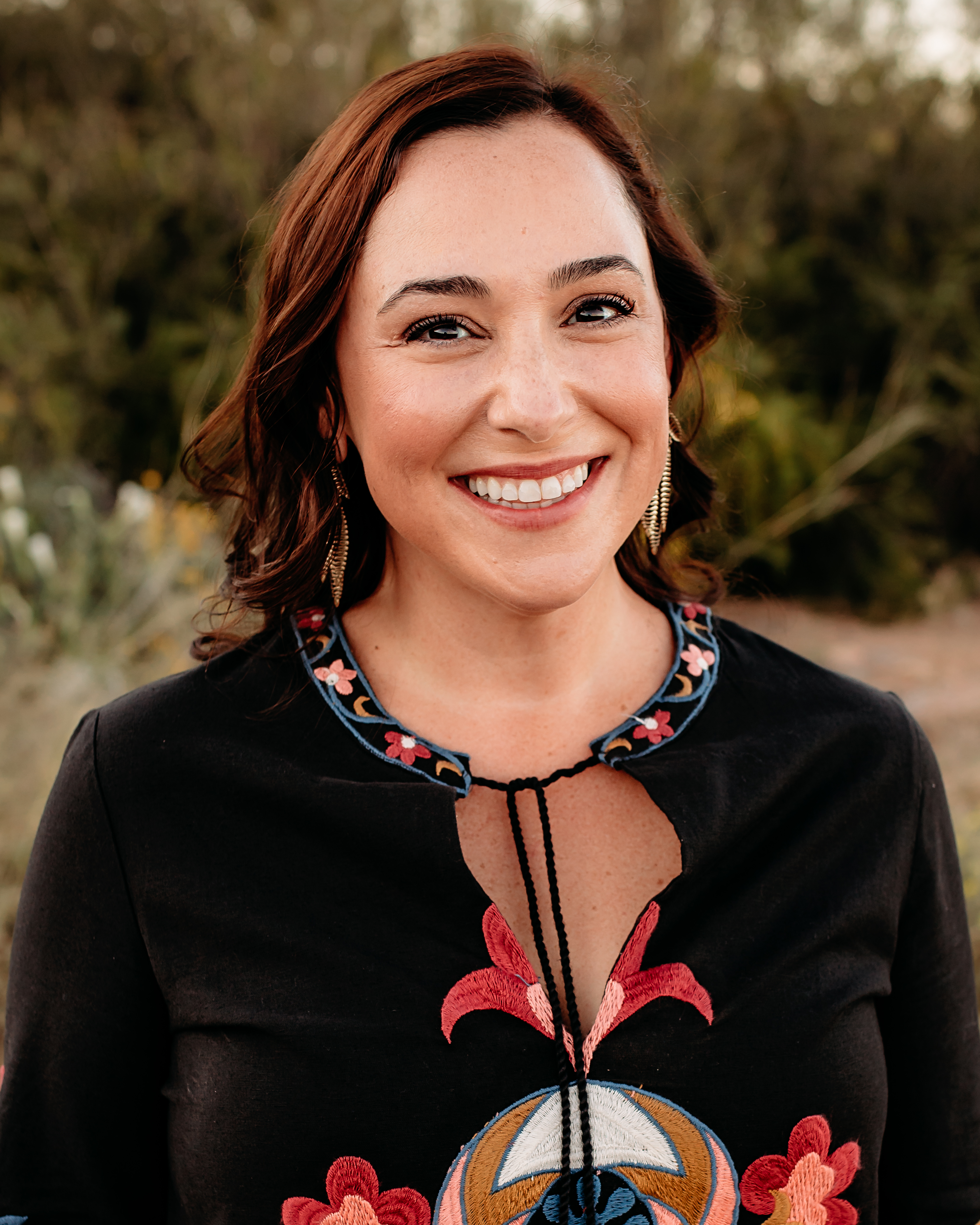
Isabel Alvarez Arata is a freelance writer and content creator with a focus on business, marketing, and lifestyle. While her passion lies in sharing her knowledge of pets, pet care, and pet-friendly living, Isabel writes for various online and print publications on a wide range of topics.
Fueled by her first encounter with rescue work at 17-years-old, Isabel believes that her purpose lies in helping companion animals live better lives by educating their caregivers. Isabel entered the pet care industry in 2008 when she founded The Wag Pack, Northern Virginia’s premier pet sitting and dog walking company. She has since closed TWP but continues to work tirelessly to promote positive pet care through exercise, enrichment, nutrition, and more as a pet sitting industry advocate.
Isabel was born in Ecuador, raised in Miami, FL, and has lived across the US and in Europe. She currently lives in El Paso, TX with her husband, two young children, and two old dogs.
A self-described gastronome and former hospitality industry professional, Isabel blends her love of life, banter, and adult beverages with her passion for pets in Covered in Pet Hair, a boozy show for pet lovers on Pet Life Radio, YouTube, and all major podcasting platforms.