
 Apple Podcasts

 Spotify

 Castro

 RSS Feed

 Goodpods

 YouTube

 iHeartRadio
Greenwashing in the Pet Industry

On the Weekly Pet Roundup, Isabel and I discuss greenwashing in the pet industry. What is greenwashing? What are some terms to look for? What's regulated? What's not regulated? What should I look for instead? We answer all of these questions and more! Send us a text 🐶 🐱 Nutrition & Holistic Health Consults: https://jessicalfisher.com/product-category/holistic-pet-health-nutrition/ 💜 Follow Jessica on Instagram https://www.instagram.com/thepetparentingreset/ 📩 Get email notifications fo...
On the Weekly Pet Roundup, Isabel and I discuss greenwashing in the pet industry.
What is greenwashing?
What are some terms to look for?
What's regulated?
What's not regulated?
What should I look for instead?
We answer all of these questions and more!
🐶 🐱 Nutrition & Holistic Health Consults: https://jessicalfisher.com/product-category/holistic-pet-health-nutrition/
💜 Follow Jessica on Instagram https://www.instagram.com/thepetparentingreset/
📩 Get email notifications for new episodes:
https://jessicalfisher.kartra.com/page/tpprnotify
0:00 Hello everybody on Facebook, YouTube and Instagram. Welcome to the Weekly Pet Roundup. This week we're talking about greenwashing and I think we have a lot to say. What do you think? My goodness, it's a big topic because it, I mean, I think it's intentionally vague and people, people like it big in big companies. They want it to stay intentionally vague so that they can kind of get away with all these marketing tactics that are being used. And the reality is that pet parents are actively seeking like more and more every day, week, month.
0:43 Hey, Diane, they're actively seeking out healthier products for their pets. But a lot of them don't know like what they're actually looking for. So it can be really easy to be persuaded by marketing on a package when you're not getting what you think you're getting. So yes, green washing is the deceptive marketing practice where brands use misleading claims, vague language or imagery to make their products appear more environmentally friendly, natural or healthier than they actually are.
1:24 So in the pet industry specifically, this can include false claims about pet food supplements, grooming products and pet accessories, giving pet parents a false sense of security about what they are purchasing. And we buy so much. I mean, it's a multibillion dollar a year industry just in the US. So we spend so much money on our pets. It would be so nice if if we were able to spend it more effectively and targeted and in products that are actually meeting the criteria for what we think we're buying. Yes, and go ahead. Yeah, No, there's a lot of, I mean, at the end of the day, it's all marketing, right?
2:09 Like it's all marketing. And if we're not educated enough, which most of us are not even those who are really educated, you'll find somebody who's more educated, who can educate you and you'll be like what? You know. So I have a friend in Chicago that will talk about her. And I always thought she's like such an eco friendly person, so educated. And then I saw her at Super Zoo last year, and she was telling me about a mutual friend who, like, makes her look like, she's like, you know, completely irresponsible. And like. Careless because everybody has a different level of yeah you know Millie's raw life says it's so important to do research and read the back of the bags.
2:50 But that's what's the problem with greenwashing is your first statement's so true you have to do your own research but the back of the bag if you don't know what to look for can still be really deceptive because all of it is marketing and it's using words like natural or clean, even cruelty free. I was cruelty free for a very, very long time. And sometimes cruelty free means cruelty free in the US, but they allow third party, you know, animal testing in Asia. And so you think you're supporting a brand that is in line with your value system. And it says on the packaging that they're cruelty free. But reality is they pay a third party to do it, to do the the animal testing.
3:32 So you're not really aligned with that company. So it's so important for us as consumers to know exactly like Rob High Adventures, Kara says. We they can still trick us. And that's really what greenwashing is. It's a trick. It is a trick. It is intentional. It is not by mistake. As a marketing professional myself, it's copy, yeah. It's what people do to persuade you to purchase something. And they know that if it says that it's environmentally friendly, you might buy more of it or you buy might choose that over another product. And then when you look closer, I was actually just, and this is not just in the pet industry.
4:14 This is in human consumer products as well. I was just reading yesterday on my timeline about like you know the dry laundry sheets right that are supposed to be more eco friendly? There's no plastic, there's no pack plastic packaging Bah Bah Bah. But in order to make them it takes more resources. Just like plastic bags get all the hate, paper bags get no hate, and tons of water goes into making paper bags. So really, when you're choosing at the grocery store between paper or plastic, really you should be just opting for your reusable bag that you bring yourself because neither the plastic bag nor the paper bag are really environmentally friendly. It depends on, you know, where you're worried about it. Is it you're worried about the landfill or are you worried about the way that product was created? Because sometimes it's equal, equally bad, right? So yeah, it's one of those things where we think we know something and then hopefully we're having these conversations and we are learning from each other, you know, and being like, oh, you know what I heard is this or I heard that. And then we are less likely to be deceived if we are keeping these conversations going within our own groups and our own homes and obviously reading, packaging and following businesses like maybe you are really into a business. They are very eco friendly.
5:38 They are more not. They're using natural, they're using higher quality and healthier things, but they get sold. Yeah, name's still the same, but it's not the same stuff you initially bought. So there's a lot to this. So I'll turn it back over to Jess because she's going to organize our thoughts here. But Jess? Where do you want? To kick off I. I want to. I don't want to forget later, so I'm going to tell you in case I forget to remind me. At the end, I want to circle back around to what you just said about what are you paying attention to? Are you paying attention to how this product is made? Are you paying attention to what happens after you buy or consume the product?
6:22 And we need to be paying attention to both. And I think there's a very important discussion that some people may not like, but I had, I learned it the hard way and I want to share that, but I don't want to get off topic too much. So I want to talk about that later on. OK. So yes. The life cycle of products. OK, I'll write it down so we don't forget. So what I did was I started, and this is by no means a complete list, but I think it's plenty for us to talk about. There are a lot of terms that are being used that I consider green washing that either are not at all regulated or they're very loosely regulated and I want to talk about that regulation.
7:10 So the very first term when it comes to the, and these are all pet industry specific is natural. So this is a very loosely regulated term. AFCO, which we've talked about many times on this show, the Association of American Feed Control Officials, they do define natural in their big book of definitions that by the way, you have to pay for if you want to know the definitions of anything. But they allow for synthetic vitamins and minerals and still be able to call it natural. So to me that doesn't that, that just doesn't sit right, but that's what they allow. They will allow synthetic vitamins and minerals and you can still put natural in the packaging. At the end of the day, even that is not enforced. So that's the very first ones that that always stands out to me.
8:08 And it, it is a term that I'm just like that means I see it means nothing. I'm like, that means nothing to me, no. It's like this umbrella term that should make you think, OK, one, this could be greenwashed or two, this could be actually natural but there needs they need to prove it to me, yes. So absolutely natural means nothing unless they prove it for sure. And, and there are still so many consumers that are like, but it's as natural. And I remember when I was when my son and I were avoiding dairy because he had a dairy allergy as an infant, people would be like, Oh yeah, it's natural. And I'm like, but that doesn't mean it's dairy free. You know what I mean? Like people just people just kind of forget that, that we need to like dive a lot deeper, like naturals. It can be a good thing, but it it doesn't mean that it's allergen friendly.
8:57 It doesn't mean that it is only, you know, plant based. It doesn't mean that it's whole food based. It doesn't mean any of those other things. It just is like a starting point. Something like General Mills, like Lucky Charms might even say natural on it because they might be because they're they've been improving their formulas for these kinds of things. So now they're like, oh, you know, Whole Foods. And it's like it's made from refined flour. I guess on some level you can call that a whole food, right? Like, so you really, if you have to laugh at natural, like to me, just it's not real. Yeah, it's Mickey Mouse. So there are there's like so many different ways to go on this next one and I want to try to hit on all of it organic.
9:45 So or there is a USDA certification for organic and that to put USDA certified organic on a package, you do have to meet the qualifications for that certification through the USDA. So according to the USDA, that means there are no synthetic chemicals, so no synthetic pesticides, herbicides or fertilizers. They're non-GMO, no artificial additives or preservatives, but we all know that natural flavors and natural fragrance get through that in a loophole. And then there are some standards for livestock and farming practices.
10:35 What I want to say about organic is that it's a good benchmark for produce. If you're purchasing produce, it's a very good benchmark. It is not. It's like bottom of the rung bare minimum for animal products in my opinion. There's so many more levels. If I'm looking at animal products, It's bare minimum for animal products. Also, when you are buying from smaller companies, when you are shopping at a farmer's market, when you're buying locally, they cannot to, to get these certifications cost big money. So their product may actually be organic and it is not labeled organic because they can't do it because they'd go broke, right, trying to buy the certification.
11:30 So there's a lot of nuance with organic. I think again, good benchmark, but you still need to do a lot of research outside of that. Yeah, I'm as a reminder, organic poop is organic like. Poop. Relates to or is derived from living? No, like the word organic means derived from living matter. That's it. That's all it means. So poop has living matter in it. All of our secretions have are organic are the animal secretions that Cara and I talked about on the Halloween show are coming to mind.
12:13 But all of these things are organic. Cancer is organic, right? So like an animal that has died of cancer could still technically be organic. So that's why you have to be careful with these marketing terms. So like, yes, there is organic meaning certain practices in farming and raising animals, but then the word itself doesn't mean that automatically, right? It doesn't, It doesn't necessarily mean that. So remember, organic is great at Costco when you find your blueberries and you're choosing between your conventional and your organic blueberries. Definitely if your budget allows it, go for the organic blueberries that have less of any of those of those synthetic compounds, fertilizers, herbicides, all those things. But when it comes to any kind of meat for example like, I want to know more about this meat. 100% it's bare minimum for any animal product.
13:07 And and eggs. And eggs, Well, yeah, yeah. So, and, and as Isabel said, if you can afford it, because I, you know, I remember going back talking to Kelly Marion at Green Juju on the podcast. And I specifically asked her like, OK, if you cannot afford organic produce being the vegetable, right? If you can't afford organic produce, should we still do vegetables? And she said 100%, absolutely. Yes. So if you can go to the EWG, go to the Environmental Working Group, look at the Clean 15, look at The Dirty Dozen and try to make your decisions based on what produce.
13:53 You can actually get away with some produce not being organic if it's on the Clean 15 list. So you know. And a little cheap, a little cheap for those that don't that are in the grocery store and didn't have the chance. There is an app. They obviously have apps. The EWG has an app. But anything that you're going to peel the skin off of, like an orange or like an avocado probably, OK, conventional, anything you're going to eat entirely, like a strawberry, a blueberry head of broccoli some, and even then some, like cruciferous vegetables, they don't have to be organic because just in that farming of that particular vegetable or fruit, they just don't need that many pesticides or whatever. So just know that the rule of thumb is if you're going to eat the whole thing, try to get organic. If you're going to peel it in some way, then you're probably safer.
14:46 But don't forget, like for me, for example, a banana you peel, but I can't eat conventional bananas. I just can't. And it has nothing to do with the banana. It has something to do with the whatever they spray at the when they're shipping the bananas. I've narrowed it down that if I wash a conventional banana with soap and water, I can eat it. So it's something on the banana. But for that reason, I just opt for organic bananas at all times. I don't have to wash them. I know they're safe. I don't have to worry about that. So it's just kind of like a general rule of thumb, but it's so easy. It's so easy to just go on EWG. They have a website they have and every year they do a new clean 15 and new Dirty dozen list. So if you have like a like the little you know graphic from three years ago, update it because it does change. Yeah, absolutely.
15:38 OK. The term holistic is completely unregulated, so you can use that on anything. I know my first year at Super Zoo I saw multiple products in the new product showcase that were holistic something and I'm like, you have got to be kidding. Maybe because one of them was a kibble and I'm like, what? And I've actually had people ask me about that. I'm glad I saw that product at Super Zoo because I haven't seen it out in the wild since then. But it's it's a kibble and it's called holistic something like that's the brand. And I'm like. Wow. Well, like how? Old of you, but no but. From a marketing perspective, OK.
16:20 But from a marketing perspective, if they have something there that's good for the eyes, that's good for the teeth, that's good for the gut, that's good for the joint and the brain, it's holistic, right? Like we've thought about, we've thought about a lot of the body, therefore it is holistic, right? And that's where the marketing really comes in. It's can, how can I get away with saying this? And if there's something in there that you can technically defend yourself in a court of law, if you were to get sued and then you weren't lying, there's no false advertising because you did have some kind of synthetic for the eyes and the butt, like it's holistic. Yeah, yeah, I mean, I get it.
17:04 It's a very, again, it's a completely unregulated term. We throw it around all the time like crazy, assuming that we know what everybody, that everybody knows what we mean when like I have, I have been asking lately a lot of people that come on the show, especially veterinarians who call themselves holistic veterinarians, what does holistic mean to you? Correct. Because it can mean so much just different things to different people. And I mean, even to me, I feel like my definition of holistic has evolved over the years to, I mean, and you can get really, really down the rabbit hole with trying to do everything naturally.
17:50 Like I've, I have talked to one veterinarian for sure who is like just completely anti pharmaceutical anti. And I'm like, OK, I mean, that's a that's if that is working for your patients, please, by all means keep doing that. So yeah, it is completely unregulated. Don't like If you are buying a product simply because it says holistic somewhere on the packaging, please stop you're. Feeling even even for doctors and vets, like you said, doctors and vets, I think it's I for me like holistic doesn't say anything unless like I'm looking for a doctor or vet and it says holistic and integrative, those kinds of more specific words. If I look at their services and they have some services that include like hydrotherapy and things like that, I might be more inclined to believe that they are holistic.
18:37 But like, just because you're maybe comfortable, like using nutriceuticals does not make you holistic in any way, shape or form, right? Like to me, and if you're, if I'm going to tell you that I, you know, found this herb that's helping my pet and you're going to be like, then for me, you're not holistic. If I ask you about, you know, canine acupuncture and you kind of make a funny face, then to me it's like, I feel like holistic and integrative kind of have to go hand in hand for me, for me to even take holistic in a practitioner seriously. Cuz not the idea of holistic is that there's a hole, right? And not everybody can be an expert in the hole. So if there's no other techniques and methods and approaches, then I feel like.
19:21 But how can we really achieve holistic care? Yeah. And so the canine dietitian says for her, holistic does mean taking everything into account. It means the whole. So exactly. And so I, I mean, but to your point, and I think that is one of the reasons why I think we work to better, we, we all work so much Better Together in the holistic field because exactly what you said, we can't all be experts at everything. So do what we do really well and refer out for the other things, knowing that it's there and that it needs to be addressed and that it's part of. You know, everything that needs to be addressed. But while we're on this topic, I will say my episode that went Live Today on the Pet Parenting Reset is with Carrie Hyde, who owns the spa in California.
20:17 And she, I know I love her so much. And she introduced a new term to me, which I said earlier it she calls these a lot of veterinarians pholistic. Pholistic. Yeah. The ones that are like, I know how to do acupuncture, but that meanwhile they have a huge wall of kibble behind them, right? Like so she calls them pholistic. So that's my new favorite word. Oh, that's perfect. It's true. And it happens to all of us. Like you go to a holistic dentist, but they're using fluoride. You're like. No, sorry about that, bud. Yeah. I don't know, like and, and, and some dentists will let you like decline it and they don't make a big issue.
20:59 But what's funny to me is that usually it's the ones that are, like, claiming to be the most holistic are the ones who are, like, really stuck on their, it, their way or the highway. Yeah. And you're like, but that's exactly the opposite of holistic. Holistic to me says you're open minded, you're willing to learn. You're willing to look at how one system affects the other, how, you know one medication that is solving one problem might cause another. Those kinds of things to me are holistic. And like definitely marketing has skewed that definition. Yeah, yeah. Royal Paul Adventures like holistic, holistic, OK, human grade is loosely regulated. AFCO does provide guidance requiring all ingredients and processing to meet human Food Standards. However, enforcement is weak.
21:50 I think that is true with almost anything that is regulated by AFCO or the FDA. It is very loosely regulated. So there is a requirement for that. It meets human Food Standards. And I think mostly from everything that I have looked at, especially the the foods that submit to Susan Thixon for her annual the list, they do, they do what they say they are and they follow human Food Standards. So that is one that I do think you can trust a little bit more, at least right now. I think as some of the bigger pet food manufacturers get more and more and more as we're already seeing into the fresh food realm, it may be something that you want to pause at if you're dealing with a bigger pet food manufacturer.
22:48 But I think that one you can, that one is something and and it may not always be something that you are looking for. There are foods that I feed my pets that I'm very comfortable feeding my pets, but they don't necessarily need 100% across the board on a certain recipe, human grade standards. And so you know, that's it's, that's up to you. That's going to have to be a you decision if that's what's the most most important thing to you. And I think it's also, yeah, like you said, it's very personal because I, I know that like, and I can't, I'm not going to say the names because I don't want to misquote anybody.
23:29 But there was a situation in Super Zoo where they wanted a very well known influencer who really talks a lot about nutrition to endorse a product. And, you know, the product was great, but her kind of baseline is human grade. So for her to endorse anything, it had to be human grade. And that's her right. So like everybody has is going to have different standards. But that's why these are just one of the many things you look for rather than like be like, you know, when I used to be, you know, I'm pretty much only cruelty free still. But this was like 10 years ago when it wasn't really that common to find cruelty free products. Like that was how I went into Sephora. I went in and said I need cruelty free. And then when they told me the brand I would see, like I would Google, you know, is this tested, third party tested? And then I would have my answer.
24:28 But that was my cut off, whereas maybe there were parabens and things in there that I wouldn't have wanted otherwise, But that was like my buying factor. So again, knowing your buying factors, what matters to you and why these why human grade? Like what, what does it mean to the animals? What what is, is there an improvement to the treatment of the animal or whatever? And that might really resonate with you. I don't remember why this person was so like passionate about the human grade qualification, but that was hers, you know? For sure, and it's funny you bring that up. I, I as recently as last summer went into Ulta and I was asking for I was specifically looking for shades of eyeshadow that did not have glitter in them.
25:10 It is so hard to find out eyeshadow without glitter. Oh my gracious. And I said, OK, I'm looking for these shades, no glitter, cruelty free. And as soon as I got to the cruelty free part, they were like, I'm like, like, why is that such? Like, I don't know, I guess some people are just it's hard to it don't care. Because and I just a side note, we can do a whole episode on cruelty free, but in China, the last I understood is that anything that's sold in China has to be tested on animals before it's put into their market. So a brand that is not testing here in the United States or in Europe may pay a third party to test so that it can be on the shelves in China.
25:59 So that's really if, if the government's requiring it to allow it in and you know, they have a very big purchase power. There's a lot of people and money in China, so they want to go in. And that's why I said at the beginning, like that's just not in line with my value system, right? Like I'm not going to support that company. I want to support the company that is truly cruelty free universally, not with across the bar caveat or a third party, because they're still paying the third party. It's not like China is paying for it, right? They are, right. So they're still supporting animal cruelty pretty direct. Yeah, correctly. I mean that you can't even qualify that as indirectly. So, yeah, OK, so next. 1A Premium completely unregulated. You can put premium anything, like literally anything I. Can call myself a premium mom, premium wife, a premium daughter.
26:55 Like a monster. Like that's really how like meaningless that word is. Completely meaningless. The only time premium means anything is if, you know, you're talking to somebody and you say it comes at a premium, right? Like something comes at a premium and you're saying it's pricey. Yeah. That's the only time that I like care about that word when you're like, what do you mean? What's the premium, right? How premium are we talking? Right. Yeah. But like, yeah, premium, premium means nothing. OK, so these the next two or they might trip some people out. So better veterinarian approved, completely unregulated veterinarian recommended any vet. Any vet you choose does have to support the product, but there's no standardized like testing or criteria. So it's very loosely regulated.
27:55 So as long as they get one person who has graduated vet school and still has their license, they can say veterinarian recommended. Veterinarian approved means absolutely nothing. Nothing at all. One in five or four in five veterinarians feed this to their pets. Based on what? Like based on what, Right? You sent free samples to five veterinarians and four of them said, OK, I'll feed it. Exactly. Yeah, none of this makes. And it's funny because I write copy for pet services companies and I have had this discussion with my clients where they say that recommended. And I'm like, we're the vets.
28:39 Yeah, like I want to know the vets, can we link back to them, blah, blah, blah. And usually it's one. And I'm like that recommended by 1 is fine, but recommended by vets would be a lie, right? Because it's 1. So I try, even though I'm a marketer, I try to be very honest where we can say, yeah, that recommended by this one vet. But if you're saying my business is recommended by vets in the area, that's a lie because that's a bold faced lie. You only have one vet recommending you, so know that there's nobody watching that other than the person and their integrity, right? That's really the only thing. And, you know, most highly rated pet sitting company in this area.
29:21 Based on what? Like based on what rating? Because like, you know what, like your 100 Google reviews, maybe the other person has 102, you know what I mean? So like, what are these words? And this is the same thing. This is just instead of for a service, it's for a product. It's like, yeah, this vet approved clostamine supplement because the vet approved that it will end up on its shelves. Yeah, well. The vet is a that. Approved is completely unregulated. It's recommended, that's loosely regulated. So that I think again will trip people up between approved and recommended. Regardless, yeah, I wouldn't put any. I wouldn't put any way to.
30:02 Me, they both mean absolutely nothing. No, because vets to prove a lot of things to be on their shelves that I would never feed my pets or what I would never give my pets. So as much as I love vets and support them, I know that their priorities are different than mine. Yeah. And there are a lot of things that my doctor gives me when I'm sick and I get the prescriptions and then I'm like, no, no, no. And then it just, I end up keeping it just in case I get desperate. And then I'll be like, no, I'm going to, I'm going to see if I can take more vitamin C and zinc and see if I can knock this out before, you know, using this with like, a litany of potential side effects, right? So like, yeah, like just because it's recommended by my doctor, my vet, doesn't mean I'm going to, I'm going to follow through with it. Yeah.
30:49 So the next one that many people may be very surprised about that is completely unregulated is hypoallergenic. It's just like noodles. They're hypoallergenic, right? That is the biggest marketing ploy ever to sell dogs to you and sell all sorts of stuff to you. Yeah. So what? Is there any regulation on that? None. Zero. I wonder in the in the human industry if there is just cuz we're talking about babies and stuff. I wonder if there's any regulation cuz that's, you know, there's so many babies that have skin issues, their immune system's so young and delicate and you would hope that nobody's just like writing like hypoallergenic for like this two day old infant that's going to have like a horrid reaction or skin burn as a result.
31:41 So yeah, like, it's those things make me mad because like, hypoallergenic you, if you know your child is somehow really sensitive, you kind of gravitate toward those words well, thinking you can trust them. How long did baby powder companies tell you to put talc on? I mean when? They they don't care. They knew for does it. I I'm this is a decade. They knew for decades that it was damaging. Yeah, yeah, yeah. Guys. This. Is this is regulation? Yeah, if any. Grain free does mean there are no grains, but there is absolutely no regulation as to what replaces grains. So, and this is, I know that we have talked about this in the past, you know, whatever fillers are replacing the grains, there's no regulation on that.
32:39 So just because there isn't rice in there or wheat doesn't mean that it's low carb or that you're still not getting a ton of fillers that you don't want your pets to have. I mean, I I literally still to this day get people who believe the DCM stuff who their vet is still telling them don't feed grain free who who, who are feeding a grain free and think that means low carbohydrate. Like literally people think that. Yeah, I know. So it that no, no, no, no. They can replace that with any other carb that doesn't qualify as a grain.
33:22 Like that's all it means. Yeah, dairy free, for example, does it mean soy free? And we were dairy and soy free, right. So I had to look for dairy free. So because usually the things they replace stuff with the other allergens, yes, that's another thing. Absolutely you have to be careful with. So you're allergic to, you know, casein and they'll give you like the protein that's most similar digestively. And you're like, well, that didn't help at all, but at least it's dairy free and you you learn the hard way. Yeah, Yeah, we normally do learn the hard way, right. So limited ingredient is there's no strict definition for that.
34:07 You know, my, my research says that it's loosely regulated, but I still don't even see how it's regulated at all because there's no, no real definition for it. Brands can claim this term without reducing allergens or unnecessary ingredients. So I mean, I, and I see this a lot. There's only one food that I pull out of my hat when somebody needs limited ingredient. Anything else that you're seeing, like on a shelf that is shelf stable, that is says limited ingredient. I'm like, can't be, but so limited ingredient, maybe they're limiting the ingredients that they feel are allergens. I feel like that's what a lot of these companies are doing. But no, that doesn't.
34:56 But again, maybe 1 allergen. Maybe one. Yeah, maybe. One out of the you know, one out of the the six that your pet reacts to. Yeah, I can't tell you how many people I talked to that are like, my dog can't have chicken, and I've removed all the chicken from their diet. And that's the most popular one, right? That's the first thing people go to to remove. And then I look at the list of what they're feeding and we I'm like, OK, I pull up the ingredients and there's chicken in it and I'm like, and they're like, what? Yes, yes. So Grooming by GAIL wants to know what food you like that is limited. Ingredient Green Choo Choo. I mean, we love green Choo Choo. OK, so next is.
35:40 Non-toxic, also unregulated. There's no standardized testing or certification for non-toxic. So it's basically like what does that mean to you? Which is non-toxic. To that brand, non-toxic to me makes me think of our cleaning products right like that's and that's so important for our pets. Yeah. Because. They're I mean. Literally walking, licking, laying. And so that one is a big one for me. Like, I, I mean, I don't trust it, but I do my research about, you know, environmental toxins because not toxic, non-toxic.
36:24 That still says, you know, are we talking about an acute toxicity? Are we talking about a long term toxicity? Like there is no, like there's no true commitment on the part of anybody who is using that term as to what is going to happen if you use that product. Yeah, then, interestingly, 4 Legger sent out an e-mail recently about four Legger does grooming products for pet. Well, pet shampoos specifically, and. I've used one of their things. Yeah, I love, I love her stuff. And she says, again, there's no legal definition for natural.
37:07 There's only regulation for organic, but it's only enforced for companies that actually have the certification and the there are so many loopholes. Even with natural or non-toxic on the label, their products can still have harsh detergents that strip natural oils and irritate the skin, synthetic preservative like preservatives like parabens and formaldehyde releasing agents, and artificial fragrances that can contain undisclosed chemicals. So I thought that was appropriate for our talk today. Yeah non-toxic means nothing.
37:48 It just means not poisonous, but like, I mean, there's a lot of stuff that's poisoning us slowly and that's not going to be labeled non-toxic. Going back a little bit, Kayla Dodd on Facebook wants to know, is goat milk also considered dairy? Should it be avoided? I was talking about my son and I when we had a dairy allergy that was not related to pets. Obviously, we wouldn't want to give like pasteurized dairy to our pets because it's full of synthetic vitamins and it's not good really for any purpose. Goat milk. Only if you get like a very high quality raw goat's milk that you get from a trusted source that's been handled properly and shipped to you properly or shipped to your store properly, then it should be safe and has a lot of benefits. But yeah, Jessica.
38:35 I mean it is technically dairy, but the the protein variation between a cow and a goat, I think the goat milk is so much more digestible. It's actually the closest to human breast milk. So a lot of natural quote UN quote holistic quote UN quote human grade. Obviously they have to be human grade formulas are made with goat milk bases as opposed to cow's milk because it is closest to breast milk. So yeah, I think it, I mean, I think goat milk has a really good use in pets. I think it's hard to it. It's I've tried it for human consumption and it's very fatty. See, I think cow's milk is more fatty, but you tried it. You tried it.
39:24 No, no, I would. No, that's that's green juju. I don't know, like that's green juju's pet specific. I've bought at Sprouts. I bought goat's milk at sprouts to make my own yogurt. I love yogurt. I love homemade yogurt. That's like one of my favorite desserts. And there was like a thing of fat was sitting there, a layer of fat. And I was like, no, this is the one time. Like this isn't right. I got it again. It's just so fatty. And I, I mean, I'll, I have half and half in my coffee. Like not I'm trying not to because I read that. You have dairy in your coffee, all the antioxidants, you don't absorb them as well.
40:04 So I'm trying to only do plant based like creamers, but I, you know, I'll use half and half and it's not fatty, but like goat's milk had like at the in the little plastic bottle, which obviously it comes in plastic, which is not ideal, like organic, really awesome in a plastic bottle. And it was just too fatty. So like my kids were like, it's that I could not shake that thing to save my life. I guess I would have should have put it in the Vitamix. And I was like, I'm not doing this again. Wow, I'm wow. So there's no So should I just get green juju and feed it to my kids? But just get green juju, yes? So yes, Kayla Dodd goat milk is is considered dairy, but it should be. It should not be avoided. It's just individual preference.
40:49 Eco friendly. It was probably a cream top. They have that specifically at sprouts. It was not. It was just like because I saw the creamy top the second time I went, but I don't know, man, you told me Cara, am I doing something wrong? Honestly, my kid should not be having dairy and like if I were to make something like cupcakes or things like that, I should be using an alternative that has he's still like he's not fully allergic to it like he used to used to get eczema and stuff like that as an infant, but I still think it affects him. So I would love some tips. So Cara DM me about the goat milk. Eco friendly and sustainable are both completely unregulated. And so is biodegradable.
41:36 Yes. Well, so there are some FTC guidelines for biodegradable, but many biodegradable claims are misleading, and I'll let you talk about that. She she just walked out of sprouts. That's so funny, Kara. OK, so this is the thing about pet products specifically and like obviously eco friendly. You might buy something that's eco friendly and then like you look at the actual packaging and you're like, this is not eco friendly at all. Like maybe the product inside all this plastic is eco friendly, but like this is, you know what I mean? So I think and like, or you'll buy an eco friendly product and it comes with all sorts of packet, like just like a huge box.
42:22 And they're like all this like, you know, CO2 consumption just to get it to you and like you're like, so you don't have to pay attention to the details when it comes to like eco friendly. But the one that bothers me the most and this one I'm pretty well versed in because I've known Jennifer Blaze of Green Line Pet Supply for over a decade now and she is the poop bag girl and she is a plastics expert. She knows plastics better than anybody I know and she makes the only to date that I know of truly landfill biodegradable poop bag. But you go anywhere and it says eco friendly poop bags and biodegradable poop bags and like because it's not a lie they're allowed to put it on the packaging. But this is the thing.
43:15 Most landfill environments are dark. The vast majority of poop bags that are biodegradable biodegraded sunlight, but most of our poop bags end up in landfills because we hopefully will pick up the poop, put it in our outside trash. The outside trash is picked up once or twice a week, taken to wherever they process and ends up in a landfill, which is just layers of layers of dark environments, right. And so in her poop bag, she developed a, an additive that eats the poop bag. It's like, I think it's kind of like think probiotic, right? Like think bacteria that just like eats it up. So no matter what the elements are around it, that the fact that there's poop and bacteria in there, there's a, you know, match made in heaven and it starts to biodegrade.
44:05 And some of these poop bags that are supposedly biodegradable, eco friendly and green actually last 300 years in our landfills and they Leech all sorts of microplastics and chemicals into our ecosystem. So you are going to the dollar store and being like no, I'm not going to buy these because they don't say eco friendly. I'm going to go to PetSmart and spend 3 times as much. And when you really look at the reality of the life of that poop bag, they're exactly the same. So unless you're really like you're buying something that you know is truly landfill biodegradable, landfill biodegradable needs to be stated.
44:48 And like, if you like, if you go on Green Line pet supply, her website, she will show you the whole process. She will show you how she came to this conclusion. She will show you all of the reasons why other poop bags can't actually biodegrade. And she puts her money where her mouth is. And I'm, I'm an affiliate with her, but mostly just because I buy them and I keep, I use them for my pets and for my backyard. But this is not sponsored or anything. And I, when I had her on my show, I was blown away by just like how knowledgeable she is about like really truly plastic. She was, you know, we talked about how in, on my show, this was years ago, she's one of my first guests and she talked to me about how like she loves buying in bulk, but she doesn't love Costco's packaging because there's so much plastic, right? So it's like you think you're doing the right thing by buying in bulk and then storing all this stuff in your house, but then it's all wrapped in a huge thing of really thick plastic that's going to last 300 years and leach into our oceans, right?
45:54 So like be very careful with biodegradable, with eco friendly with all of those because you end up spending more, right? Like you end up paying twice as much for these green things. And that's what green washing really is. In all of these terms, you pay more and you get the same that you would have gotten if you hadn't, if you just gotten the cheapest thing on the on the shelf. And that, as a consumer, should piss you off. It's just my language that should really get you upset. Yeah, for sure. So much of this should and exactly. You should be mad.
46:35 So made with real meat. There's so many terms on a pet food label specifically that you have to know like the definitions to know. Like what percent, like dinner and entree. It's like some of them are 4%, some of them are 25%. It's it's it's bad. But made with real meat. They do require a small percentage of whatever you say. Like if you say it's with beef or whatever, it has to have some beef in it but does. The quality of the beef matter. Not at all.
47:15 That's where they get you. Because it could be like a cow that died of cancer, riddled with illness, and it still counts as made with real beef. And that's absolutely is where my blood starts boiling. Yeah. And then superfood, Superfood ingredients completely unregulated. So superfood is unregulated. And I, I mean, we say it offhand all the time, right? And, and I know a lot of brands and people that I follow say it offhand all the time. I don't know where I first heard it. Probably Rodney Habib, right?
47:56 Superfoods. What's that superfood? Well. OK, I want to anybody who's who's watching us live, comment below the superfoods that, you know, we all know for foods. Yeah. Blueberries are the first ones that come to mind. Yeah. What else? I mean, I think a lot of fruits and vegetables come to mind first. Avocados. Avocados. Blueberries. Like leafy greens. Like, yeah, any leafy greens are gonna have lots of. Omega-3 like oily. Fish oily like sardines. Eggs. Eggs are the ultimate superfood. Yeah, mushroom, microgreens, berries. Yeah, yeah. Yeah, but it's unregulated, so a pet food company can say what they whatever they want is a superfood.
48:45 And The thing is too, like if you're just, if it's a really low quality of whatever it is covered in herbicide acai, yeah, that's a good one. If it's a really bad quality covered in herbicides, pesticides and all sorts of stuff, then it stops being a super food just because at some point and it's in its genetic makeup, it was a blueberry. Like that's the thing, right? So it's like, are we getting a high quality blueberry here? Are we just finding like, rotten blueberries and like, repurposing them for, you know. Yeah. So yeah, super food is is. I mean, it's good to know if you're shopping for fresh foods what a super food is. Like.
49:25 I'm always so happy. Then it becomes a super bad food. Exactly. I'm always shopping for whatever is a super food for my kids. And luckily they love avocados and blueberries. Do you think I'm going to get them to eat like sardines? Absolutely not. Even I don't know, you know, when it's when you're shopping, it's really good to kind of try to get these things, but knowing that it's not like in a processed food because you can put as many super foods into, you know, Lucky Charms and it's still going to be Lucky Charms. And I have no hate on Lucky Charms. They have their place. I take a box of Lucky Charms to my sister every year when I go to Spain.
50:06 Because she was like a little treat. Yeah, exactly. And they're like $20 a box over there at the American store. But yeah, you can put all sorts of super foods into poop and it's still poop. Yeah, very true, very true. So, OK, to go back to what we're what you were talking about. The life cycle. The life cycle. So I, and this is going to be controversial and I get that, but it is completely, I mean to, I understand why because I spent 13-15 something like that years of my life between vegetarian and vegan.
50:53 And I did that because I bought in to all of the marketing for I care more about the animals, right? And I don't want and and that still to this day is true. Even though I'm no longer vegan or vegetarian, I care very much about the life of the animal that I am eating, which is why I try very hard not to support, you know, industrialized ranching and mono cropping that like I'm sure I do. I live in in. The real world. Right. But the reality is when you look at look at the life cycle, if you look at everything, the mono cropping that feeds vegans and vegetarians because they need this huge abundance of plant matter.
51:56 The mono cropping is killing everything in that soil, including the soil. The tilling is killing all of the, you know, voles and moles and rodents and everything else living in that soil. The glyphosate, herbicides, pesticides, all of that. It's killing our planet. All of us, yes. That also leads to us, as you know, anybody who lives a vegan or vegetarian lifestyle. Yes, you could opt for all organic, all local farms, raise your own. Sure, fine, most people are not doing that. Then you get into the whole meat alternative, which has flopped. I mean, I don't know if you've noticed in the grocery stores. They did a good job with the flavor 'cause I was vegetarian for a long time and when you know, Impossible Burger came out and Beyond Burger, they taste good. But when you look at the ingredients, you know that you cannot sustain yourself on those things. It's like.
53:09 Ingredients are horrid. They are full of seed oils, which are horrible for us. They are. I mean, they're, they are creating a sick society. And so yes, do I care, I care very, very much about the quality of life of animals who are being raised for food, being vegan or vegetarian. You are one cow is going to feed one person for more than a year. And think about all of the animals that we're killing in modern cropping to create, to to sustain this vegan and vegetarianism that has overtaken our culture for decades. Yeah, I mean, I, I was veggie and vegan for a really long time.
54:09 I'm insulin resistant, so it's really hard for me to do that ever again. I need to focus on my animal proteins and that's just genetics. And as much as I sometimes don't want to eat the animal protein that's in front of me, I recognize that it's the healthiest thing for me in my body. And I, and it's funny, those I was, I was always vegan, vegetarian as an adult, maybe no, in my 30s, let's just say like that whole decade. And then I did, I looked at like the blood type diet and I'm supposed to be like a carnivore. And I'm like. Uh oh. And then I realized that my sugar spikes so easily even with Whole Foods that are supposed to be low glycemic index, then I have to be super careful about what I eat.
54:57 So I'm like, yeah, I was, I was lucky that in my 30s I didn't get sick from, you know, eating so much. You know, legumes are really wonderful foods, but I was like, that was like my only source of nutrition. And Raw Pod Venture says yes, monocropping. Preach. I just had Regenerative ranchers on for an interview and it was such an amazing conversation. I can't wait to release it, Diane Co says. I used to be vegetarian but did not feel healthy, so I went back to eating meat. A lot of people have said that. Like I've heard, I know Miley Cyrus has said like, she was like really doing poorly on it. I know Angelina Jolie was the same thing. And people get mad at them for saying that. And like, I think it's a personal choice. I do think some people eat too much meat. I really do think that like sometimes I look at people who like are having a burger and then they want like the, the, the Super decadent cheese on there and then the bacon and then like the this and that.
55:57 I'm like, you could just have the burger. Like the burger is perfectly delicious as it is and that's your protein and it's great. And so I do think that we are overdoing it, that our heart disease rates are impacted by how much mostly red meat we're eating. And like a lot of like the processed meats that really aren't good for us. And a lot of people will say like, that should probably be eaten, eaten. Yeah. Eaten sparingly doesn't mean that you don't have you can't eat them, but just like sparingly. But like a balanced diet is always the most important thing. And balance will always, if we balance our lifestyle, then the world around us becomes more balanced, right? Like it's like if I am supporting all of these industries that have, you know, that are life saving, life giving because you know, your farmers are giving us life like that's we can't live without them. If I'm supporting a variety, then I'm doing right by myself and the environment.
56:57 And for the pets, it's the same thing like if we're just feeding them corn, are we doing the best thing for them or any other industry or, or, or agricultural, you know, section sector, We're not. And what we're doing is probably making our pets really sick by giving them one thing, you know, 60% of their diet cannot be corn. And a lot of pet parents. Unfortunately, that's the reality. Well and segwaying into our pets. Cats are obligate carnivores and there's so much back and forth on what dogs are. I believe they're facultative carnivores.
57:40 Same. There are some people who believe they're omnivores. Either way they should not be eating a vegan or completely plant based diet. And the people that argue know that dogs can thrive on a plant based diet, I believe are cherry picking their studies and not looking at what's actually common. The commonalities between all of these dogs. Because in different parts of the world, humans and animals eat different things. We as Americans have become so accustomed to being able to eat whatever we want whenever we want. We shouldn't be eating strawberries in the middle of winter, right?
58:27 But we do. And so we have this mindset that everything is always available. But that's not really how we're designed to live, nor how our pets are designed to live. Which takes me down the whole rabbit hole of AFCO and balance. And that I believe is BS. But my point being that veganism, even vegetarianism I don't believe, is sustainable the way we do it. No. It is not good for our pets. Let's talk about vegetarianism. What does it become? It becomes a super dairy heavy diet, which is also and impactful and it becomes very dairy is very impactful to the animals and to the earth.
59:18 It is not a benign, you know, there's the factory farming for dairy is not benign in any way, shape or form. So if you're giving up, you know, you know, pasture raised chicken for your cheese all day long, then you're not doing anything better for the environment. So that's really important to know that it's, it's and there's a lot of survivors bias, which I think is really important to note. Like you may meet somebody with a dog who lived to 1516 or more that was vegetarian, vegan, one of the oldest dogs was a vegetarian. And that dog was eating fresh food from the farm on which it lived and it was getting fermented foods and all sorts of delicious, wonderful things. I mean, I want to be that dog on that farm like in my next life because that dog got a lot of really amazing things. Not, you know.
1:00:12 Not actual like caught up chicken, but that dog lived on a farm so really it could have been eating meat that, you know, likely so. Yeah, catching rodents. Exactly. So like we don't know, we don't really know exactly what kind of meat it was getting. But I, you know, I think it's really important to know that every single person dog, cat is an individual. And just because that one dog did really well with, you know, maybe it's five last years because I don't know anybody who's had like a 15 year old dog who was always vegan or like at some point they ate vegan. Like just like my dogs at some point ate homemade raw. They don't anymore all the time for that. But, you know, you know, the diets change. And sometimes, you know, you'll hear somebody say, yeah, my dog was totally vegan.
1:00:59 And that's not first, first of all, factual. Maybe it wasn't its whole life. It wasn't vegan. And it's also maybe that dog in that environment thrived because of something else, something completely unrelated to the diet. So it's really dangerous to go against the norm if you want a vegan animal. Rabbits make wonderful pets and that's all I have to say about that. I think that that I get it. I get the desire to be vegan and vegetarian. I have nothing but respect for people who want to go that route. I did it for a really long time. But to force our pets into something that is not biologically appropriate is not OK. I mean, it's like the same as my daughter and my son.
1:01:39 They're my daughter just turned 5, my son is 7. My son does not like proteins for the most part. Like if the I put chicken Nuggets and French fries on a plate, my daughter will eat the chicken Nuggets 1st and my son will eat the French fries 1st and then I have to fight my son to eat the chicken. I don't fight my daughter to eat the French fries. I don't care. I'm happy to throw them away but I have to fight my son to eat the chicken. Can you imagine if I forced my daughter to be a vegetarian or a vegan? Like that's it's not my body. And even though I am her parent, it's not my body. And it's clear that she enjoys meat. You know how I know? Because she's the reason I started eating meat again the day I delivered her. I'm breastfeeding exclusively and I could not stop craving a Turkey sandwich.
1:02:24 And for the first two years of her life, I had Turkey sandwiches every single day. I had not eaten meat for over 10 years. So, you know, some, if you really listen to the body, we know this with ourselves. And if we listen to the pets, you're going to offer them a sardine for like a strawberry. They're going to go for the sardine. And like, that's just, that's your answer right there. And when it comes to all of these words that we're talking about and the greenwashing, it's to make you lose touch with your nature. It is and your knowing and your simplicity, like you know that simple is better. You don't need anything to tell you something's holistic for you to really know that it's going to help you because it has nutrients in it like true fresh from the earth nutrients. You don't need all this marketing to guide you, but you do need to be kind of distrustful of the marketing. Like trust yourself more than the marketing. Yeah, in my opinion.
1:03:25 Yeah, I know. I think we get so caught up and I mean it, it happens to me. I, I have gotten better with like stopping myself and I'm like, but I still get caught up in like that shiny object syndrome. And then I try to like implement especially if I'm online, I try to implement that I don't buy anything right away. I will put it in my cart and if I still want it tomorrow, then and I can look at it again because I do and I know that I'm like that. And so I and then at the same time I have brands reaching out to me all the time with or you know, showcase this product, blah, blah, blah. I have not. I mean, in the past three years, I haven't taken a single one of them up on it because I look at the product and I'm like, I can't do that, right.
1:04:16 Exactly. So humans and pets. So I the question is about black seed oil organic. I don't see depressed from Diane. What do you think of black seed oil organic cold pressed black seed oil? I have I have not looked into it with pets though. I imagine the same things would be true. What I have looked into so far with humans is that it can be beneficial, especially in combination with other things like for example, the oregano oil that I buy is mixed with black seed oil.
1:04:58 So I think, I mean, there are certainly benefits, but it would definitely need, I mean cold pressed and, and organic is, is the way to go with anything like that because it doesn't naturally, just like oats don't produce milk, nuts don't produce milk. But anyway, like it's, it's a whole, it's a whole, it's a whole thing. We hope you enjoyed this. It's already a little past four, so we're going to wrap it up. But if you guys have any questions, comments, concerns, this obviously lives on both of our feeds. You can comment and continue the conversation and we will see you next Monday.
1:05:45 It is President's Day. Oh, is it we still are we still doing it? It's President's Day. I'm. Fine with it if you are cuz we're taking, we're not. So much time off. Yeah, exactly. So I will. We will see you next. We'll see you next Monday if you have any recommendations. It is one of my sister's last weekends here in the United States. She's moving back to Spain. So if we decide to do something, we'll, you know, reschedule it for later in the week if possible. But if not, we'll see you Monday at 3:00 PM Mountain Standard Time, 2:00 PM Central. And just let us know if there's any topic you want to dig into. I'd be happy to talk about, you know, cruelty free stuff or anything in the news. I haven't really.
1:06:32 It's kind of a slow considering our administration is. Good news. Constantly. And we just had the Super Bowl. You know, I feel like between like Kendrick Lamar's performance and the administration, I've not seen anything else on the news. So if you see anything that you want us to talk about, send it over. Yeah, yeah. All right guys, y'all have a great week and we'll see you soon. Thank you for joining us. Bye.
Host
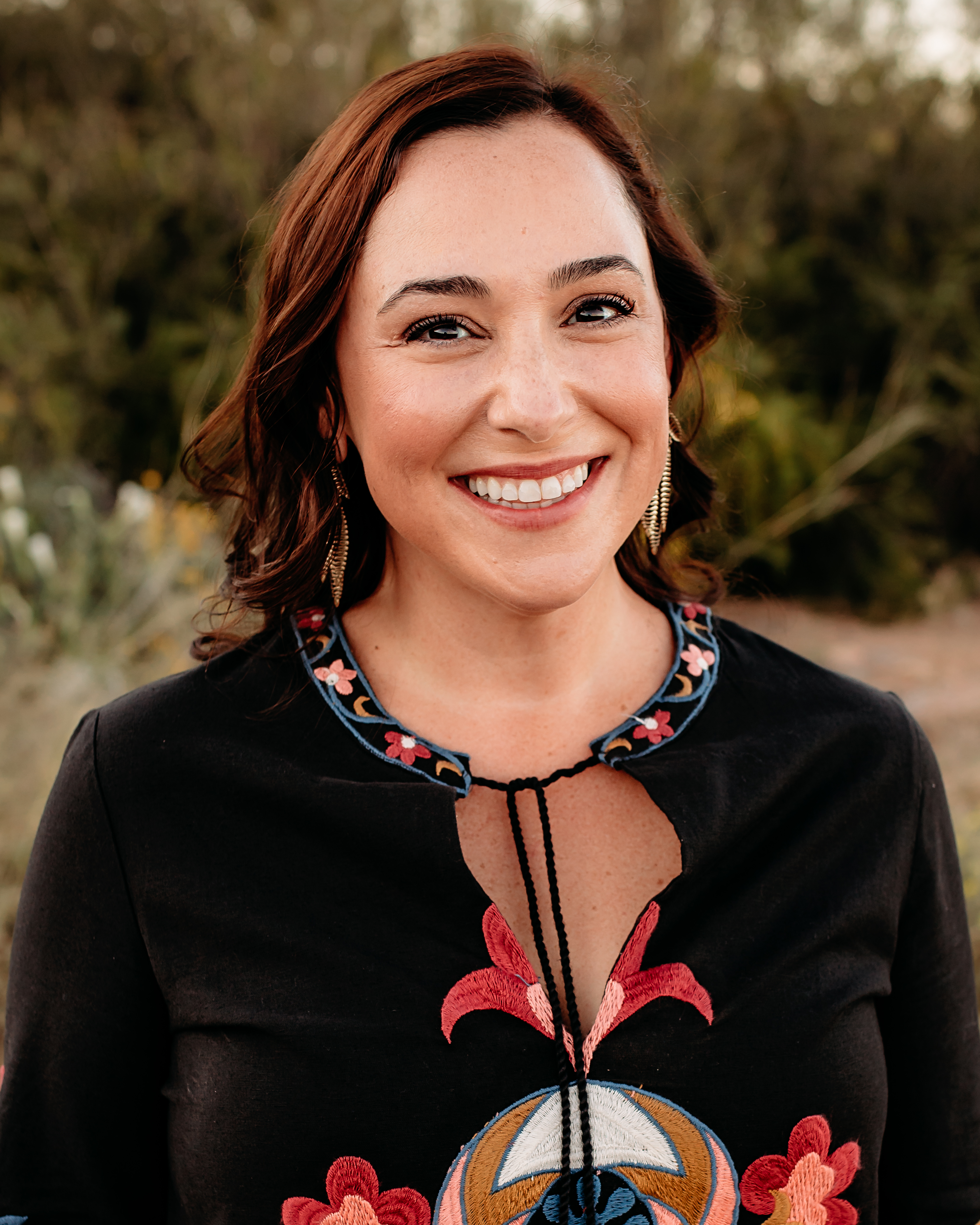
Isabel Alvarez Arata is a freelance writer and content creator with a focus on business, marketing, and lifestyle. While her passion lies in sharing her knowledge of pets, pet care, and pet-friendly living, Isabel writes for various online and print publications on a wide range of topics.
Fueled by her first encounter with rescue work at 17-years-old, Isabel believes that her purpose lies in helping companion animals live better lives by educating their caregivers. Isabel entered the pet care industry in 2008 when she founded The Wag Pack, Northern Virginia’s premier pet sitting and dog walking company. She has since closed TWP but continues to work tirelessly to promote positive pet care through exercise, enrichment, nutrition, and more as a pet sitting industry advocate.
Isabel was born in Ecuador, raised in Miami, FL, and has lived across the US and in Europe. She currently lives in El Paso, TX with her husband, two young children, and two old dogs.
A self-described gastronome and former hospitality industry professional, Isabel blends her love of life, banter, and adult beverages with her passion for pets in Covered in Pet Hair, a boozy show for pet lovers on Pet Life Radio, YouTube, and all major podcasting platforms.