
 Apple Podcasts

 Spotify

 Castro

 RSS Feed

 Goodpods

 YouTube

 iHeartRadio
Spring Allergies | Weekly Pet Roundup

On this weeks' Weekly Pet Roundup with Isabel from Covered In Pet Hair, we discuss spring allergies in us and our pets.
It's that time of year! Everything is yellow here in Virginia and both people and pets are really feeling it. What can we do about it? Isabel and I discuss!
🐶 🐱 Nutrition & Holistic Health Consults: https://jessicalfisher.com/product-category/holistic-pet-health-nutrition/
💜 Follow Jessica on Instagram https://www.instagram.com/thepetparentingreset/
📩 Get email notifications for new episodes:
https://jessicalfisher.kartra.com/page/tpprnotify
0:00 Hello everybody on Facebook and YouTube. Welcome to the weekly pet roundup. We've taken a little hiatus because I've been traveling non-stop but we're back and hopefully the Tuesday schedule works well because it did help me on Monday to just work and not have any interruptions. So I'm hoping that Tuesday works for our friends who join us because it definitely works better for me. I had so much work to do at the beginning of the month, so I have all my social media management to do for my clients. And because I've been traveling so much, I haven't worked ahead like I like to do. So I'm still getting stuff done, but it'll get done because I always get it done. That's, that's what I've been telling myself too. I'm like, there's this one thing that I need to get done by Thursday and I haven't.
0:49 And I'm like, I, I don't like not, it's weird because like I can't, I, I need that like crunch time to get things done, but at the same time, like I don't love that I wait until the last. Minute to do. Well, yeah, I just got a last minute assignment for a magazine which I had stopped writing for the magazines, but this one, this one was kind of like a fever. So I I said yes when I should have probably said no. So after I hang up here, I'm going to reach out to some contacts so that I can write this article for this magazine. We shall see if it gets done in time. The due date is Monday, so we'll see. Oh boy. Well, yeah.
1:30 And then I'm sure I also agreed to sub a yoga class on Monday morning. So all of it, it's just like at the same time, which is, you know, I say yes too much. And I my New Year's resolution for myself personally was supposed to be to say no more. And as you can see, it is not working all that well. I have been saying no more but just not enough. Yeah, I've been saying no more too, but. Not enough. I I still like, yeah, it still feels like not enough sometimes. I get it because it's just, I mean, people will just pounce especially like if they're used to you saying yes and then they have this like issue, like like they're offended if you say no.
2:17 You know what I mean? It's like, how dare you? Yeah, that's more personal. That's more in my personal life than in my professional life, thankfully. But yes, I hear that. It's like more, it's not like upset, it's just like a surprise that I'm not going to be as available to other people as I have been. And I'm only doing it because I obviously need to prioritize my family, my little immediate family, my kids, my husband, my pets, myself. Those are the priority. And so if I I say yes to everybody else, I inevitably have to say no to them, which is not ideal. So while Speaking of our pets and prioritizing them, it is end of dust storms, it is springtime, which means seasonal allergies. And that is what we're talking about today. We're talking about seasonal allergies. If you have a pet that has seasonal allergies, environmental allergies even, we can talk about, you know, food allergies if you want to, but that's probably for another time just because it's springtime.
3:14 And we're trying to make this really relevant to those that are kind of starting to notice that their dogs are like hacking a little bit or sneezing a little bit or itching a little bit. And like those, if they just popped up now, probably indicate some kind of a seasonal allergies. So, Jess, do you want to get us started? Well, I have to say that here in Virginia, everything is covered in yellow at the moment. I didn't quite notice it until this morning. I woke up. I've been having like windows open because it it's nice outside and I woke up this morning and I looked over and I'm like that is covered in.
3:55 Yeah. And then going outside, it's like, there's just because it also rained overnight last night. There's just like, you know, lines of yellow everywhere from where, you know, the rain dried. So I know that people and pets alike are definitely in the thick of it at this point. And I mean, we, we can talk about a lot of different things, but one of the biggest things, I know one thing well, you brought up before we went live, I'll let you bring that one up for me. And it is incredibly important, incredibly important. But for me, one thing that is often overlooked when we think about our especially seasonal allergies is liver support and the health of our liver.
4:40 Because our liver is what processes the histamines and our body. And so if it is not functioning properly and if we are not taking care of it, if we are not doing even and we can talk more about detoxing a little bit later on because it is kind of kind of complex, we can definitely get bogged down with an abundance of histamines in our system and our liver not being able to process them out. So that's kind of one of the things that I really wanted to focus on today. But I know you had brought one thing up too that is also just as important. So I'll let you bring that one up. Yeah. So for me it's, you know, gut health, gut health and the immune system and how over stimulated our immune systems are just because of environmental toxins and vaccines.
5:36 And like no anti vax conversation here. Just it is a fact that, you know, when we get a vaccine, when we give our pets of the vaccine, it really ramps up our immune system. That's what it's supposed to do. But then your immune system is focused on that. Then also at some point it might be weakened a little bit and then now we have seasonal allergies coming at us and our immune system can't handle all of it. So the gut is where the immune system kind of starts and lives. And so when our immune system is taxed, our gut is taxed. It's just not. It's a recipe for really severe symptoms. Whereas, you know, if your gut flora were healthier, if it was more balanced, it would probably not be as severe. So as a mom to a kid who has allergies, one of the things that I do the most is support his gut. I feel like it's harder for pets, I mean for kids than it is for pets because for kids, like all of these tests that we have are not available to kids because like, I don't know if you've seen these allergy tests.
6:42 I can't remember what it's, I think it's Evermore or something like that. There's like a few brands that you send in, like you prick your, your finger, you send in a blood sample, but it's only available for people 18 and over because what the FDA has done is basically say like a kid can't consent to this. So unless it's done in a medical office, like we can't really allow that to happen for whatever reason, right or wrong, it's just not possible. But for our pets, thankfully, we do have more access to gut testing, and those are actually quite reliable and they do give us a lot of information. And so for me, I think I sometimes wish I could just get like a fecal sample from my kid and send it to like one of these pet things.
7:29 But they'll know the difference. They will know. I mean, if they're good enough at what they do, they'll know the difference. This is not like this is not a cat sample or this is not a dog sample. They will know and they will be like what is happening here. So I'm not trying to call myself out like that, but I feel like I wish that we had tools like that, the human space for kids that we have for pets. And that's what's really, I think, encouraging during this conversation is that there are tools we can use to help our pets with allergies that don't just rely on like, suppressing the symptoms because that's basically with my kid. All I can do is either suppress symptoms with like, antihistamines and things like that or elimination diets, which are really quite difficult at this age. He's 7 because, you know, he eats at school, he has parties, he has best, he has that.
8:20 And like, an elimination diet is so limiting and we're so social that it's like, hard. What's that? Did you hear something? Yeah, it's a muffler, I think outside. It sounded like an airplane taking off. I was like, am I and NASA? What happened? Oh, it just went by again. OK, Oh my gosh, it sounds it sounded like an airplane, but yeah. So let's start with liver support, then we'll go into gut support and then. We'll answer. The questions if anybody has any and just so you know Jess, I cannot see any questions on if there are any or feedback if there is any, I don't know why my. I don't see my so far but.
9:06 I can't see anything, so if you if you see anything, just let me know and then we don't have any questions or comments yet on on Facebook and YouTube. So let's get started with liver support. Yeah, and I'm sure. I mean, this is the first time in our new day, so I'm sure people need to get used to us being on Tuesdays instead of Mondays. But yeah, so like I said earlier, the liver is responsible for processing pretty much everything that goes through the body, including histamines. And histamines are not only produced in response to environmental allergens. These are things that like our body produces them.
9:50 They are in foods that we eat. It's not just like, oh, we only have histamines in the body when there's pollen in the air, right? Like, so this is something that our liver is doing constantly all the time, especially with, with different foods that we're eating. The more processed food is the more histamines that are in that food. So, and, and that doesn't necessarily mean, you know, everything highly processed as bad because I'm talking about any processing whatsoever, including fermentation, which is incredible for our gut health and our immune system. But it does still increase the histamines in that food when we ferment it because that's a process, a long process that happens in that food.
10:37 So we are always, our bodies are always dealing with managing, ingesting and producing histamines on a daily basis regardless of the season. So it's not like again, Oh my gosh, the pollen is out because it's spring. And now all of a sudden here are all the histamines. Here are more histamines than what what we're already used to. And our our liver has to compensate for that. So if our liver is already not doing great, if it's already overloaded, if we're already not supporting it in the ways that we could possibly be supporting it, then it really is going to take that much more of a toll on us.
11:23 Regardless of how sensitive you are to whatever environmental allergens that may be around you. Because there are people that will move right across the country to another another country and realize that, oh, I don't have the same horrible symptoms. Because, you know, the, the, the plants are different, the, the pollens are different, but everything in the environment is different. And that's wonderful If you can do that. Not everybody can do that. But taking care of our liver, and I think this also goes back to taking care of, you know, our immune system, which most mostly resides in our gut. But taking care of our liver is something that we should not just be doing in the spring or just in the fall. We should be doing this every single day kind of a low level like just a low level detox by being intentional with the foods that we eat.
12:21 And then we can also use herbs to do heavier detoxes. There are of course, you know, humic and fulvic acids, clinoptolite. There are lots of different things out there that we can use for heavier detoxes, binding and detoxing. Because if our liver is overloaded, a lot of times we will need to use binders to kind of bind up toxins in the body so that they are not having to be processed by the liver. If if, if our bodies are really, really maxed out. I definitely have dogs like this where I need to use binders with them because even the slightest detox is just too much. They can't handle it because their body is already so overloaded.
13:10 So that's something to consider, something to think about if you're like, oh, well, I started adding milk Thistle and my dog was like sick as a dog, right? Well, maybe that's because their body is so overloaded. We need to bind up some of these things. When we use binders, they're actually going to bind up whatever is in the body that it can bind to. We often times we need to to use most of them away from foods so that we're not binding up the nutrients in the foods because they literally will bind up to any and everything that it can find in the body. And instead of having it pass through the liver, we'll just either urinate it out or defecate it out.
13:50 That's kind of the job of these binders, but that's for more severe cases. And honestly, I mention it because I feel like so many of us are probably in that more severe case area because this is not something we have done before. This is, you know, we're coming from a very allopathic mindset where we are very reactive. We are a pill for every I'll we're eating ultra processed foods all the time. And so when we're coming over to a more holistic, integrative, functional approach to health, whether that's for us, our children or our pets, we often times need a little bit of support to kind of help us through what we're doing. But when we think about what we can do on like an everyday basis, this is where plants really play a huge role in our diet.
14:47 For all of the phytonutrient, the, the, what's the word I'm looking for? I don't know all of it, all of the polyphenols that are in the the rainbow of vegetation, plants, plants, all of the vegetables, all of the fruits that we're eating, they all the different colors of foods have different polyphenols in them and they are going to help support us any like antioxidant wise as well as kind of pulsing and cleansing through the GI tract and into the liver. So when I think of liver support specifically, I am more thinking of like leafy green vegetables. So like that kale, spinach, Chard, but also parsley and cilantro and beets.
15:41 And so like in that kind of family and granny beets are purple, but they, these are the kinds of things that I'm thinking that of that are going to really support the liver. Also, something that most people are unaware of, but we're starting to learn about is this really cool thing called ergothianine, which is found in pretty much every mushroom, but in some mushrooms more than others. So if I remember correctly, oyster mushrooms actually have the most herbotheanine. And while it is an incredible supplement for pretty much every organ system in our body, it also supports the liver really, really well.
16:28 So much so that when we think of traditional Chinese medicine, we think of the liver as being the the window to the eyes. So dogs that have a lot of like gunk and tear stains, when we add something like oyster mushrooms, whether that's in a mushroom probiotic or we just feed these mushrooms or use supplementation for mushroom extracts, we see a lot of that clear up in the eyes because it is targeting the liver so heavily and also pretty gently. So those are some of the things that I think about when I think of liver support and again that histamine removing histamines from the body more efficiently.
17:19 And I will add that some people and some pets tolerate histamine better than others. That's actually genetic in some cases. That's why you see a lot of people with like genetic allergies, right? Like all the men in my family for some reason have been the allergy kid all even my son. My daughter has very minimal allergies if any. My son, allergic to cats, probably dogs, dust, grasses, trees, you name it. And all of the men in my family, we joke on my mom's side are like bubble boy. So like a lot of it's genetic. A lot of it is that we have an intolerance to histamine that other people might not have because we're not producing certain enzymes and things like that.
18:06 So like they're your pet may already be predisposed do some kind of an intolerance to histamine. And I do see that we do see that genetically in like a lot of breeds that somehow all of a sudden all these pit bulls are allergic to grass and you're like interesting or all these and it's a lot of it is poor breeding, obviously. And when you see these extremes in these breeds, it's usually due to poor breeding. They're, you know, breeding like with like siblings are being bred together. So what happens is that whatever ailment they have, it duplicates in their offspring. So those kinds of things are something to consider. So I mean, if you you don't know when you get a pet, if they're going to have high histamine, you do know that you can control their food, like Jessica said.
18:54 So that's kind of one of those things where you accept what you get and then you work with what you can. And just so that you are aware, whomever is joining us is, you know, some of the the good thing for pets, which is harder for us humans, is that a lot of the foods that they're supposed to eat are low histamine foods like fresh meats, high quality meats, eggs. For us, there are a lot of things we enjoy that are high histamine foods like alcohol, like cheese, like you said, processed foods. So like if you enjoy your, you know, Turkey sandwiches or your, you know, your processed Turkey sandwich, not like a roast Turkey, but if you enjoy, you know, a chorizo or pepperoni on your pizza, pizza, wheat products, the bread, those are all tend to be high histamines. So the the good thing, the good news is that, for example, our cats really should be just eating foods that are species appropriate, which is like very meat heavy that shouldn't be contributing to their allergies unless you are feeding like a really crappy food, which again, you can control. I know it's expensive.
20:10 Sometimes it's hard, but the reality is when you consider the importance of a diet versus what you're going to spend at the vet, I always say spend the money up front for the diet and save yourself the money at the vet. Pet going back because your pet is like scratching themselves silly. They have hot spots, they have diarrhea that they can't resolve. You know, they're they're just miserable. They have, like you said, the gunk in their eyes. There's so many symptoms that you know you're not going to just ignore because they get to the point where they're so severe you have to go to the vet when you could have potentially at least controlled those symptoms with a proper diet. So as humans, it's harder because like I always say, they're not opening the fridge and making themselves peanut butter and bacon sandwiches. We are opening the fridge and feeding ourselves like prepackaged foods and things.
21:04 So we have to be more careful and we can make really good choices on their behalf. And, and to that point, you know, our dogs and our cats don't have any control over what they're eating. We have full control over what they're eating and every single kibble on the market, I don't care what the quality of ingredients that they start out with is high heat processed and extruded. And those two processes, I mean, you could you could have started out with the most beautiful duck or rabbit or whitefish or whatever. This really, you know, a beautiful cooling food is high heat process.
21:50 It's extruded, it has high histamines, period, end of story. Like there's nothing that we can do about that other than not feed it. Exactly, exactly right. And what's the alternative is allergy meds that cause all sorts of other problems and affect the liver health, right. So we're already the liver's taxed, We're seeing symptoms from the fact that the liver and the gut flora are just not optimal. And now we're giving them medicine that's processed through the liver that has tons of side effects. And I'm thinking like Apoquel and all these things, right? Like that. They give you usually you go into the vet. I had a dog radar.
22:35 We talk about a lot. He's he was little, he was a Pomeranian mix and he was a retired military working dog. And he just would lick his paws all the time. Not to the point where they bled, not to the point where they were in any way uncomfortable for him, I don't think. But it was definitely there. And so a dog that is at ease isn't going to lick his paws like that. It wasn't like a grooming. It was more than that. And whenever he got groomed, he would lick and lick and lick and lick and lick to the point where it did become a hotspot, even if his fur wasn't that short. It was like the, the, the two things couldn't, he couldn't tolerate the two things he couldn't tolerate his high histamine and a haircut. It was like it would just make the symptoms so much worse. And every time we went to the vet and talked about it, it was here's the Apoquel.
23:30 And it was never, I mean, this was he's, he's been gone for a couple years. And I know that I could, I am armed with more information and there are more products on the market that I could request or do more research. But this was maybe let's say, 5-10 years ago when I could have asked for allergy testing. And in Louisiana and El Paso, they would have been like, we don't do that, right? Like we don't do that. Big cities did it back then. But like where I lived, it wasn't happening or in the DC area, it would have been a specialist, tons of money. And you know, you get scared. You say I'm not, you know, I mean, he's, he's fine. I mean, it's just licking a little bit. But I can't afford $1000 visit to a specialty, you know, a specialist just for them to tell me that now I need to go on some like homemade diet that I don't have time to make. So it's like we all think of like the worst case scenario. And I'm glad that the industry has moved forward in the sense of like these at home kits and at home things that we can test to kind of get like a baseline for our pets and improve from there.
24:34 And people like you, Jessica, and like our friend Cara, who can help pet parents who don't have any clue on this through that process. Because like I would, I would love to have somebody help me with my kid in the same way, right? Like where we could do like heavy metal testing from his hair and all that stuff. But like I haven't found anybody, not locally, not anywhere near me that's willing to do that on a kid. And if they do, it's so expensive, it's untouchable. So it's like one of those things for a year, Damned if you do, damned if you don't. Parsley cut. You can do humans through parsley cut. Really. Yeah.
25:15 Or am I supposed to pretend that it's not human? Am I supposed to say it's Kira and send my kids hair? No, it's HTMA and I think they I'm almost positive that they also do. Maybe they would do yours because they know you, but I don't know that they're just going to do sure. Oh, look, what's really funny is I just looked up Parsley Pet and the dog that they have there is a Pomeranian that looks just like radar. What is hair tissue mineral analysis? Here we go, it's right in the middle. Nutritional blueprint test for humans or now?
25:59 But is it for kids? That's the thing. That's where they get. I don't. Think she's going to you? Just go to a check out form. It's not asking you any of that. It's 270. Well, they ask you a birthday and I feel really uncomfortable lines. So they usually what they do, and I don't know if about this particular test, but for a lot of tests, they ask you for the patient's birthday. And so I'd have to be like, OK, yeah, this is, you know, And so one thing I do want to talk about real quick is tests when it comes to testing in humans. And I don't know the answer, that's why I'm asking this for Jessica, is in humans, there's like this big debate on what's better for allergy testing, whether it's the skin prick tests or the blood tests.
26:47 And depending on the medical provider that you ask, they have different answers for you. And so some people say that the blood test is the best, but then some people say the blood test is too sensitive. So like it's just going to flag everything. And then I did get, I'm actually doing immunotherapy, immunotherapy allergy shots. I'm, I've been doing it for a year now and I do feel like it's helped a ton. And I did the skin prick test, you know, on your back where they, and I'm, I've always been super allergic. I, you know, again, like genetically I, I was from birth and then living in Ecuador, I'm sure that didn't help growing up in Ecuador with like very being like worm dewormed like constantly and being given antibiotics constantly. That probably didn't help.
27:43 I mean, when you are born in a, in a developing nation, you know, medicine is kind of thrown at you just in case because you know, it's somewhat dangerous to live there, to exist there. But I, I feel like it has helped. But like when I did the blood test, it was one of those mail in blood tests for myself versus the skin prick test. Like the, the answers were different. Granted it was over the course of a few different years, right? So like it was like I did the blood work first. I think that was maybe 2020 ish. And then I did the skin prick test last year, like early spring this time last year.
28:26 So tell us how what's the best way or what is the way that pet parents can have their pets tested if they were to go through like a veterinarian? So going through a veterinarian, I think I have seen veterinarians do that, that patch of skin thing. I, I have seen that. I don't think it's. It's not very common. I don't think you're going to find that very widely used, probably for a number of reasons. One, it just takes so much time for the veterinarian to do that. And we have talked about this so much, veterinarians do that they don't have time to ask you all the questions they need to be asking you to, to even properly diagnose things.
29:18 Generally speaking, your vet may not fall in that category. I'm, I'm, you know, I'm being very general here. So what you're mostly going to find is the blood testing. And I think it is probably a little bit more sensitive to where because it, it, it's, it's about like calibrations in, in these machines, right? So it can be a little bit more sensitive and that may and may not be a bad thing if you have a dog that has so much going like their symptoms are crazy and they really have a lot that they are truly allergic to.
30:03 That may not be a bad thing to be like overly cautious. But I do think it's it's a disservice to not have the time to do the skin prick ones because that's you can't, you're not going to mess that up, right? You're, you're seeing first hand how that animal is responding in real time, You know, over however, however long they they'll wait to see if there's a reaction. You're seeing that on the animal in real time like that. I don't think you can get any better results than that. I think the blood testing is more for efficiency, yeah.
30:48 And I so I'm not saying that it's, it's bad, it's what we have. But yeah, I think it can be a little, a little. Oversensitive, Well, I mean, if your pet is so miserable, I mean, it's a good start. I, I do that. I do that and pair it with a gut testing kit of some sort. Where where, who? I know there are a couple that you recommend, which let's start with those. So innovative pet Labs is one of my favorites and they are constantly rolling out new stuff. So they recently they have comprehensive gut check, which is what I always start with.
31:32 And then depending on what's going on, if we find there's something that we need to work on, then we can kind of target what we're retesting. So we're not spending as much money on the retesting. We don't necessarily have to do that. That can tell us a lot from leaky gut to just all sorts of different like inflammatory points in in the system as well as some pancreatic enzyme. So we can kind of gauge how well the pancreas is working in in food digestion as well. So the comprehensive does a lot and then depending on what we find, animal Biome also has testing that is going to let us know in comparison to what we currently believe a healthy gut microbiome is, which there are definitely skeptics and critics of that, but it's what we have, right? Like this is what we have to see, like where your animal compares to what we believe a healthy microbiome, gut microbiome looks like as far as the bacteria that are present. Because sometimes we can, you know, a lot of a lot of symptoms can be like descriptors for so
33:04 many different things going on in the body. For instance, one of the things that we recently in the past handful of years found out through the data analysis that Animal Biome has conducted is that the what they find in almost every dog that has acid reflux is increased levels of E coli. So we can target better instead of saying, Oh well, we need antacids, right? Which is what you're going to get from. And that's what Kira was given. Yes, that's exactly what Kira was given when she had. Right.
33:48 We can address the imbalance and then got microbiome to bring those E coli levels down because you know, and this hopefully isn't news to anybody listening, but we all live with quote, UN quote pathogenic bacteria in our bodies, such as E coli. We have that in our bodies and on our skin. Like it's not it's in our it's in our gut, it's on our skin, our dogs, our cats the same. It's just a matter of keeping those levels in check from non pathogenic to the non pathogenic bacteria. So or what we call.
34:30 Good bacteria and bad bacteria versus. Bad, I really try hard would I learn something like that to like stop using that kind of terminology good versus bad because they're not bad in the sense that we want to eradicate them because this is a really delicate ecosystem that we're working with we. Just need to balance them. Yes. And that's something that I really, I, I really want people to understand a little bit better and and maybe hopefully I can kind of work this into my content once I get back to my content a little bit better is that this is a delicate ecosystem that we are working with. And so it might be like we have this mindset of like, again, a pill for every ill and like, this is going wrong with my pet and I want to stop it.
35:23 And we do this with behavior a lot too. And it's like, no, it's not about stopping the behavior. It's about what we want our dog to do instead. What what we want that gut microbiome to look like instead versus trying to kill off all the E coli. That's not that's not a real world like scenario. That's not going to happen, right? We're not going to be healthy and kill off all the E coli. No. And it's it's one of those things where it's like getting to the root of the problem has stopped being important. And like, I will never understand that because if my kid is acting out or my friend or my husband is having a bad day, I'm not just going to slip.
36:06 I'm a Prozac. I'm going to ask them what's going on. Yeah, right. Like that is, to me, like the most basic thing. And when it comes to the gut, because I science, I'm giving. You, I'm giving you permission when you see me to see if you have Prozac. Give you a Prozac. Noted. Noted. I will give you a Prozac. I don't. I'd have to steal them from my husband and my child, but yeah, we are. We're a Prozac family over here. Nothing wrong with slipping a little something to manage your anxiety. But the reality is like, I feel like like that makes perfect sense to us, right? Like that we would not just slip somebody like a tranquilizer when they're having a bad day. But when we go to the doctor and we're saying we're itching, they're just slipping us a tranquilizer for the itchiness. And it's like we're not getting to the why is it itching? And it's so frustrating because it's just become the most common thing to do.
37:04 And like as consumers, most consumers are just fine with it. Like my family and I couldn't be more different when it comes to that. Like I'm the type to ask questions to figure out what the cause is come. I want to find out how we can fix it from the root, not like just make it go away for a second and then it just comes back rearing its ugly head again. But my family is like super cool with being like, Oh yeah, the pill fix it. Yeah, it doesn't fix it. Though it doesn't exactly, it just depresses the symptoms. So finding out what where your pet lie like stands in their in their gut health and in their liver health is really so basic not just for allergies, but for like longevity for energy levels, especially as your dog is older and taxed.
37:54 I mean, all of our dogs are exposed to our dogs and cats, dogs more. If you have an indoor cat, you can kind of control the toxins better. Not to say that our homes are perfectly toxin free. I know they're not. Anytime you bring anything home from the mall, from Amazon, you're something's off gassing and your cats probably taking it all in. But like, your pets are coming outside to where it was just sprayed for mosquitoes. Your dogs are walking and licking and swimming in water that maybe, you know, not optimal, even though it's considered safe to swim in, in a lake or something. So all these things they're taking in so much. And so when they're now exposed to something that causes high histamine and now their bodies just can't handle it. And so I, I know one thing I always do is I try to support my pets liver before and after vaccines. Can you speak to kind of like if that was something that somebody is facing right now, what they could do just because vaccines right now, high histamine, kind of a recipe for disaster? It is I, yeah.
39:00 And and I will answer that. But kind of to go back to what you were saying, This is why it is so important that we are doing these kind of like really low level daily detoxing with like intentionality of the foods that we're eating and the foods that we're feeding our dogs. Which is why. And again, we we have learned through a lot of the data that Animal Biome has has gathered over the past handful of years that raw fed dogs, generally speaking, are not getting enough plant matter in their diets. And this is one of the reasons why this is that is so important for us to address as pet parents who are especially raw feeders like myself, because these like low level daily detoxes that we're doing with plant matter is, is what is going to kind of keep our dogs and our cats and ourselves. Able to handle all of it, all of what is thrown at us on a daily basis.
40:06 All of those things you were talking about where we can't we can't manage the fact that the park down the street is being sprayed with glyphosate. We can't necessarily manage that. Yeah, we. We have to buy a new couch, right. And it doesn't matter where we're getting that couch from, it's going to off gas. Like those are the things that it's easy to be become really overwhelmed with because it's everywhere around us. But if we're doing this these, these, like really simple things daily that our bodies are much better equipped to handle these like, not regular, but, you know, every so often influxes that we're getting.
40:50 But yeah, if we are having to do a vaccine, which is not my favorite thing in the world, but, you know, everybody's in a different position. And you as as a pet parent, have to decide what's going to be best for your pet and your family. I believe the protocol. I actually have Rita Hogan's new book right here on my desk right now that I'm reading. I believe her protocol. And everybody has different protocols, but I believe Rita's protocol is 2 weeks before and eight weeks after of Milk Thistle. This is something that I do with dogs regularly anyway. I do it with myself.
41:31 I'm currently finishing up an 8 week cycle of milk Thistle for, for me. And I, you know, I think it's important, you know, this is a really gentle herb that we can use that can really do wonders for our liver. I also, and this is not in anybody's protocol but mine, I use a full spectrum hemp extract with my dog and with myself and while yes, I really enjoy the calming benefits, especially if I give myself way too much of it.
42:13 Super Suit 2024 or 2023? It might have been 4 because I was in a bad way last year. I think it was 20. No, no, it might have been 23. It might have been 23. I should have. I should have. She wanted to do it last year. She. She was so relaxed, so relaxed. I had to be like, do you want to go somewhere? Do you want to just sit here? What are we doing? Because she did she and it was it was the CBD dog health right? Yeah, well, I so I put it, I put the horse tincture in the dog bottle for traveling and I forgot. That's what I did.
43:00 And I was like, I took my regular dose in the morning, which is just my regular, no, nothing's going to happen to me dose. And then some stuff happened during the day where I was like, I can't handle this, I need to do something. And somebody was like, I don't remember. It might have even been you. You're like, don't have your CBD And like, I took a whole dropper full, forgetting that it was the horse tincture. So I wound up with like, I don't know, over 100 milligrams that day. But I will say that you obviously took too much, but it's not like you were sick. You weren't, you weren't like fool. You were just so relaxed. Yeah, which obviously I don't know I'll, I'll never reach that level of relax, I don't think.
43:46 But maybe I'll try it at super soon this year, I'll get myself some horse CBD. And so for those who are not familiar with Rita Hogan, Rita is a canine herbalist and she just came out with a book actually speaking about Super Zoo. She's going to be doing, she's doing a book tour, but she's going to be at Super Zoo doing a book tour or two or signing there. And her book is called the herbal dog holistic Canine herbalism. So it's very much anticipated. She is the leader in canine herbalism in the industry. And so we've all been looking forward to her book. So if you're looking to do some kind of things with your pets that start with DIY remedy stuff at home, this is a great book for you. I'm going to get mine signed.
44:32 Yeah, yes, I am too. But I think in July she's because she's going to be here in July too. When you come for the summit, The nautical dog. Yes, I'm going to Yorktown or not Yorktown. Well, I'm going to be in Yorktown too, but I'm going to be in Williamsburg with Jessica. Jessica, tell us about that event real quick. So it is the third annual The More You Know Pet Wellness Summit hosted by the Nautical dog, my beautiful, beautiful friend Amanda, who I was lucky enough to have lunch with her on Friday. Actually, she has had this indie pet store for 19 years.
45:15 So she's kind of OG and the healthy pet space and she, this is her third year putting on the event and it is like the event on the East Coast, which is pretty incredible. She kind of shot it out of the park the very first year and has been trying to figure out how to one up it every year since. And so this year we have trying to remember the speakers off the top of my head, we have Connor Brady is the headliner, Amy Rens is speaking, Susan Thixton is speaking, Rita Hogan is speaking, and I believe Doctor Katie Kangas is speaking as well. So it's going to be super fun, very informative. And I just, I mean, I, I say this is the season coming up in the summer that I look forward to every year because I feel like these are my people.
46:10 Yeah, right. And like, we don't get to see each other except when events like these are going on. So yeah. And then of course, Super Zoo, because then we get J and Adrian and you know. Well, so anybody who's in that area, Williamsburg, Yorktown, Newport News, the Hampton Roads area of Virginia, Amy Runs is actually going to be at the Nautical Dog on April 12th. So that's coming up here soon. She's going to be talking about Whole Foods versus synthetics for dogs and cats. And that is a free event at the Nautical Dog. So you can reserve a spot still again, that's the Nautical Dog.
46:50 And for the for the more You know Summit 2025, it is sold out. So. I do believe no, there are some. No it's not. Oh there are some tickets. Oh cool. So let me know if I need a ticket, but I wanted to invite my my client to. She will need a ticket if she goes. But I will need it right? Because you're coming with me. Perfect. Yay, I'm going to be at your booth, aren't I? Yes, you're going to be at my booth because I am a sponsor for a day. Amazing. So yeah. So anyway, back to the conversation at hand. The nautical dog.
47:32 The gosh. Why can't I never? I think I know her name, but I know she doesn't like her name being said. Maple. Sailor's mom, yes. No, yes, says Rodney. And Karen will be speaking at Super Zoo this year, which I actually did not know, so that's interesting. That's cool. I'm surprised they're coming back the second year in a row. Yeah, that's so cool. I'm glad I I thought they had fun. Well, I thought they had fun, of course, but I mean, they're also like, you know, they have a PRR team and they're in demand. They're busy. Well, I mean, Super Zoo knows what they're doing. So a little step back for those who are interested in Innovative Pet Lab.
48:14 Are you an affiliate with them? You can actually get their products on my website at jessicalfisher.com. Perfect. So yeah. And the cost for the cat comprehensive gut check is 249 and the cost for the dog comprehensive gut check is 99. And I mean, I know it sounds like a lot of money, but just think about all the steps that it saves you at the vet, all the meds that it saves, like all the trips back and forth, all the topicals that you're going to put on the skin and all that. So just think about that. And then Animal Biome, are you an affiliate with them as well or do they have one? Yeah, I have. Well, no, I, I think I have a wholesale account with them, but I don't have their stuff on my website yet. But I also wanted to mention that Innovative Pet lab, because I said earlier like they're, they're coming out. They they've been coming out with stuff. They recently came out with a stress test for our pets as well, which I think is really darn cool. Cortisol.
49:18 Levels, yes, yes. So that's something that we can add on to any of the the comprehensive if we if we need to for a little bit of a fee. But she so dog Todd is saying super zoom has invited them to come as speakers this year, which is pretty cool. We'll have to look at school the. Schedule. Yeah, because we have our own schedule this. Year we're trying to, not trying to not overdo it like we do every year. Like last year I came home with COVID, I came home with COVID like I had never had COVID before. I've been to super Zoo, I've traveled all over. I never had COVID before and I was I feel like I was so rundown that I ended up sick.
50:07 I think almost everybody, like almost everybody I talked to, left with COVID. Yeah, yeah. And I know I've been exposed a million times. My husband had it, my kids had it. I didn't have it. So I know I've been exposed. It was just like my immune system was not working. I was so tired. I was so taxed. And I didn't even drink or party that much. We were like in bed like normal times. We were. 2023 was way more fun. Yeah, I'll be. I'll be honest, it was way more fun. It was and she's bringing Maple cider this year, by the way, to meet her. Yes, I, I just, we need to have fun again this year and we are going to have fun again this year while getting our work done.
50:50 We will get our. Course and we will book, we will book so we can do this live there. We'll book the podcast capsule if they have it again, so we can do this weekly pet roundup. It'll probably be on a Thursday, I think Wednesday or Thursday depending on what day we decide to hit the show floor. But I did want to finish up. I is there anything that's missing from our conversation on your end? Because I do want to ask you a question that I already know the answer to, but I want to give you the opportunity to wrap anything up that's serious first. I don't. Know, I mean I think. Use your tools. Use your tools. Yeah, there's so many podcasts.
51:31 Have you done any podcast interviews specifically about allergies that people might want to refer to? Not specifically about allergies, no, but there are definitely podcasts on, you know, the polyphenol benefits of, of plants. There's a crap ton on gut health. Yeah, I think. And that's going to get to you where you need to be really at the end of the day. Yes, exactly. Don't give up. Don't, don't put, you know, a Band-Aid on the symptoms by just giving allergy meds. It's not something you'd want for yourself.
52:11 So your pet probably won't want it for themselves either. And I just want to finish up Jessica asking you how you feel about veterinary diets for allergies. Wait, they have veterinary diets for allergies? They do they do they? Have them for like food food allergies but like Oh my gosh. I am in general not a fan of veterinary diets. Most. OK, so Derm Complete environmental food sensitivity dry food from Hills Adult Sensitive stomach and skin chicken dry dog food, chicken based, chicken based.
52:58 No, thank you. Which is the most common allergen, I think for both cats and dogs, right? Yeah, it absolutely just dogs. Yes. So here I no 99% of the theory behind those foods, whether they call them prescription or veterinary or whatever they're calling them, the theory is oh crap, the food that we told you to buy and feed your dog caused a problem. So here's another food that we make to to fix it and it that that's what these are and with. Sounds familiar?
53:41 Sounds like the opioid crisis. Right with with a handful of them, the nutrients are so inappropriate for the species they are feeding that they have to be sold to you through a veterinarian because they are supposed to be modern monitoring their nutrient levels because I. Did not know that. That's why you can't just go and buy a kidney diet without a prescription from your veterinarian because the protein levels are so low that literally that species cannot live with that low of a protein because they are carnivores.
54:25 They start muscle wasting. They start pulling amino acids from their own muscle because they're not getting it from their diet. So in my opinion, while there are some things that if they are advanced enough we would want to make adjustments to the nutrients, most of the time we really just need to get these dogs or cats on a species appropriate diet and we're going to see a lot of resolution with just that. Yes. And one thing I'll add before we conclude is I know that it's really, I had a friend and I'm thinking of one person, but I know people reach out to me about pet stuff all the time.
55:09 I had one friend whose dog was miserable, miserable, miserable, miserable, you know, skin allergies. It's a, it's a Frenchie, I believe. So, you know, I don't know about the breeding and where they got the dog. And you know, Frenchies are probably the most misbred, poorly bred dog right now breed right now. So it is really tough when I see somebody is like getting one, maybe not informed and then they have all these issues with them. And that's why puppy mills are so dangerous because you not only spend a ton of money on a dog that's not up to par, but you also have to deal with the consequences of that for the remainder of their life, which could be short, could be long, we don't know.
55:50 So they, she reached out to me and she, you know, asked me and I referred her to you and Kara, you know, I think first and foremost, we need to look at the diet first and foremost. We need to look at the gut first and foremost. We need to look at like just organ function and things like that. And I get so frustrated because I don't, from what I know, I don't believe that they reached out to either one of you guys. And I know that these people are really great pet parents, but I think something stops us from pulling the trigger on doing something that's not what our vet has historically said. And I do believe that it takes some gumption and it takes some courage to kind of go against the grain. I recognize that.
56:34 But I assure you that you will one, not be hurting your pet by looking at these things. You're not going to hurt them because a fecal test or you know, swab of some sort is not going to hurt them in any way. And then it's going to arm you with information. So what if it doesn't get resolved? You're out $300.00, which you would have been out $300.00 at the vet. So now you're breaking even basically. Because I mean, with you when you go just to see the vet and just to get the Apoquel, you're out $300.00 minimum. So you're breaking even at at best, worst breaking even, I guess. And at best you're getting an answer. So I, I challenge those who are really struggling to just like contact somebody like Jessica or contact somebody like Cara or contact, you know, anybody.
57:24 It's not because I know Jessica and I love her and she's one of my best friends, but like I know something stopping you from doing that. But like, these people are not out to get you. These people are not out to steal your money. I'm sure you offer a consultation where you can discuss things without a huge investment. I encourage you to think outside the box because you have to be the advocate for your pet. And if you see your pet is miserable, you see your pet is licking, you see your pet has open sores on their skin, their eyes are gooey and disgusting and like all these things, that's just what you see. You're not getting what they're feeling because they can't tell you. So advocate for them. Challenge the preconceived notions of what it's like to potentially feed something you're not used to feeding. Really do what's best for your pet, even if it is a little more expensive.
58:16 Just because I promise you, I promise you that most of the people who are on this side have been where you are. And the reason we're so passionate about these other modalities and these others approaches is because we have seen the difference that they can make. And like, I'm just one of millions of people who will tell you if you go to like any of these natural groups, you know, natural pet groups on Facebook or if you follow Jessica or Kim Gautier or any of these people or Oh my gosh, what's his name? Roth eating one O 1. Why is his name escaping me? Right now, Well, he sold it to somebody. I don't know that person. Well, he he, he is the reason I'm using his name. Why can't I remember his name?
59:01 He's a great guy. Scott. Scott. Scott. Something Scott J Marshall Marshall Marshall. So Scott, the reason everybody gets into these things is because they're where you are. Like it's because their pet showed up with something really, really rough and really hard to deal with and something that the vet couldn't address. So the vet kept giving meds for and they knew that there was a better way. So like, use your resources, don't be scared and don't just assume that it's going to cost you a fortune. Like I promise you what these people are charging is not enough for what they should be charging. That's the first thing. Like it's not enough. They've they're paying for all these certifications to learn what they're teaching you or sharing with you and they're not charging enough.
59:45 I guarantee you, you'd go more. You're probably more likely to go broke at the vet than you are working with somebody like Jessica or Kara or buying these kits that we're talking about. Just think outside the box. I can't say it enough. Like if you know, the definition of insanity is doing the same thing over and over again and expecting different results. And like I see so many pet parents falling in that trap and it just breaks my heart for the pet mostly. Yeah. Well, what I, what I have realized is that when we just blindly listen to whatever our veterinarian says to do, and nothing is getting better, but we just keep listening to them, It's, it's a very disempowering place to be. And my goal whenever I'm working with somebody is to empower them to be their pets advocate and to actually help their pet thrive. And, and, and the truth is that that leap is scary to go from, I have this professional that I trust implicitly to, Oh my gosh, this is my responsibility now.
1:00:54 Like that's a, this is scary leap, but it's totally possible. And I think that's why it's also important to utilize. And again, not just myself, somebody like Cara or another, you know, nutritionist and pet health coach it it, it is very like they're going to help you feel empowered. They're going to help you understand the why to what we're doing to what? Because I'm never sitting here, I will never talk to somebody like a veterinarian will talk to me saying this is what you need to do or you're going to kill your dog, right? Like they're veterinarians have not just to me, I don't, I countless number of people have posted that that's happened to them, right?
1:01:42 It's happened to me. We're a veterinarian. In fact, recently I had a veterinarian try to tell me that everything I was doing with my dog is wrong. And I will never talk to somebody like that because that doesn't help you learn anything. And that's my goal is for you to understand like the why behind what we're doing so that you really do feel empowered and you can actually take that on, take that information and like work with every dog you have. Go down the line forward exactly, exactly. Well, and this applies to all medical the whole medical community. I think it's, you know, it is, it is. There's a right way to do things, right? There's a standard in the medical community, and that's totally cool.
1:02:28 That's totally like, obviously your doctor, they shouldn't be giving you your dog. Your veterinarian is not going to go rogue either and be like, yeah, you know, F vaccines, like they'd lose their license if they did something like that, right. So knowing understanding where they're coming from and their training and their licensing and what they're the standards they're held to are not the only option is always a really great place to be Like for me, for my kids. My kids go to their annual checkup every year. We decline certain things every year. We will accept medication for things. A lot of other parents in general would never accept you. My son has ADHD.
1:03:17 We've tried a bunch of stuff and, you know, to help him. I will do anything, whether it's medical establishment or, you know, alternative medicine, whatever I will try. I will do things based on my gut and my knowledge of him. So I am all about it. But I recognize that, you know, this person is going to come at me with this versus this person's going to come at me with this. And I think one last resource I want to share is Doctor Katie Woodley. I think she's really fantastic. I know she's put up a lot of things about allergies. Doctor Katie Woodley is a veterinarian, but she is an alternative modality. She's comfortable with an alternative. She does a lot of testing, too. She and I spoke about my son and she gave me some ideas a few years ago at Super Zoo. So that's another really great resource if you're looking for something more medical like, right, like you want to go to a veterinarian.
1:04:08 So there you go. You have that option and there are other options. I mean, there are plenty of holistic veterinarians that actually are probably on your show. Yeah, no, I love, I love how doctor, doctor Katie Woodley is really like honed in on like everything she does is about the gut. It's all about the gut. So yeah, yeah, I think that pretty much covers it and I hope it this can help people maybe survive allergy season this year and every year moving. Forward. Yeah, the the tree outside my house is waving around like crazy. Like so, so crazy. And the other tree next to it is just now blooming. And we have a sandstorm.
1:04:57 So you like, literally it's so windy here that the sand from the desert gets picked up and thrown all over the place. And my son has a cough. And I'm like, well, it could be a virus. It just could be the environment. Like, it could just be how miserable it is here. We have a little enclosed patio and you can't be out there. Like everything is covered in dust. Everything is covered in dirt and sand. And it is so dry. And it's so like my skin was itching yesterday. And I think a lot of it has to do with the environment. So before you start medicating on that random things, also take a look at what might be coming around because it is still, we're still kind of in like flu, COVID season and allergy season all at the same time, depending on where you are.
1:05:38 What's the temperature like in Hampton Roads area? Yesterday it was like 80 and it rained. It thunderstormed overnight so I think it was like 60 ish. So you guys similar? Yeah, temperatures to us right now. We're we're about there right now. We were 55 this morning when we woke up and my daughter wanted to put on hot shorts like she likes to wear, like her Daisy Dukes, which, you know, is a whole other conversation. And I had to be like, no, we're wearing pants because it's still 55��. She's ready for summer. She's a gymnast. She thinks she's a gymnast. So that's the hot pants. But yeah, so just make sure that you're taking care of both your immune system, your allergies, supporting yourself, rinsing off all that yuck and getting your dogs bait.
1:06:25 If your dogs bathed, if you're in a situation where it's really nasty out, that might be that might something to help. Yeah, wait there, Pause when they come in. Yeah. I mean, I think that's something we should be doing anyway, but certainly anyway. Especially if they get in your bed. Now that's another conversation. But that you really want them to get a bath every, you know, regularly. A lot of us let it go too far. Too far. My dog gets a bath. Mobile vet comes every month, once a month, no exceptions. And she probably could use a bath every two weeks because she gets so nasty outside. She rolls around in the dirt and then she's bringing all of that in. So you know, it is what it is. It's part of pet ownership, pet parenting, sharing our lives with our pets. We hope you have a great week.
1:07:09 Thank you guys for joining us. This will be on the feed on the Pet Parenting Reset and this week I am interviewing on Thursday, 3:00 PM Mountain Standard Time, so 5:00 PM Eastern. I have a guest, Erin, who's promoting a really fun pet contest. So join me for some drinks, a happy hour, some conversation. I think I will share the information about that so you can get started and follow her on Thursday morning because I have so much to do to catch up still from my trip to Spain and my cruise with the Texas Packers. Yes. I know I want I wanted to ask you about that. We're we're so overtime right now we're. So overtime, but it was so good.
1:07:52 It was. The cruise was amazing. I I love that I. Love that the cruise was so much fun. Like, I feel like, think about all of us getting all of our Super Zoo people, Yeah, and going on a cruise together. I mean, what could be better? Exactly like that's it was like the it's the same thing. It's like this great group of people. I adore the Texas Pet Sitters Conference people. They've invited me next year, 2025 or 2026 to MC again. I spoke twice and then SEED this year, which is a lot. And it was really fun and it was just really cool to get away. My mom came with me and she met everybody and she was like, you're such a good group. And I'm like, you got to come to Super Zoo one day to meet all those people too.
1:08:36 I don't think, I don't think she can hang, you know? Well, I'm glad that she went with you and you had a blast. And I, you know, I know it's not a, it's not a cruise next year, but hopefully, hopefully I'll get to hang out with you guys next year. Yes, exactly. And my goal is to get well, my hope is that we all end up there. And next year's Texas Pet Sitters Conference, for those that are in the pet sitting industry, is in Austin and it is open to pet sitters from all over the world. You do not have to be from Texas to attend. A lot of our members that attend every year from Virginia, Connecticut, lots of Californians. We've had people from Canada in the past. We even had a speaker from Ireland last year. I think it was.
1:09:25 Yeah, it'll be really fun. And yeah. And then Spain was crazy, too. Spain is fun. I can't wait to go back. But the tickets are too expensive. I was looking at flights today and I was like, shocked. I was like what? OK. Well, I spent 500 and some dollars to get to Williamsburg, but I am flying into Norfolk. Yeah. Yeah, it's usually cheaper there than Newport News. That's yeah. I mean, I do Southwest. So I was like, Southwest doesn't even fly into Newport News, I don't think. So I just went with that. Yeah. But yeah, it's getting expensive, guys. It is. Hang in there. All right. Hope to see you next week.
1:10:08 We're doing it Tuesdays again. It's 3:00 PM Mountain Standard Time, 4:00 PM. Central, 5:00 PM. Now that you're in five, you're 5:00 PM Eastern. Eastern. Yes. So we will see you then guys. Thanks. Again, for joining us, bye bye.
Host
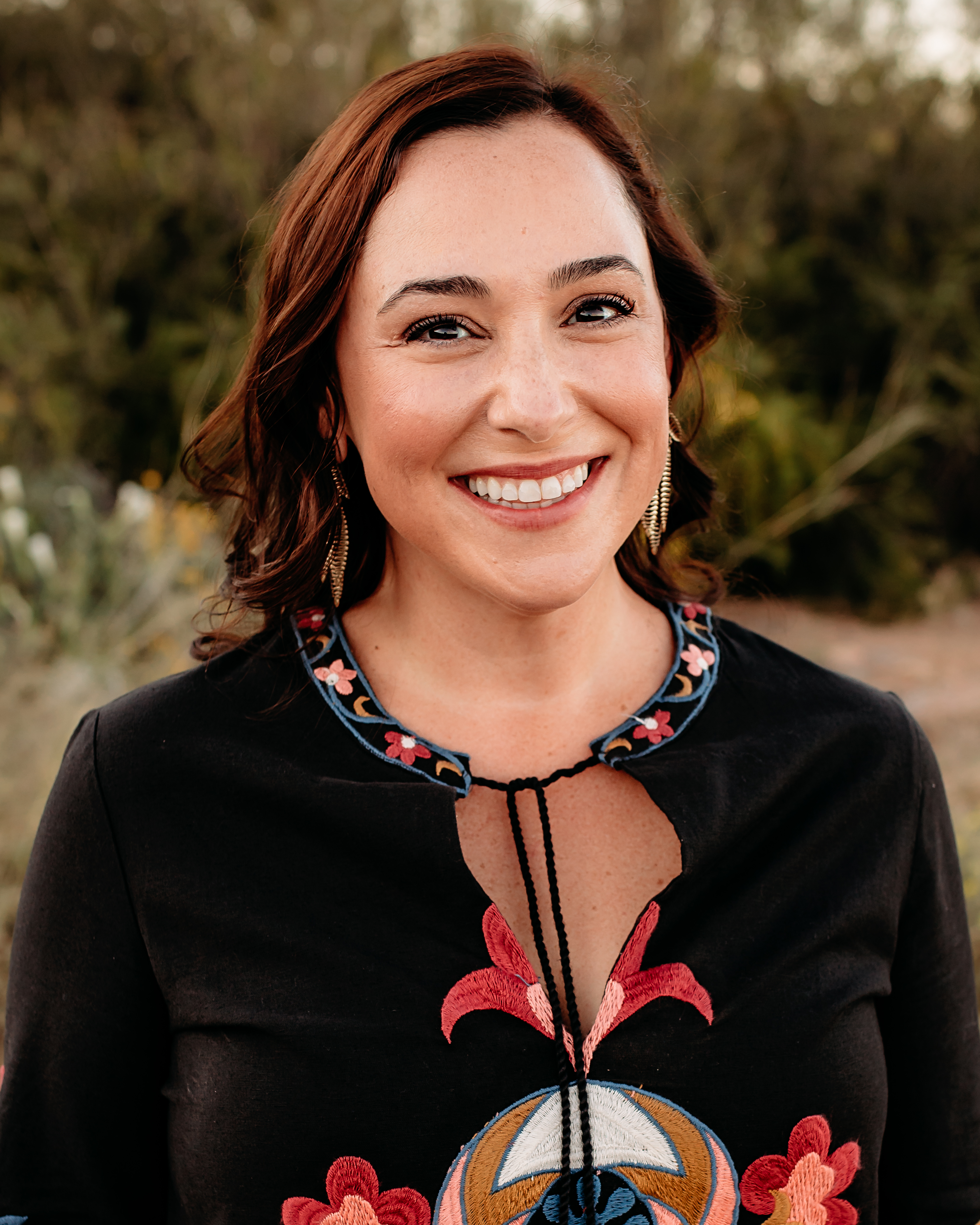
Isabel Alvarez Arata is a freelance writer and content creator with a focus on business, marketing, and lifestyle. While her passion lies in sharing her knowledge of pets, pet care, and pet-friendly living, Isabel writes for various online and print publications on a wide range of topics.
Fueled by her first encounter with rescue work at 17-years-old, Isabel believes that her purpose lies in helping companion animals live better lives by educating their caregivers. Isabel entered the pet care industry in 2008 when she founded The Wag Pack, Northern Virginia’s premier pet sitting and dog walking company. She has since closed TWP but continues to work tirelessly to promote positive pet care through exercise, enrichment, nutrition, and more as a pet sitting industry advocate.
Isabel was born in Ecuador, raised in Miami, FL, and has lived across the US and in Europe. She currently lives in El Paso, TX with her husband, two young children, and two old dogs.
A self-described gastronome and former hospitality industry professional, Isabel blends her love of life, banter, and adult beverages with her passion for pets in Covered in Pet Hair, a boozy show for pet lovers on Pet Life Radio, YouTube, and all major podcasting platforms.