
 Apple Podcasts

 Spotify

 Castro

 RSS Feed

 Goodpods

 YouTube

 iHeartRadio
210. Are Pet Foods Really Safe? Experts Debate Industry Standards

On this fiery episode of The Pet Parenting Reset, I sit down with B.C. Henschen and Dr. Cathy Alinovi as they go head-to-head on pet food safety. B.C. brings the tough questions, grilling Dr. Cathy—head of a pet food manufacturers association—on what’s really going on with commercial pet food. We dive into label transparency, safety standards, and how to protect your pet’s health with smarter choices. Get practical tips to navigate the pet food aisle and bring holistic, food-is-medicine principles to your furry friend’s bowl. Tune in for a no-BS look at keeping your pet safe and thriving!
🐶 🐱 Nutrition & Holistic Health Consults: https://jessicalfisher.com/product-category/holistic-pet-health-nutrition/
💜 Follow Jessica on Instagram https://www.instagram.com/thepetparentingreset/
📩 Get email notifications for new episodes:
https://jessicalfisher.kartra.com/page/tpprnotify
0:00 Welcome back, pet parent. So excited for today's episode. We're doing something a little different. The format is a little different today, but I think it's going to be super, super fun. I actually have two guests for you today. We have BC Henschen, who has been around in the pet food industry forever at this point, and Doctor Kathy Alanovi, who is with Next Generation Pet Food Manufacturers Association. Did I get that right? We're going to talk about pet food safety today. This is something I really haven't covered that much on the podcast. I mean, if I think about it, like I've talked to Billy about it, that's pretty much the only person I talked to about it and on the podcast.
0:49 And I'm just really interested to get like your back and forth on this because I mean, as a consumer, you know, I have my own opinions. I want to hear what you 2 as professionals on kind of opposing sides of the spectrum have to say about this. So I'm going to welcome BC and Doctor Kathy. It's like really, 'cause I thought BC and I were on the same side. So all right, BC, where are you coming from? Wow, where are you? On similar roads I have really Jessica just touched on it. I have found myself being a consumer more because I was removed from the retail pet food world for a little bit, so I started having a lot of concerns. OK, so interesting.
1:38 So what have you found? Well, and let's start. Certainly a lot of this was H15, the latest bird flu. That was certainly an issue that started exposing a lot of things. But let me back up a little bit and you know, I I'm doing what I would say is the honeymoon period's over for RAW. I don't understand why we don't have peer reviewed studies on RAW. I don't understand why we don't have more white paper on raw and I don't understand why we are still getting the trade secret BS line. Because and I'll tell you, I had a conversation not just two weeks ago with the manufacturer and he said I can't tell you where we're manufactured.
2:32 I can't tell you who formulates us. That is all trade secrets. We don't want that out in the universe. And I said, Brina or whoever knows exactly where you're manufactured and if they wanted that facility, they would have that facility. But we're still hearing that. We're still hearing that from raw manufacturer. Are you? You're muted. I've lost her. Yeah, you muted her. I didn't marry I I we had bark Fest and I was trying to make the less bark noise because the four pounder sounds like 200 lbs. So that was a fresh food manufacturer BC yes, I'm sorry, that's a load of yeah, I'm. Gonna say still out there.
3:17 For anybody listening and not watching, I can't tell you how much I love Doctor Kathy's faces. Like I just I feel like this is can't play. Poker. I'm looking in the mirror by my. Lack of poker face. It is like in my tiny little inner circle, like our running joke is that Jessica cannot control her face. I walk around like I, I will walk around Super Zoo and my best friend, I'll walk around with her and she'll turn around to me and be like, I can feel your face behind me. You need to chill. Beautiful. I love it. So BC that's unacceptable and I'm in totally meeting with you.
4:00 I don't support that. It shouldn't be a secret. Where's consumer transparency? Our fresh pet, fresh raw, real pet food manufacturers need to not be hiding because consumers have questions and you're not going to sell your product if you're a secret. People want to know. Well, and I could tell you that one of those manufacturers, I mean, I don't want to get into names, but there's a manufacturer that's a friend of, I mean of the real food movement that is not 100% transparent. And they still are able to kind of out that line where they give a little bit, but they they aren't giving the whole story. But let's back up.
4:41 So I like to do because I know I just hit you with a lot of things out of the gate and let's take it step by step. I also am active in the cannabis research involving dogs and I can give you Cornell has a study on it that is a peer reviewed study as it relates to pain in canines and the use of cannaboid products butchering some of that those words, but that's what I do. There's also a University of Colorado has a lot of research out there that is again peer reviewed white papers. So the head manufacturers could easily hang their hat and say this is proprietary information, we don't need to give it out. There's no federal regulation forcing us to give it out. So why are we hearing that from real food pet food manufacturers?
5:38 Why are we not seeing why are there not peer reviewed studies? Why are there not more digestibility tests that are public? And that's, that's one of the key things that we aren't seeing is digestibility information released. You got me. What do I know? What I know is I don't have right here my hot little hands, my answer. But I'm writing it down because one of the things that we're doing at the trade association, so next generation pet food manufacturers, next Gen. we represent fresh pet food manufacturers. So it's raw and gently cooked and it's some freeze dried and stuff.
6:22 We have been challenged with that question. We have a lot of manufacturers who have heard that from their consumers. So I got to write this down because I have Old Lady Brain. You want the peer reviewed articles there. There are peer reviewed articles. I haven't read them all. I haven't read lots of them. I'm guilty. You know what I've done? I said to a researcher that we're working with. I said, would you put it all together for me, please? And I'm at the putting it to waiting for her to put it together and present it because there are over 200 articles that talk about thank you digestibility. But what I don't know is digestibility. There, I wrote it down.
7:11 There are studies that show health benefits of fresh foods specifically in pets. Digestibility is a really good question. And so I'd have to say BC I have to get back to you and I got to actually look at the literature. I commissioned somebody because my plate is full, but you're not the which. That was really lame, wasn't it? That was my lame cop out. And it's like, man, he caught me right at the beginning with a cop out response. There are studies and we are looking at putting it together because a lot of our manufacturers are challenged by consumers and veterinarians because there's that perception by veterinarians. If there are no studies, it's not true. It's not that there are no studies, it's that they haven't been put together in a giant doorstop. Like it's literally the the book from Science Diet that we get in vet school is literally four or five inches thick. It's like don't and people just look at that and they go credibility.
8:20 Well, I could put any bunch of blank page. We don't need to put blank pages because there are studies hasn't been organized and so I'm working on that. Can we have this meeting later? Digestibility is an interesting topic because and I think the majority of pet parents don't even know to ask that question. And I think pet food manufacturers kind of take advantage of the fact that pet parents don't even know to ask that question. People like me who are out here, and I know Doctor Kathy, you do this too, like working one-on-one with pet parents. Like we see this. We can see when we're working with a dog specifically, usually dogs.
9:03 Then we can and we're yes. Yeah, we're looking and we're going, oh, we have a digestion, we have a digestibility issue here going on. But that and, and of course that's anecdotal, right? Like, but that's where science starts. It's one evidence what'll be interesting to see because how do we define digestibility? Because if you take a giant bowl of acid and drop in a bunch of oatmeal, boom, that thing digests right off. What is that how it really should work in this in the in the live animal, there are all these hydrolyzed foods. They're pre digested so the animal doesn't have to digest.
9:47 Shouldn't their intestines really be doing its natural function of digesting? So great question BC it's on my list of things to do now. Also, just want to throw in before we move on, I, I do know, I, I did hear of just a person, just a person who is very scientifically motivated and did her own test in a controlled environment where she like mimicked with the pH of a dog's stomach should be and did kibble, raw food, cooked food and an insect protein. And the insect protein was horrific. So I just want to throw that out there.
10:28 Really, I just want to throw that out there. That's fascinating. Yeah. No, that's, that's good. Yeah, that's. Pretty. There's a lot of, well, I won't say a lot, but a couple of those insect protein companies. Actually I have some pretty good digestibility studies with once again, you get into can we compare one study to the next study to the next study because they're all using different criteria and they're looking at different micros and macros. And certainly over my head there are a couple good pet food manufacturers that post that information immediately and make it available to the pet parents. But digestibility is just one.
11:12 All right, pet parents, you already know that I talk all the time about needing to stop as much as we possibly can, feeding our fur babies garbage, for lack of a better word. That's what we talk about here a lot. And again, doing the best we can. That is the message above any and everything else. The more we learn, the more we know we need to make some changes. And this episode is powered by Legacy Biome. This is no BS. And This is why I think you need Legacy Biome. So legacy Biome offers premium. When I say premium, I mean premium FMT, fecal microbiota transplant capsules. These are products for your dog designed to restore and support a healthy gut microbiome. Yes, you heard me.
11:58 Top tier microbiome therapy straight from nature's playbook. Gut health isn't optional. We talk about this all the time. It's not optional. It drives digestion, immune strength, allergy resistance, mood, and even chronic disease risk. So if your pet's gut is out of whack, their whole system is out of whack. If you've learned nothing from me thus far, I think you should know that. So Legacy Biome tells us that their donor animals live on a raw, organic diet and pristine chemical free environments. Generations bred to preserve a rugged and unaltered microbiome. No antibiotics, no pesticides, no synthetic crap ever. And they screen those donors with the strictest protocols in the industry.
12:42 Kim's over here next to me if you can hear her. So if you have a pet that is wrestling with chronic diarrhea, itchy skin, hair loss, allergies, rebounding from antibiotics, that's a thing too. Legacy Biome is your weapon. Heck, you can just use it proactively to build a bulletproof gut and immune health. So don't worry, vets handle this. FMT is administered rectally, often through veterinarians offices, but we don't always have access to that. So what's the next best thing? FMT capsules that are enteric coded that you can get delivered. Straight to your. Home from the most pristine donor dogs ever from Doctor Margo Roman, as a matter of fact. So top integrative vets across North America swear by legacy Biome.
13:30 That's not hype, that's physician grade endorsements. If you're ready to stop the gut wreck and start the comeback with your dog, head to legacybiome.com. That is legacy biome.com, L e.g. A/C, Y biome.com and get some for your pet. And by the way, let me know how it goes. You know me. You can always reach out to me on Instagram. I'm here to talk to you all the time. I want to know. Let me know about it. To try Legacy Biome for your dog, visit legacybiome.com and use code TPPR 10. That's TPPR 10 for 10% off.
14:11 You know, if we go back to food safety and you can help me with this there, there's a couple things that again have become really evident to me #1 and this goes back to AFCO world. But if I pay and actually do a feeding trial with dogs and I am a raw pet food manufacturer and Jessica comes along and basically makes the same food, she doesn't have to do a feeding trial but can say that she meets the Yep guidelines.
14:52 So a lot of us know that you. Did the research, yes. Except can we say that her formula and my formula are close enough? Shouldn't that be changed in AFCO? Even though who knows if AFCO is going to exist in a month or a year. So let's talk about people food though. Let's talk people. Food. You and I can go buy four different kinds of cereal off the shelf. There's zero safety with those. I want to say 0 safety. Safety studies. So, so you're talking about complete and balanced and whatever, but all right, let's back up to find safety because in my mind, I was expecting you to bring up bird flu and salmonella. And it's interesting you're bringing up digestibility and balance, so.
15:49 Let's fight safety and those it's still on the paper we. Haven't paid? It all the way through the. Paper. All right. In there, we're getting there. OK, I don't know how AFCO came up with all of that. I have my personal, I should. You're recording this. I shouldn't say this. All right, let's say this. You guys have human children. You have the two legged kind, right? I got one of them too. I haven't killed it yet and it's 21 years old. Never once in one day of my daughter's life did I ever 100% complete and balance her diet. Ever. OK, sorry I had to throw that in. She ain't dead.
16:29 So that is not me saying screw it, throw it all out. Balance is irrelevant. It's not important. That's me saying let's have practical reality. Practical reality is there are vitamins, minerals, macro nutrients, macro nutrients, you know, protein, fat, carbohydrates that everybody's body needs. Now, Speaking of everybody's body, there's three of us here. I guarantee you the three of us eat differently. I have eaten with both of you. I know what you eat and we eat differently and what my body needs is different than what each of your body needs. So there is no such thing as one-size-fits-all. If there were, we would all buy Wheaties and only Wheaties and we would all have all of our nutritional needs. There's not.
17:30 I need different food than each of you does and my dogs are the same. I have a herd and everybody has different nutrient needs. So we we start with the same basic food and then we top dress on top based on what each one needs. AFCO can't do that, AFCO said. Here's the basis. It's that silly food pyramid that we humans have. But that's basically what AFCO is. Like it or not, that's what AFCO has done is tried to say here's the basics and we could argue about whether or not things change in a weird way.
18:10 I get that. But that's the foundation. That's the basics. So sure, BC if you do the studies that show these three ingredients are exactly what 6 dogs needs to make six blood values not change over a six month period, I see no reason why Jessica can't take the exact same three ingredients in the exact same ratio and say your study's good. Now if she goes and adds four more things, she need to do her own study of 6 bugs over six months, looking at six numbers, it's minimal.
18:55 It is not detailed. If you look at my body under a microscope, I need different things than you guys do. So. Now, just a little side note because we all know the late and the great, I mean icon industry Jacqueline, When I was at trade shows or meetings with her, I had my answers because at that time being a founder of Answers, that was her company. I had my Answers Goat milk and I walked around with my quart of Answers Goat Milk containing my Diet Coke bottle because, because. She because Jacqueline. Would come after.
19:38 Me. Yeah. She's flipping over her grave right now to hear that you admitted to that. I. See, well, I, I fessed up at some point, but yeah, I. That's funny. I. Got the bad end of her several times on my Diet Coke and I, I will say till this day, I feed my dogs far better than I feed myself. I mean, there's absolutely no doubt about that. But along that line. When we do talk, so I think that is being used more broadly think companies are jumping onto saying, hey, we, we basically did a feeding trial because we're basically the same.
20:28 And once again, there's really no enforcement over that. We all know AFCO doesn't enforce anything like in the state of. Because that's not their role. We need to make sure that our listeners understand AFCO sets guidelines. They are not the regulators. The regulators are those who go to AFCO. It's each state. You're right. You're right BC it's a beautiful question. At the. All I see is money. In order to have that, it's how much more cost it's going to cost to the pet food manufacturers who want to register in each state. If the state is going to evaluate their food to that level, somebody needs to be responsible for it.
21:15 You're right. But who's who? The state or the manufacturer or the feds, I. Would go back to see that's what I'm talking about. The honeymoon, That's the other thing that I've heard so many times. Hey, we don't have money for that. We're small manufacturers, we're groundbreaking. We are doing things with pet food that have never been done. But again, that was aggregate 10 years ago. I mean, when did my first commercially available raw, I started selling 18 years ago, almost 20 years ago. And then the second was Bravo, I think again 20 years ago. Those are the people that I absolutely agree with and answers for that matter, that hey, we're breaking ground. We don't have a lot of money here. People don't know what we're doing, but here we are with, you know, a growing.
22:11 The real food movement has grown leaps and bounds in the. Last still hearing that, that's absolutely, that's fascinating because my members are actually doing the studies. Well, and you're looking. At putting it together. Are the cream. That's not there. I mean, let's let's be real, your members are the top echelon that understand that they need to be in an association with you where a lot. Of the rest are like you should hear what I've been told. Oh my goodness, we're we're we're we're rabble rousers was what 1 manufacturer said when they stopped being a member. Well, we think you're bucking the system. I was like, hello, what do you think we're here for? Isn't that the point?
22:59 Right. I want to go join my trade association. We want to go with status quo. We want to change nothing but wait. We make raw pet food. Anyway. That's a very fascinating perspective BC because I think I'm over here in La La land because I don't talk to those people. That's very fascinating. And those people? I'm writing that down also. I feel like those are the more mass brands. I mean, when you're talking about kind of the big in the real food movement, those, again, my opinion on Jessica's podcast, my personal opinion, you know, those largest real food manufacturers are some of the worst out there.
23:49 But those are the ones that have the money to do the research and are not doing it, or they're doing it and they're not releasing it because they don't feel like they have to. And. They're also the ones that are not interested in helping anybody else. Your members are going to be open, which is a nice transition into that food safety because you can help educate me here there. There's a great store that I love who has stopped selling raw milk completely for pets because he considers it too much of A risk because of the lack of cooperation between manufacturers when it comes to when a new risk is discovered that you know, if a new risk and they're all talking about one that's in Kenya right now that was found in raw milk. But when a new risk is discovered in the human milk chain, USDAFDA, all those have requirements for reporting and then they report to the others and so on and so forth. I don't know that the same thing would happen. So if we find a new pathogen in goat's milk, does that person have an obligation to report that to USDA or FDA under our current guidelines?
25:23 OK, so do you specifically want to talk bird flu or you want to talk your mystery Indian pathogen? Let's start with birds, yeah? I'm I'm more concerned about what's out there that we don't know about. Well, the problem is because we don't know about it. We don't know about it until people get sick, until people get sick or animals get sick. It's the same way. We unfortunately found the melamine thing forever ago. So EU, the FDA and the state departments of agriculture have actually been very proactive on the raw milk bird flu thing.
26:05 So far that's been documented, it's been. So the bird flu virus has at least in the laboratory been able to be seen to be present in raw cow milk. So because of that, the states that the states that have raw milk dairies that are registered to make raw cow milk, they are now testing for bird flu. There has been zero evidence so far that the same thing happens in goats. However, my understanding is, is that the goat farmers are being proactive and they are testing anyway because they want to tell the consumer we don't have it in goats.
26:49 Knock on wood, you know? So has anybody been sickened by raw milk with bird flu? No. Has somebody been implicated? Yeah. Can you prove it? No. Bird flu. What a horrible, horrible. Because what do you do with it? It's off and on. For the last 20 years at least, the United States has been worried about what if bird flu mutates and starts making people sick Because we have historical records, right? Spanish flu back in whenever the heck it was, was bird flu. And the reason we call it bird flu or swine flu is it's a flu virus and it's naturally occurring in birds or pigs and it likes to do like do like my it's a mixing bowl is what it's called. I make chocolate chip cookies.
27:43 I throw in some ingredients. We change it around and my cookies change a little bit, while the bird flu changes a little bit. And so in the mixing bowl, the virus changes. And what the government is worried is that it's going to change in this mixing bowl and become really bad for humans, like Spanish flu. Of course, remember back in Spanish flu days, we didn't have closed sewage system. We didn't understand we needed to use soap and water and brush our teeth and that we should wash our hands and things like that. We do understand basic cleanliness and hygiene now, although we have a whole lot more people in a lot less space now. So bird flu last year changed a little bit and it made some cats sick. 12 out of 75,000,000 cats in the United States got sick and died.
28:45 And I'm very sorry for the 12 cats and the 12 owners, but I'm sorry, Look at statistics. That is a microcosm. It's not frozen cats. Holy cow, could you imagine? No, it's 12 cats and nobody wants that for their cat, but it's being misrepresented as God. They're all going to die, right? We don't want it to mutate and become that. We certainly all lived whatever we lived with COVID, and nobody wants to go through that again. And so that's what government is trying to do, is protect us from ourselves. But we also need to be able to live life. And there's an element of making a decision for yourself with government helping enough.
29:33 So OK, go back to raw milk. You know it could be dangerous so put a sign on it and then if right, sushi. You guys eat sushi? BC doesn't. Maybe sushi? You do it all. That you eat sushi with your Diet Coke? No, BC doesn't need sushi, but there's a warning at the sushi restaurant. Sushi restaurants are doing great even though we could get sick. Right. And as immunocompromised that I am. Right. I'm a little bit more. You're going to be more precious. You should be.
30:14 But I'm not more cautious. I'm more aware, but I'm not more cautious. I mean, you've been out to. My you drink Diet Coke. Yeah, and I got horses and I, you know, I fall into a pile of manure and I go on. Yes, I dropped, but my whole where this came up is and and this goes back to one of your earlier rants. People do not rotate their pets food and and we've learned that we've learned that they'll even make the transition onto a fresh food and then that's all they're gonna feed by golly, because their dog is doing well with it and that's the end of that.
30:56 So. They're lazy. I am. I don't rotate my food. So I think the manufacturers do have responsibility make sure that food is safe because again, statistically it's shown that consumers do not treat raw pet food the same way as they treat their raw chicken to find that they assume. That to me, because I disagree based on our assessment of salmonella that this many humans, it's a zero. Those who can't see it, it's a 00 humans are reported in the CDC database of having been sickened by raw pet food. 0 where we've had humans die from kibble.
31:41 From Kibble. Right, children. No, I'm not arguing that point at all, but it's shown that again. So let's let's say something comes through and it's Rift Valley is the the pathogen that they found that? No, but they're worried that that's going to come over here, of course. But if something like that comes up and gets into the pet food, and those manufacturers are not testing for that, nor do they have the capabilities because, once again, they don't have the money for that. We're a small manufacturer. How can you expect us to test for all these things? Do they bear any accountability if they're food?
32:25 But let's even simplify it. Let's go E coli, let's go salmonella. Now, granted we don't have any hospitalizations as we did. I mean, I was around in the big 2007. So when you mentioned 15,000 dead cats or whatever, I was selling pet food and people had cats dying in those numbers and they didn't know to test for that, that altered ingredient. Nobody was testing for that. In fact, they specifically were making sure that it couldn't be tested for. But you put that same situation out to a small real food manufacturer, they're going to say we don't have money to test for any of.
33:06 Them So where are you buying your ingredients? Many of our members by USDA sourced and passed meats. So OK, let's talk several different diseases. Bird flu, for example, like salmonella is considered inherent in the animal. OK, Salmonella is inherent in poultry. That's court cases. It's by definition. The USDA allows a certain level of salmonella in the poultry. That exact same poultry goes to our manufacturer's food. It's the exact same food. It should be handled the same. We humans are not meant to eat it because it takes far too long to go from our mouth to our butt hole and we get sick. Dogs and cats mouth the butt hole really fast. Boom.
33:58 They push it through. If there's a little bit of salmonella, if they have a good intestinal system, they don't get sick. And it is based on good intestinal system. So there, that's the you have helpers. Cats. Have helpers. So that's salmonella. We don't know enough about bird flu yet to say that, but our manufacturers, our members of Next Gen. are using USDA sourced and past poultry meat. It has bird flu in it. It has bird flu in it. So it's the responsibility of the USDA to be testing for it, and they are, but it has bird flu in it. And so now it's being sent out.
34:40 And So what happens when the FDA is now regulating something that was passed by the USDA? You've got 2 agencies with two different standards and yet pet food is for pets and the FDA is regulating as if it's for humans. So this is how swine, African swine fever and your Rift Valley fever and you know, there are a bunch of other potential foot and mouth disease, hoof and mouth being different diseases. They're all being monitored. And if you're importing meat, they should, they're supposed to be inspected before coming in.
35:25 So the inspection agencies are supposed to be checking for these agents before it's allowed in the US. The manufacturer shouldn't actually have to check for these things until all of a sudden there's a worldwide outbreak. So bird flu has kind of changed and the FDA changed manufacturers responsibilities in January when they put out their policy guidance saying we just need you to write about it. Basically that's what they said was you need to think about bird flu. It needs to be in your food safety plan. That's all the FDA said.
36:05 Then they're the field agents who then took it to the next level and said, Oh my God, we found one live virus recall, recall, recall. Even though that same meat, the companies that had the recall bought USDA past meat the USDA had already inspected and said. So can I maybe I'm miss remembering this wasn't the testing being used for bird flu in in pet Well, anywhere it's me, it's it's my dog wasn't. It it was the. PCR testing right that it it wasn't differentiating between live and dead.
36:46 PCR doesn't differentiate live and dead. PCR says DNA is present and it doesn't matter if the DNA is alive or dead, according to PCR, it just says yes. Then the until bird flu, the gold standard had been virus isolation, which is send it off to the lab and the lab tries to create and grow a live virus. I mean, it's not really living because it's a virus, but if it's quote live, it can replicate. It can then go on and infect something else. And we were saying, prove it, prove it, prove it until the FDA comes out and says, you know what, once it's in this food thing, the virus isolation test is not very accurate. True, Don't know.
37:43 So then we got whole genome sequencing, which is still a piece of DNA, just very detailed. And allegedly what was found in the food was allegedly found in the infected animals. And yet when the manufacturer asked for the data, the manufacturer was never given both pieces of information. So the couple of manufacturers who did recall did it out of the abundance of caution, just because they love animals and they didn't want to make cats sick. And so unfortunately and and these companies all but I'm I'm I am not lying the USDA past and sourced meat. So and I'm sorry for the 12 cats, but it's 12 out of 75,000,000.
38:36 That's very low statistics, very low statistics. No one wants to be a statistic. I get it. I'm going to be ashed. Like when when most consumers think of food safety, they are thinking of salmonella, E coli, listeria, right? And there is a 0 tolerance policy for that in raw pet food, right? Right. On the FDA? OK, right. Keep going. And then I, I might, I might more carefully box in what you just said. Go ahead. OK, Yeah, well, that's that's my hope is that you do more carefully box that in. I'm sure BC has plenty more questions. My biggest question and I don't think, I don't know that we can answer this, but like as what I consider myself to be an educated consumer, I bigger, bigger concern. My concern isn't with salmonella, E coli and listeria. I just don't have that concern with what I feed my pets. What my concern is why have the recalls in kibble over the past handful of years decreased so significantly? Because.
39:40 They're not being tested. I know what I like, I just I feel like there's this false sense of security being created. Really. See and. That's what it sounds like. Go ahead BC. Now keep in mind, I mean that food manufacturing is is I mean and that's my thing and it and it's kibble, I like it. I've been in plants, I've made food etcetera, etcetera. I would say that testing has gotten better at the manufacturing side of it. Manufacturers are to have more tests at their availability that they're in lab can do where a lot of times those tests had to be sent out and.
40:26 That the ingredient suppliers are also doing more testing because they're tired of getting refused loads at the dock door. When my friends in the business go out there and they core the grain card or whatever they do and they come back and say, yeah, we're not taking this load, go on with it. So I would say it's a combination of all of it. Certainly the government doesn't have money to do testing. And I would say most pet food on the market, regardless if it's kibble or raw or fresh, most of it has not been tested by a government. We are relying completely on manufacturers. And most of the time you're talking about Co Packers. And once again, those Co Packers are going to be so heavy on their ingredient suppliers.
41:17 If you send me a bad load twice, we're never doing business with you again because you have held up everything. So those it's gotten a lot more stringent on the manufacturing side. Which is what the Food FISMA Food Safety Modernization Act was supposed to do. They were supposed to put this is every manufacturer is supposed to have a food safety plan. Well, my sarcastic remark, because I'm good at those ever since the beginning, was that's good manufacturing practices. And that's what manufacturers should have been doing all along is you should have a food safety plan. You should go, well, there's a light bulb right above this machine. Gosh, it could break.
42:03 Why don't we put a cage over it? And that goes in your food safety plan. And so this, this is good food safety. The Food Safety Modernization Act came out and one of the things that's supposed to happen is every food manufacturer, people or pet food is supposed to be inspected every five years. Everyman thinks they don't have money now and they want to balance a budget. They have never been able to inspect every manufacturer. I have manufacturers who have never been inspected but the opposite side of that exact same coin. Flip it over and the other side is once you're considered a bad player in quote marks from the FDA. As in you come on their radar once, you never get off their list.
42:51 If you come on their radar once, they will inspect you year after year without 0 forgiveness. They are going to regulate this one company into compliance. But if nobody else has, you know if other 15 companies haven't ever been inspected and don't come up on their radar, they never get inspected. And so that's not really what FISMA was supposed to be doing. The manufacturers absolutely are responsible for their safety and I agree BC there are some great tests that the manufacturers can now look for the pathogens, the salmonella, the listeria monocytogenes because that's the only bad listeria.
43:34 There are a whole bunch of other ones that don't matter. Coliola deck, which is the shigga toxin, it's another E coli. These are the ones that make people sick. And that's what we're worried about. Make people sick from pet food. None of you people should be eating pet food, should eat people food. Pet foods for pets. It needs to be safe. But dogs and cats with a normal healthy system can eat salmonella. I cannot. I get sick. They might get a little bit of soft poo tomorrow and then be fine and then go eat the cat poop and get soft poo that day too. So there are a lot of safety things in place now. OK.
44:23 How come more cable companies aren't getting in trouble? So how long did it take for the government to figure out melamine? Long time because it hadn't been identified, so they didn't know how to search for it. And I think the only reason they found it, boy, talk about the good and the bad, is because animals continued to die. It was awful. Think back a year and a half ago, one of the big manufacturers was implicated in a lot of animals with nasty bloody poo and some deaths and stuff. And the government did a bunch of research and they never found anything.
45:05 And I know people who did private investigation trying to find, trying to find, couldn't ever find anything and animals died and there was never an announcement. There was never a public health for pets warning and humans weren't sick. It's awful a lot. If we go back back to melanin and correct me if I have this wrong, but that was discovered by a manufacturer that wasn't even government that. Was it? Well, that's what I have always heard. Now again, it was one of the big 5 at the time. But yeah, it was. It was discovered there first and then of course confirmed. OK.
45:50 That was I was not. I was fresh out of vet school and still recommending food I would never recommend anymore. Right. I know better I know better now I know better. I've had more education than what they force fed us in vet school. So that's that's good info BC I. Don't know listeria. The problem with the listeria again if I'm I'm correct is it's all about the lab. I mean, the manufacturing plant listeria, you really need to be checking in your facility, not necessarily in the food because it can really be rampant and you'll never find it in the food because it can hide in little pockets. It's a where you catch.
46:38 Yeah, so. These things that all bacteria are that way. I mean, the so is the flu. It's it's all that way. Yeah. And, and for the most part, Listeria monocytogenes is considered to be a contaminant. It likes refrigeration, so it grows in the fridge, doesn't grow in the freezer, and it does not grow at room temperature. But if you kill every other bacteria in that pile of meat, Listeria goes ha ha, baby, put me in the fridge, I am going to grow. And it makes humans sick again. Don't eat the dog food.
47:18 Don't eat the dog food and wash your hands please. Wash your hands and wash the dog dish. Yeah. Don't leave it on the floor because the three-year old children go look, Fluffy eats out of this. Let's pretend let's have tea because that's what kids do. So parenting is protect our kids and you know, teach our kids from the beginning, raw pet food, raw chicken, wash your hands, cut your veggies, then your meat. Don't do your salad after the chicken. We've been told good food handling for decades for people food the exact same good food handling training. Good food handling is what has made humans have much less disease.
48:09 Because now we know you cut your lettuce before you cut your chicken, wash your cutting board. I got 6 once for meat, once for veggies, once for onion. Nothing fruits on the onion board. I will yell at you when my cantaloupe tastes like onions. But that's that's how we learned things. And there was a period of time when people washed their meat. And now the researchers are finding that when people wash their meat, they're actually sprinkling bacteria all over the sink. Right. No, you take the hose and you spray it down. You know, and actually everything that you just talked about by statistics, you should be doing with kibble.
48:52 You should kibble absolutely. You should be washing your bowl, you should be washing your hands after handling that kibble. There's more chance of a contaminant in that kibble than there is that fresher raw food. So. OK, with fresh food in general, are, you know, manufacturers are using safety measures, some that I can name off the top of my head, some are being cooked, some are using HPP, some are using bacteriophages, some some are doing test and hold, some are doing multiples, you know, including test and hold. So I'm just I'm curious BC like where, where are the shortcomings that you're seeing? Don't think I'm rapidly trying to list manufacturers in my head there's not enough test and hold happening in the real and fresh food movement.
49:47 I do not think enough. In fact I don't think most of the manufacturers. Now again, there are so many of them, but test and hold is not being done enough in my opinion and I'm waiting on deck Kathy because she should know more than I do. I'm going through my list in my head just like you just did. Go tick, tick, tick, tick. There are a good number of manufacturers who rely on the supplier. I think that's a problem too, because in fact. It's for E coli O157H7 is it ultimately went back to the farm, the feed lot, and when the producer of the beef stopped providing deadly E coli contaminated meat, everybody downstream always protected.
50:40 We look at now again, I, I hate to mention a kibble, but Natura Pet Products was a great company. It was one of the kibbles that I did recommend at the time. Now, this was 20 years ago, darn near 1518 years ago. And when they got bought out by Procter and Gamble, which Procter and Gamble killed that brand and it's not even being made anymore. But anyway, when they bought it, they stopped test and hold and they stopped test and hold because they brought in their proprietary kill step. Procter and Gamble had a proprietary kill step and I toured that plant because I made a big thing in Indiana.
51:28 I threw all my Natur out on the curb, donated it to the food shelters and I said I'm not going to sell this food even though it's my number one food. And it got picked up by me. A great vice president. He's no longer with the company, with Procter and Gamble called me up and said I will fly you to that plant and show you what's different and show you anything you want to see. And I went to that plant and I asked about test and holding. They said we don't do that because of our proprietary kill step. And I said that's wonderful, but there's a huge problem there. About 3 months later, they had the first massive recall at the end. Problem with that was it was being contaminated by workers after the kill step.
52:18 That's the problem with relying on your manufacturers or your ingredient suppliers is because it's going to get contaminated in the manufacturing process, which is why test and hold, in my opinion, should be industry standard. You are. Nobody cares about my opinion. You're 100% right. And even even on HPP product, you know, very often on HPP, it goes back to the after it's been processed, it goes back to the manufacturer and they often repackage it. Boom, there's your contamination, people food and pet food. There's a lot of people food that's HPP that people don't realize about anyway. Agree 100% BC and you're right, not everybody does test and hold.
53:07 Yeah, and excuses. The excuses are, well, it caused a lot of storage. I know. How much does a recall cost you? I hear you loud and clear on that one. Yeah, I'm writing that down. Got my note maker. She's taking a lot of notes from you today. This is beautiful. And I'm good. And I, I'm kind of backing off because, I mean, we've hit that hour mark or so and I want to make sure Jessica gets all her questions. What are you talking about? Wait, does everybody? Listen to three hour podcast. I mean. Sorry, but I listen, but I almost exclusively, anytime I have time that I'm going to consume media, I'm listening to probably a Joe Rogan podcast and those are generally 3 hours.
53:51 So yes, people will. There's no way. People will if it's an interesting conversation. I am very interested in this conversation so. Well, then I would say the last kind of we've touched on it a little bit, but the biggest problem that we have in the real and fresh and cooked, there is no standardized policies and protocols. There's the Food Safety Act which says certain things. But once again, I come back to if Company A has discovered something, they're not going to share with Company B. In fact, they're going to trigger out how to migrate and so that they don't have to share with anybody if they could. That's where.
54:45 And now, correct me if I'm wrong, but if as long as I don't put that ASCO sticker on my food, if I start buying goat's milk, I register with the state chemist here in Indiana, I can sell that as a pet food, A pet food supplement, because it wouldn't be a complete imbalance. The USDAFDA and any governing bodies besides the state chemist would have no idea that I'm making a pet food. If you never leave Indiana, what you have just said is correct. And there are, there are a bunch of small companies and that's what they do. And if I leave Indiana, what triggers that though, is that voluntarily if I start selling it on the Internet? Now you're talking apples and oranges. Are you trekking it over to Illinois? Are you selling on the Internet?
55:41 2 Totally different than Internet. Yeah, Internet's a Gray area, and it depends on the state. There are some states that are actively looking for manufacturers who are selling and some of the state, some of the state regulators are actually ordering that online pet food to prove that it's being sold across state lines to then tell the manufacturer you need to register in this state. So that's that. Yeah, there are, Savvy. So they have money to have people slufing the Internet.
56:22 You know what it it's, it's a couple of states who have a pet peeve, and it depends on who's in charge of the office. So, for example, bird flu, Oregon and Washington have a pickle up there. You know what about bird flu where most of the other states are like OK, is it on your food safety plan? OK, Like California was like OK, but it came from California. But anyway, Washington and Oregon had a pickle up their hiney about it. So certain states have a pickle up their rear end about online sales in the way that the laws have now been written in the last two years of of the AFCO, the model bill, because it's an example, it isn't national law. That website is part of a label.
57:16 So if you sell your food online, what it says on your website is part of your label. And there are a couple of states that will read everything. Some states will come looking for you, many don't have the manpower to do it. And so it's who's in charge of the office and who who has pet peeve so. A lot of times it's snitches like myself. It is snitches. Yeah, I got stop sell long time ago by the state of Indiana for selling a hemp based pet food. Grandma Lucy's. It was great, great pet food. They stopped.
57:59 Trouble for that? Well, when the state of Indiana stop selling me and pulled it off my shelves because they knew I would sell it underneath the counter like I was on Life Extension, it was sitting in Chuy's distribution center right down the street from me. And I knew that because I had a friend at the distributor and I went back to the state chemist and I said, this is how much of Grandma Lucy's hemp seed products that Chewie is receiving here in Indiana. Why aren't you stopping them? And they said we can't tell where they're selling it, so they could be selling it to Illinois, which would be just fine.
58:42 And. Oh, it wasn't. I did not like that. Because because the FDA said hemp in food, pet food is illegal. No no, no, it doesn't matter what state you're in. I've heard of several people telling on Grandma Lucy's. So that was a cop out on Indiana part. Well, I was trying to get Chewy in trouble. I lived in trying to get Carmel Lucy in trouble. Yeah, so isn't that interesting? Because Indiana has a reputation for being nitpicky would be a generous kind term in their review of labels. And yet they allowed commerce.
59:24 Because the field inspector did not want to have to go through the Chewy distribution center right now. Again, I will qualify that this was years ago and they've changed the food inspector that's out in the field. But back then, he wasn't interested in walking that that distribution center, no. But the label people in the offense. He won because he got food off your shelf. Boom. I can take the rest of the month off, right? Yeah, you're right. You're right. Low hanging fruit. Exactly. But Lucy's doesn't make that anymore, do they? So at the end of the day, at the end of the day, consumers have to be have to take on the responsibility of educating themselves. Regardless of pet food or people's food, pick a neck. So what I'm curious from both of you, from your different perspectives, when a consumer is going to choose a pet food, What should they be looking for?
1:00:29 When we are talking specifically about pet food safety, I would tell them to call the manufacturer and ask what are their protocols when it comes. Use some specifics. Ask them about bird flu. Ask them about test and hold. If they're not doing test and hold, what are they doing? What is their kill step? If they don't like providing that information, move on to the next manufacturer that will tell you that that's and that's where a lot of this, when I reached out to you, Jessica, was because I've been doing a lot of that for people that I'm consulting with and I'm getting told, yeah, I'll tell you, but you can't tell anybody or we're not telling you. It's a big secret.
1:01:13 And I hate that. And I don't think it's doing our industry well. And I think a lot of us, especially in the real food communities are making assumptions about some manufacturers that you should not be making assumptions about that. That's other before I turn it over to Doctor Cathy on that. The other thing I would tell you is audit because as we've said, people are not rotating their manufacturers well enough. If you think BC's pet food is doing great for your dog, you've already asked all the questions of me when you started feeding it a year ago. You should be calling me again in a year because I might have changed.
1:01:53 I may not believe in test and hold anymore. So you got to audit your manufacturer as well if you want the absolute best for your pets. I think I agree with everything you said. I agree all the manufacturers. I am going to have to bookmark this because you've agreed with me multiple times and I've stopped you multiple times and once. I've never done that twice. See twice. OK, I'll take it. I'll take it as a land. OK, that's awesome. No, I agree completely. All right, let's talk politics. Not really politics. Now, you mentioned way back at the beginning that maybe Afco's going away. Oh boy, there's a lot changing. So what, a year, year and a half ago, the per act PURR was proposed by Pet Food Institute.
1:02:44 And basically what they said was let's move it all to the FDA. But now the new government is like, whoa now, hold on. We don't want to spend the money. It's all going back to the state again. So it's been fascinating watching the state regulators. A year ago, I think it was AFCO, in August, it was it. Were you at that one, Jessica? Was that the one when Stan cried? Yeah. OK, Stan Cook from Kansas, he's now retired. Because if the PER act was passed, all the state regulators in the room, all 500 up, well 200 of them because the rest is industry could potentially have been out of a job and it was all going to the FDA. And so for about two months we heard, well, I don't know, we don't know how things are going to go because the FDA published the end the whole chapter 6 out of the AFCO official publication is like, oh, it's been public.
1:03:48 They're not going to make any money anymore. Now all of a sudden Afco's back in busy and they're doing stuff and they're not the least bit worried about their jobs again because the whole deregulation. And it's fascinating to watch the behavior of the state regulators because a year ago they were shaking in their shoes, afraid that they weren't having a job. And now I think they think they have job security. So we got a lot of changes and it's going to be an interesting future to see how things change. I think all of us can probably agree, well, yeah, easy. We all agree we want pet food to be safe.
1:04:29 We probably have different definitions of what safety looks like and or how much need for regulatory intervention there is. But I agree with UBC, the manufacturers should be transparent. They should say this is what we do. Here's how we keep your pet safe. And you know what? If you have an immune suppressed animal, don't feed straight up raw. Or if you do understand you have an immune suppressed animal and you're feeding straight up raw, accept the responsibility. If I go get sushi and I go order, is it the puffer fish that kills? Yeah, yeah.
1:05:12 If I order puffer fish, I walked in the door and I read the sign at the front door, it's my own choice. I'm not going to sue the restaurant if I get sick. If I die, then you know my family is not going to sue because I walked in and I agreed based on the sign. Every pet food, cooked, canned, should all have a safety warning on it. Maybe all food should have a safety warning on it. Xylitol. I have a client years ago, years ago was making sweets for church and decided oh they get too much sugar I'm going to use xylitol. The Wiener dog ate it. He died.
1:05:54 She was so upset, she called the xylitol company and said, why isn't there a warning? And what was their their caveat? They're out. Dogs aren't our intended consumer. OK. And so then the little man died. How do you compare that with the antifreeze companies? The antifreeze companies are now some of them are putting on their packaging. Dogs and cats may die if they drink this. Don't leave it laying around on the ground. So you've got to. I think it's on there. Yeah, you've got a company who's willing to accept it and or some states have legislated that the antifreeze has to say that because enough pet parents said enough, it's got to say it got to protect the animals. When we were doing pet food labeling, modernization, preparation, it took ten years in AFCO to come up with new pet food labels like we were supposed to do 17 years ago. One of the discussions was safety, safety statements and symbols to put on pet food.
1:07:03 And this was before all of us got kicked off. And the the people on the call were like, well, we think raw pet food needs to have safety warnings. And I'm like, whoa, now Whole Food needs safety warning. And I got out my statistics and I said kibble has made more people sick and had one member from the FDA who agreed with me. Then there was that lawsuit and then I got kicked off and I'm back now. But so then it made it through and nobody the the result was nobody's required to put those safety statements on their food. They are available if people or manufacturers wish wish to use it.
1:07:47 Most raw pet food manufacturers actually say this is raw. It may contain harmful bacteria. Don't eat it. It's for your dog, it's for your cat. Most of them do. They don't all they should have the sushi warning like the sushi restaurants they should. Remember that labeling one of the symbols discussed was the biohazard. We're going to put the biohazard symbol on raw pet food. Yeah. But yeah, luckily that did not pass. Luckily it didn't pass. They were just common sense things like keep refrigerated, throw out in doubt, if in doubt, that sort of thing. But yeah, yeah, yes, because you got to continue participating after the rest of us got kicked off for a while because you. No, I got banned too.
1:08:37 Did you get? You did get banned also. Yeah, I, yeah, I, I was a consumer advocate on the board and got banned and never came back. And I fought it. I begged and pleaded with them and they were not interested in me coming back at the time. You know, it's funny because that came from the executive director at that time. Who I did not like, but once again, I mean, that's the biggest you want to talk about the biggest weak link when it comes to consumers. What you just were talking about, Jessica, is you notice neither one of us said look for the AFCO statement because we don't care about the AFCO statement because AFCO is really nothing. AFCO is a way for state employees to go on a little brief vacation and get paid for it has nothing to do with pet food safety.
1:09:38 Now once again, this is the opinions of BC and not necessarily of the others on this podcast, right? But that's the whole purpose of AFCO. It it has very little to do with real pet food safety. Co originated with livestock feed 120 years ago. Food didn't exist when AFCO was created. AFCO was created so that the states could figure out how they were going to regulate livestock feed as it went across state borders. And then, I don't know, 70s all of a sudden they went food exists.
1:10:24 And then around 2000 they went raw pet food exists and raw milk for pets. Yeah, agreed. AFCO complete balanced, whatever. It means your cable has enough nutrients to maintain life. Yeah, keep in mind, I know we're winding down here, but my last little story I want to say about AFCO because I was there. I was there the moment that Doctor Kathy was booed, Booed by the state regulators for just proposing that maybe plastic isn't the best thing to feed the cows.
1:11:07 She was booed and it wasn't audience members. I mean, it was audience members too. It was it. Was this regulator sitting at the board? And I was there for that moment, and I was also there when they called our good friend Roxana, a hippie, for some of her thoughts. Vegetarian hippie. Yes, yes, but. Absolutely. That's where I come from when I say Asco's not doing anything really good for our pet. I can't. I mean, that's such, part of me wants to get angry and say that it's intentional, but I don't. I mean, in these cases, I don't think it is.
1:11:48 I think it's short sightedness. Ignorance. For Yeah I. Mean. The fact that we're finding a credit card size worth of plastic in the human brain at this point when when we die is astounding. And to think that we can feed it to the animals that we are then eating from and it's not going to affect us in the long term like that. I I can only admit it sounds very short sighted on on their. They're keeping it out of the landfill. They are very proud of reducing waste to the landfill by upcycling the waste and and gosh, Can you imagine if it's a credit card in US, how big is it in our pets since they're getting the waste from our food? I can't imagine.
1:12:43 I really can't. Right. It's so sad. It's so sad to me. Yeah, there's, there's the would be my big safety thing. It's the recycled waste, which is why I represent fresh pet food manufacturers. And that's why it's been 8-9 years, You know, when I relinquished my veterinary license and started the trade association. It's because it's critical to me that if people want it, they can find fresh food for their pets. And nobody represents these manufacturers at EFCO until I came along and formed the trade association and I'm now on the committees.
1:13:24 And even though we all got kicked off the individual chairs, I talked to each one every meeting until we got formally welcomed back in. I was always welcomed to represent fresh food. And I, I asked each one permission. Can I still sit at the table? And they're like, sure, Kathy, come on. And I'm like, thank you. I can still represent food even though that executive director was closed minded. Executive director, I think is pretty good, pretty fair, pretty good. Well, and that's what like I know when we come into a discussion on pet food safety, that I think is what most people are thinking of salmonella, listeria, E coli, the, you know, pathogenic bacterias.
1:14:08 But I do think of pet food safety as quality of food than not feed right like that. That is something that I think is more important to our animals than Salmonella U Colon. To find food and feed to mean the same thing. And that's very frustrating. And I would agree that that might be safety. And how about weren't you there Jessica, for the copper discussions? I no, I was the last year was the only one I I went to and they they. Were finishing the copper. Just yeah, they said no, we're not going to. They just said no, we're not going to settle.
1:14:48 In the end of. Discussion. And that was all they said. You know, because of because of implications of copper storage disease in dogs could potentially be exacerbated by high copper in the pet food. And there are lots of biological factors that go into that. Some dogs are going to have problems and some aren't. And right, so you're right, we could go on. It is good. Scheduled 3 hours. Kidding, but that's a safety issue also. It is. In making a a maximum limit for copper in a middle of the road for copper. So it's voluntary. If a company wants to say have restricted copper, they can or limited or whatever the word is.
1:15:34 It just wasn't written into the model built. But a manufacturer can do that so that if they're trying to help, you know, and who would do that? A manufacturer who had a dog with copper storage disease or with liver disease or failure and it was linked to copper and that's who would do it. And there are a few manufacturers who do have limited copper foods. You have to call them. They don't put it on their label because the regulators are all doesn't say that. You can say that, but it doesn't say that you can't say it. And who wants to submit your label to Indiana 75 times and five other states? It's not just Indiana, but there are under 10 that are pickier than others.
1:16:24 Kentucky. Go ahead. She's not as much anymore. Oh well, that's good. Kentucky used to be one of the worst. She used to be. I don't know what changed overall. She spent some time as the director or the. Maybe so overall. Well, she's mellowed. I see her smile. Well, I think I think we came into this at least BC thought that there was going to be like some opposition here. But it sounds like you 2 pretty much are on the same page I. Appreciate that. Just get that perspective. We're close enough and I have some great new notes like Calvin, yes and BC. You made some beautiful points and they absolutely are things that the manufacturers need to address. Transparency is key.
1:17:12 Melamine would not have happened if transparency were there. Yep, and if all rent real and fresh pet food manufacturers were a member of your association, we wouldn't even be having this conversation only. Work one job and it would. So I mean happening. And you're not a member. Contact me. Yeah, reach out or ask the guys. They'll tell you how to find me. I'm telling you, the last last year I I'm probably gonna do it again this year. Last year when I was walking around super zoo, every pet food manufacturer I talked to, I was like, you're you're first of all, I said, why are you not, why do you not have, why are you not at AFCO meetings? And then I said, are you part of next Gen. I did with like everybody I talked and they all said I never heard of it, right.
1:17:57 You probably found three that were members. I had, I found a couple that were members. Yeah. And. And everybody was just like those. Those meetings are so boring. I'm like, I realize that this is literally what you do. They are pure torture. You guys have been there. It's in Omaha in October. I mean in. August, yeah. Yeah, but there's some good manufacturing facilities in the mall. Well then I expect you to show up. Might have to do some tours. I'd have to. Do some tours. Do some Taylor. Yes. So I'm not at all paid for any of this, but I do go around talking to manufacturers about even when I interview them, I'm like on the podcast, we get off the podcast and I'm like, are you with next Gen. Thank you.
1:18:48 Thank you. Perfect. Have people start thinking about it and we might be the rabble rousers because I was told that all I did was laugh. I'm like, you're right, we are. That's how we change the system. And the idea that we're looking for with change with next Gen. is making it better. It's right there on our front page. We're talking transparency. We're not trying to have secrets. I'm shocked BC that there are fresh pet food manufacturers who are keeping that stuff a secret. I am very disappointed and that. There are a lot. Me too. I am too. Yeah.
1:19:29 Well, I think I certainly enjoyed this conversation is helping me to formulate better questions for pet food manufacturers that I have on the show as well. So I appreciate the two of you and for coming and talking and having this discussion and having it in front of a large audience. Absolutely. You 2 are awesome. I appreciate you both. I of course will have both of your profiles, LinkedIn, the show notes check out and I. And just because we're here, Doctor Kathy does do consultation still, right? Yeah, I, I have, I have two hats. One is the trade association and the other is healthy possibilities with a paw. And I don't care what you call me for, if you want help and guidance, it always starts with fresh food, which is why I run the trade association because that fresh food needs to be available.
1:20:25 You can't get good health without quality food. Oh wait, it's right there. You're absolutely right and BC's wife Kat has the Ninja groomer, which obviously if you're in Indiana that's something you can check out, but if you are not in Indiana you can also check out her socials because that is so fun. Awesome. Post Follow the Ninja Groomer. Awesome post. Yes, All right, you guys, thank you so much for being here. I think this was an excellent, excellent chat and I hope that it helps people make better decisions about pet food as well. So with that, I'm going to go ahead and end for this week. You guys have a great rest of your day. Give your pets some extra love from myself, Kathy and BC this week.
1:21:06 Talk to you next week.
Pet Food Guy
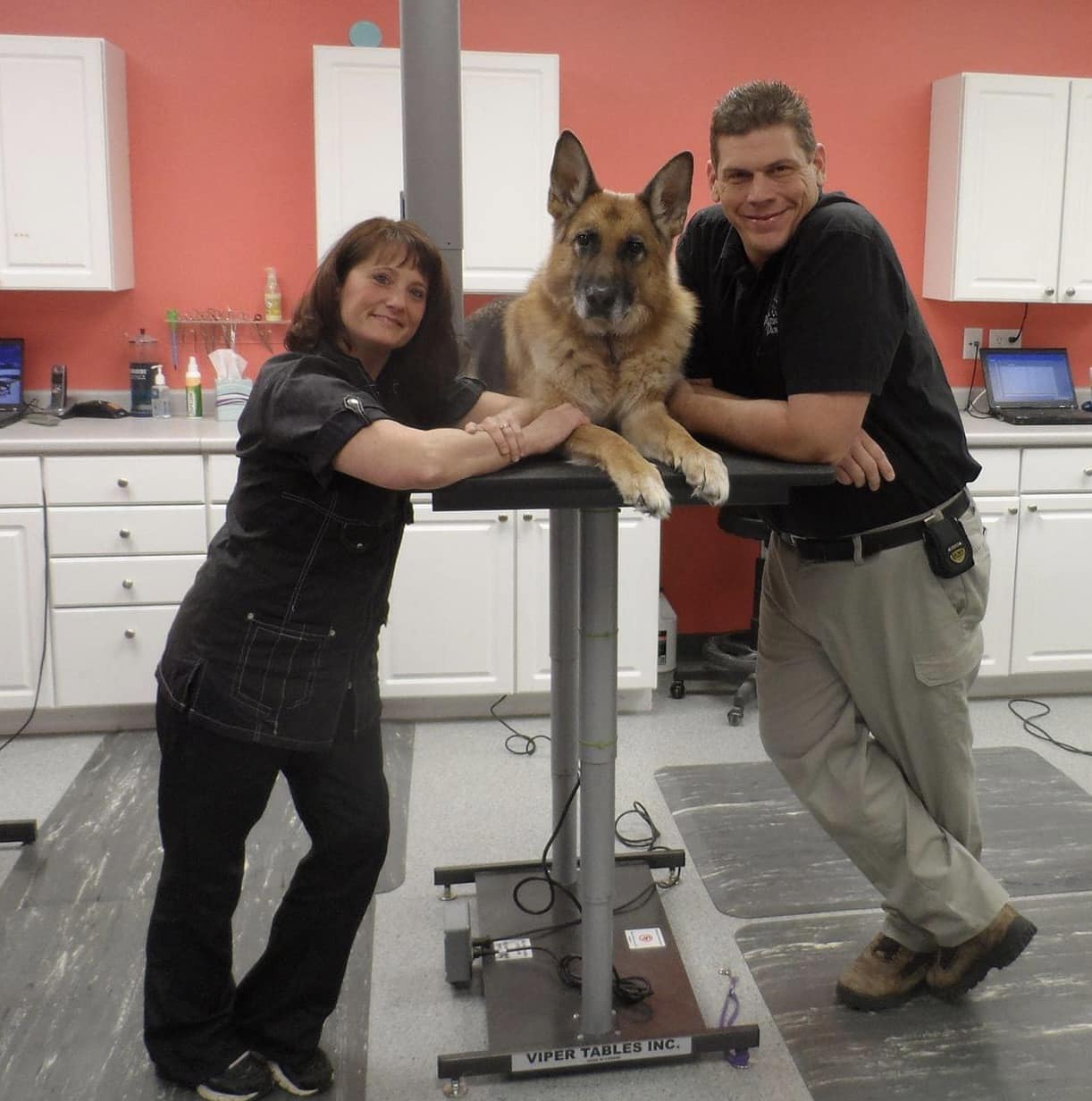
B.C. Henschen is a dedicated pet enthusiast and advocate for micro-independent pet stores. With nearly two decades of experience as a successful small independent pet store owner, B.C. has made it his mission to help fellow independent retailers thrive by mastering the art of understanding pet food and effectively communicating its benefits to consumers.
As a former renowned columnist in Pet Product News magazine for almost 10 years, B.C. shared valuable insights and practical tips to support fellow entrepreneurs in navigating the world of pet food sales. He is also known for his influential contributions as a consumer advocate in the Association of American Feed Control Officials (AAFCO) meetings, where he passionately represented the interests of independent retailers.
B.C.'s commitment to the pet industry extends beyond his business. He has served on the board of directors for the prestigious World Pet Association (WPA), championing the interests of small retailers and fostering connections within the community.
Through his dedication and expertise, B.C. continues to make a lasting impact on the pet store community, helping them not only survive, but thrive in a competitive market. His mission is to inspire fellow retailers to embrace their unique strengths, understand pet food with confidence, and build lasting relationships with customers, all while providing top-notch care for beloved pets.

Holistic Pet Health Coach, executive director of NGPFMA
Dr. Cathy Alinovi DVM -- retired veterinarian, animal lover, frequent media guest and nationally-celebrated author -- is quickly gaining recognition for her integrative approach to animal health. Now retired from conventional practice, Dr Cathy coachs pet owners to heal 80% of what walks in the door -- not with expensive prescriptions -- but with adequate nutrition. Additionally, she is executive director of the only trade association that represents fresh pet food manufacturers - Next Generation Pet Food Manufacturers Association - to ensure quality pet food remains available to pet owners.